Table of Contents
Introduction
Think about your last really satisfying meal. What made it so good? Sure, the taste mattered, but there’s something deeper going on here. The right ingredients don’t just fill you up—they actually fuel your body in ways that make you feel amazing. And when it comes to ingredients that pack a serious nutritional punch, whole grains are absolute game-changers. You’ve probably heard people talking about them, but do you really know why they’ve become such a big deal?
Here’s the thing about whole grains: they’re not just another health fad that’ll disappear next year. The science behind them is rock-solid, and once you understand what they actually do for your body, you’ll get why nutritionists won’t stop raving about them. Unlike the stripped-down grains you’ll find in white bread and regular pasta, whole grains keep everything—the bran, germ, and endosperm all stay put. That means you’re getting fiber, vitamins, minerals, and antioxidants working together like a well-oiled machine. Your heart loves them, your digestive system thanks you, and they even help with weight management. (And honestly, who couldn’t use a little help in that department?) If you want to dig deeper into why fiber specifically matters so much, check out the importance of dietary fiber—it’s eye-opening stuff.
Let’s be real for a second. Most of us are walking around feeling tired, bloated, or just… off. We know we should eat better, but where do you even start? Whole grains might just be your answer. They release energy slowly and steadily (no more 3 PM crashes), keep your gut happy, and here’s something interesting—they can actually affect your mood and brain function. The connection between what you eat and how you feel mentally is stronger than most people realize. There’s fascinating research on nutrition and mental health that’ll make you think twice about your breakfast choices. Whether you’re trying to keep your heart healthy or just want to feel more mentally sharp, whole grains deserve a spot on your plate.
Now, understanding whole grains is one thing. Actually using that knowledge? That’s where things get practical. You need to know which grains to buy, how to spot the good stuff at the store, and what to do with them once you get home. (Because let’s face it, nobody wants to spend money on quinoa just to let it sit in the pantry forever.) This guide breaks it all down for you, from the basics to the creative stuff that’ll make your meals actually exciting. And before we go any further, it’s worth noting how whole grains fit into the bigger picture of eating well. They’re a perfect example of what a truly balanced diet looks like—real food that works with your body, not against it.
What You’ll Learn in This Guide
We’re going to cover everything you need to know about whole grains and their benefits. Here’s what’s coming up:
- Understanding Whole Grains: What exactly makes a grain “whole,” why it matters, and how they’re different from the processed stuff you’re used to.
- Health Benefits Explored: The real science behind why whole grains are so good for your heart, digestion, and weight—no fluff, just facts.
- Types and Selection Tips: Your guide to brown rice, quinoa, oats, and more, plus how to actually read those confusing labels at the store.
- Incorporation into Daily Diet: Practical cooking tips, meal ideas that don’t suck, and how to avoid the pitfalls that trip up beginners.
What’s coming next will give you everything you need to make whole grains work in your real life. Not just the theory—the actual, practical stuff that makes the difference between good intentions and lasting change. And hey, while you’re upgrading your nutrition, don’t forget about the other pieces of the wellness puzzle. Things like managing stress with techniques like breathing exercises for relaxation can make your healthy eating efforts even more effective.
By the time you finish reading this, you’ll have a clear plan for making whole grains part of your daily routine. Maybe you’re an athlete looking to optimize your performance with better nutrition for athletes, or perhaps you’re focused on weight loss and want to pair this knowledge with some solid fitness tips for weight loss. Either way, what you learn here will be a game-changer.
Ready to discover why whole grains might be the missing piece in your nutrition puzzle? We’re about to dive into everything you need to know about these nutritional powerhouses and how they can transform not just your meals, but how you feel every single day. Trust me—once you see what these simple, natural foods can do, you’ll wonder why you waited so long to give them a real shot.

Now that we’ve covered the basics of whole grains, let’s dig into what makes them so special. Here’s the thing—whole grains aren’t just trendy health food. They’re nutritional powerhouses that keep all their original parts intact: the bran, germ, and endosperm. Think of it like this: refined grains are like a house where someone stripped out all the valuable stuff and left you with just the walls. Whole grains? They’re the complete package, loaded with fiber, vitamins, minerals, and antioxidants that your body actually craves. There’s a reason health experts keep talking about them—the research keeps piling up, showing how these grains can slash your risk of chronic diseases and boost your overall health. When you understand what sets whole grains apart, you’ll see why making them a regular part of your meals isn’t just smart—it’s one of the best investments you can make in your long-term health. We’re talking better heart health, a happier digestive system, and easier weight management. Sound good? Let’s explore why whole grains deserve a permanent spot on your plate.
Health Benefits of Whole Grains
The health benefits of whole grains? They’re honestly pretty amazing. And I’m not just saying that—the science backs this up big time. Let’s start with your heart, because that’s where whole grains really shine. Picture this: every time you eat whole grains, you’re feeding your cardiovascular system exactly what it needs. The fiber, antioxidants, and nutrients like magnesium and B vitamins work together like a well-oiled machine. They help keep your blood pressure in check, improve your cholesterol numbers, and fight inflammation. The result? Your risk of heart attacks and strokes drops significantly. Want to understand more about how this works? Check out the importance of dietary fiber—it’s fascinating how something so simple can have such a huge impact on your heart health.
But wait, there’s more. (I know, I know—sounds like an infomercial, but bear with me.) Your digestive system absolutely loves whole grains. That fiber content? It’s like giving your gut exactly what it’s been asking for. Regular bowel movements, happy gut bacteria, goodbye constipation—the whole package. Your body’s natural detox processes get a boost, and those annoying digestive issues become way less of a problem. And here’s something cool: whole grains are secretly your weight management ally. They keep you feeling full longer and help stabilize your blood sugar, which means you’re not constantly fighting cravings or energy crashes. It’s like having a built-in appetite control system. Plus, when you combine whole grains with other smart nutrition choices—like focusing on nutrition and mental health—you’re setting yourself up for success on multiple levels.
Key Aspects of Health Benefits
Let me break down the most important ways whole grains boost your health. These are the game-changers you need to know about:
- Support for Cardiovascular System: Whole grains tackle heart health from multiple angles—they lower the bad cholesterol (LDL), calm down arterial inflammation, and help keep your blood pressure steady. It’s like having a personal bodyguard for your heart.
- Promotion of Digestive Health: All that fiber doesn’t just keep things moving (though it definitely does that). It also feeds the good bacteria in your gut and creates the perfect environment for healthy digestion. Your stomach will thank you.
- Weight Management and Metabolic Benefits: Here’s where it gets interesting—whole grains help you feel satisfied with smaller portions and keep your blood sugar from going on a roller coaster ride. Translation: easier weight control and better protection against diabetes.
- Rich Nutritional Profile: Compared to refined grains, whole grains are like the difference between a basic economy car and a luxury vehicle. More vitamins, more minerals, more antioxidants—basically, more of everything your immune system and metabolism need to function at their best.
When you see all these benefits laid out, it’s pretty clear why nutritionists get so excited about whole grains. They don’t just work in isolation—they team up with all your other healthy habits to create something bigger than the sum of its parts. Ready to learn about the different types available and how to pick the best ones? Let’s dive into the practical stuff that’ll help you make the most of these nutritional superstars.
Types of Whole Grains and How to Choose
The world of whole grains is honestly pretty exciting once you start exploring. You’ve got options galore, each with its own personality and nutritional superpowers. Brown rice? It’s your reliable, versatile friend that goes with almost anything and brings solid fiber and minerals to the table. Quinoa is the overachiever—it’s got complete protein, which is pretty rare for a grain. Perfect if you’re eating more plant-based meals. Then there’s oats, which deserve their own fan club thanks to beta-glucan fiber (fancy name for the stuff that’s especially good for your heart and digestion). Don’t sleep on barley and farro either—they bring amazing flavors and are loaded with vitamins, antioxidants, and that soluble fiber your body craves. Millet might be the underdog, but it’s worth getting to know. The key is mixing things up so you get the full spectrum of nutrients these grains offer. If you want to see how all this fits into a bigger picture, our guide to healthy nutrition plan has some great insights.
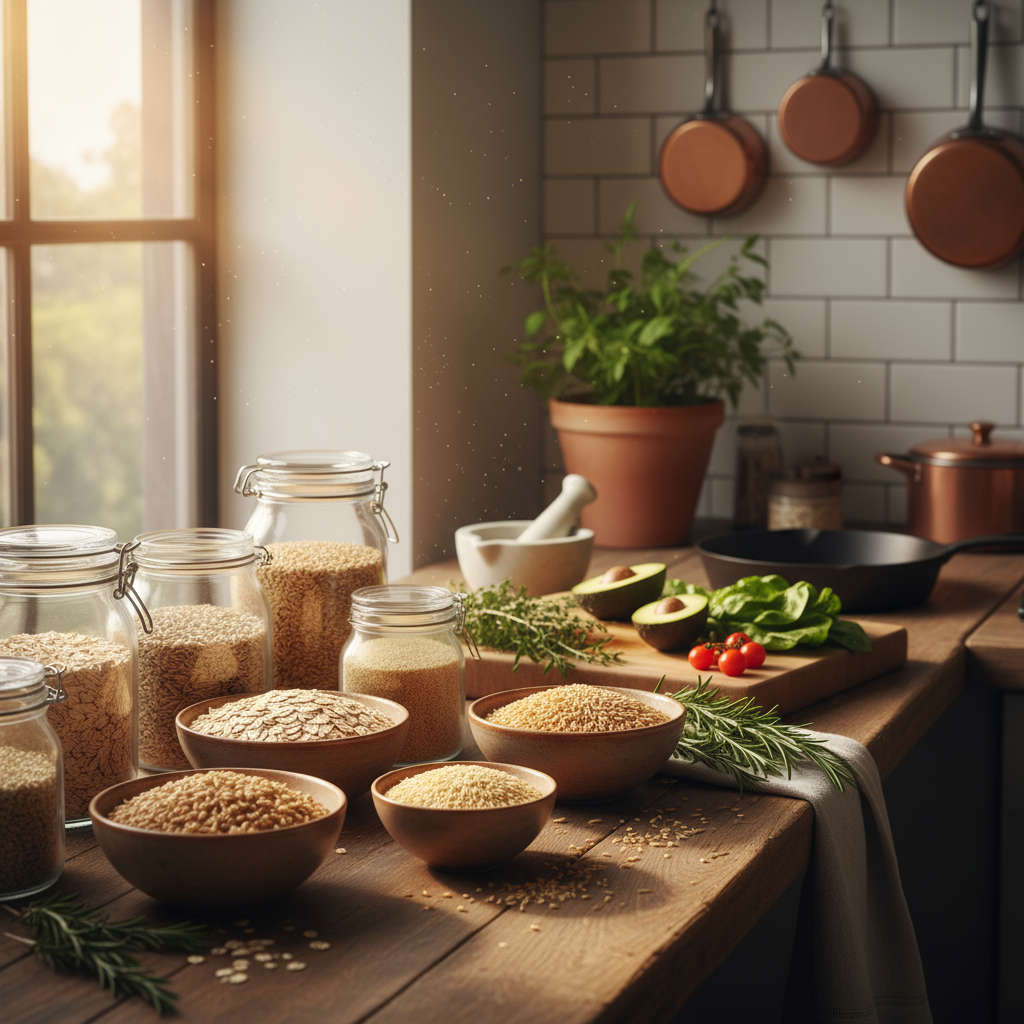
Now, shopping for whole grains—this is where you need to become a bit of a detective. Here’s your secret weapon: always check that “whole grain” is the first ingredient listed. That’s your guarantee you’re getting the real deal. Watch out for sneaky marketing terms like “multigrain” or just plain “wheat”—they sound healthy but don’t necessarily mean whole grain. (Trust me, food companies love to play these word games.) Look at the fiber content per serving—higher numbers are your friend. Keep it simple with minimal processing and avoid products with a laundry list of additives. Pro tip: buying in bulk is often cheaper and lets you check freshness more easily. Storage is simple but important—airtight containers in a cool, dry spot will keep your grains fresh and nutritious for months. Want to boost your fiber game even more? Check out these practical tips for increasing fiber intake—it’ll help you build a foundation for healthier eating that actually sticks.
Key Aspects of Whole Grain Selection
Here’s what you need to know to choose and use whole grains like a pro:
- Variety and Nutritional Diversity: Don’t get stuck in a rut with just one type of grain. Mixing it up gives you a wider range of nutrients, antioxidants, and fibers—each one supporting your body in slightly different ways.
- Understanding Labels and Ingredients: Become a label-reading ninja. Learn to spot the real whole grains and avoid the imposters that just want to look healthy on the shelf.
- Storage and Shelf Life: Keep your grains happy in sealed containers away from heat and moisture. It’s a simple step that preserves both nutrition and flavor.
- Cooking and Preparation Ease: Some grains are weeknight-friendly (hello, quick oats), while others are weekend project material. Knowing which is which makes meal planning so much easier.

Here’s the thing about whole grains—they’re not just another health trend. When you choose foods that keep their bran, germ, and endosperm intact, you’re getting a complete package of fiber, vitamins, minerals, and antioxidants. And the benefits? They’re pretty impressive. Your heart will thank you (whole grains help manage cholesterol and blood pressure), your digestive system gets the support it needs, and you’ll likely find it easier to maintain a healthy weight. That fiber keeps you satisfied longer and helps steady your blood sugar. Plus, when you pair whole grains with other smart food choices, you’re building a foundation for sustained energy and even sharper mental focus.
The variety might surprise you. Sure, there’s brown rice and oats—but have you tried quinoa or barley lately? Each grain brings something unique to the table nutritionally. Shopping smart means reading those labels and looking for minimally processed options with solid fiber content. The key is learning to prepare them in ways that actually taste good and fit into your real life. (Nobody has time for complicated recipes every night.) Start slowly though—your digestive system needs time to adjust, and you’ll avoid any uncomfortable bloating that can happen when you ramp up fiber too quickly.
Ready to take action? Start by exploring comprehensive guides on crafting a healthy nutrition plan that integrates balanced meals and mindful habits to support long-term wellness and vitality. Want to understand how food affects your brain and mood? Check out the insights from nutrition and mental health, which details key nutrients and strategies to boost cognitive function naturally. Since fiber is such a game-changer with whole grains, our guide on the importance of dietary fiber offers practical advice to help you optimize your intake effectively. And to round out your health journey, adopting recommended fitness tips for weight loss will support your goals through sustainable exercise.
Look, making whole grains part of your daily routine isn’t about perfect eating—it’s about giving yourself a powerful tool for better health. You’ve got the knowledge and resources now. The rest is up to you. Remember, this journey doesn’t happen overnight, and that’s okay. Stay curious, keep experimenting with new grains, and combine good nutrition with movement and mindfulness. Your future self will definitely appreciate the effort you’re putting in today.
Frequently Asked Questions
-
What counts as a whole grain?
- Whole grains contain all parts of the grain kernel—bran, germ, and endosperm. Examples include brown rice, oats, quinoa, and barley.
-
Can whole grains help with weight loss?
- Yes, whole grains promote satiety, stabilize blood sugar, and support metabolism, making weight management easier when combined with a healthy lifestyle.
-
Are there any side effects from eating whole grains?
- Some people may experience digestive adjustments like bloating if fiber intake increases too quickly. Gradually adding whole grains helps minimize discomfort.
-
How much whole grain should I eat daily?
- A general guideline is to consume at least three servings of whole grains per day, but individual needs vary based on age, activity, and health goals.
-
What’s the best way to store whole grains?
- Store whole grains in airtight containers in a cool, dry place to maintain freshness and prevent spoilage for several months.