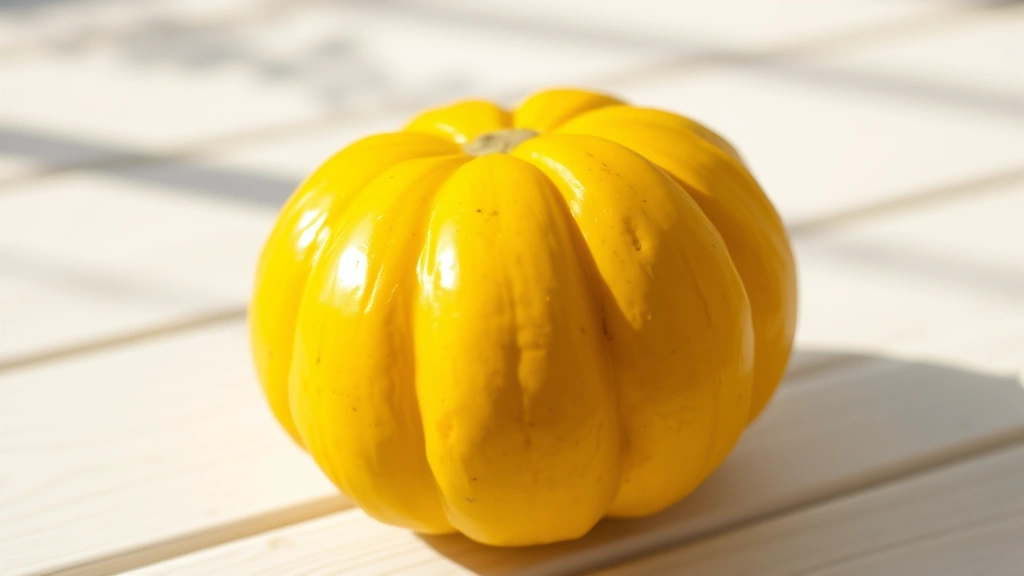
Yellow Squash Benefits? Dietitian Insights on Nutrition Facts
Yellow squash stands as one of the most underrated vegetables in the modern diet, yet it delivers impressive nutritional value that deserves attention from health-conscious eaters. This bright, versatile summer squash offers a remarkable combination of vitamins, minerals, and phytonutrients that support multiple aspects of human health. Whether roasted, grilled, or incorporated into soups and stir-fries, yellow squash provides substantial benefits without the caloric density of many other foods. Understanding yellow squash nutrition facts helps explain why dietitians consistently recommend this produce to clients seeking to optimize their eating patterns.
The vegetable’s appeal extends beyond its nutritional profile to its accessibility and culinary flexibility. Yellow squash grows abundantly during summer months, making it affordable and environmentally conscious choice for seasonal eating. Its mild flavor integrates seamlessly into diverse cuisines and dietary approaches, from keto meal plans to plant-based diets. This comprehensive guide explores the specific health benefits of yellow squash, breaks down its complete nutrient composition, and provides practical guidance for maximizing its potential in your daily nutrition strategy.
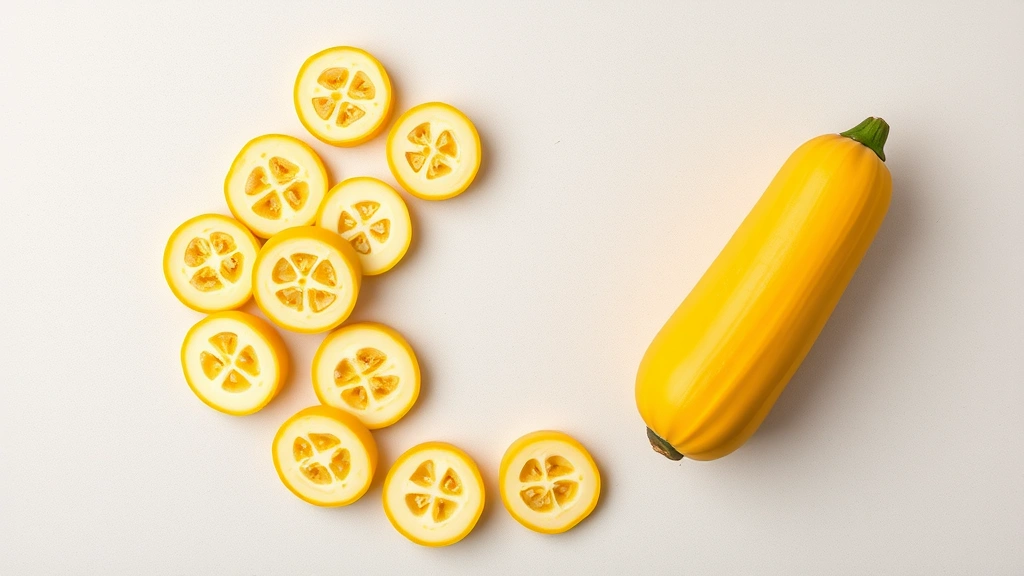
Complete Nutritional Profile of Yellow Squash
One medium yellow squash (approximately 130 grams raw) contains roughly 21 calories, making it an exceptionally low-calorie food suitable for virtually any dietary approach. This minimal caloric load comes paired with substantial nutritional density, a characteristic that distinguishes yellow squash from many snack foods. The macronutrient breakdown reveals 3.7 grams of carbohydrates, 1.4 grams of protein, and 0.4 grams of fat per medium squash. These numbers immediately signal that yellow squash functions as a carbohydrate source primarily, though the carbohydrates present include valuable fiber rather than simple sugars.
The carbohydrate content in yellow squash deserves closer examination because it demonstrates the importance of looking beyond basic macronutrient labels. Of the 3.7 grams of carbohydrates, approximately 1.2 grams consist of dietary fiber. This means the net carbohydrate content—calculated by subtracting fiber from total carbohydrates—reaches only about 2.5 grams per medium squash. For individuals following low-carbohydrate or ketogenic diets, this makes yellow squash an excellent vegetable choice that provides volume and nutrition without significantly impacting blood glucose levels. The remaining carbohydrates include naturally occurring sugars like glucose and fructose, present in minimal amounts that pose no concern for most dietary patterns.
Comparing yellow squash to related vegetables illuminates its unique position within the squash family. Unlike winter squash varieties such as butternut or acorn squash, which contain substantially more carbohydrates and calories due to their starch content, yellow squash maintains a summer squash classification that emphasizes water content and nutrient density. This distinction matters significantly for dietary planning, as winter squashes function more like starchy vegetables while yellow squash operates as a non-starchy option. Understanding this classification helps explain why yellow squash appears frequently in various dietary protocols, from Mediterranean eating patterns to strict carbohydrate-restricted approaches.
Vitamin and Mineral Content
The micronutrient composition of yellow squash extends well beyond the basic vitamins typically associated with vegetables. Vitamin A content in yellow squash, derived primarily from beta-carotene, provides approximately 4,550 IU (International Units) per medium squash, representing roughly 9% of the daily recommended intake for adults. Beta-carotene functions as a precursor to vitamin A, meaning the body converts this compound into active vitamin A as needed. This conversion mechanism provides safety because excess beta-carotene does not accumulate to toxic levels, unlike preformed vitamin A from animal sources. The yellow pigmentation visible in the squash flesh directly correlates with beta-carotene concentration, making color an indicator of nutrient density.
Vitamin C content reaches approximately 20 milligrams per medium yellow squash, equating to roughly 33% of the daily recommended intake for adult women and 27% for adult men. This water-soluble vitamin plays essential roles in immune function, collagen synthesis, and antioxidant protection. Unlike some vegetables that lose vitamin C during storage or cooking, yellow squash maintains reasonable vitamin C levels, particularly when prepared using gentle cooking methods like steaming or light sautéing. Raw consumption provides maximum vitamin C retention, though cooked yellow squash still delivers meaningful quantities of this nutrient.
The mineral profile of yellow squash includes potassium, magnesium, manganese, and phosphorus in noteworthy amounts. Potassium content approximates 295 milligrams per medium squash, contributing to cardiovascular health and blood pressure regulation. Magnesium, present at roughly 18 milligrams per medium squash, supports muscle function, bone health, and metabolic processes. Manganese, though needed only in small quantities, appears at 0.19 milligrams per medium squash and participates in bone development and metabolic enzyme function. These minerals work synergistically with the vitamins present to create comprehensive nutritional support for multiple body systems.
B-complex vitamins in yellow squash include B6, folate, and pantothenic acid, though in modest quantities. Vitamin B6 supports neurotransmitter synthesis and immune function, while folate participates in DNA synthesis and cell division. For pregnant women, adequate folate intake proves particularly important for fetal development, making yellow squash a valuable addition to prenatal nutrition plans. The combination of B vitamins supports energy metabolism, helping the body efficiently convert food into usable energy.
Antioxidants and Phytonutrients
Beyond conventional vitamins and minerals, yellow squash contains diverse phytonutrients—plant compounds with bioactive properties—that contribute significantly to its health benefits. Lutein and zeaxanthin, carotenoid compounds that appear yellow and orange in plant tissues, concentrate heavily in yellow squash flesh. These specific carotenoids have attracted substantial research attention due to their role in protecting eye health and supporting vision function. The concentration of these compounds in yellow squash exceeds many other commonly consumed vegetables, establishing this humble summer produce as a legitimate superfood for ocular health.
Flavonoids represent another important class of phytonutrients present in yellow squash, including quercetin and kaempferol. These compounds demonstrate antioxidant and anti-inflammatory properties in laboratory and animal studies, though human research remains ongoing. The mechanism through which flavonoids operate involves neutralizing free radicals—unstable molecules that damage cells and contribute to aging and chronic disease. By consuming flavonoid-rich foods like yellow squash regularly, individuals may reduce their cumulative oxidative stress burden. This protective effect appears particularly relevant for individuals with elevated disease risk or those seeking preventive health strategies.
The polyphenol content in yellow squash skin contributes meaningfully to the vegetable’s antioxidant capacity. Consequently, consuming yellow squash with skin intact maximizes phytonutrient intake. Organic cultivation practices may yield squash with higher phytonutrient concentrations, though conventional yellow squash still provides substantial benefits. The combination of beta-carotene, lutein, zeaxanthin, flavonoids, and other minor phytonutrients creates a synergistic antioxidant environment that supports cellular health and may reduce chronic disease risk.
Digestive Health Benefits
The dietary fiber content in yellow squash plays a foundational role in supporting digestive system function. Approximately 1.2 grams of fiber per medium squash may seem modest in absolute terms, but when consumed as part of a varied diet including other fibrous foods, yellow squash contributes meaningfully to total daily fiber intake. Dietary fiber functions through multiple mechanisms to support digestive health: it increases stool bulk, promotes regular bowel movements, feeds beneficial gut bacteria, and helps maintain stable blood glucose levels.
The specific type of fiber in yellow squash includes both soluble and insoluble varieties. Insoluble fiber, which passes through the digestive tract largely unchanged, provides bulk that stimulates peristalsis—the muscular contractions that move food through the intestines. This mechanical action promotes regular elimination and prevents constipation. Soluble fiber, conversely, dissolves in water to form a gel-like substance that slows gastric emptying and promotes satiety. This combination of fiber types makes yellow squash particularly effective for supporting digestive regularity and overall gut function.
Beyond direct mechanical effects, the fiber in yellow squash feeds beneficial bacteria in the colon, a process called fermentation. These bacteria produce short-chain fatty acids like butyrate, which nourish colonocytes (colon cells) and support intestinal barrier function. A healthy intestinal barrier prevents harmful bacteria and toxins from crossing into the bloodstream, reducing systemic inflammation and supporting immune function. By consuming yellow squash regularly as part of a fiber-rich diet, individuals invest in long-term digestive and immune system health.
The water content of yellow squash—approximately 94%—further supports digestive health by promoting hydration. Adequate hydration enables the colon to absorb water appropriately, preventing both diarrhea and constipation. This hydrating quality makes yellow squash particularly beneficial during hot months when dehydration risk increases. The combination of high water content, fiber, and minerals creates an ideal food for supporting digestive system function and overall hydration status.
Weight Management and Satiety
The caloric density of yellow squash positions it as an excellent food for individuals pursuing weight management goals. At approximately 21 calories per medium squash, yellow squash allows generous portion sizes without significant caloric accumulation. This characteristic becomes particularly valuable when considering satiety—the sense of fullness that prevents overeating. Yellow squash provides volume and mass that activates stretch receptors in the stomach, signaling fullness to the brain despite minimal caloric intake.
The fiber and water content work synergistically to enhance satiety beyond what calorie counting alone would predict. When consuming yellow squash as part of meals, individuals typically feel satisfied with smaller overall portions of higher-calorie foods. This effect makes yellow squash particularly valuable in weight management strategies that emphasize whole foods and dietary patterns rather than strict calorie restriction. By increasing vegetable consumption, particularly low-calorie options like yellow squash, individuals naturally reduce caloric intake without experiencing the deprivation associated with traditional dieting.
Research on vegetable consumption and weight management consistently demonstrates that individuals who consume adequate vegetables maintain healthier weights than those with lower vegetable intake. Yellow squash’s nutritional profile—particularly its combination of low calories, high water content, and fiber—makes it an ideal vegetable for supporting this relationship. The minimal protein content does not pose a limitation because yellow squash typically accompanies other protein sources in meals, creating balanced nutrition without excessive protein at any single meal.
The glycemic impact of yellow squash warrants specific attention in the context of weight management. Foods with high glycemic indices cause rapid blood glucose spikes that trigger insulin release and promote fat storage. Yellow squash, with its minimal net carbohydrate content and high fiber proportion, maintains a low glycemic load that prevents these metabolic disturbances. This characteristic makes yellow squash suitable for individuals with insulin resistance, prediabetes, or type 2 diabetes who must carefully manage blood glucose levels. Regular consumption supports stable energy levels and reduces cravings for sugary foods driven by blood glucose fluctuations.
Eye Health and Vision Support
The concentration of lutein and zeaxanthin in yellow squash establishes this vegetable as a nutritional powerhouse for eye health. These carotenoids accumulate in the macula—the region of the retina responsible for central vision and fine detail perception. The macula lutea, literally “yellow spot,” derives its name from the yellow coloration created by accumulated lutein and zeaxanthin. These compounds protect the macula from oxidative damage caused by blue light exposure and free radicals, reducing the risk of age-related macular degeneration (AMD), a leading cause of vision loss in older adults.
The protective mechanism through which lutein and zeaxanthin operate involves several pathways. These carotenoids function as blue light filters, absorbing harmful wavelengths before they damage photoreceptor cells. Simultaneously, they act as antioxidants, neutralizing free radicals generated during normal metabolic processes and by external factors like UV radiation. Research published in medical journals demonstrates that individuals with higher dietary intakes of lutein and zeaxanthin show lower AMD prevalence and slower disease progression when already present.
Beyond macular degeneration prevention, lutein and zeaxanthin support overall vision quality by reducing glare sensitivity and improving contrast sensitivity. These benefits prove particularly valuable for individuals spending extended periods in front of screens, where blue light exposure accumulates substantially. The American Academy of Ophthalmology recognizes the importance of lutein and zeaxanthin in eye health, making yellow squash consumption a practical dietary strategy for vision protection.
The bioavailability of lutein and zeaxanthin from yellow squash improves when consumed with dietary fat. The fat-soluble nature of these carotenoids means they require lipid presence for optimal absorption in the small intestine. Preparing yellow squash with olive oil, consuming it alongside nuts or avocado, or including it in meals containing other fat sources maximizes the ocular benefits of these protective compounds. This nutritional consideration emphasizes the importance of consuming vegetables within balanced meals rather than in isolation.
Cardiovascular Health Benefits
The cardiovascular benefits of yellow squash consumption emerge from multiple nutritional components working synergistically. The potassium content supports healthy blood pressure regulation by counteracting sodium’s hypertensive effects and promoting vasodilation. The fiber content helps manage cholesterol levels by binding to cholesterol particles in the digestive tract and promoting their elimination. The phytonutrients and antioxidants reduce systemic inflammation, a key driver of atherosclerotic plaque development and cardiovascular disease progression.
Research on vegetable consumption and cardiovascular health consistently demonstrates that higher intake correlates with reduced heart disease and stroke risk. A comprehensive review examining dietary patterns and cardiovascular outcomes identified vegetable consumption as one of the most protective dietary factors. Yellow squash, as a low-calorie, nutrient-dense vegetable, contributes meaningfully to these protective effects. The minimal sodium content and absence of unhealthy fats make yellow squash appropriate for individuals following heart-healthy dietary patterns like those recommended by the American Heart Association.
The anti-inflammatory properties of yellow squash deserve particular emphasis in the cardiovascular context. Chronic inflammation underlies many cardiovascular pathologies, from atherosclerosis to heart failure. The flavonoids and other phytonutrients in yellow squash suppress inflammatory pathways, reducing circulating inflammatory markers like C-reactive protein. Over time, regular consumption of anti-inflammatory foods like yellow squash may substantially reduce cardiovascular disease risk, particularly for individuals with metabolic syndrome or other inflammatory conditions.
Weight management benefits derived from yellow squash consumption indirectly support cardiovascular health by reducing obesity-related cardiovascular burden. Excess adipose tissue promotes inflammation, increases blood pressure, and worsens lipid profiles. By facilitating weight management through satiety and low caloric density, yellow squash addresses multiple cardiovascular risk factors simultaneously. This multifaceted approach to cardiovascular protection exemplifies how single foods can influence complex physiological systems through diverse nutritional mechanisms.
Selection, Storage, and Preparation
Choosing high-quality yellow squash begins with visual assessment. Select squash that displays bright, vibrant yellow coloration without dull patches or dark spots. The skin should feel firm when gently pressed, indicating freshness and nutritional vitality. Avoid squash with soft spots, wrinkled skin, or excessive blemishes, as these suggest decay or nutrient loss. Smaller to medium-sized squash typically offer better texture and flavor than very large specimens, which may contain tough seeds and watery flesh. Purchase squash from farmers’ markets when possible to access locally grown produce with minimal transportation and storage time.
Storage conditions significantly impact yellow squash’s nutritional preservation. Refrigerate unwashed squash in the crisper drawer, where it remains fresh for approximately one week. Do not wash squash before storage, as excess moisture promotes mold growth and decay. The cool, humid environment of the crisper drawer mimics natural storage conditions that slow respiration and nutrient degradation. For longer storage, blanching and freezing yellow squash extends usability to several months, though some texture changes occur during freezing.
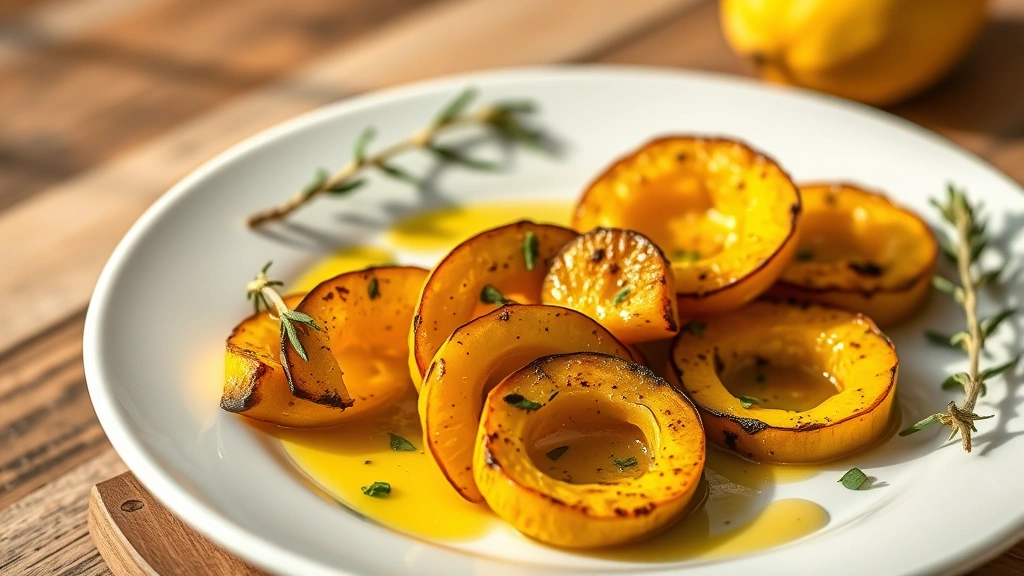
Preparation methods influence nutrient retention and bioavailability. Gentle cooking methods like steaming preserve water-soluble vitamins better than prolonged boiling. Roasting yellow squash with olive oil enhances the bioavailability of fat-soluble carotenoids while developing complex flavors through the Maillard reaction. Raw consumption maximizes vitamin C and enzyme content, though some individuals find raw squash less palatable than cooked preparations. Incorporating fat sources like avocado or olive oil with yellow squash preparation ensures optimal nutrient absorption regardless of preparation method.
Creative preparation approaches expand yellow squash’s culinary applications. Spiralizing creates noodle-like strands suitable for pasta dishes, increasing vegetable intake in traditionally grain-heavy meals. Grilling imparts smoky flavors and attractive grill marks while maintaining nutritional integrity. Incorporating yellow squash into soups, stir-fries, and casseroles distributes the vegetable throughout meals, ensuring consistent consumption. Pickling yellow squash creates preserved preparations suitable for extended storage and adds probiotic benefits if fermented rather than vinegar-pickled. These diverse preparation methods prevent palate fatigue and encourage consistent consumption.
The digestive benefits of yellow squash maximize when consumed as part of varied meals rather than in isolation. Pairing yellow squash with complete protein sources creates nutritionally balanced meals that support satiety and blood glucose stability. Combining yellow squash with other colorful vegetables creates synergistic phytonutrient combinations that exceed the benefits of single-vegetable consumption. This dietary diversity approach aligns with evidence-based nutritional science emphasizing food variety and whole-food consumption.
FAQ
How much yellow squash should I consume daily for health benefits?
Nutritional guidelines recommend consuming 2.5 to 3 cups of vegetables daily, with variety across color categories. Yellow squash can contribute meaningfully to these recommendations, though consuming 1-2 medium squash daily alongside other vegetables provides optimal benefits. Individual needs vary based on age, sex, activity level, and health status, so consulting with a registered dietitian personalizes recommendations.
Can yellow squash help with blood sugar management?
Yes, yellow squash’s low glycemic load and high fiber content make it excellent for blood sugar management. The minimal net carbohydrate content prevents rapid blood glucose spikes, while the fiber promotes stable glucose levels. Individuals with diabetes or prediabetes can consume yellow squash freely without concern about blood glucose disruption, making it an ideal vegetable for metabolic health.
Is organic yellow squash significantly more nutritious than conventional?
While organic yellow squash may contain slightly higher phytonutrient concentrations due to different cultivation practices, both organic and conventional yellow squash provide substantial nutritional benefits. The most important factor is consuming adequate vegetables regardless of cultivation method. Budget constraints should not prevent yellow squash consumption; conventional varieties offer excellent nutrition at lower cost.
How does yellow squash compare to zucchini nutritionally?
Yellow squash and zucchini share nearly identical nutritional profiles, both being summer squash varieties with low calories, high water content, and similar micronutrient compositions. The primary difference involves carotenoid concentrations, with yellow squash containing slightly higher lutein and zeaxanthin due to its yellow pigmentation. Either variety supports health effectively; selecting both provides diverse phytonutrient exposure.
Can I eat yellow squash skin?
Yes, yellow squash skin is entirely edible and contains valuable fiber and phytonutrients, particularly in the outer layers. Consuming skin intact maximizes nutritional benefits. Wash squash thoroughly under running water and use a clean brush to remove soil before consuming. Organic yellow squash from trusted sources may pose lower pesticide residue concerns, though thorough washing reduces exposure regardless of cultivation method.
Does cooking yellow squash destroy its nutrients?
Cooking methods significantly influence nutrient retention. Gentle steaming preserves most vitamins and phytonutrients effectively. Prolonged boiling leaches water-soluble vitamins into cooking water, reducing nutritional value. Roasting with oil enhances fat-soluble carotenoid bioavailability. Consuming both raw and cooked yellow squash throughout the week maximizes nutrient intake across different micronutrient categories.
What’s the best way to incorporate yellow squash into a weight loss diet?
Yellow squash’s low caloric density and high water content make it ideal for weight management. Use spiralized yellow squash as a low-calorie pasta substitute, add diced squash to omelets and breakfast scrambles, or include roasted squash in grain bowls. The key involves consuming generous portions that provide volume and satiety without caloric excess, naturally reducing overall meal caloric content.
Are there any contraindications or groups who should avoid yellow squash?
Yellow squash presents minimal safety concerns for most individuals. Those with severe nightshade sensitivities should note that squash belongs to the Cucurbitaceae family rather than Solanaceae, so nightshade sensitivity does not apply. Individuals taking certain medications affecting potassium levels should consult healthcare providers, though yellow squash’s potassium content rarely poses concerns. Allergic reactions to yellow squash remain extremely rare but warrant medical attention if symptoms develop.


