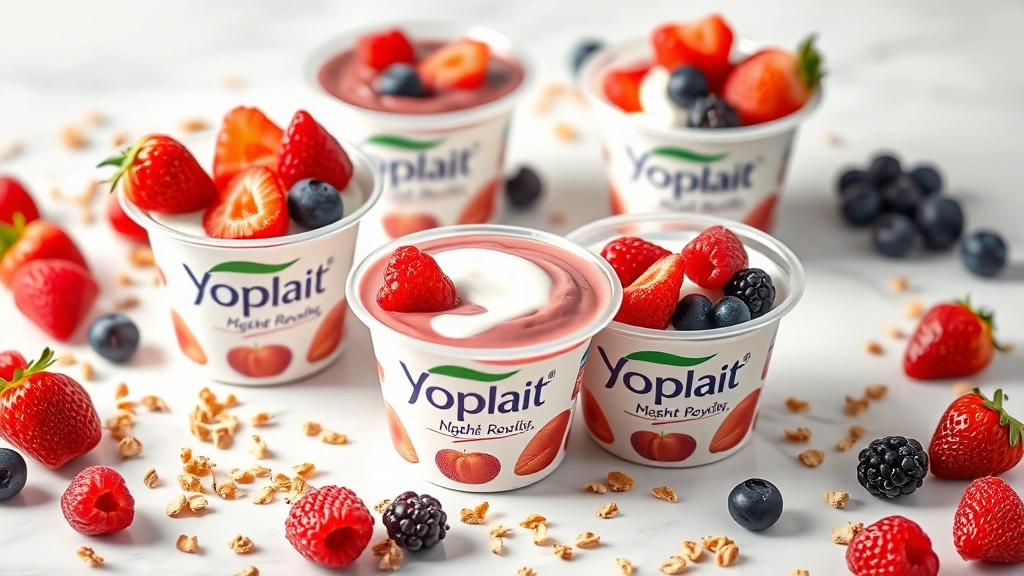
Yoplait Yogurt: Nutritional Breakdown Explained
Yoplait yogurt stands as one of America’s most recognizable dairy brands, found in refrigerators across the nation. Understanding what’s actually in your yogurt cup goes beyond marketing claims and colorful packaging. This comprehensive breakdown examines the nutritional profile of Yoplait products, helping consumers make informed decisions about their daily intake.
The yogurt market has evolved significantly over the past decade. From traditional plain varieties to elaborate fruit-flavored blends and protein-enhanced formulas, Yoplait offers multiple product lines targeting different dietary preferences and health goals. Whether you’re consuming their Original line, Greek yogurt variants, or specialized products, knowing the nutritional content empowers better food choices aligned with your wellness objectives.
Yoplait Yogurt Product Lines Overview
Yoplait operates several distinct product categories, each with different nutritional specifications. The Original line represents their foundational offering, featuring traditional yogurt with fruit preparations. Their Greek yogurt line caters to protein-conscious consumers seeking thicker, more concentrated dairy products. Additionally, Yoplait offers light versions, dairy-free alternatives, and specialized formulations targeting specific demographics.
Understanding which Yoplait product you’re consuming matters significantly for nutritional assessment. A six-ounce Original strawberry cup differs substantially from their Greek yogurt equivalent in protein density, fat content, and caloric load. The brand’s expansion into plant-based options reflects broader market trends toward inclusive nutrition options. When evaluating nutritional information on food products, product-line awareness becomes your first analytical step.
Each category targets different consumer needs. Original Yoplait appeals to traditional yogurt consumers preferring familiar flavors and textures. Greek varieties attract fitness enthusiasts and high-protein diet followers. Light versions serve calorie-conscious individuals, while their plant-based options address lactose intolerance and vegan dietary requirements. This diversification means no single nutritional profile encompasses the entire Yoplait portfolio.
Caloric Content Analysis
Caloric density varies considerably across Yoplait’s product range. Standard Original yogurt cups typically contain 100-150 calories per serving, making them relatively modest contributors to daily caloric intake. However, their Greek yogurt variants generally range from 130-180 calories per serving due to higher protein concentration and reduced whey content.
The light and low-fat versions represent the lower end of the caloric spectrum, often containing 80-100 calories per six-ounce serving. These products achieve reduced calorie counts through fat removal and sugar substitution with artificial sweeteners. Conversely, full-fat varieties and specialty flavors can exceed 180 calories, particularly when combined with granola additions or dessert-inspired preparations.
Caloric consideration becomes especially relevant when yogurt serves as meal components rather than standalone snacks. A single cup added to your breakfast routine contributes meaningfully to total daily consumption, particularly when combined with other foods. Understanding these metrics helps integrate yogurt thoughtfully into broader nutritional plans for sustained wellness. Portion control and product selection directly influence overall energy balance.

Protein and Amino Acid Profile
Protein content distinguishes yogurt products significantly within Yoplait’s lineup. Original yogurt delivers approximately 3-4 grams of protein per serving, derived from milk’s natural casein and whey proteins. This modest amount contributes to daily protein requirements but doesn’t substantially elevate yogurt’s role in muscle synthesis or recovery contexts.
Greek yogurt represents a substantial upgrade in protein delivery, typically containing 15-20 grams per serving through concentration methods that remove excess whey. This higher protein density makes Greek varieties particularly appealing to athletes, fitness enthusiasts, and individuals following high-protein dietary approaches. The increased protein also enhances satiety, potentially reducing overall caloric consumption through improved appetite regulation.
All yogurt proteins contain complete amino acid profiles, including essential amino acids your body cannot synthesize independently. This completeness makes yogurt a legitimate protein source, though the quantity in Original varieties remains modest compared to meat, fish, or egg alternatives. When building a comprehensive protein strategy, yogurt serves best as supplementary rather than primary protein sources, unless consuming Greek variants consistently throughout the day.
The amino acid composition also supports muscle recovery and immune function. Leucine, a branched-chain amino acid prominent in dairy proteins, plays particular importance in muscle protein synthesis activation. While yogurt alone won’t drive significant muscle adaptation, regular consumption contributes meaningfully to cumulative amino acid intake supporting tissue maintenance and adaptation.
Sugar Content Concerns
Sugar concentration represents perhaps the most contentious nutritional aspect of flavored yogurt products. Standard Yoplait Original flavored varieties contain 15-25 grams of sugar per serving, primarily from added sugars rather than lactose alone. This places a single cup at substantial portions of recommended daily sugar intake, particularly for children and individuals managing blood sugar levels.
The distinction between natural lactose sugars and added sugars matters significantly for nutritional assessment. While yogurt’s base milk contains approximately 12 grams of naturally occurring lactose per serving, flavored varieties nearly double this through fruit preparations, syrups, and sweetening agents. Plain Yoplait varieties demonstrate this dramatically, containing only naturally occurring sugars without additional sweetening.
Light versions address sugar concerns through artificial sweetener substitution, reducing total sugars to 5-8 grams while maintaining flavor intensity. However, this approach introduces aspartame, sucralose, or other synthetic sweetening compounds, creating alternative health considerations for some consumers. The trade-off between sugar reduction and artificial ingredient introduction reflects broader dietary philosophy differences rather than objective nutritional superiority.
Recent research indicates excessive added sugar consumption correlates with increased obesity, type 2 diabetes, and dental health complications. A comprehensive dietary analysis suggests regular consumption of high-sugar yogurts contributes meaningfully to total daily sugar intake for many Americans. Consumers prioritizing metabolic health benefit from plain varieties or strategic light product selection rather than defaulting to traditional flavored options.
Fat Composition and Dairy Quality
Fat content varies dramatically across Yoplait’s product spectrum, from less than one gram in nonfat varieties to 5+ grams in full-fat versions. This variation reflects different production methods and consumer preferences regarding mouthfeel, satiety, and perceived indulgence. Understanding fat composition requires moving beyond simplistic “low-fat is healthier” narratives that dominated previous decades.
Full-fat yogurt varieties contain primarily milk fat, including saturated fats and beneficial compounds like butyric acid and conjugated linoleic acid. These components support gut health, immune function, and potentially aid satiety more effectively than their low-fat counterparts. Recent nutritional science increasingly challenges the automatic superiority of low-fat dairy products, acknowledging fat’s legitimate role in nutrient absorption and hormone regulation.
Nonfat and low-fat versions often compensate for removed fat through added sugars, starches, or modified food starch for texture preservation. This substitution creates products potentially less satisfying than full-fat alternatives despite lower caloric content. Some consumers find full-fat varieties support better appetite control, ultimately leading to lower overall caloric consumption despite higher per-serving fat content.
The dairy source quality influences fat composition’s nutritional value. Grass-fed dairy contains higher omega-3 fatty acid concentrations compared to conventional grain-fed operations. While Yoplait sources vary geographically, understanding where your yogurt originates provides context for fat profile interpretation. This connects to broader omega-3 fatty acid benefits research demonstrating these compounds’ importance for cardiovascular and neurological health.
Vitamins and Minerals
Yogurt naturally contains several essential micronutrients while often receiving fortification additions. Calcium represents yogurt’s most prominent mineral contribution, with a single serving providing 15-20% of recommended daily intake depending on product variety. This calcium supports bone density maintenance, particularly important for aging populations and young people developing peak bone mass.
Vitamin B12 appears prominently in yogurt’s micronutrient profile, supporting neurological function and red blood cell formation. A single serving provides meaningful B12 contributions, particularly valuable for vegetarians and vegans incorporating dairy products. Riboflavin (B2) and pantothenic acid (B5) also appear in measurable quantities, supporting energy metabolism and cellular function.
Phosphorus and potassium contribute to electrolyte balance and cellular function, though often in modest quantities relative to daily requirements. Some Yoplait varieties receive additional fortification with vitamin D, enhancing calcium absorption and supporting immune function. This fortification reflects recognition of widespread vitamin D insufficiency across populations with limited sun exposure.
Magnesium content, while not prominently highlighted, contributes to muscle function, energy production, and stress response regulation. The combination of multiple micronutrients makes yogurt a reasonably comprehensive nutritional vehicle, though not exceptional for any single nutrient compared to alternatives. When incorporated into broader nutrition strategies supporting cognitive and physical wellness, yogurt’s micronutrient contributions accumulate meaningfully.

Probiotics and Digestive Health
Probiotics represent yogurt’s most distinctive nutritional feature, distinguishing it from other dairy products. These beneficial bacteria support digestive function, immune response, and potentially broader health outcomes. Yoplait products contain live and active cultures, typically including Lactobacillus bulgaricus and Streptococcus thermophilus as standard yogurt cultures, with additional strains in specialized formulations.
The specific probiotic strains matter considerably for potential health benefits. Different Lactobacillus and Bifidobacterium species demonstrate varying abilities to survive stomach acid, colonize intestinal environments, and produce beneficial metabolites. Yoplait’s standard cultures provide foundational probiotic benefits, though specialized products targeting specific health outcomes may include additional or alternative strains with more robust research support.
Probiotic viability depends significantly on storage conditions and product age. Live cultures gradually decline during shelf storage, meaning freshly produced yogurt contains higher viable bacterial counts than products nearing expiration dates. Temperature stability matters critically—frozen yogurt products contain inactive cultures, while shelf-stable products undergo heat treatment eliminating live bacteria entirely.
Research increasingly demonstrates probiotics’ roles in immune function, digestive comfort, and potentially mood regulation through gut-brain axis mechanisms. However, individual responses vary considerably based on existing microbiome composition, dietary patterns, and genetic factors. Yogurt consumption contributes to probiotic exposure without guaranteeing specific health transformations, particularly when consumed irregularly or in limited quantities.
Comparison with Competitors
The yogurt market extends far beyond Yoplait, featuring competitors like Dannon, Chobani, Fage, Siggi’s, and numerous private-label options. Each competitor emphasizes different nutritional priorities, creating meaningful differentiation for informed consumers. Dannon’s traditional yogurt occupies similar market positioning to Yoplait Original, while Chobani emphasizes Greek yogurt’s protein density.
Siggi’s Icelandic-style yogurt offers higher protein concentrations than Greek varieties while maintaining lower sugar content, appealing to consumers prioritizing both metrics. Fage similarly emphasizes higher protein with reduced sugar, though at premium price points. Private-label yogurts often match or exceed competitors’ nutritional profiles at lower costs, though typically receiving less marketing emphasis.
Nutritional comparison reveals Yoplait’s positioning as a mainstream, balanced option rather than category leader in any specific metric. Their Original line contains moderate protein, moderate-to-high sugar, and modest fat—appealing to traditional consumers rather than specialized diet followers. Greek varieties compete more directly with premium brands, though often at lower price points with comparable nutritional profiles.
Price-to-nutrition analysis often favors private-label options, which frequently match or exceed Yoplait’s nutritional specifications at 20-30% cost premiums. This reflects brand marketing investments rather than nutritional superiority. Consumers prioritizing specific metrics—maximum protein, minimum sugar, probiotic diversity—may benefit from exploring alternatives beyond Yoplait’s traditional offerings while maintaining similar price points or better value propositions.
Integration into Healthy Eating Patterns
Yogurt’s optimal role emerges within comprehensive dietary patterns rather than as isolated nutritional solution. Plain varieties mixed with fresh fruit, nuts, and seeds create nutritionally superior combinations compared to pre-sweetened flavored cups. This approach controls sugar addition while increasing fiber, healthy fat, and micronutrient density through whole-food components.
Yogurt functions effectively as protein source within breakfast contexts, particularly when combined with whole grains and fruit. A Greek yogurt bowl with berries and granola provides balanced macronutrients supporting sustained energy and satiety compared to refined carbohydrate-focused breakfast alternatives. This integration demonstrates yogurt’s value within structured meal planning approaches.
For consumers following strategic meal planning methodologies, yogurt selection should align with broader dietary objectives. Those prioritizing protein intake benefit from Greek varieties, while individuals managing blood sugar prefer plain options with minimal sugar addition. This intentional selection reflects nutritional literacy superseding automatic consumption patterns.
Yogurt consumption frequency matters as much as individual product selection. Regular consumption of high-sugar varieties contributes cumulatively to overall sugar intake, while occasional consumption remains relatively inconsequential. Conversely, consistent plain yogurt consumption with thoughtful additions supports sustained nutritional benefits without requiring dietary perfection or elimination.
FAQ
How much protein does Yoplait yogurt contain?
Standard Yoplait Original yogurt contains approximately 3-4 grams of protein per six-ounce serving. Greek yogurt varieties provide 15-20 grams, making them substantially more protein-dense. Protein content varies by specific product line and serving size, so checking individual labels ensures accurate information for your chosen variety.
Is Yoplait yogurt suitable for lactose-intolerant individuals?
Most people with lactose intolerance tolerate yogurt reasonably well due to lactose reduction through fermentation and bacterial enzyme activity. However, sensitivity varies individually—some lactose-intolerant consumers experience discomfort while others consume yogurt without issues. Yoplait’s lactose-free varieties provide alternatives for those with severe intolerance, while testing personal tolerance remains the most reliable approach.
Does Yoplait yogurt contain artificial sweeteners?
Light and diet varieties contain artificial sweeteners like aspartame or sucralose, while Original flavored varieties rely primarily on added sugars. Plain varieties contain no added sweeteners beyond naturally occurring lactose. Checking ingredient lists clarifies sweetening agents in specific products, as formulations vary across flavors and product lines.
What probiotics does Yoplait yogurt contain?
Yoplait yogurts contain live and active cultures typically including Lactobacillus bulgaricus and Streptococcus thermophilus. Some specialized varieties include additional probiotic strains for targeted health benefits. The specific strains and viability depend on product type and storage conditions, with freshly produced yogurt containing higher viable bacterial counts than aged products.
How does Yoplait compare nutritionally to Greek yogurt brands?
Yoplait’s Greek varieties compete directly with premium brands like Chobani and Fage regarding protein content and nutritional profiles. Original Yoplait contains less protein than Greek alternatives, making them distinct product categories rather than direct competitors. Price-to-nutrition analysis often favors Yoplait’s value positioning compared to premium competitors with similar nutritional specifications.
Can Yoplait yogurt support weight management goals?
Yoplait can support weight management when integrated thoughtfully into overall dietary patterns. Plain varieties with minimal added sugars contribute protein and satiety without excessive calories. However, high-sugar flavored varieties may undermine weight management efforts through increased caloric intake and blood sugar disruption affecting appetite regulation. Product selection and portion awareness matter considerably for weight-related outcomes.


