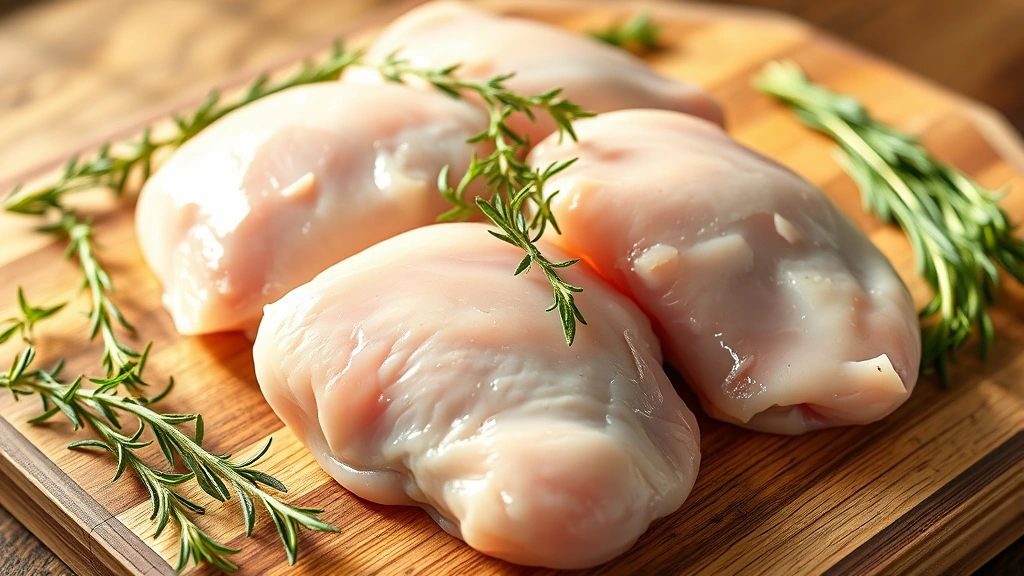
Chicken Thighs Nutrition: Expert Insights Inside
Boneless, skinless chicken thighs have become a cornerstone of modern nutrition conversations, yet many home cooks and health-conscious eaters remain uncertain about their true nutritional value. Unlike their leaner breast counterparts, thighs offer a distinctly different macronutrient profile that deserves careful examination. This comprehensive guide unpacks the science behind chicken thigh nutrition, revealing why registered dietitians and fitness professionals increasingly recommend them as part of a balanced diet.
The misconception that all chicken is nutritionally equivalent has persisted for decades, largely due to marketing campaigns emphasizing chicken breast as the “healthier” choice. However, modern nutritional science tells a more nuanced story. Boneless, skinless chicken thighs deliver superior micronutrient density, better bioavailability of essential minerals, and a fat composition that supports satiety and nutrient absorption. Whether you’re optimizing your nutrition for athletes or simply seeking to understand your protein sources better, understanding chicken thigh nutrition becomes increasingly relevant.
Macronutrient Breakdown of Boneless Skinless Chicken Thighs
A 100-gram serving of boneless, skinless chicken thigh contains approximately 209 calories, with a macronutrient distribution that differs substantially from breast meat. The protein content averages 26 grams per 100 grams, providing a complete amino acid profile essential for muscle synthesis and metabolic function. What distinguishes thighs nutritionally is their fat content, which typically ranges from 11-13 grams per 100 grams, compared to just 3-5 grams in equivalent breast portions.
The carbohydrate content remains negligible at zero grams, making chicken thighs an excellent choice for low-carbohydrate dietary approaches. This macronutrient composition positions boneless, skinless chicken thighs as a versatile protein source suitable for various nutritional frameworks. The caloric density, while higher than breast meat, remains moderate and supports sustained energy availability during intense physical activity or demanding mental tasks.
According to research published by USDA nutrition standards, a single 3.5-ounce (100-gram) serving of boneless, skinless chicken thigh delivers approximately 26 grams of high-quality protein, positioning it among the most protein-dense foods available. The total fat content of approximately 11 grams includes both saturated and unsaturated fatty acids, creating a balanced lipid profile that supports hormone synthesis and cellular function.
Micronutrients: The Hidden Nutritional Powerhouses
Beyond macronutrient metrics, boneless, skinless chicken thighs excel in micronutrient density compared to breast meat. Selenium content reaches approximately 27 micrograms per 100 grams, representing 49% of the recommended daily intake. This essential mineral functions as a critical cofactor for selenoproteins, which regulate thyroid hormone metabolism and provide antioxidant defense against cellular damage.
Phosphorus concentration in chicken thighs averages 195 milligrams per 100 grams, supporting bone mineralization and ATP energy production. Zinc bioavailability in poultry exceeds that of plant-based sources, with chicken thighs providing approximately 2.4 milligrams per 100 grams. This trace mineral participates in immune function, wound healing, and DNA synthesis. Iron content, while modest compared to red meat, reaches approximately 1.3 milligrams per 100 grams with superior heme iron bioavailability compared to non-heme sources.
Vitamin B12 concentration in chicken thighs averages 0.3 micrograms per 100 grams, essential for neurological function and red blood cell formation. Niacin (vitamin B3) provides approximately 7.4 milligrams per 100 grams, supporting energy metabolism and cardiovascular health. The nutrition care process emphasizes the importance of these micronutrient contributions when developing personalized dietary recommendations. Pantothenic acid, another B-complex vitamin, reaches 0.9 milligrams per 100 grams, supporting hormone synthesis and stress response regulation.
Choline content in chicken thighs averages 65 milligrams per 100 grams, a nutrient increasingly recognized as essential for cognitive function and liver health. This compound, often overlooked in basic nutritional analysis, plays crucial roles in methylation reactions and neurotransmitter synthesis. The combination of these micronutrients creates a nutritional synergy that makes boneless, skinless chicken thighs particularly valuable for comprehensive dietary planning.

Fat Quality and Composition
The fat profile of boneless, skinless chicken thighs warrants detailed examination, as public perception often conflates all dietary fat with health compromise. Approximately 30% of the fat content consists of saturated fatty acids, 50% monounsaturated fats, and 20% polyunsaturated fats. This distribution aligns favorably with dietary recommendations emphasizing unsaturated fat predominance while maintaining modest saturated fat intake.
Oleic acid, the primary monounsaturated fat in chicken thighs, demonstrates anti-inflammatory properties and supports cardiovascular health. Linoleic acid, the predominant polyunsaturated fat, provides essential omega-6 fatty acids required for cell membrane integrity and eicosanoid synthesis. The fat-soluble vitamin content, particularly vitamin A and vitamin E, increases significantly when fat remains present, enhancing micronutrient bioavailability.
Research from the National Institutes of Health demonstrates that moderate fat consumption from poultry sources supports satiety signaling, reducing overall caloric intake compared to very lean protein sources. The conjugated linoleic acid (CLA) present in chicken, though in modest quantities, exhibits potential anti-inflammatory and metabolic benefits. This fat composition positions boneless, skinless chicken thighs as superior to breast meat for sustained energy availability and nutrient absorption.
Amino Acid Profile and Protein Quality
The protein quality of chicken thighs reflects a complete amino acid profile containing all nine essential amino acids in proportions that exceed human requirements. Leucine, the primary branched-chain amino acid stimulating muscle protein synthesis, comprises approximately 2.4 grams per 100 grams of chicken thigh. This concentration rivals beef and exceeds many plant-based protein sources, making thighs particularly valuable for muscle maintenance and athletic performance.
Lysine content reaches approximately 2.4 grams per 100 grams, supporting immune function and calcium absorption. Methionine and cysteine, sulfur-containing amino acids essential for connective tissue health, provide approximately 0.7 grams combined per 100 grams. The Protein Digestibility-Corrected Amino Acid Score (PDCAAS) for poultry reaches 1.0, indicating complete and highly bioavailable protein that supports all essential amino acid requirements.
Tryptophan concentration, while modest compared to total protein content, provides the precursor for serotonin synthesis, supporting mood regulation and sleep quality. Threonine, often limiting in plant proteins, reaches adequate concentrations in chicken thighs, ensuring complete nutritional sufficiency. This amino acid completeness positions boneless, skinless chicken thighs as an excellent protein choice for individuals following various dietary patterns, from healthy nutrition plans to specialized athletic protocols.
Comparison with Other Poultry Options
Comparing chicken thighs with breast meat reveals substantial nutritional differentiation. While breast meat contains approximately 31 grams of protein per 100 grams with only 3.6 grams of fat, this extreme leanness reduces micronutrient density and fat-soluble vitamin availability. The selenium content in breast meat reaches only 22 micrograms per 100 grams compared to 27 in thighs, while zinc bioavailability decreases with lower fat content.
Turkey thighs offer similar nutritional profiles to chicken thighs with marginally higher B vitamin concentrations. Duck thighs provide superior iron content but contain approximately 28 grams of fat per 100 grams, positioning them outside optimal ranges for many dietary frameworks. Quail, increasingly available in specialty markets, delivers comparable protein density with superior micronutrient concentration but at substantially higher cost.
The comparison extends to nutrition facts of a rotisserie chicken, which often includes skin and variable fat content depending on preparation methodology. Rotisserie preparation typically preserves more nutrients than boiling while reducing fat content compared to fried preparations. For individuals seeking balanced nutrition with superior micronutrient density, boneless, skinless chicken thighs emerge as the optimal poultry choice across cost and accessibility considerations.
Health Benefits and Disease Prevention
The comprehensive nutrient profile of boneless, skinless chicken thighs supports multiple health outcomes through various physiological mechanisms. Selenium content provides antioxidant defense through glutathione peroxidase enzyme systems, reducing oxidative stress implicated in cardiovascular disease, cancer, and neurodegenerative conditions. Population studies demonstrate inverse correlations between adequate selenium intake and these disease categories.
The complete amino acid profile supports immune function through antibody synthesis and white blood cell production. Zinc bioavailability in chicken thighs enhances immune response efficiency, particularly for respiratory infections and wound healing. Niacin content supports cardiovascular health through lipid metabolism regulation and blood vessel function. The choline concentration contributes to cognitive preservation and reduced dementia risk, particularly in aging populations.
Muscle preservation during aging, sarcopenia prevention, and metabolic rate maintenance all benefit from the leucine-rich protein in chicken thighs. The unsaturated fat content supports anti-inflammatory status, reducing systemic inflammation implicated in chronic disease development. Research from American Heart Association guidelines consistently recommends poultry as a cardiovascular-protective protein source, with chicken thighs meeting these recommendations when prepared without excessive added fat.
For individuals managing diabetes, the zero-carbohydrate composition and protein content create favorable blood glucose response patterns. The satiety signaling from fat and protein content supports weight management objectives without requiring excessive caloric restriction. These diverse health benefits position boneless, skinless chicken thighs as a nutritionally strategic choice for disease prevention and health optimization.

Cooking Methods That Preserve Nutrition
Preparation methodology significantly influences nutritional retention in boneless, skinless chicken thighs. Baking at 375-425°F for 20-25 minutes preserves micronutrient content while achieving food safety standards. This dry-heat method avoids nutrient leaching into cooking liquids while maintaining the Maillard reaction that creates beneficial phytonutrients and enhances satiety signaling.
Grilling over moderate heat develops beneficial compounds while maintaining nutrient density. Avoid prolonged high-temperature exposure exceeding 350°F for extended periods, as this promotes heterocyclic amine (HCA) formation associated with potential health concerns. Marinating in acidic solutions containing lemon juice, vinegar, or yogurt reduces HCA formation by up to 90% while adding flavor complexity and additional micronutrients.
Slow-cooking methods at low temperatures preserve heat-sensitive nutrients including B vitamins and support collagen hydrolysis, creating bioavailable gelatin beneficial for joint and gut health. Sous-vide preparation at precisely controlled temperatures (140-145°F) achieves optimal food safety while minimizing nutrient degradation. Avoid boiling, which leaches water-soluble vitamins and minerals into cooking liquid, reducing nutritional value by 15-25% depending on duration.
Combining chicken thighs with vegetables in braises or stews allows nutrient synergy, where fat solubilization enhances carotenoid and fat-soluble vitamin absorption from plant sources. Seasoning with herbs and spices adds polyphenolic compounds and essential oils that complement poultry’s nutritional profile. These preparation strategies optimize the nutritional investment represented by boneless, skinless chicken thighs.
Integration into Dietary Frameworks
Boneless, skinless chicken thighs integrate seamlessly into diverse dietary approaches. For nutrients pathway followers emphasizing whole-food density, thighs represent an optimal choice due to their comprehensive micronutrient profile. Low-carbohydrate and ketogenic frameworks benefit from the fat content supporting ketone production while maintaining adequate protein for muscle preservation.
Mediterranean diet adherents can incorporate chicken thighs with olive oil, vegetables, and herbs, creating synergistic nutrient combinations. Paleo and ancestral diet frameworks align perfectly with poultry consumption, particularly thigh portions that mirror historical dietary patterns emphasizing organ meats and nutrient-dense animal products. Plant-based individuals incorporating limited animal products can maximize nutritional benefit by choosing chicken thighs over breast meat.
Athletic populations benefit from the branched-chain amino acid profile and micronutrient density supporting recovery and performance. The satiety-promoting fat content aligns with body composition optimization objectives, reducing hunger-driven overeating common with very lean protein sources. Aging populations seeking to preserve muscle mass and cognitive function find chicken thighs particularly valuable due to their micronutrient concentration and bioavailable mineral content.
Meal planning incorporating boneless, skinless chicken thighs two to three times weekly provides sufficient micronutrient intake while maintaining dietary variety. The versatility of thighs across cuisines—from Asian stir-fries to Mediterranean braises to American comfort preparations—ensures sustained dietary adherence. This nutritional flexibility positions chicken thighs as a foundational protein choice for comprehensive health optimization strategies.
FAQ
How many calories are in boneless, skinless chicken thighs?
A 100-gram serving contains approximately 209 calories, while a typical 3.5-ounce (100g) cooked portion provides 155-165 calories depending on cooking method. This caloric density supports sustained energy availability while remaining moderate enough for weight management objectives.
Are chicken thighs healthier than chicken breast?
This depends on specific health objectives. Chicken thighs provide superior micronutrient density, particularly selenium, zinc, and B vitamins, while breast meat offers higher protein concentration with lower calories. For comprehensive nutrition, thighs excel; for pure protein maximization with caloric minimization, breast meat edges ahead. Individual nutritional needs determine the optimal choice.
What is the fat content in boneless, skinless chicken thighs?
Approximately 11-13 grams of fat per 100-gram serving, with roughly 30% saturated, 50% monounsaturated, and 20% polyunsaturated fatty acids. This balanced composition supports satiety and nutrient absorption without exceeding dietary fat recommendations.
Do chicken thighs contain cholesterol?
Yes, chicken thighs contain approximately 81 milligrams of cholesterol per 100 grams. However, dietary cholesterol impact on blood cholesterol remains modest compared to saturated fat intake, and the fat composition of chicken thighs supports cardiovascular health through monounsaturated fat predominance.
How do I prepare chicken thighs to maximize nutrition?
Baking, grilling with marinades, or slow-cooking preserves micronutrient content most effectively. Avoid boiling, which leaches water-soluble vitamins. Marinating in acidic solutions reduces potentially harmful compounds while adding flavor. Combining with vegetables enhances nutrient synergy through fat-soluble vitamin absorption.
Are boneless, skinless chicken thighs suitable for weight loss?
Yes, the combination of high protein and moderate fat creates strong satiety signals, supporting reduced caloric intake without excessive hunger. The micronutrient density ensures metabolic efficiency, and the amino acid profile preserves muscle mass during caloric deficit—critical for sustainable weight management.


