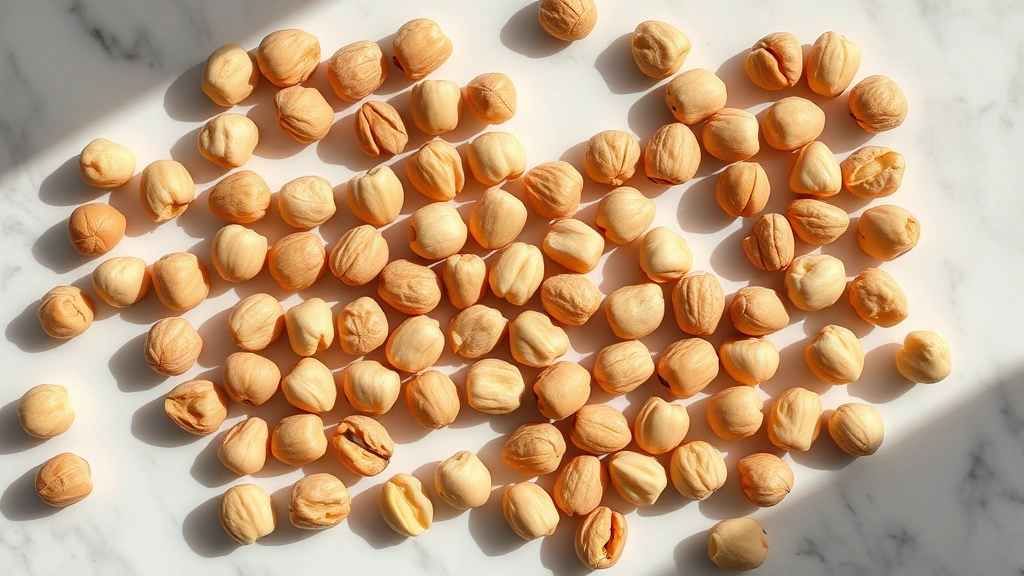
Macadamia Nutrition Facts: Dietitian Insights
Macadamia nuts have emerged as one of the most nutrient-dense foods available to health-conscious consumers, yet many people remain unfamiliar with their impressive nutritional profile. These creamy, buttery nuts originate from Australia and Hawaii, and they deliver a remarkable concentration of beneficial compounds that support cardiovascular health, metabolic function, and overall wellness. Unlike some nuts that dominate grocery shelves, macadamias offer a unique fatty acid composition that sets them apart in the nutrition world.
As a dietitian-reviewed deep dive into this superfood, this comprehensive guide explores the science behind macadamia nutrition, their health benefits, practical serving recommendations, and how they fit into a balanced healthy nutrition plan. Whether you’re looking to optimize your diet or simply curious about what makes these nuts special, understanding macadamia nutrition facts empowers you to make informed dietary choices.
Macadamia Nutrition Profile: The Complete Breakdown
A standard one-ounce serving of macadamia nuts (approximately 10-12 whole nuts) contains roughly 204 calories, making them an energy-dense food that requires thoughtful portion control. However, this caloric density comes packaged with exceptional nutritional value that justifies their inclusion in balanced eating patterns. The macronutrient composition reveals why dietitians increasingly recommend macadamias as part of a comprehensive nutrition care process.
Per one-ounce serving, macadamia nuts provide approximately 21 grams of total fat, 2.4 grams of protein, and 3.6 grams of carbohydrates. The fiber content reaches approximately 2.4 grams per serving, contributing meaningfully to daily fiber intake requirements. This macronutrient distribution creates a food that supports sustained energy without causing rapid blood sugar fluctuations, a critical consideration for metabolic health and diabetes prevention.
The mineral density of macadamias deserves particular attention. A single ounce delivers substantial amounts of manganese (58% of daily value), magnesium (9% of daily value), copper (11% of daily value), and iron (3% of daily value). These minerals participate in enzymatic reactions, bone formation, immune function, and energy metabolism—processes fundamental to human health. Understanding these specific nutrients helps explain why macadamia consumption correlates with improved health markers in nutrition research.
Healthy Fats and Monounsaturated Fatty Acids
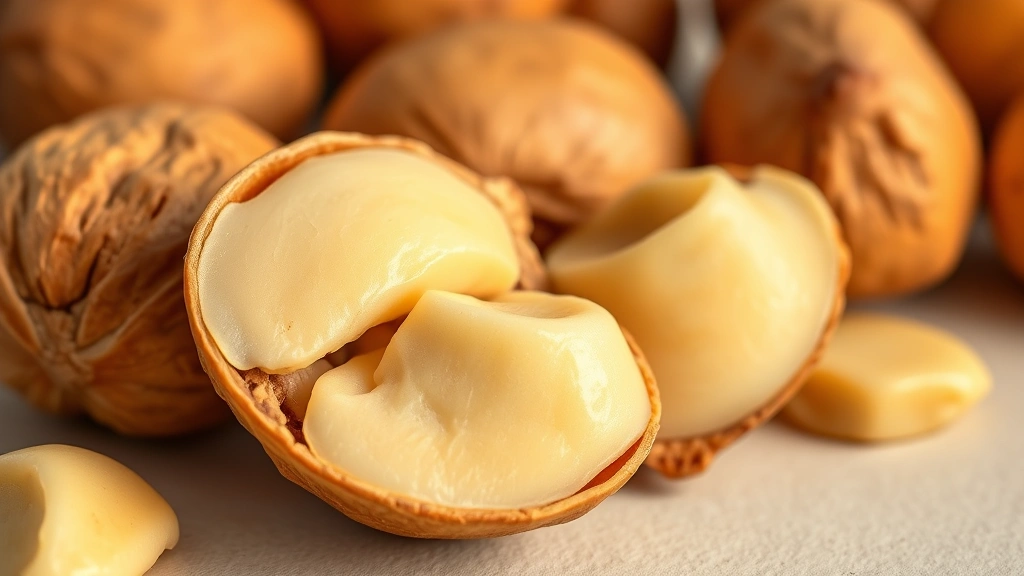
The fat composition of macadamia nuts represents their most distinctive nutritional feature, differentiating them from almonds, walnuts, and other commonly consumed tree nuts. Approximately 80% of macadamia’s fat content consists of monounsaturated fatty acids (MUFAs), primarily oleic acid—the same beneficial fat found abundantly in olive oil. This exceptional MUFA concentration positions macadamias among the richest plant-based sources of this cardioprotective fat.
Oleic acid and other monounsaturated fats have been extensively studied for their role in supporting healthy cholesterol profiles and reducing cardiovascular disease risk. When consumed as part of a balanced diet, MUFAs help lower LDL cholesterol (the harmful form) while maintaining or increasing HDL cholesterol (the protective form). This favorable lipid modulation contributes to arterial health and reduced inflammation throughout the cardiovascular system.
Macadamias also contain palmitoleic acid, a monounsaturated fat with emerging research suggesting metabolic benefits. Some studies indicate palmitoleic acid may improve insulin sensitivity and support healthy inflammatory responses, though additional research continues to clarify these mechanisms. The polyunsaturated fat content remains relatively modest at approximately 1.5 grams per ounce, with an excellent omega-6 to omega-3 ratio that supports anti-inflammatory balance in the body.
Micronutrients and Mineral Content
Beyond macronutrients and primary minerals, macadamia nuts provide an impressive array of micronutrients that support diverse physiological functions. Thiamine (vitamin B1) content reaches approximately 20% of daily value per ounce, essential for energy metabolism and nervous system function. This B-vitamin concentration makes macadamias particularly valuable for individuals with high energy demands or those supporting cognitive health.
The selenium content in macadamias, while modest at approximately 8 micrograms per ounce, contributes to antioxidant defense through selenoprotein synthesis. Selenium partners with vitamin E to protect cells from oxidative damage, a mechanism particularly important for brain health and aging prevention. The combination of multiple antioxidant minerals in macadamias creates a synergistic protective effect that exceeds the benefits of individual nutrients in isolation.
Calcium content in macadamias provides approximately 4% of daily requirements per ounce, while phosphorus reaches 7% of daily value. These minerals work together to support bone mineral density, particularly important for individuals concerned about osteoporosis prevention. When incorporated into a diet rich in dietary fiber and other bone-supporting nutrients, macadamias contribute to comprehensive skeletal health.
Heart Health and Cardiovascular Benefits
Extensive research demonstrates that regular macadamia consumption supports cardiovascular health through multiple mechanisms. A landmark study published in the American Journal of Clinical Nutrition found that macadamia nut consumption significantly improved endothelial function and reduced arterial stiffness in participants with elevated cardiovascular risk. These improvements occurred within weeks of consistent consumption, suggesting rapid physiological responses to the nuts’ bioactive compounds.
The monounsaturated fat concentration in macadamias works synergistically with their polyphenol content to reduce arterial inflammation and support healthy blood pressure. Blood pressure regulation depends partly on endothelial function—the ability of blood vessel linings to relax and dilate appropriately. Macadamias’ nutrient profile supports this critical function through multiple pathways, making them an evidence-based dietary choice for cardiovascular disease prevention.
For individuals managing cholesterol levels, macadamia consumption offers particular value. Research from the American Heart Association supports nut consumption as part of heart-healthy dietary patterns, with macadamias specifically highlighted for their MUFA content. The combination of healthy fats, fiber, and minerals creates a food that addresses multiple cardiovascular risk factors simultaneously, supporting comprehensive heart health rather than targeting isolated markers.
Weight Management and Satiety
Despite their caloric density, macadamia nuts support healthy weight management through mechanisms that extend beyond simple calorie counting. The high fat and protein content triggers satiety signals in the brain, reducing overall calorie consumption when nuts are incorporated mindfully into meals. Research demonstrates that individuals consuming nuts regularly report greater satisfaction from meals and experience fewer cravings between eating occasions.
The fiber content in macadamias, while modest compared to some nuts, contributes meaningfully to digestive health and appetite regulation. Fiber slows gastric emptying—the rate at which food leaves the stomach—prolonging the sensation of fullness and reducing the impulse to snack excessively. When incorporated into a strategic meal planning approach, macadamias help maintain energy levels while supporting caloric balance.
The oleic acid in macadamias may also support metabolic health through effects on appetite-regulating hormones. Some research suggests that monounsaturated fats enhance satiety hormone signaling more effectively than other fat types, contributing to improved appetite control. This mechanism, combined with the nuts’ nutrient density, makes macadamias a superior choice compared to calorie-equivalent processed snacks lacking nutritional substance.
Antioxidants and Anti-Inflammatory Compounds
Macadamia nuts contain a diverse array of polyphenolic compounds that function as powerful antioxidants, protecting cells from oxidative stress and supporting longevity. These plant compounds include flavonoids, phenolic acids, and stilbenes—bioactive molecules that neutralize harmful free radicals and reduce inflammatory signaling throughout the body. The polyphenol content varies based on macadamia variety and growing conditions, but roasted macadamias often contain elevated polyphenol concentrations compared to raw varieties.
The anti-inflammatory properties of macadamia polyphenols extend protective effects toward multiple organ systems. Brain health, in particular, benefits from these compounds through mechanisms involving neuroinflammation reduction and oxidative stress mitigation. This connection between nutrition and mental health demonstrates how dietary choices influence cognitive function and psychological wellbeing.
The combination of vitamin E (a fat-soluble antioxidant) and manganese (a mineral cofactor for antioxidant enzymes) creates a comprehensive antioxidant system within macadamia nuts. Manganese activates superoxide dismutase, the body’s primary intracellular antioxidant enzyme, while vitamin E protects cell membranes from lipid peroxidation. This multi-layered antioxidant protection explains macadamia nuts’ association with reduced markers of oxidative stress in clinical studies.
Recommended Serving Sizes
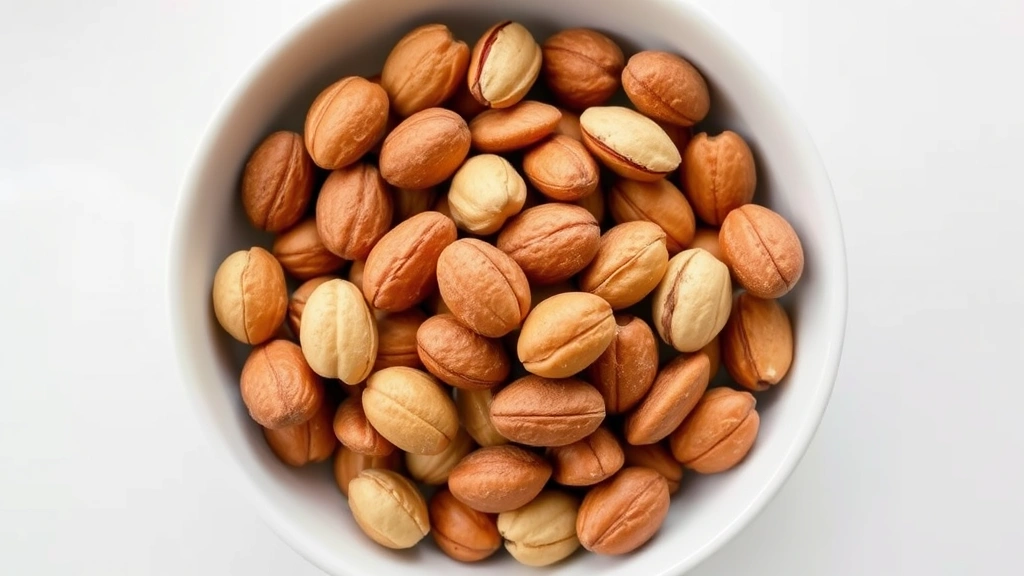
Dietitian consensus recommends consuming approximately one ounce of macadamia nuts daily as part of a balanced diet, equivalent to roughly 10-12 whole nuts or approximately 204 calories. This serving size provides meaningful nutritional benefits while maintaining appropriate caloric intake for most individuals. However, serving size recommendations should consider individual dietary goals, total calorie needs, and existing nutritional patterns.
For individuals focused on weight management, smaller portions of 0.5 ounces (approximately 5-6 nuts) offer substantial nutritional benefits while minimizing caloric contribution. This modest serving still delivers meaningful amounts of monounsaturated fats, minerals, and antioxidants, supporting health without derailing caloric balance. Conversely, athletes or individuals with elevated caloric requirements may benefit from larger portions of 1.5-2 ounces when appropriately integrated into overall meal planning.
Macadamia nuts work particularly well as components of mixed nuts and seeds, allowing for portion control while providing nutrient diversity. Combining macadamias with almonds, walnuts, and seeds creates complementary nutrient profiles—almonds provide additional calcium, walnuts contribute omega-3 fatty acids, and seeds offer additional fiber and minerals. This combination approach maximizes nutritional benefit while maintaining palatable variety.
Incorporating Macadamias into Your Diet
Practical integration of macadamia nuts into daily eating patterns requires thoughtful menu planning and preparation strategies. Adding macadamias to morning oatmeal or yogurt parfaits provides sustained energy and satiety throughout the morning, reducing mid-morning snacking urges. The creamy texture of macadamias complements grain-based breakfast dishes particularly well, creating appealing flavor and texture combinations.
Macadamia butter offers another convenient vehicle for nut consumption, particularly for individuals with difficulty chewing whole nuts or those seeking alternative preparations. Creating homemade macadamia butter by blending roasted nuts in a food processor captures all nutritional benefits while providing a spreadable consistency suitable for toast, smoothies, or baking applications. Unlike many commercial nut butters, macadamia varieties typically require no added oils or sweeteners to achieve appealing texture.
Incorporating macadamias into salads, vegetable dishes, and protein-based meals adds nutritional depth and textural interest. Roasted macadamias pair exceptionally well with both warm and cold salads, providing satisfying crunch and rich flavor that complements vegetables without overwhelming delicate flavors. Adding macadamias to fish or poultry dishes creates gourmet preparations while maintaining nutritional integrity—the nuts’ healthy fats pair synergistically with omega-3 fatty acids in seafood.
Baking applications benefit substantially from macadamia inclusion, though recipes require adjustment due to the nuts’ high fat content and tendency toward richness. Substituting conventional flour or oats partially with macadamia flour (finely ground macadamia nuts) increases nutrient density while reducing refined carbohydrate content. This substitution works particularly well in muffins, quick breads, and cookie recipes where nutty flavor enhances overall appeal.
For individuals following the comprehensive nutritional guidance available through nutrition resources, macadamia incorporation aligns well with Mediterranean, DASH, and ketogenic dietary patterns. The nuts’ macronutrient composition supports various nutritional approaches, making them versatile ingredients for diverse dietary preferences and health goals.
FAQ
Are macadamia nuts suitable for people with nut allergies?
Macadamia nuts are tree nuts, and individuals with tree nut allergies should avoid them unless specifically cleared by their allergist. However, macadamia allergies are relatively rare compared to allergies to peanuts, almonds, or cashews. Those with confirmed tree nut allergies affecting other varieties should not assume macadamias are safe without professional medical guidance.
How do roasted macadamias compare nutritionally to raw varieties?
Roasting macadamia nuts typically increases polyphenol and antioxidant concentrations while slightly reducing heat-sensitive vitamins. The roasting process enhances bioavailability of certain minerals and may improve the nuts’ ability to reduce oxidative stress markers. From a practical standpoint, roasted macadamias offer superior taste and texture for most consumers while maintaining excellent nutritional profiles.
Can macadamia consumption help with blood sugar management?
Yes, macadamia nuts support healthy blood sugar management through multiple mechanisms. The combination of fiber, healthy fats, and protein slows carbohydrate digestion and absorption, preventing rapid blood glucose fluctuations. Research indicates that macadamia consumption improves insulin sensitivity and reduces post-meal blood sugar spikes, making them suitable for individuals with prediabetes or type 2 diabetes.
What is the shelf life of macadamia nuts?
Properly stored macadamia nuts maintain nutritional quality and freshness for approximately 6-12 months in cool, dry conditions. Refrigeration extends shelf life to 12-18 months, while freezing preserves quality for up to 2 years. The high fat content makes macadamias susceptible to rancidity, so proper storage in airtight containers away from heat and light is essential for maintaining nutritional integrity.
Are macadamia nuts appropriate for ketogenic diets?
Absolutely. Macadamia nuts are exceptionally well-suited for ketogenic dietary patterns due to their high fat content (primarily monounsaturated), minimal carbohydrate contribution, and moderate protein levels. A one-ounce serving provides only 3.6 grams of net carbohydrates (total carbs minus fiber), fitting easily within typical ketogenic carbohydrate limits while providing substantial satiety and nutritional value.
How do macadamia nuts compare to other tree nuts nutritionally?
Macadamias stand out for their exceptionally high monounsaturated fat content and unique fatty acid profile compared to almonds, walnuts, or pecans. While almonds provide more calcium and walnuts offer superior omega-3 content, macadamias deliver the highest MUFA concentration and superior manganese levels. Nutritional diversity is maximized by consuming varied nut types rather than relying exclusively on any single variety.


