
Cheesecake Factory Nutrition: What a Dietitian Wants You to Know
The Cheesecake Factory is synonymous with indulgence—sprawling menus, generous portions, and decadent desserts that define the casual dining experience. But what happens when you’re trying to maintain a balanced diet while navigating one of America’s most calorie-dense restaurant chains? Understanding the nutritional value of Cheesecake Factory menu items is essential for making informed choices that align with your health goals. This guide breaks down the nutritional landscape of this beloved restaurant, offering practical strategies for enjoying meals without derailing your wellness journey.
As a registered dietitian analyzing restaurant nutrition, I’ve observed that Cheesecake Factory presents both challenges and opportunities. The restaurant’s extensive menu includes items ranging from 800 to 4,000+ calories per serving. The key to dining here responsibly involves understanding portion sizes, hidden sodium levels, and strategic menu navigation. Whether you’re a regular customer or an occasional visitor, knowledge is your most powerful tool for making choices that satisfy both your cravings and your nutritional needs.
Understanding Cheesecake Factory Portion Sizes
The Cheesecake Factory’s portion sizes are notoriously large, often exceeding standard restaurant servings by 50-100%. A single entrée frequently contains two to three times the recommended portion size for a meal. This isn’t accidental—it’s part of the brand’s value proposition. However, from a nutritional standpoint, this creates significant challenges for calorie and macronutrient control.
When analyzing the nutritional value of Cheesecake Factory meals, the first consideration must be portion management. A typical Cheesecake Factory entrée ranges from 1,200 to 1,800 calories—nearly equivalent to an entire day’s recommended intake for many individuals. The restaurant’s pasta dishes exemplify this issue, with some servings containing 2,500+ calories before considering beverages or appetizers.
The practical approach involves strategic sharing or planning to consume only half the entrée during your meal, saving the remainder for another day. This strategy transforms an otherwise excessive meal into two reasonably-sized portions. Alternatively, requesting a to-go container immediately upon service helps prevent the temptation to finish everything on the plate.
Caloric Content Across Menu Categories
Understanding where calories concentrate on the Cheesecake Factory menu is crucial for informed decision-making. The restaurant publishes nutritional information for most items, though accessing it requires visiting their website or using mobile applications. Different menu categories present varying nutritional profiles:
- Appetizers: Range from 800-1,500 calories, often high in fat and sodium. Fried items like Crispy Crab Cakes exceed 1,200 calories for modest portions.
- Salads: Appear healthy but often contain 1,000-1,400 calories due to generous dressings and protein additions. The Warm Spinach and Cheese Salad reaches 1,250 calories.
- Pasta Dishes: Among the highest-calorie options, regularly exceeding 1,800 calories. Creamy sauces contribute significantly to caloric density.
- Burger and Sandwich Options: Typically 1,100-1,600 calories, with fries adding 400-500 additional calories.
- Fish and Poultry: More moderate options, ranging from 900-1,400 calories depending on preparation methods and sauces.
- Cheesecakes: Individual slices contain 700-1,000 calories, making them suitable only as shared desserts.
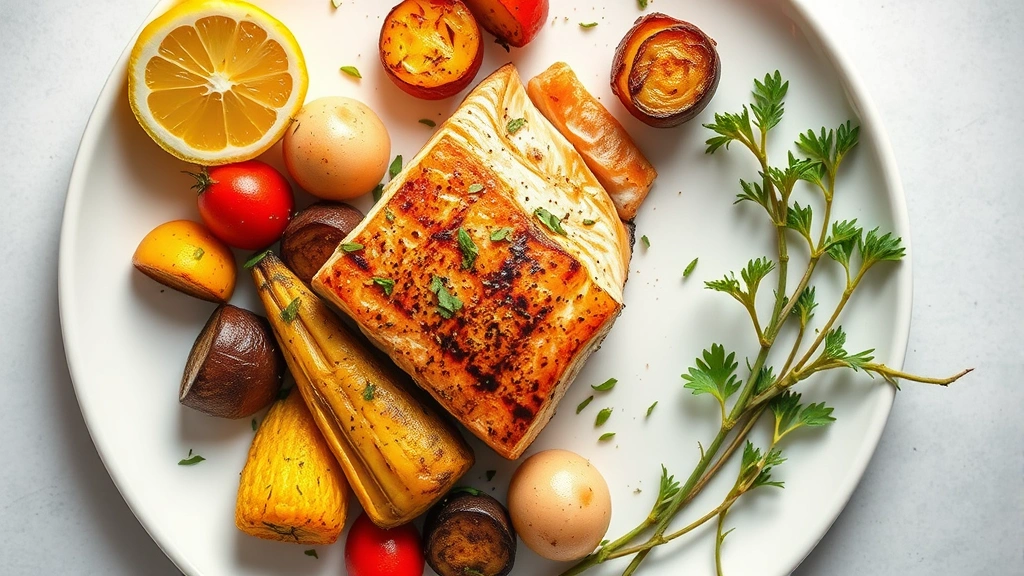
The healthier nutrition plan approach involves selecting items from the lower end of these ranges and implementing portion control strategies. Fish prepared with lighter sauces or grilled chicken dishes offer better caloric profiles than their creamy counterparts.
Sodium and Hidden Salt Concerns
Beyond calories, sodium represents a critical nutritional concern at Cheesecake Factory. The restaurant’s dishes frequently exceed daily sodium recommendations in a single meal. Restaurant-prepared foods inherently contain higher sodium levels due to preservation techniques, flavor enhancement, and sauce-based cooking methods.
A typical Cheesecake Factory entrée contains 1,500-2,500 mg of sodium—equivalent to 65-105% of the daily recommended intake for most adults. When combined with appetizers, beverages, and desserts, a single meal can exceed 3,000-4,000 mg of sodium. For individuals managing hypertension or cardiovascular health, this presents a significant challenge.
The nutrition and mental health connection extends to sodium intake, as excessive sodium consumption correlates with increased blood pressure and associated cognitive impacts. Reducing sodium intake supports not only physical cardiovascular health but also optimal brain function and mental well-being.
Mitigation strategies include requesting dishes prepared with minimal added salt, avoiding cream-based sauces, and declining the bread basket before the meal begins. Balancing a Cheesecake Factory meal with lower-sodium meals throughout the week helps maintain weekly sodium averages within recommended ranges.
Sugar Content in Popular Dishes
Sugar content presents another nutritional minefield at Cheesecake Factory. Beyond the obvious dessert category, many savory dishes contain surprising quantities of added sugars through sauces, marinades, and dressings.
Popular items with hidden sugar include:
- Glazed salmon or teriyaki-prepared proteins (15-30g added sugar)
- Salad dressings, particularly vinaigrettes and creamy varieties (8-15g per serving)
- BBQ and tomato-based sauces (10-20g per serving)
- Sweetened beverages and cocktails (30-60g per drink)
- Appetizer glazes and dipping sauces (5-12g per item)
A single Cheesecake Factory meal can easily contain 80-120g of added sugar—nearly triple the daily recommended maximum of 25-36g for most adults. This excessive sugar intake contributes to energy crashes, increased hunger, and long-term metabolic dysfunction.
Selecting grilled or steamed preparations without glazes, requesting dressings on the side, and choosing water or unsweetened beverages significantly reduces sugar consumption. Awareness of these hidden sources enables better decision-making aligned with overall health objectives.
Protein and Macronutrient Balance
While Cheesecake Factory meals typically contain adequate protein (25-50g per entrée), the macronutrient balance often skews heavily toward fats and carbohydrates. Understanding macronutrient distribution helps optimize meals for sustained energy and satiety.
Ideal macronutrient ratios vary by individual goals, but general guidelines suggest 30-35% protein, 25-35% fat, and 30-40% carbohydrates. Many Cheesecake Factory items exceed 50% of calories from fat, particularly cream-based pasta dishes and fried preparations.
Protein-optimized selections include:
- Grilled fish preparations with vegetable sides
- Chicken breast dishes without heavy sauces
- Lean beef options with minimal added fats
- Egg-based dishes for breakfast service
Pairing protein-focused entrées with vegetable sides rather than starches improves overall macronutrient balance. Requesting sauces separately allows portion control of high-fat additions. These strategic modifications maintain protein intake while reducing overall caloric and fat consumption.
Healthier Menu Selections
Navigating the Cheesecake Factory menu for healthier options requires strategic thinking, but opportunities exist for nutritionally-conscious diners. The restaurant’s extensive menu includes items suitable for various dietary goals:
Lower-Calorie Entrées (Under 1,000 calories):
- Grilled Fish of the Day (preparation-dependent)
- Herb-Crusted Salmon with lighter accompaniments
- Chicken and Seasonal Vegetables
- Grilled Chicken Breast preparations
Modifications for Healthier Meals:
- Replace fries or starches with double vegetable sides
- Request sauces, dressings, and butter on the side
- Ask for grilling, steaming, or baking instead of frying
- Request half portions and immediately box remaining food
- Choose appetizer-sized portions as main courses
The nutritional drinks mentioned in our comprehensive guide represent an alternative approach—consuming a nutrient-dense beverage before dining can reduce appetite and limit overall consumption. However, Cheesecake Factory beverages typically lack nutritional optimization, making water or unsweetened tea superior choices.
Reviewing the online nutrition database before visiting enables pre-selection of optimal items. This preparation removes decision fatigue and reduces temptation in the moment. Planning your meal in advance increases adherence to nutritional goals by 60-70%, according to behavioral nutrition research.

Dietary Accommodations and Modifications
Cheesecake Factory accommodates various dietary restrictions, though communication with servers is essential. The restaurant maintains allergen information and can often modify preparations for specific needs:
Gluten-Free Options: The restaurant offers a dedicated gluten-free menu with alternatives for many popular items. Cross-contamination risks exist, so explicit communication with kitchen staff is necessary.
Vegetarian and Vegan Selections: Multiple vegetable-based entrées exist, though many contain high caloric and sodium content. Requesting modifications—such as reduced oil and sauce—helps optimize these options.
Low-Sodium Requests: While challenging, requesting meals prepared without added salt and sauces on the side allows some sodium reduction. However, inherent sodium in ingredients cannot be fully eliminated.
Low-Carbohydrate Approaches: Requesting vegetable substitutions for starches and selecting protein-focused entrées supports lower-carb dining. However, many sauces contain added sugars, requiring careful selection.
Utilizing the healthy nutrition plan guide to eating well for life framework helps structure Cheesecake Factory meals within broader dietary patterns. Rather than viewing a single restaurant meal as the entirety of daily nutrition, understanding how it fits within weekly eating patterns enables more flexible, sustainable approaches.
Comparing Cheesecake Factory to Other Casual Dining Chains
How does Cheesecake Factory’s nutritional profile compare to other casual dining establishments? Research from Pew Research Center’s food industry analysis indicates that casual dining chains generally exceed recommended portion sizes and nutritional guidelines.
Comparative analysis reveals:
- Olive Garden: Similar portion sizes and calorie ranges (1,200-1,900 calories), with slightly higher sodium due to Italian preparation methods.
- Applebee’s: Somewhat lower average calories (1,000-1,600) but higher sugar content in many items due to emphasis on glazes and sweetened sauces.
- Outback Steakhouse: Higher fat content but potentially lower overall calories (1,100-1,700) with better protein-to-calorie ratios.
- Panera Bread: Lower average calories (800-1,200) but higher sodium and sugar in many items marketed as "healthy."
Cheesecake Factory generally ranks in the middle-to-higher range for caloric content but offers more extensive customization options than some competitors. The availability of detailed nutritional information online provides transparency advantages over chains with less accessible data.
Research published in the Journal of the Academy of Nutrition and Dietetics demonstrates that restaurants providing detailed nutritional information see improved customer decision-making. Cheesecake Factory’s online nutrition database enables informed choices unavailable at many competitors.
FAQ
What is the highest-calorie item on the Cheesecake Factory menu?
The Pasta Carbonara and various fried appetizers rank among the highest-calorie options, with some items exceeding 2,500 calories. Individual cheesecake slices typically contain 700-1,000 calories, but are often shared, making per-person consumption more reasonable.
Can I eat at Cheesecake Factory while following a low-calorie diet?
Yes, with strategic selection and modification. Choosing grilled fish or chicken, requesting vegetable substitutions, consuming only half the entrée, and avoiding appetizers and desserts enables meals under 1,000 calories. Planning ahead using online nutrition information is essential.
What are the sodium levels in typical Cheesecake Factory meals?
Most entrées contain 1,500-2,500 mg of sodium, representing 65-105% of daily recommendations. Appetizers and soups often exceed 1,000 mg individually. Total meal sodium can easily reach 3,000-4,000 mg when including all courses.
Are there truly healthy options at Cheesecake Factory?
"Healthy" is relative, but the restaurant offers better-than-average options compared to many casual dining chains. Grilled fish, chicken breast preparations, and salads with dressing on the side represent more nutritious choices, though portions remain excessive.
How can I reduce calories when dining at Cheesecake Factory?
Strategies include: requesting half portions boxed immediately, replacing starches with vegetables, choosing grilled preparations, requesting sauces separately, skipping appetizers and desserts, and selecting water instead of beverages. Combining multiple strategies can reduce meal calories by 30-50%.
Is Cheesecake Factory suitable for specific diets like keto or paleo?
The restaurant can accommodate these approaches through modifications, though naturally-occurring menu alignment is limited. Keto-friendly options include protein-focused entrées with vegetable substitutions. Paleo requires avoiding grains and processed ingredients, necessitating careful menu navigation and explicit modification requests.
What should I order if I’m trying to gain muscle?
Protein-rich options like grilled fish, chicken breast dishes, and lean beef preparations provide adequate protein for muscle development. Requesting additional protein additions, consuming the full portion, and including starchy sides supports muscle-building goals. Most Cheesecake Factory entrées provide 30-50g protein, meeting basic requirements.
How does Cheesecake Factory compare nutritionally to fine dining restaurants?
Fine dining typically offers smaller portions with more controlled ingredients and preparation methods, resulting in lower overall calorie and sodium content per meal. However, per-calorie nutrient density often favors casual dining due to higher-quality ingredient sourcing in upscale establishments. Cost differences reflect these quality variations.


