
Quarter Pounder with Cheese Nutrition Information: A Dietitian’s Complete Overview
The Quarter Pounder with Cheese has become a staple menu item at major fast-food chains, particularly McDonald’s, where it represents a significant portion of their beef burger offerings. As a registered dietitian, understanding the nutritional profile of this popular sandwich is essential for helping clients make informed dietary choices. This comprehensive guide breaks down the macronutrients, micronutrients, and practical considerations when incorporating quarter pounders into a balanced eating plan.
Fast-food consumption remains a significant aspect of American dietary patterns, with burger sandwiches representing one of the most frequently consumed items. According to Pew Research Center data on consumer eating habits, understanding the nutritional content of these convenient options empowers individuals to make choices aligned with their health goals. This article examines the Quarter Pounder with Cheese through a dietitian lens, providing evidence-based analysis of its nutritional composition.
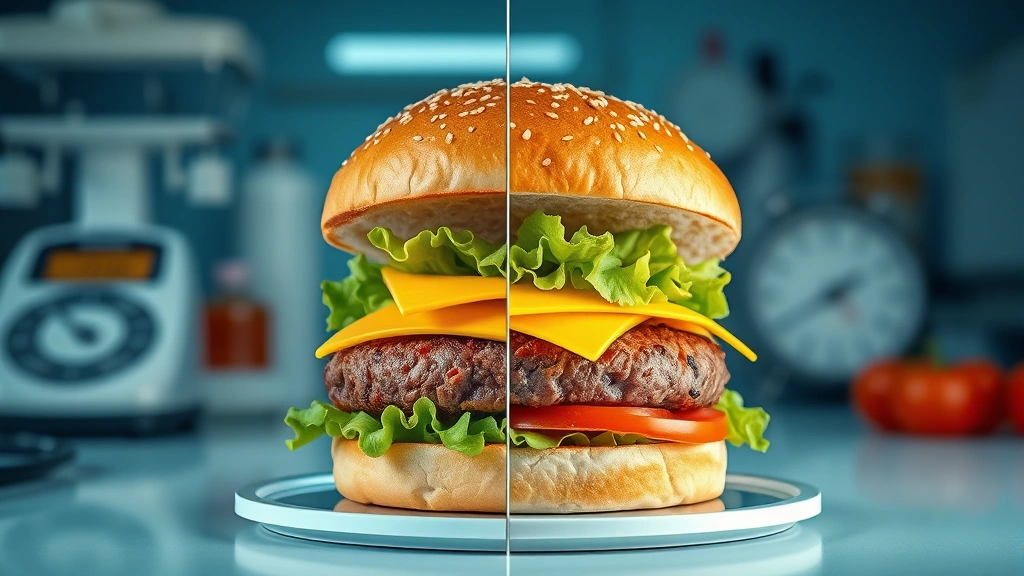
Nutritional Breakdown and Macronutrient Profile
The Quarter Pounder with Cheese contains approximately 520-530 calories per sandwich, depending on preparation method and specific chain variations. This caloric content represents roughly 25-27% of a standard 2,000-calorie daily diet, making it a substantial single-item meal component. The macronutrient distribution reveals important details about how this sandwich fits into various dietary patterns.
Breaking down the macronutrients: the Quarter Pounder with Cheese typically contains 28-30 grams of protein, 25-28 grams of total fat, and 40-42 grams of carbohydrates. This composition creates a relatively balanced macronutrient ratio, though the fat content warrants closer examination. The protein-to-calorie ratio is particularly noteworthy—with nearly 30 grams of protein, this sandwich provides substantial amino acids essential for muscle maintenance and recovery. This makes it particularly relevant for individuals following nutrition for athletes optimizing performance through diet, though context matters significantly.
The carbohydrate content comes primarily from the bun, which typically contains refined grains. Understanding carbohydrate quality becomes important when evaluating how this sandwich affects blood glucose levels and satiety. The refined carbohydrates in standard burger buns provide quick energy but may not sustain fullness as effectively as whole grain alternatives would.

Caloric Content and Energy Density
At 520-530 calories, the Quarter Pounder with Cheese represents a significant energy contribution to daily intake. Energy density—calories per unit weight—matters considerably in nutrition counseling. This sandwich is relatively energy-dense, meaning it provides substantial calories in a moderate portion size. For individuals with weight management goals, this becomes particularly relevant.
Comparing energy density helps contextualize the impact: a Quarter Pounder with Cheese delivers approximately 1.8-2.0 calories per gram, which is moderately high. In contrast, developing a healthy nutrition plan often emphasizes lower energy-density foods like vegetables and whole grains, which typically provide 0.5-1.0 calories per gram. This distinction doesn’t render the quarter pounder problematic—it simply requires strategic placement within daily eating patterns.
The satiety factor deserves consideration. Despite moderate energy density, the protein and fat content provide reasonable satiation signals, potentially preventing overconsumption if consumed mindfully. Research from nutrition science indicates that high-protein foods enhance postprandial fullness, which may help individuals feel satisfied longer after consumption.
Sodium and Heart Health Considerations
One of the most significant concerns from a dietitian perspective involves sodium content. A standard Quarter Pounder with Cheese contains 750-850 mg of sodium, representing approximately 32-37% of the recommended daily limit of 2,300 mg according to current dietary guidelines. For individuals managing hypertension or cardiovascular disease, this single item consumes a substantial portion of their sodium allowance.
The American Heart Association recommends sodium restriction as a key cardiovascular health strategy. Excessive sodium intake correlates with elevated blood pressure, increased arterial stiffness, and heightened cardiovascular disease risk. For hypertensive clients or those with sodium-sensitive conditions, consuming a Quarter Pounder with Cheese requires compensatory sodium restriction throughout the remainder of the day.
Understanding sodium sources within the sandwich helps clients make informed decisions. The primary contributors include: the beef patty itself (which contains added salt), the cheese (typically high in sodium), the bread (often contains salt), and condiments like pickles or special sauces. Customizing the sandwich by requesting reduced-salt preparation, omitting high-sodium additions, or selecting lower-sodium condiment options can meaningfully reduce overall sodium content.
Fat Composition and Dietary Quality
The 25-28 grams of total fat in a Quarter Pounder with Cheese requires nuanced analysis. Total fat content alone provides insufficient information—fat quality matters considerably. The composition typically includes approximately 10-12 grams of saturated fat, representing roughly 50-60% of the total fat content.
Saturated fat intake recommendations suggest limiting intake to less than 10% of daily calories (roughly 22 grams for a 2,000-calorie diet). A single Quarter Pounder with Cheese provides nearly half this daily recommended limit, which becomes significant when considering total daily saturated fat intake. This is particularly important for individuals managing cholesterol levels or those with cardiovascular disease risk factors.
The remaining fat content includes small amounts of trans fat (typically less than 0.5 grams due to reformulation efforts) and predominantly unsaturated fats. While beef contains some beneficial conjugated linoleic acid (CLA) and other bioactive lipids, the overall saturated fat profile remains the primary consideration from a cardiovascular health standpoint. Individuals concerned about cholesterol management should account for this sandwich’s saturated fat contribution when planning overall daily intake.
Protein Content for Satiety
The protein content—approximately 28-30 grams—represents one of the Quarter Pounder with Cheese’s most favorable nutritional attributes. Protein serves multiple critical functions: supporting muscle protein synthesis, providing satiety signals, requiring higher thermic energy expenditure during digestion, and supporting immune function and hormone production.
From a practical nutrition standpoint, this protein quantity is substantial and comparable to many dedicated protein sources. A quarter pound beef patty (roughly 113 grams raw weight) provides significant amino acid diversity, including all essential amino acids in appropriate proportions. The cheese contributes additional protein—typically 6-8 grams—along with bioavailable calcium and other micronutrients.
For individuals following tips for meal planning, recognizing the Quarter Pounder with Cheese as a legitimate protein source can simplify meal construction. Rather than viewing it solely as an indulgence, dietitians can position it as a protein-rich option when integrated strategically within overall dietary patterns. This perspective is particularly valuable for clients who struggle with traditional protein sources or who need convenient, satisfying meal options.
Micronutrients and Mineral Content
Beyond macronutrients, the Quarter Pounder with Cheese provides meaningful micronutrient contributions. Iron content is particularly notable—beef provides heme iron, the highly bioavailable form that the body absorbs more efficiently than plant-based non-heme iron. A quarter pounder typically contains approximately 2.5-3.5 mg of iron, representing roughly 14-19% of daily recommended intake for adult males and 9-12% for adult females.
The cheese component contributes calcium (typically 150-200 mg), supporting bone health and various physiological functions. This represents roughly 15-20% of recommended daily intake. Additionally, the sandwich provides phosphorus, zinc, and selenium, all essential minerals with important biological roles.
B vitamins present in beef include niacin, vitamin B6, and vitamin B12—nutrients critical for energy metabolism and neurological function. The bun contributes additional B vitamins through enrichment. However, the Quarter Pounder with Cheese provides minimal vitamin A, vitamin C, and fiber, underscoring the importance of pairing this sandwich with nutrient-dense sides like vegetables or fruit.
Comparison with Other Burger Options
Contextualizing the Quarter Pounder with Cheese within the broader burger landscape helps clients understand relative nutritional positioning. A standard McDonald’s hamburger contains approximately 250 calories, 9 grams of protein, and 9 grams of fat—roughly half the Quarter Pounder’s values. A double quarter pounder escalates to approximately 750 calories and 50 grams of protein, significantly increasing both energy and macronutrient contributions.
Compared to premium burger chains, the Quarter Pounder with Cheese often contains fewer calories and less fat than comparable offerings from restaurants emphasizing higher-quality beef and artisanal preparation methods. Many upscale burger establishments serve burgers exceeding 700-800 calories with saturated fat content reaching 20+ grams.
Plant-based burger alternatives present an interesting comparison point. Many plant-based options contain similar caloric ranges (500-550 calories) but with reduced saturated fat (5-8 grams) and similar or slightly lower protein content (20-28 grams). However, plant-based options often contain higher sodium levels and more processed ingredients, presenting different nutritional trade-offs.
Practical Integration Strategies
From a dietitian counseling perspective, the Quarter Pounder with Cheese can fit appropriately within various dietary patterns when strategically integrated. The nutrition care process emphasizes individualized assessment—the appropriateness of this sandwich depends entirely on client-specific goals, health status, and overall dietary patterns.
For weight management, the Quarter Pounder with Cheese works best when paired with lower-calorie sides (water, unsweetened beverages) rather than high-calorie additions (fries, milkshakes). The moderate fiber content in the bun combined with substantial protein promotes reasonable satiety, potentially preventing subsequent overconsumption if consumed mindfully.
For individuals managing blood pressure or cardiovascular disease, sodium reduction strategies become essential. Requesting no added salt, omitting pickles and special sauces, and limiting sodium elsewhere in the day enables occasional Quarter Pounder consumption without significantly compromising health goals.
For athletes or active individuals, the protein content and convenient format make the Quarter Pounder with Cheese a practical post-workout option. The carbohydrate-protein combination supports glycogen replenishment and muscle protein synthesis, though whole food alternatives typically provide superior micronutrient density.
Understanding nutrition and mental health connections reminds us that dietary flexibility and freedom from excessive restriction support long-term adherence and psychological well-being. For many individuals, incorporating occasional fast-food options supports sustainable eating patterns compared to rigid restriction approaches.
The Nutrients Pathway Blog offers additional resources for understanding how individual food items contribute to overall nutritional goals. Viewing the Quarter Pounder with Cheese as one component within a comprehensive dietary pattern, rather than as an isolated indulgence, enables more nuanced nutrition counseling.
FAQ
How does the Quarter Pounder with Cheese fit into a weight loss plan?
The Quarter Pounder with Cheese can support weight loss when incorporated strategically. At 520-530 calories, it represents a substantial but manageable portion of daily intake. The protein content promotes satiety, potentially reducing overall caloric consumption throughout the day. Success depends on pairing it with lower-calorie sides, controlling overall daily intake, and maintaining physical activity. Individuals should track total caloric intake and adjust other meals accordingly when including this item.
Is the Quarter Pounder with Cheese appropriate for diabetic meal planning?
For individuals managing diabetes, the Quarter Pounder with Cheese presents mixed considerations. The protein and fat content helps moderate blood glucose response compared to refined carbohydrate-only meals. However, the 40+ grams of carbohydrates from the bun requires carbohydrate counting and insulin adjustment if applicable. Individuals with diabetes should work with their dietitian to determine appropriate portion sizes and meal composition. Requesting a lettuce wrap instead of the bun reduces carbohydrate content significantly.
What modifications reduce sodium content?
Several modifications meaningfully reduce sodium: requesting no added salt on the beef patty, omitting pickles and special sauces, selecting plain mustard instead of ketchup or mayo-based condiments, and using fresh tomato slices if available. These changes can reduce total sodium by 150-250 mg, making the sandwich more appropriate for sodium-restricted diets.
Does cooking method affect nutritional content?
Fast-food preparation standardization means that nutritional content remains relatively consistent across locations. However, requesting modifications—extra-well-done beef (which reduces some fat), lettuce wraps, or specific condiment choices—can alter the final nutritional profile. Chain restaurants provide detailed nutritional information accounting for standard preparation methods.
How does the Quarter Pounder compare to homemade burger alternatives?
Homemade quarter pound burgers can match or exceed the fast-food version nutritionally, depending on beef quality, cooking method, and additions. Ground beef (85% lean) provides similar saturated fat content as fast-food versions. Homemade preparation offers advantages in controlling sodium and ingredient quality, though requires more time and effort. Both options can fit appropriately within balanced eating patterns.
Is the Quarter Pounder with Cheese suitable for muscle building?
Yes, the Quarter Pounder with Cheese provides approximately 28-30 grams of high-quality protein with all essential amino acids, supporting muscle protein synthesis. The convenient format and reasonable caloric content make it practical for individuals requiring substantial protein intake. However, whole food alternatives typically provide superior micronutrient density and less sodium. Athletes should consider this as one option among many protein sources rather than a primary muscle-building food.


