Is Micronized Creatine Effective? Fitness Expert Insight
Micronized creatine has become one of the most researched and debated supplements in the fitness industry. Athletes, bodybuilders, and fitness enthusiasts worldwide rely on products like Optimum Nutrition Micronized Creatine Powder to enhance performance and muscle development. But does the science actually support the hype, or is micronized creatine just another marketing gimmick? This comprehensive guide explores the efficacy, mechanisms, and practical applications of micronized creatine based on current research and expert analysis.
The fitness supplement market has evolved dramatically over the past two decades. While basic creatine monohydrate dominated the 1990s and early 2000s, manufacturers developed micronized versions claiming superior absorption and faster results. Understanding whether these claims hold merit requires examining the biochemistry, clinical evidence, and real-world performance data. Whether you’re considering adding micronized creatine to your regimen or skeptical about its benefits, this article provides the evidence-based insights you need to make an informed decision.
What Is Micronized Creatine and How Does It Work?
Creatine is an organic compound naturally produced by your body, primarily in the liver, kidneys, and pancreas. It plays a critical role in energy production at the cellular level. When you consume creatine supplementation, you’re essentially increasing the amount available for your muscles to utilize during high-intensity exercise.
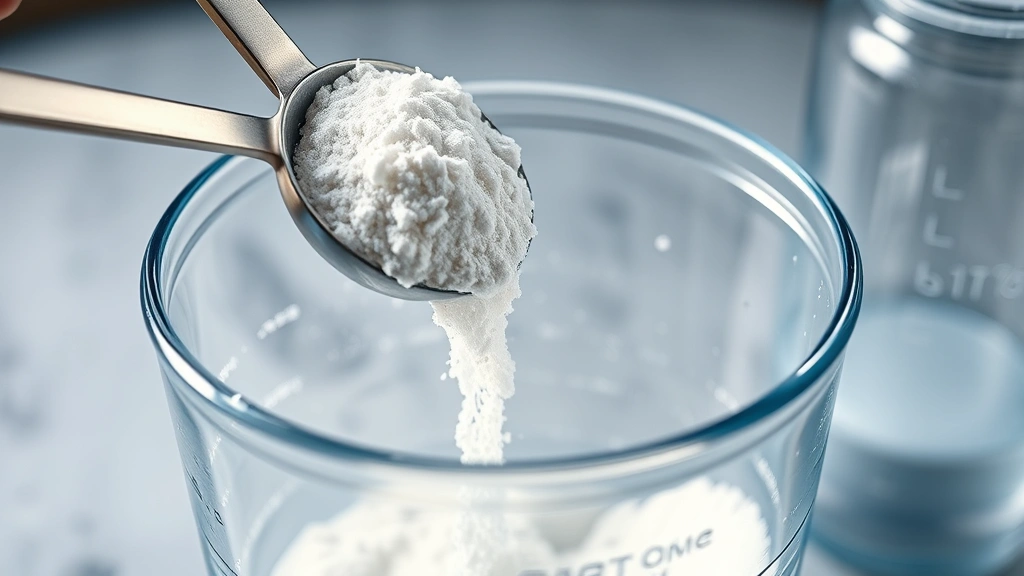
Micronized creatine refers to creatine monohydrate particles that have been reduced to an extremely small size—typically 20 times smaller than standard creatine powder. This reduction in particle size theoretically improves solubility, absorption, and bioavailability. The micronization process breaks down the creatine into microscopic particles, allowing for faster dissolution in water and potentially more efficient intestinal absorption.
The fundamental mechanism remains unchanged from regular creatine: once absorbed, creatine travels to muscle cells where it combines with phosphate to form phosphocreatine (PCr). During intense muscular contractions, phosphocreatine donates its phosphate group to adenosine diphosphate (ADP), regenerating adenosine triphosphate (ATP)—the primary energy currency of cells. This process extends your capacity for high-intensity effort, allowing you to perform more repetitions, lift heavier weights, or maintain power output longer.
The Science Behind Micronization
The theoretical advantages of micronized creatine center on particle size and its relationship to absorption. Standard creatine monohydrate particles measure approximately 200 micrometers in diameter. Micronized versions reduce this to roughly 10 micrometers, dramatically increasing surface area relative to volume.
According to peer-reviewed research on supplement bioavailability, smaller particles theoretically dissolve faster and may cross intestinal barriers more efficiently. However, the practical significance of this advantage remains contested among sports nutrition scientists. Some research suggests micronized formulations achieve superior blood levels of creatine within similar timeframes as standard monohydrate when both are dosed appropriately.
A critical consideration involves creatine solubility. Standard creatine monohydrate has limited water solubility—approximately 3 grams dissolves per 100 milliliters of water at room temperature. Micronization improves apparent solubility by reducing particle settling and clumping, making it easier to mix and consume. This convenience factor has significant practical implications for compliance and user experience, even if absorption efficiency remains comparable.
The micronization process itself involves mechanical reduction of particle size, typically through specialized milling equipment. Quality control during this process is crucial, as inconsistent micronization can result in variable particle sizes and unpredictable absorption patterns. Nutrition facts labels and third-party testing help consumers identify products from manufacturers maintaining rigorous quality standards.
Optimum Nutrition Micronized Creatine: Product Overview
Optimum Nutrition (ON) stands as one of the supplement industry’s most established manufacturers, with decades of market presence and substantial investment in quality assurance. Their micronized creatine powder represents a mainstream option in the competitive creatine market.
The product typically features pure micronized creatine monohydrate with minimal additives—often just creatine and potentially a small amount of dextrose to enhance absorption via the glucose-dependent creatine transporter mechanism. Each serving generally contains 5 grams of creatine, matching the standard dosing protocol supported by scientific literature.
Optimum Nutrition’s manufacturing processes include third-party testing and quality verification, addressing concerns some consumers have about supplement purity and contamination. Their reputation in the fitness community reflects consistent product quality and transparent labeling practices. The brand’s longevity suggests their formulations actually deliver on claims, distinguishing them from fly-by-night supplement companies making exaggerated assertions.
The product’s pricing typically falls in the mid-range for creatine supplements—more expensive than bulk generic creatine monohydrate but less costly than proprietary blends or heavily marketed alternatives. This positioning reflects realistic value: quality micronization and manufacturing standards command premium pricing over raw creatine, but the product doesn’t incorporate exotic ingredients justifying dramatic price increases.
Efficacy: What the Research Shows
The efficacy question splits into two components: whether micronized creatine works, and whether it works better than standard creatine monohydrate.
On the first point, the evidence is overwhelming. The International Society of Sports Nutrition recognizes creatine supplementation as one of the most effective ergogenic aids available. Decades of research consistently demonstrate that creatine increases muscle phosphocreatine content, enhances ATP regeneration capacity, and produces measurable improvements in strength, power output, and muscular endurance.
Typical benefits include 5-15% improvements in maximal strength and power output during short-duration, high-intensity exercise. Muscle mass gains often exceed what training alone produces, likely due to enhanced recovery and increased training capacity. These effects manifest reliably across diverse populations: young athletes, middle-aged individuals, and even older adults show consistent responses.
Regarding micronized creatine specifically versus standard monohydrate, the evidence becomes murkier. Several studies found no significant differences in efficacy between micronized and non-micronized formulations when dosed identically over comparable periods. Both forms elevate muscle creatine content and produce similar strength and power improvements. The smaller particle size appears to offer convenience and mixing benefits without necessarily translating to superior performance gains.
However, some research suggests micronized creatine may achieve target muscle creatine saturation slightly faster, potentially reducing the required loading phase duration. Additionally, improved solubility might enhance user compliance by eliminating the gritty texture and settling issues associated with standard monohydrate.
A practical consideration: if micronized creatine improves compliance through better mixability and taste, the resulting consistency in supplementation could produce superior long-term results compared to standard creatine that users abandon due to palatability issues. This psychological and practical dimension shouldn’t be overlooked when evaluating real-world efficacy.
Your nutrition for athletes strategy should consider these nuances rather than treating creatine as a magic bullet independent from broader dietary and training considerations.

Dosing and Loading Protocols
Effective creatine supplementation requires understanding evidence-based dosing strategies. The standard protocol involves either a loading phase or a gradual saturation approach.
Loading Protocol: Consume 20 grams daily (typically 5 grams four times daily) for 5-7 days, followed by 3-5 grams daily maintenance dosing. This approach rapidly elevates muscle creatine stores, producing noticeable performance benefits within 1-2 weeks.
Non-Loading Protocol: Consume 3-5 grams daily consistently without an initial loading phase. This approach takes 3-4 weeks to achieve equivalent muscle creatine saturation but eliminates potential gastrointestinal distress some individuals experience during loading.
Micronized creatine’s improved solubility makes both protocols more tolerable. Standard monohydrate’s grittiness during loading can cause digestive discomfort; micronized formulations mix more smoothly and dissolve more completely, potentially reducing GI issues.
For optimal absorption, consume creatine with a meal containing carbohydrates and protein. The glucose and amino acids stimulate insulin release, which enhances creatine transporter activity and muscle uptake. Adequate hydration is equally critical—creatine draws water into muscle cells, requiring increased fluid intake to maintain systemic hydration and cellular function.
Consistency matters more than protocol choice. Whether loading or gradually titrating, daily supplementation for weeks and months produces the desired effects. Missing doses sporadically or inconsistently supplementing undermines results.
Side Effects and Safety Considerations
Creatine supplementation enjoys an excellent safety profile across decades of research and millions of users. However, understanding potential side effects and contraindications remains essential for informed decision-making.
Common Side Effects: Water retention represents the most frequent reported effect. Creatine increases intramuscular water content, sometimes causing slight bloating or apparent weight gain despite fat loss. This effect stabilizes after the initial loading phase. Some individuals experience mild gastrointestinal distress, particularly during loading phases, manifesting as nausea, diarrhea, or stomach cramping.
Rare Concerns: Creatine supplementation has not been shown to damage kidneys in healthy individuals, despite persistent myths. Individuals with pre-existing kidney disease should consult healthcare providers before supplementing. Similarly, concerns about creatine affecting liver function lack scientific support in healthy populations.
Hydration status becomes critical when supplementing with creatine. The compound increases intramuscular water retention, potentially reducing plasma volume if total fluid intake remains constant. Athletes should increase water consumption by 1-2 liters daily during supplementation, particularly in hot environments or during intense training.
Micronized formulations don’t introduce novel safety concerns beyond standard creatine. The micronization process itself doesn’t alter the compound’s biochemical properties or safety profile—it simply changes particle size.
Comparison With Other Creatine Forms
The supplement market offers numerous creatine variants beyond micronized monohydrate. Understanding how they compare informs product selection.
Standard Creatine Monohydrate: The original and most researched form. Equally effective as micronized versions but with inferior mixability and solubility. Cost is typically lower. Appropriate for budget-conscious consumers willing to tolerate mixing challenges.
Creatine Ethyl Ester (CEE): Theoretically superior absorption due to ester linkage improving intestinal permeability. Research shows no meaningful advantage over monohydrate in actual muscle creatine accumulation. Premium pricing isn’t justified by efficacy data.
Buffered Creatine (Kre-Alkalyn): Allegedly reduces conversion to creatinine (an inactive metabolite), improving bioavailability. Studies show comparable efficacy to standard monohydrate. Marketing claims exceed scientific support.
Creatine Nitrate: Nitrate addition theoretically enhances absorption and provides additional vasodilatory benefits. Limited research; claims remain largely unvalidated. Costs significantly more than monohydrate without proven superiority.
Creatine Magnesium Chelate: Theoretical advantage of improved absorption through mineral chelation. Evidence remains insufficient for strong recommendations. Generally more expensive than monohydrate.
For most individuals, developing a healthy nutrition plan that includes standard or micronized creatine monohydrate provides superior value compared to exotic alternatives. Micronized monohydrate represents an optimal compromise between efficacy, safety, cost, and convenience.
Integration Into Your Fitness Strategy
Creatine supplementation works optimally as part of a comprehensive fitness strategy rather than as a standalone intervention. Maximizing benefits requires attention to training, nutrition, and recovery.
Training Considerations: Creatine’s benefits manifest primarily during resistance training and high-intensity exercise. Endurance athletes see minimal performance benefits. Ensure your training program emphasizes progressive resistance and high-intensity intervals to leverage creatine’s ergogenic properties.
Nutritional Context: Creatine supplementation doesn’t compensate for inadequate overall nutrition. Ensure sufficient protein intake (0.7-1.0 grams per pound of bodyweight), adequate caloric intake for your goals, and micronutrient sufficiency. Your nutrition care process should address total dietary quality before expecting supplementation to produce dramatic results.
Carbohydrate timing matters. Consume creatine with meals containing carbohydrates and protein to maximize insulin-mediated uptake. Post-workout meals represent optimal timing, as training-induced increases in muscle blood flow and transporter expression enhance creatine accumulation.
Recovery and Hydration: Creatine’s benefits depend on adequate recovery. Ensure 7-9 hours of quality sleep nightly, manage stress appropriately, and maintain consistent training volume. Increase water intake by 1-2 liters daily to support creatine’s intramuscular water-drawing effects and maintain systemic hydration.
Realistic Timeline: Expect 2-4 weeks before noticing performance improvements. Initial weight gain of 1-2 pounds reflects water retention rather than fat loss. Strength and power improvements emerge gradually over subsequent weeks. Patience and consistency produce superior results compared to expecting immediate dramatic changes.
Consider consulting with a sports nutritionist or strength coach to optimize how creatine supplementation integrates with your specific training program and dietary approach. Generic recommendations work for many, but individualized strategies often produce superior outcomes.
The Nutrients Pathway Blog provides additional resources exploring supplement efficacy, nutrition science, and evidence-based fitness strategies that complement creatine supplementation.
FAQ
Is micronized creatine better than regular creatine?
Micronized creatine offers improved mixability and potentially faster absorption, but efficacy for strength and power gains appears equivalent to standard monohydrate when dosed similarly. The practical convenience of superior mixing may improve compliance for some users, indirectly producing better results through consistency. Choose micronized for convenience; either form works effectively for performance.
How long does micronized creatine take to work?
With a loading protocol (20 grams daily for 5-7 days), noticeable performance improvements typically emerge within 1-2 weeks. Without loading, gradual saturation requires 3-4 weeks before measurable benefits appear. Individual variation exists; some respond faster while others require additional weeks.
Can you take micronized creatine without loading?
Yes. The non-loading approach involves consistent 3-5 gram daily dosing for 3-4 weeks. This method eliminates potential loading-phase gastrointestinal distress and produces equivalent results, just more slowly. Choose based on preference for rapid versus gradual saturation.
Does micronized creatine cause kidney damage?
Extensive research in healthy individuals shows no kidney damage from creatine supplementation. However, individuals with pre-existing kidney disease should consult their physician before supplementing. Maintain adequate hydration (1-2 additional liters daily) when supplementing.
Is Optimum Nutrition micronized creatine worth the price?
Optimum Nutrition’s pricing reflects quality manufacturing, third-party testing, and established brand reputation. The product delivers on basic promises: pure micronized creatine monohydrate with reliable mixing and absorption. Whether premium pricing justifies the cost depends on your budget priorities and preference for established brands versus generic alternatives.
Can women use micronized creatine?
Yes. Women respond to creatine supplementation similarly to men. The same loading protocols, dosing strategies, and safety considerations apply. Concerns about creatine causing excessive muscle gain or hormonal effects lack scientific support. Creatine simply enhances training capacity and recovery; results depend on training stimulus and overall nutrition.
Should you cycle creatine supplementation?
Cycling (periodic breaks from supplementation) isn’t necessary. Continuous supplementation maintains elevated muscle creatine stores without tolerance development. Some athletes cycle for psychological reasons or cost savings, but biochemically, consistent supplementation proves superior. If discontinuing, expect gradual decline in muscle creatine over 4-6 weeks as natural production and urinary excretion balance.


