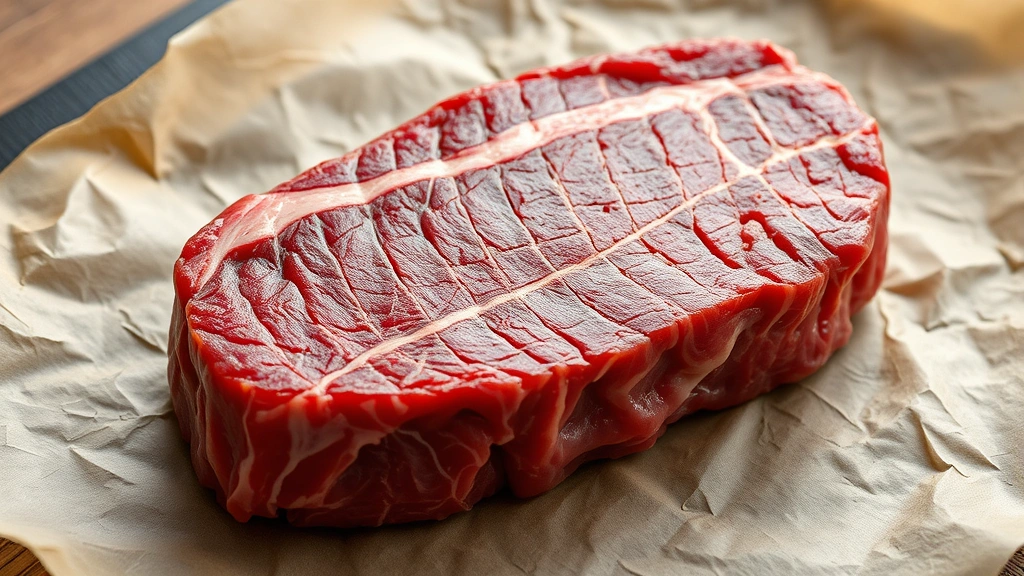
Sirloin Steak Nutrition: A Dietitian’s Comprehensive Breakdown
Sirloin steak has long occupied a prominent position in the American diet, celebrated for its rich flavor and satisfying texture. Yet beyond the palate-pleasing experience lies a complex nutritional profile that deserves careful examination. As a lean cut of beef, sirloin offers substantial protein content alongside essential micronutrients, making it a legitimate contender in balanced nutrition planning. Understanding the precise composition of this popular protein source enables informed dietary decisions and helps consumers maximize nutritional benefits while managing potential health considerations.
This comprehensive analysis examines sirloin steak nutrition from multiple angles, breaking down macronutrient composition, micronutrient density, and practical applications within broader dietary frameworks. Whether you’re an athlete optimizing protein intake, a health-conscious consumer seeking nutrient-dense foods, or someone curious about meat’s role in wellness, this evidence-based breakdown provides the context needed for confident nutritional choices.
Macronutrient Profile: Understanding the Numbers
A 3-ounce (85g) serving of cooked sirloin steak, trimmed of visible fat, delivers approximately 180 calories with a macronutrient distribution that reflects its status as a protein-dominant food. The protein content reaches roughly 26 grams per serving, representing approximately 52% of total calories. This substantial protein concentration makes sirloin an excellent choice for individuals pursuing muscle development, athletic performance, or general protein adequacy within a healthy nutrition plan.
Carbohydrates register at zero grams, consistent with all unbreaded, unprocessed beef products. This characteristic appeals to low-carbohydrate diet followers and those managing blood sugar levels. The fat content typically ranges from 8-10 grams per serving, depending on trimming practices and cooking method. Notably, approximately 3-4 grams derive from saturated fat, while 4-5 grams come from unsaturated varieties including oleic acid—the same monounsaturated fat found in olive oil.
The macronutrient ratio demonstrates why nutritionists frequently recommend sirloin within balanced meal frameworks. Compared to fattier cuts like ribeye or New York strip, sirloin provides superior protein-to-calorie efficiency while maintaining satisfactory fat content for nutrient absorption and satiety. This balance positions sirloin as a versatile protein option accommodating various dietary philosophies from Mediterranean approaches to ketogenic protocols.
Micronutrients and Vitamins: The Hidden Nutritional Wealth
Beyond macronutrient headlines, sirloin steak concentrates several micronutrients essential for optimal physiological function. The B-vitamin complex represents particularly impressive contributions, with sirloin delivering substantial quantities of B12, niacin, B6, and pantothenic acid. A single 3-ounce serving provides approximately 1.4 micrograms of B12—roughly 58% of the daily value for adults—making sirloin exceptional for individuals at risk of B12 deficiency, including older adults and vegans considering occasional meat consumption.
Niacin content reaches approximately 4.5 milligrams per serving, supporting energy metabolism and DNA repair processes. Vitamin B6 contributes roughly 0.5 milligrams, facilitating amino acid metabolism and neurotransmitter synthesis. These vitamins work synergistically to support energy production, cognitive function, and immune resilience—benefits particularly relevant for individuals examining nutrition and mental health connections.
Mineral composition proves equally impressive. Iron content reaches approximately 2.6 milligrams per serving, with the heme iron form demonstrating superior bioavailability compared to plant-based iron sources. Zinc concentrations hover around 5-6 milligrams, supporting immune function, wound healing, and testosterone production. Selenium provides roughly 27 micrograms, contributing to thyroid hormone metabolism and antioxidant defense. Phosphorus, magnesium, and potassium round out the mineral profile, supporting bone health, muscle function, and cardiovascular regulation.
Protein Quality and Amino Acid Composition
Not all proteins equal each other nutritionally—quality matters significantly. Sirloin steak provides complete protein containing all nine essential amino acids in optimal ratios for human requirements. The amino acid profile includes substantial leucine concentration, a branched-chain amino acid particularly important for muscle protein synthesis and metabolic regulation. This characteristic makes sirloin particularly valuable for strength athletes, older adults combating age-related muscle loss, and recovery-focused fitness enthusiasts.
The protein digestibility-corrected amino acid score (PDCAAS) rates beef at 1.0, the highest possible score, indicating complete and highly digestible protein. This superior digestibility means your body efficiently converts sirloin protein into functional amino acids with minimal waste. For individuals integrating beef within broader dietary strategies, this efficiency maximizes nutritional return on caloric investment.
Creatine content in sirloin provides additional performance benefits, supplying approximately 0.3-0.5 grams per 100-gram serving. While vegetarians and vegans can synthesize creatine endogenously, dietary sources reduce this metabolic burden and support athletic performance, particularly in high-intensity, short-duration activities. This makes sirloin particularly attractive for strength athletes and CrossFit practitioners.
Fat Content Analysis: Beyond Simplistic Categorization
Modern nutrition science has moved beyond demonizing all dietary fat, recognizing nuanced relationships between fat type, quantity, and health outcomes. Sirloin’s fat composition reflects this complexity. The saturated fat content, while present, remains moderate compared to fattier cuts. More importantly, sirloin contains approximately 3-4 grams of monounsaturated fat per serving—the same type prominent in Mediterranean diets associated with cardiovascular benefits.
The oleic acid in sirloin supports anti-inflammatory signaling and enhances nutrient absorption, particularly fat-soluble vitamins A, D, E, and K. Additionally, sirloin contains conjugated linoleic acid (CLA), a polyunsaturated fatty acid demonstrating modest body composition benefits in research contexts. While individual CLA contributions remain small, the cumulative effect of multiple bioactive compounds supports overall nutritional value.
Cholesterol content reaches approximately 75 milligrams per 3-ounce serving—a consideration for individuals with specific health conditions. However, emerging research suggests dietary cholesterol’s impact on blood cholesterol varies substantially between individuals, with factors like saturated fat intake and genetic predisposition playing more significant roles. For most individuals following practical meal planning strategies, moderate sirloin consumption presents minimal cardiovascular concern.
Calories and Portion Control: Strategic Integration
At approximately 180 calories per 3-ounce cooked serving, sirloin fits comfortably within most caloric frameworks. For perspective, this 85-gram portion provides roughly 8-9% of a 2,000-calorie daily intake—modest enough to accommodate within diverse dietary approaches while delivering substantial nutrient density. The high protein content promotes satiety, meaning sirloin portions tend to satisfy appetite more effectively than equal caloric portions of carbohydrate-dense foods.
Practical portion guidance suggests 3-4 ounces as a single serving, aligning with both nutritionist recommendations and actual consumption patterns. This quantity provides approximately 26-35 grams of protein—sufficient to support muscle maintenance and synthesis while remaining appropriate for most meal structures. When incorporating sirloin within broader meal composition, pair it with non-starchy vegetables and whole grains to optimize micronutrient diversity and fiber intake.
The satiety factor deserves emphasis for individuals managing weight or energy balance. Protein’s thermic effect—the energy required for digestion—runs higher than carbohydrates or fat. This means consuming sirloin requires greater caloric expenditure for digestion, contributing modestly to overall energy balance. Combined with appetite suppression from protein, sirloin proves strategically valuable for satiety-focused nutrition approaches.
Health Benefits: Evidence-Based Advantages
Research from the National Institutes of Health demonstrates that lean beef consumption correlates with improved muscle mass maintenance and strength in older adults when combined with resistance training. The complete amino acid profile, combined with B12 and iron content, addresses common nutritional gaps in aging populations. For individuals concerned about sarcopenia or age-related decline, sirloin represents a nutrient-dense intervention supporting functional capacity.
The iron content proves particularly significant for menstruating individuals, athletes, and those with elevated iron requirements. Heme iron from sirloin demonstrates approximately 15-35% absorption rates compared to 2-20% for plant-based non-heme iron, making beef particularly valuable for iron status management. Combined with vitamin C sources, sirloin consumption can meaningfully impact iron bioavailability across entire meals.
Zinc’s immune-supporting properties gain relevance during high-stress periods or immune challenge. Athletes, healthcare workers, and individuals managing chronic stress may benefit from sirloin’s zinc concentration. Similarly, selenium’s role in thyroid hormone metabolism and antioxidant defense supports metabolic health and inflammatory regulation—particularly relevant for individuals navigating metabolic syndrome or inflammatory conditions.
The B-vitamin complex supports energy metabolism and nervous system function in ways particularly relevant for athletes and individuals with demanding cognitive work. Niacin supports DNA repair processes, while B6 facilitates neurotransmitter synthesis supporting mood and cognitive function. These benefits extend beyond simple protein provision, positioning sirloin as a functionally supportive food within comprehensive wellness approaches.
Preparation Methods Matter: Optimizing Nutritional Value
How you prepare sirloin substantially impacts its nutritional profile and health implications. Grilling, broiling, or pan-searing with minimal added fat preserves nutrient density while avoiding excess caloric contribution from cooking fats. These dry-heat methods typically result in moderate browning, triggering Maillard reactions that enhance flavor without requiring added sugars or refined ingredients.
Marinating sirloin in acidic ingredients like vinegar, citrus, or wine before cooking offers multiple benefits. Acids can break down connective tissue, improving tenderness while potentially enhancing mineral bioavailability. Herb-based marinades incorporating garlic, rosemary, and thyme add phytonutrients and antioxidants without caloric penalty. This approach creates flavorful, nutrient-dense preparations rivaling restaurant-quality steaks at home.
Conversely, preparation methods to minimize include breading, deep-frying, or heavy cream sauces, which substantially increase caloric density and potentially introduce inflammatory ingredients. Similarly, high-heat charring beyond light browning may generate heterocyclic amines (HCAs) and polycyclic aromatic hydrocarbons (PAHs)—compounds warranting moderation in frequent consumption. Moderate heat and shorter cooking times minimize these compounds while preserving nutritional value.
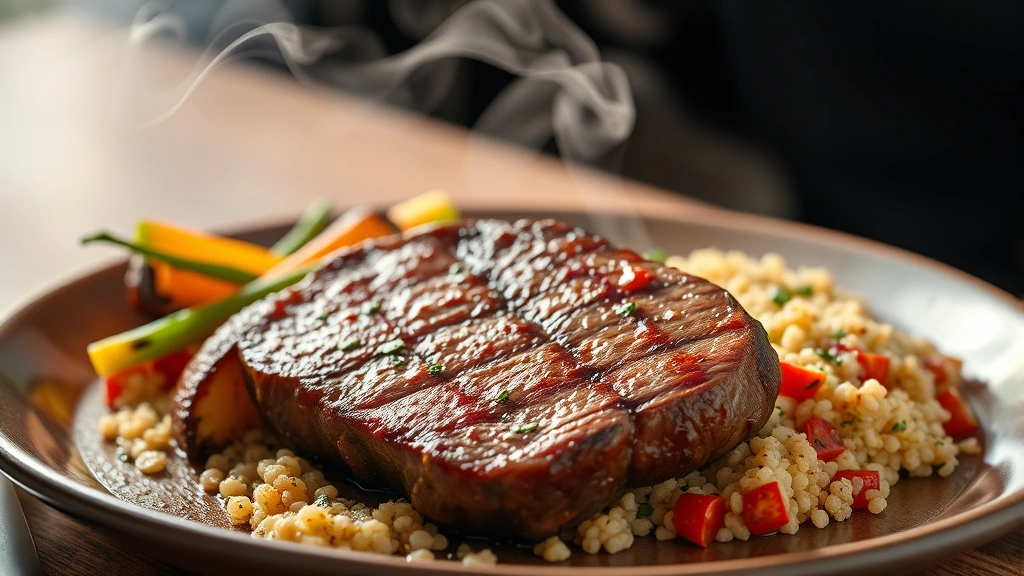
Pairing sirloin strategically amplifies nutritional benefits. Serving alongside antioxidant-rich vegetables, whole grains providing fiber, and vitamin C sources enhancing iron absorption creates synergistic nutritional compositions. A plate featuring 3-ounce sirloin, roasted broccoli, quinoa, and a citrus-based salad demonstrates practical integration maximizing micronutrient diversity and physiological benefit.
The Nutrients Pathway Blog offers additional insights into complementary foods that enhance nutrient absorption and overall meal quality. Similarly, exploring nutrition facts about avocados reveals how healthy fats from alternative sources can complement beef-based meals. Understanding the importance of dietary fiber for your health contextualizes how to round out sirloin-centered meals with fiber-rich components addressing digestive and metabolic health.
Frequently Asked Questions
Is sirloin steak healthy for daily consumption?
Moderate sirloin consumption—3-4 ounces, 3-4 times weekly—fits healthfully within most dietary approaches. Daily consumption may exceed saturated fat recommendations for some individuals, particularly those with cardiovascular concerns. Variety remains nutritionally advantageous, alternating sirloin with poultry, fish, legumes, and plant-based proteins ensures diverse micronutrient intake and reduces reliance on any single source.
How does sirloin compare to other beef cuts nutritionally?
Sirloin occupies an advantageous middle ground—leaner than ribeye or New York strip yet more flavorful and accessible than extremely lean cuts like eye of round. Per calorie, sirloin delivers superior nutrient density compared to fattier cuts while providing more satisfying eating experience than ultra-lean options. For balanced nutrition prioritizing both health and palatability, sirloin represents excellent value.
Does cooking method significantly impact nutritional value?
Yes, substantially. Grilling, broiling, and pan-searing preserve nutrient integrity while avoiding excess fat addition. Excessively high heat and charring may generate potentially harmful compounds warranting moderation. Cooking sirloin to medium doneness optimizes flavor, food safety, and nutrient preservation simultaneously.
What’s the best way to maximize iron absorption from sirloin?
Pair sirloin with vitamin C sources—citrus, tomatoes, bell peppers, or broccoli—which enhance non-heme iron absorption. Avoid consuming sirloin simultaneously with iron-inhibiting compounds like calcium supplements, coffee, or tea, which can reduce bioavailability. Consuming sirloin as a main protein source within balanced meals naturally optimizes mineral absorption.
Can sirloin fit within weight loss diets?
Absolutely. Sirloin’s high protein and satiety-promoting properties make it particularly valuable for weight management. The modest caloric density combined with substantial micronutrient content creates nutritional efficiency—maximum nutrition per calorie consumed. Portion control and strategic meal composition around sirloin support sustainable, nutritionally adequate weight loss approaches.
Is grass-fed sirloin nutritionally superior to grain-fed?
Research suggests modest nutritional differences. Grass-fed beef may contain slightly higher omega-3 fatty acid concentrations and CLA levels, though differences remain relatively small. Both grass-fed and grain-fed sirloin provide excellent nutrition; accessibility, cost, and personal values often drive selection more meaningfully than marginal nutritional differences.


