Wild Rice Benefits: Nutritionist Insights on This Ancient Grain
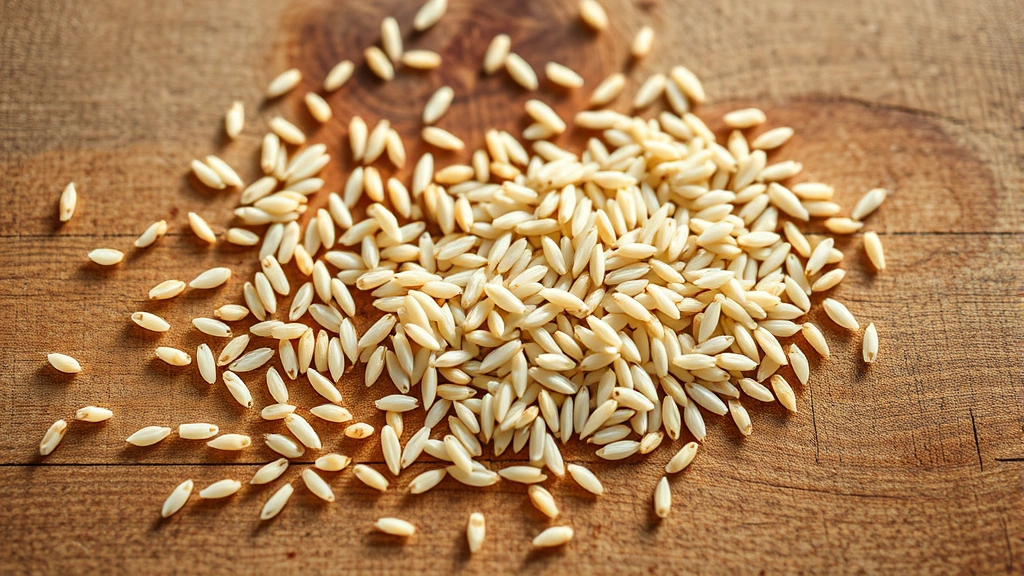
Wild rice has emerged as a nutritional powerhouse in contemporary dietary discussions, yet many consumers remain unaware of its remarkable health benefits and nutritional profile. Unlike its white or brown rice cousins, wild rice is technically a grass seed that has been harvested for centuries by Indigenous peoples across North America. This ancient grain offers a unique combination of proteins, minerals, and phytonutrients that distinguish it from conventional rice varieties. Nutritionists increasingly recommend wild rice as a versatile ingredient for those seeking to optimize their dietary intake and support long-term wellness goals.
The resurgence of interest in wild rice reflects a broader shift toward whole grains and plant-based nutrition. As consumers become more health-conscious and ingredient-aware, traditional foods like wild rice gain prominence in meal planning and nutritional strategies. Understanding the specific benefits of wild rice nutrition requires examining its biochemical composition, bioavailability of key nutrients, and practical applications within balanced dietary frameworks. This comprehensive guide explores what makes wild rice a valuable addition to modern nutrition plans.
Wild Rice Nutrition Profile: What Makes It Special
Wild rice stands apart from conventional grains due to its exceptional nutrient density and unique nutritional architecture. A single cup of cooked wild rice contains approximately 166 calories, 6.5 grams of protein, and 3.5 grams of dietary fiber—significantly higher protein content than white rice and comparable to some legumes. This macronutrient balance makes wild rice particularly valuable for individuals following plant-based diets or seeking to increase protein intake without relying solely on animal products.
The nutritional composition of wild rice reflects its natural growing conditions and genetic makeup. Unlike hybridized modern grain varieties, wild rice retains its original nutrient-dense characteristics, offering superior levels of B vitamins, magnesium, and phosphorus compared to refined grain alternatives. When examining your nutrition facts label, wild rice demonstrates a favorable macronutrient ratio that supports stable blood sugar levels and sustained energy release. This makes it an excellent choice for individuals managing metabolic health or seeking sustained satiety throughout the day.
Research from Pew Research Center’s food and agriculture studies indicates that consumers increasingly prioritize whole grains with complete nutritional profiles. Wild rice aligns perfectly with these preferences, offering a whole grain option that requires no processing or refinement to deliver its full nutritional benefits. The grain’s naturally high fiber content and protein levels mean you receive maximum nutritional value in every serving, without the need for fortification or supplementation.
Protein Content and Amino Acid Composition
One of the most compelling aspects of wild rice nutrition involves its protein content and amino acid profile. With approximately 6.5 grams of protein per cooked cup, wild rice provides more protein than brown rice (5 grams) and substantially more than white rice (4.3 grams). This elevated protein content makes wild rice particularly attractive for vegetarians, vegans, and anyone seeking to diversify their protein sources beyond conventional animal products.
The amino acid composition of wild rice deserves special attention from a nutritional science perspective. Wild rice contains all nine essential amino acids, making it a complete protein source—a distinction shared by very few plant-based foods. This completeness is particularly significant because your body cannot synthesize these nine amino acids independently; they must come from dietary sources. When you incorporate wild rice into meals, especially when combined with legumes or other complementary proteins, you create powerful synergistic effects that enhance overall protein quality and utilization.
Nutritionists emphasize that the protein in wild rice demonstrates strong bioavailability, meaning your digestive system can efficiently absorb and utilize these amino acids. This contrasts with some plant proteins that remain partially inaccessible due to anti-nutrient compounds or structural barriers. The accessibility of wild rice’s protein makes it a practical option for athletes, active individuals, and anyone seeking to optimize muscle maintenance and recovery through dietary means. Pairing wild rice with your healthy nutrition plan creates a sustainable protein strategy that extends beyond conventional approaches.
Fiber Benefits and Digestive Health
Dietary fiber represents one of wild rice’s most underappreciated nutritional assets, yet it plays a crucial role in digestive function and overall metabolic health. With 3.5 grams of fiber per cooked cup, wild rice provides approximately 14% of the daily recommended fiber intake in a single serving. This fiber content supports multiple aspects of digestive health, from promoting regular bowel movements to feeding beneficial gut bacteria that support immune function and metabolic regulation.
The fiber in wild rice exists in both soluble and insoluble forms, each contributing distinct health benefits. Soluble fiber dissolves in water and forms a gel-like substance that slows digestion, promoting feelings of fullness and stable blood sugar levels. Insoluble fiber remains intact through the digestive tract, adding bulk to stool and supporting regular elimination. This dual-fiber system makes wild rice particularly effective for individuals seeking to optimize digestive function without relying on supplements or processed fiber sources.
Research into the importance of dietary fiber for your health consistently demonstrates that whole grains like wild rice significantly reduce risk for colorectal cancer, type 2 diabetes, and cardiovascular disease. The prebiotic properties of wild rice’s fiber also support the growth of beneficial bacteria in your microbiome, which increasingly research links to mental health, immune function, and metabolic efficiency. By choosing wild rice over refined grain alternatives, you’re making an investment in long-term digestive wellness and disease prevention.
Minerals and Micronutrients in Wild Rice
Wild rice delivers an impressive array of essential minerals and micronutrients that support fundamental physiological processes. Magnesium content in wild rice reaches approximately 52 milligrams per cooked cup, contributing meaningfully to bone health, muscle function, and nervous system regulation. This mineral proves particularly valuable for individuals experiencing stress, as magnesium plays a central role in the body’s stress response system and relaxation mechanisms.
Phosphorus, another key mineral abundant in wild rice, works synergistically with calcium to support bone structure and density. The phosphorus content in wild rice (approximately 183 milligrams per cooked cup) exceeds that of brown rice and provides essential support for individuals concerned with skeletal health and longevity. Additionally, wild rice contains manganese, a trace mineral crucial for bone development, wound healing, and metabolic function. These mineral components work together within wild rice’s complex matrix to support systemic health in ways that isolated supplements cannot replicate.
The B vitamin complex in wild rice includes thiamine, niacin, and folate—nutrients essential for energy metabolism, nervous system function, and DNA synthesis. Thiamine specifically supports carbohydrate metabolism and helps convert food into usable energy, making wild rice an excellent choice for active individuals and those seeking stable energy levels throughout the day. When you examine your nutritional intake through the lens of micronutrient density, wild rice emerges as a grain that delivers substantial value relative to its caloric content.
Antioxidants and Phytonutrient Power
Perhaps the most scientifically exciting aspect of wild rice nutrition involves its antioxidant and phytonutrient content. Wild rice contains phenolic compounds and flavonoids—plant-derived molecules that combat oxidative stress and inflammation at the cellular level. These compounds exist in the grain’s outer layers and bran, which wild rice retains entirely, unlike refined grain products that remove these nutrient-rich components.
The antioxidant capacity of wild rice has been documented in peer-reviewed research, demonstrating activity levels comparable to or exceeding many vegetables and fruits. This antioxidant power becomes particularly relevant when considering chronic disease prevention. Oxidative stress and chronic inflammation underlie most age-related diseases, including cardiovascular disease, neurodegenerative conditions, and certain cancers. By incorporating wild rice into your diet, you’re consuming a whole food source of antioxidants that work synergistically with the grain’s other nutritional components to reduce inflammation and support cellular health.
The phytonutrients in wild rice include compounds with demonstrated anti-cancer properties in laboratory studies. While human clinical trials remain limited, the presence of these bioactive compounds adds another dimension to wild rice’s nutritional value. This holistic approach to nutrition—considering not just macronutrients and vitamins, but also the thousands of plant compounds that work together—represents the future of nutritional science and dietary recommendations.

Cardiovascular and Metabolic Benefits
Wild rice contributes meaningfully to cardiovascular health through multiple mechanisms that operate simultaneously. The combination of fiber, plant protein, minerals, and antioxidants works together to support healthy cholesterol levels, blood pressure regulation, and endothelial function. Studies examining whole grain consumption consistently demonstrate reduced cardiovascular disease risk among individuals who consume adequate amounts of whole grains like wild rice.
The glycemic impact of wild rice deserves particular attention, especially for individuals managing blood sugar levels or concerned about metabolic health. Wild rice possesses a moderate glycemic index (approximately 57), meaning it releases glucose into the bloodstream at a measured pace that doesn’t trigger dramatic insulin spikes. This metabolic stability proves valuable for diabetes management, weight maintenance, and sustained energy provision. The fiber and protein content further moderate glucose absorption, creating an ideal nutritional profile for metabolic health optimization.
Weight management represents another area where wild rice demonstrates practical benefits. The satiety-promoting properties of wild rice’s protein and fiber combination mean that individuals consuming wild rice-based meals tend to consume fewer total calories throughout the day without experiencing hunger or deprivation. This makes wild rice an excellent foundation for sustainable weight management strategies that don’t rely on caloric restriction or elimination diets. When building your nutrition care process, wild rice serves as a cornerstone grain that supports multiple health objectives simultaneously.
Practical Integration into Your Diet
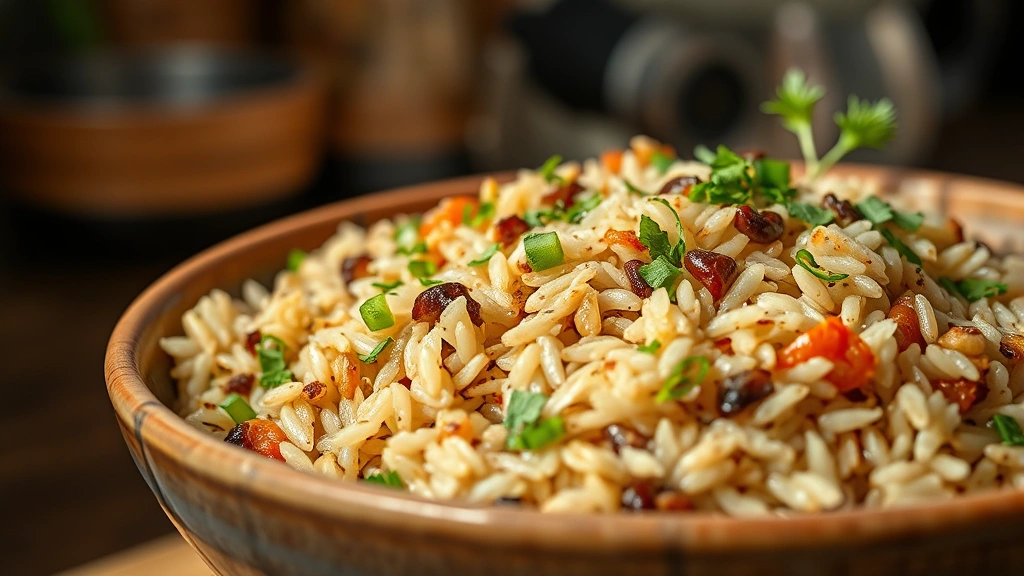
Understanding wild rice’s nutritional benefits means little without practical strategies for incorporating it into daily meals. Wild rice works beautifully as a base for grain bowls, combining with roasted vegetables, legumes, and protein sources to create complete, satisfying meals. The grain’s slightly nutty flavor and chewy texture provide sensory satisfaction that encourages consistent consumption and makes healthy eating feel rewarding rather than restrictive.
Preparation methods significantly impact wild rice’s final nutritional value and palatability. Rinsing wild rice before cooking removes debris and dust, while cooking in vegetable or bone broth (rather than plain water) enhances flavor and adds additional micronutrients. The cooking process takes approximately 45-60 minutes, making advance preparation practical for meal planning. Many individuals find that batch-cooking wild rice at the beginning of the week facilitates easy incorporation into multiple meals throughout the subsequent days.
Culinary applications for wild rice extend far beyond simple side dishes. Wild rice works exceptionally well in soups, where its texture and nutritional density transform broth-based meals into complete, nourishing dishes. Mixing wild rice with other grains—such as quinoa or farro—creates interesting flavor and texture combinations while diversifying your grain intake. Additionally, wild rice can be incorporated into casseroles, stuffings, and even salads, demonstrating remarkable versatility that encourages regular consumption.
For individuals following specific dietary approaches, wild rice aligns naturally with whole food, plant-based, paleo-friendly, and gluten-free dietary frameworks. This versatility makes wild rice an accessible choice regardless of your specific nutritional philosophy or dietary restrictions. The grain’s nutrient density means that even modest portions provide meaningful nutritional contributions, making it economical and practical for budget-conscious consumers seeking maximum nutritional value.
Comparison with Other Grain Options
Examining wild rice within the broader context of grain options clarifies its unique position in the nutritional landscape. Compared to white rice, wild rice provides substantially more protein (6.5g vs. 4.3g), fiber (3.5g vs. 0.6g), and minerals, while containing virtually identical caloric content. This makes wild rice a straightforward nutritional upgrade for anyone currently consuming white rice, requiring no additional lifestyle modifications beyond simple substitution.
When compared to brown rice—often considered the “healthier” rice option—wild rice demonstrates comparable or superior nutritional profiles depending on specific nutrients examined. Both whole grains retain their bran layers and offer significant advantages over refined options. However, wild rice’s superior protein content and antioxidant capacity give it an edge for individuals prioritizing these particular nutrients. The choice between wild rice and brown rice often comes down to personal preference, availability, and specific nutritional priorities.
Comparing wild rice to other whole grains like quinoa, farro, and barley reveals interesting complementarities rather than clear superiority. Quinoa contains more complete amino acid profiles and higher protein content, while wild rice excels in mineral density and antioxidant power. Farro offers unique phytonutrients and excellent flavor characteristics, while barley provides exceptional beta-glucan content for cholesterol management. Rather than viewing these grains as competitors, savvy nutrition planning incorporates variety, rotating between different whole grains to maximize the breadth of nutrients consumed.
For individuals seeking to optimize their nutrients pathway and dietary diversity, wild rice deserves regular inclusion alongside other whole grain options. The grain’s unique nutritional profile ensures that incorporating wild rice adds distinct nutrients and phytonutrients that other grains may not provide in equivalent quantities. This approach to grain selection—prioritizing diversity and nutritional complementarity—represents best practices in contemporary nutritional science.
FAQ
Is wild rice actually a rice?
Technically, wild rice is not true rice but rather a grass seed (genus Zizania). Despite this botanical distinction, it functions nutritionally and culinarily as a grain and shares many characteristics with rice varieties. The name reflects its historical use and culinary applications rather than strict botanical classification.
How does wild rice compare to regular rice in terms of nutrition?
Wild rice substantially outperforms white rice and brown rice in protein content, fiber content, and most micronutrients. A cooked cup of wild rice contains approximately 6.5 grams of protein and 3.5 grams of fiber, compared to white rice’s 4.3 grams protein and 0.6 grams fiber. This makes wild rice a significantly more nutrient-dense option.
Can wild rice help with weight loss?
Wild rice supports weight management through its satiety-promoting properties. The combination of protein and fiber means that meals based on wild rice keep you feeling full longer, naturally reducing total caloric intake without requiring conscious restriction. This makes wild rice a practical component of sustainable weight management strategies.
Is wild rice gluten-free?
Yes, wild rice is naturally gluten-free, making it an excellent grain option for individuals with celiac disease or gluten sensitivity. However, cross-contamination can occur during processing, so individuals with severe gluten sensitivities should seek certified gluten-free wild rice products.
How should wild rice be stored?
Uncooked wild rice stores well in cool, dry conditions for extended periods—often up to one year or longer. Cooked wild rice should be refrigerated in airtight containers and consumed within 4-6 days. Freezing cooked wild rice extends shelf life significantly, making it convenient for meal preparation strategies.
Does wild rice contain arsenic like other rice varieties?
While wild rice may contain trace amounts of arsenic (as do most crops), levels are significantly lower than conventional rice varieties. The grain’s growing conditions and lower accumulation patterns mean wild rice represents a safer rice option for individuals concerned about arsenic exposure from frequent rice consumption.
How does wild rice affect blood sugar levels?
Wild rice has a moderate glycemic index (approximately 57) and provides substantial fiber and protein, all of which moderate blood sugar response. This makes wild rice an appropriate grain choice for individuals managing diabetes or concerned about metabolic health and blood sugar stability.


