Healthy Cookout Tips: A Dietitian-Approved Guide to Summer Nutrition
Summer cookouts represent one of the year’s most anticipated social traditions, yet they frequently challenge dietary goals with calorie-dense foods, sugary beverages, and oversized portions. The average American cookout can exceed 2,000 calories in a single meal—nearly a full day’s recommended intake for many adults. However, enjoying delicious grilled foods while maintaining nutritional balance is entirely achievable with strategic planning and informed choices.
This comprehensive guide provides evidence-based strategies for navigating cookout nutrition without sacrificing flavor or social enjoyment. Drawing from dietitian expertise and nutritional science, we’ll explore how to build satisfying plates, select protein wisely, manage portions, and make conscious beverage choices that align with your health objectives.
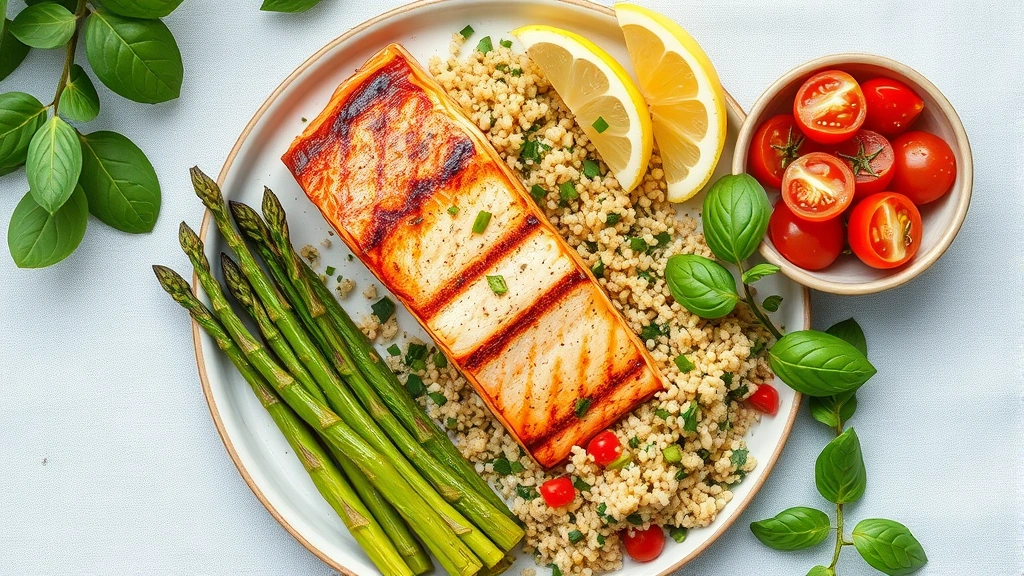
Smart Protein Selection
Protein forms the foundation of a satisfying cookout meal, and selecting the right options significantly impacts overall nutritional quality. Lean proteins provide essential amino acids with minimal saturated fat, supporting muscle maintenance and prolonged satiety throughout the afternoon.
Optimal protein choices include:
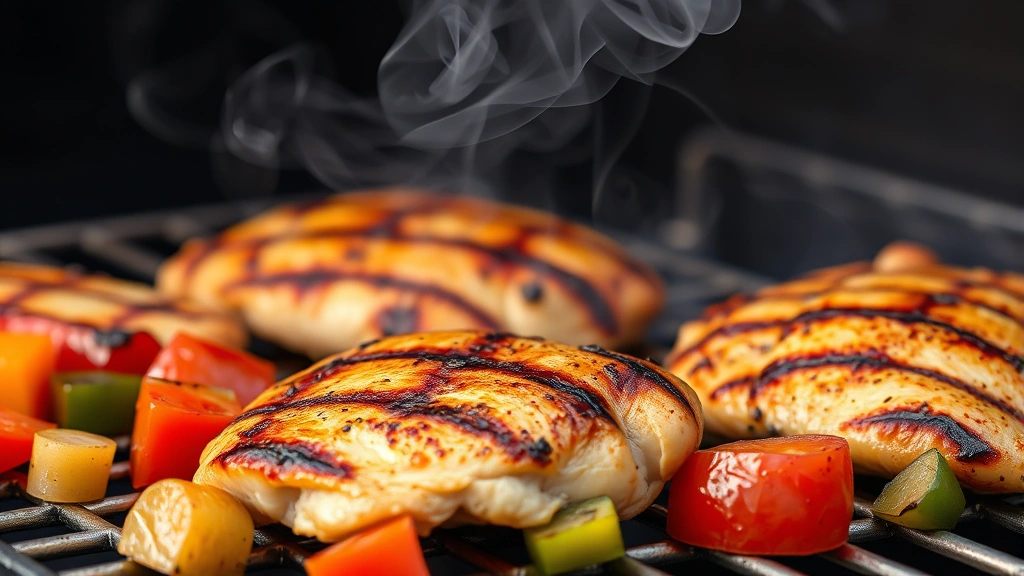
- Skinless chicken breast (165 calories, 31g protein per 3.5 oz)
- Fish and seafood like salmon, tilapia, or shrimp (offering omega-3 fatty acids)
- Lean ground turkey (93% lean varieties available)
- Plant-based options including black bean burgers and grilled tofu
- Lean beef cuts such as sirloin or tenderloin in modest portions
Ground meat selection deserves particular attention. Conventional ground beef contains 20-25% fat content, while 93% lean varieties provide substantially lower calorie and saturated fat profiles. Similarly, ground turkey at 99% lean offers an excellent alternative to traditional higher-fat options. When grilling, these leaner proteins benefit from marinades containing olive oil and acidic components like vinegar or citrus juice, which enhance flavor while tenderizing meat through enzymatic action.
Consider bringing your own proteins if hosting at a venue where menu options are limited. This simple strategy ensures alignment with your nutritional preferences and eliminates last-minute compromises. Following our nutrition care process helps identify which proteins best support your individual health goals.
Portion sizes matter considerably. A standard serving of protein measures 3.5 ounces (about the size of a deck of cards), though many cookout portions double or triple this amount. Aim for one to two servings depending on your daily caloric needs and activity level. Combining smaller protein portions with abundant vegetables and whole grains creates satisfying meals without excessive calories.
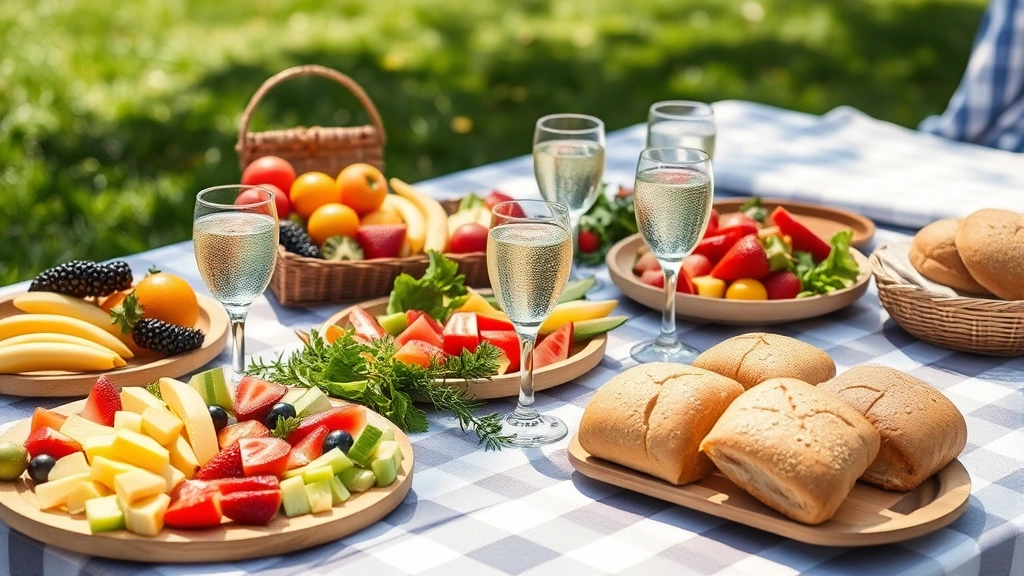
Vegetable and Produce Strategies
Vegetables represent nutritional powerhouses at cookouts, providing fiber, micronutrients, and phytonutrients with negligible caloric density. Yet vegetables frequently occupy the smallest portion of cookout plates, overshadowed by starches and proteins. Intentionally prioritizing produce reshapes meal composition toward greater nutritional density.
Grillable vegetables offering excellent flavor:
- Bell peppers (red, yellow, orange varieties add visual appeal)
- Zucchini and summer squash
- Eggplant
- Asparagus
- Mushrooms (portobello caps create substantial, meaty textures)
- Corn on the cob (in moderation as a starchy vegetable)
- Tomatoes
Grilling vegetables caramelizes their natural sugars, intensifying flavors without added fats. Light brushing with olive oil before grilling prevents sticking while keeping added fat minimal. Aim to fill half your plate with vegetables and whole grains, following established healthy plate guidelines endorsed by major nutrition organizations.
Raw vegetable options shouldn’t be overlooked. Colorful salads featuring leafy greens, cherry tomatoes, cucumbers, and bell peppers provide refreshing alternatives to heavier options. Bringing a vegetable-forward salad to share ensures availability of nutrient-dense options and contributes meaningfully to the overall cookout spread.
The importance of dietary fiber for your health cannot be overstated, and vegetables represent the primary dietary fiber source at most cookouts. Fiber supports digestive health, stabilizes blood sugar, and promotes satiety—factors that help prevent overeating at social events.
Condiment and Sauce Management
Condiments represent hidden caloric contributors that accumulate rapidly without conscious attention. A single tablespoon of mayonnaise adds 90 calories and 10 grams of fat, while barbecue sauce contributes 50-70 calories per tablespoon alongside significant added sugars. These seemingly modest additions can add 300-500 extra calories to a single burger.
Condiment strategy recommendations:
- Request condiments on the side rather than pre-applied to foods
- Use measuring spoons to portion condiments consciously
- Substitute mustard (3 calories per teaspoon) for mayonnaise-based sauces
- Choose vinegar-based barbecue sauces over sweeter varieties
- Prepare homemade sauces combining Greek yogurt with herbs for creamy dressings
- Utilize hot sauce and spices for flavor without added calories
Reading nutrition labels on bottled sauces reveals shocking sugar content. Many commercial barbecue sauces contain 12-16 grams of sugar per two-tablespoon serving—equivalent to three teaspoons of added sugar. Creating simple grilling marinades at home using olive oil, vinegar, garlic, and herbs provides superior flavor control with transparent ingredient lists.
Salad dressing selection significantly impacts overall meal nutrition. Full-fat ranch dressing contributes 150 calories and 16 grams of fat per two-tablespoon serving, while vinaigrette-based options provide comparable flavor with 40-60 calories and primarily unsaturated fats. Requesting dressing on the side allows portion control and flavor customization.
Beverage Selection Guide
Beverages represent perhaps the most overlooked caloric component of cookout nutrition. A single 12-ounce regular soda contains 140 calories and 39 grams of added sugar—exceeding daily added sugar recommendations for many individuals. Alcoholic beverages present similar challenges, with beer containing 100-200 calories per serving and sugary cocktails reaching 300+ calories.
Beverage recommendations for cookout settings:
- Water with lemon or lime slices (zero calories, promotes hydration)
- Unsweetened iced tea
- Sparkling water with fruit garnish
- Coffee or tea (hot or iced)
- Light beer (90-100 calories) if consuming alcohol
- Wine spritzers (mixing wine with sparkling water reduces calories and alcohol)
Limiting sugary beverages aligns with recommendations from the American Heart Association, which advises minimal added sugar consumption. Choosing water as your primary beverage eliminates liquid calories entirely while supporting optimal hydration—particularly important during warm summer months when dehydration risk increases.
If attending cookouts where beverage options are limited, bringing your own sugar-free alternatives ensures availability of choices supporting your health goals. Sparkling water with fresh fruit provides satisfying flavor and social acceptability without compromising nutrition.
Portion Control Tactics
Portion awareness represents a cornerstone of healthy cookout navigation. Environmental cues at cookouts—abundance of food, social pressure, and celebratory atmosphere—frequently lead to unconscious overeating regardless of hunger signals. Implementing specific portion control strategies helps maintain awareness and satisfaction.
Practical portion control approaches:
- Eat a small, protein-rich snack before attending to prevent arriving extremely hungry
- Use smaller plates if available, which create visual fullness with less food
- Fill half your plate with vegetables before adding other components
- Serve yourself once rather than making multiple trips through the food line
- Eat slowly, pausing between bites to allow satiety signals to register
- Engage in conversation away from the food table to reduce mindless eating
The nutrition facts label generator can help you understand portion sizes for packaged foods brought to cookouts, supporting informed decision-making about how much to consume.
Understanding standard serving sizes proves invaluable at buffet-style cookouts. A serving of meat measures approximately 3.5 ounces (the size of a deck of cards), a serving of cooked grains equals one-half cup, and a vegetable serving represents one cup raw or one-half cup cooked. Mentally calibrating these measurements helps estimate reasonable portions.
Healthier Side Dish Options
Traditional cookout side dishes frequently feature refined carbohydrates and added fats. Potato salad prepared with mayonnaise-based dressing can contain 350+ calories per cup, while chips and fried options contribute excess sodium and unhealthy fats. However, delicious alternatives satisfy cravings while supporting nutritional goals.
Nutritious side dish suggestions:
- Grilled corn on the cob with herb-based butter alternative
- Quinoa salad with diced vegetables and vinaigrette dressing
- Brown rice pilaf with vegetables and herbs
- Baked sweet potato wedges seasoned with paprika and garlic
- Coleslaw prepared with Greek yogurt-based dressing
- Grilled vegetable medley
- Whole wheat rolls instead of white bread options
Bringing a vegetable-forward side dish to share ensures availability of nutritious options while contributing meaningfully to the cookout spread. A substantial salad featuring whole grains, legumes, and seasonal vegetables provides satisfying nutrition that complements grilled proteins.
Consulting our healthy nutrition plan guide helps identify side dishes aligned with your long-term dietary objectives and health priorities.
Pre-Cookout Preparation
Strategic preparation before attending cookouts dramatically improves nutritional outcomes. Arriving with a plan prevents reactive decision-making driven by convenience or social pressure.
Pre-cookout preparation checklist:
- Eat a balanced breakfast or lunch to prevent extreme hunger at the event
- Identify protein options in advance and plan your selections
- Bring a nutritious dish to share, ensuring availability of healthy options
- Set realistic goals (enjoy the social experience while making conscious choices)
- Stay hydrated throughout the day before the event
- Plan your plate composition mentally: half vegetables, one-quarter protein, one-quarter whole grains
Understanding how cookout nutrition fits within your broader dietary patterns supports sustainable health. Rather than viewing cookouts as nutritional “cheat days,” consider them as opportunities to practice balanced eating in social contexts. This approach builds lasting habits supporting long-term wellness.
The relationship between nutrition and mental health extends to social eating situations. Enjoying food in community settings while maintaining nutritional awareness supports both physical and psychological wellbeing.
Preparation extends to understanding your individual nutritional needs. Consulting the Nutrients Pathway Blog provides ongoing education about evidence-based nutrition strategies applicable to various social eating scenarios.
Frequently Asked Questions
How can I enjoy cookouts while managing calorie intake?
Focus on protein and vegetable-rich plates while moderating starches and added-fat condiments. Fill half your plate with vegetables, one-quarter with lean protein, and one-quarter with whole grains. This composition provides satisfaction and nutrition within reasonable calorie parameters. Eating slowly and engaging in conversation away from food tables helps prevent unconscious overeating.
What are the best low-calorie cookout beverages?
Water, unsweetened iced tea, sparkling water, and black coffee represent zero or near-zero calorie options. If consuming alcohol, light beer (90-100 calories) or wine spritzers offer lower-calorie alternatives to regular beer and sugary cocktails. Limit sugary sodas and sweetened beverages, which contribute excessive added sugar without nutritional benefit.
How do I handle social pressure to eat unhealthily at cookouts?
Remember that you control your choices regardless of social dynamics. Politely decline foods not aligned with your goals while emphasizing your positive relationship with food rather than restriction. Bringing a nutritious dish you enjoy demonstrates your commitment to healthy eating without seeming exclusionary. Most social groups respect health-conscious choices when approached confidently.
Can I enjoy barbecue sauce at cookouts?
Absolutely. Choose vinegar-based sauces over sugar-heavy varieties, and apply them in measured amounts (one to two tablespoons rather than generous coatings). Alternatively, create homemade sauces combining tomato paste, vinegar, spices, and minimal added sugars. This approach delivers barbecue flavor with transparent ingredient knowledge and reduced sugar content.
What protein options are best for grilling?
Skinless chicken breast, fish, lean ground turkey, and lean beef cuts offer excellent nutritional profiles. Plant-based options including grilled tofu and black bean burgers provide protein and fiber for vegetarian attendees. Select proteins with minimal visible fat, and marinate them with herbs and acidic components rather than heavy oil-based mixtures.
How do I manage portion sizes at buffet-style cookouts?
Use smaller plates when available, which create visual fullness with reduced food quantities. Serve yourself once rather than making multiple trips. Fill half your plate with vegetables before adding other components. Remember that a protein serving measures approximately 3.5 ounces (deck of cards size), and adjust quantities accordingly based on your hunger and activity level.
Are there healthy cookout side dishes I can bring?
Yes. Consider bringing quinoa salad with vegetables, grilled vegetable medley, coleslaw with Greek yogurt dressing, or substantial salads featuring whole grains and legumes. These options provide nutrition and satisfy cravings while supporting your health goals and contributing meaningfully to the overall cookout spread.
Conclusion
Healthy cookout nutrition represents an achievable balance between enjoyment and wellness. By prioritizing lean proteins, abundant vegetables, whole grains, and mindful condiment use, you can create satisfying meals supporting your health objectives. Strategic beverage selection and portion awareness further optimize nutritional outcomes without requiring restrictive approaches that diminish social enjoyment.
Summer cookouts offer valuable opportunities to practice balanced eating in real-world social contexts, building sustainable habits that extend beyond special occasions. Approaching these events with confidence and preparation transforms them from nutritional challenges into celebrations that nourish both body and community connection.