Dutch Bros Calories: What to Know Before You Sip
Dutch Bros has become a cultural phenomenon, transforming from a regional coffee chain into a nationwide beverage destination with a devoted following. Their signature drinks—vibrant, Instagram-worthy, and unapologetically indulgent—have made them a staple for coffee enthusiasts and casual drinkers alike. However, the caloric content of these popular beverages often surprises consumers who assume they’re ordering a simple coffee. Understanding Dutch Bros nutrition is essential for anyone trying to make informed dietary choices while still enjoying their favorite drinks.
The chain’s explosive growth has raised important questions about transparency and health consciousness in the specialty beverage industry. With menu items ranging from straightforward espresso shots to elaborate frozen concoctions loaded with syrups and toppings, the calorie counts can vary dramatically. This comprehensive guide explores everything you need to know about Dutch Bros calories, from their most popular drinks to strategies for enjoying their menu while maintaining your nutritional goals.
Understanding Dutch Bros Menu Categories
Dutch Bros organizes their menu into distinct categories, each with varying nutritional profiles. The espresso-based drinks form the foundation of their offerings, including classics like lattes, cappuccinos, and Americanos. These beverages typically range from 50 to 250 calories depending on milk choice and size. The chain’s commitment to customization means that even within a single category, calorie content can fluctuate significantly based on individual selections.
Their signature drinks represent where Dutch Bros truly differentiates itself from competitors. Items like the Rebel (their energy drink-coffee hybrid), the OG (their flagship drink), and various seasonal creations often contain 300-500+ calories in a single serving. These drinks frequently combine espresso, flavored syrups, cream, and sweetened condensed milk, creating a dessert-like beverage that prioritizes taste over nutritional restraint.
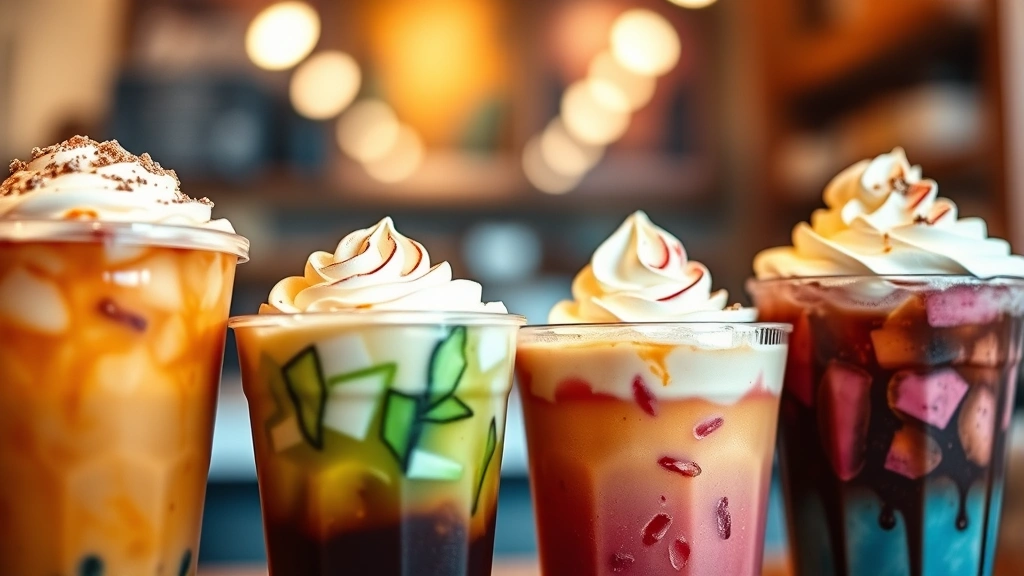
The frozen beverage category presents perhaps the most calorie-dense options on the menu. Frozen drinks with names like the Dutch Chocolate, Shark Bite, and various smoothie-style creations can easily exceed 600 calories, particularly in larger sizes. These items appeal to customers seeking indulgent treats, but their nutritional impact requires careful consideration for those tracking daily intake.
Understanding your healthy nutrition plan becomes crucial when navigating specialty coffee chains. Dutch Bros’ menu diversity means there are options for virtually every dietary preference, from simple black coffee (approximately 5 calories) to elaborate frozen creations that rival desserts in caloric content.
Calorie Counts by Drink Type
Espresso and Black Coffee Beverages: For the calorie-conscious consumer, Dutch Bros offers several low-calorie options. A black coffee or Americano contains virtually no calories. Straight espresso shots add approximately 5-15 calories per shot. These beverages provide the caffeine boost and coffee experience without significant nutritional impact, making them ideal for those strictly monitoring intake.
When you add milk, the calculation changes. A small latte with 2% milk contains roughly 120-150 calories, while a medium jumps to 180-210 calories. Opting for alternative milk options affects these numbers: almond milk reduces calories by approximately 30-40%, while whole milk increases them by similar percentages. A cappuccino, which uses less milk than a latte, typically ranges from 90-140 calories depending on size.
Flavored and Signature Drinks: Dutch Bros’ proprietary creations introduce significantly more calories through added syrups, sweeteners, and cream. The OG, one of their most popular items, contains approximately 420 calories in a medium size. The Rebel, combining energy drink with coffee, reaches around 260 calories for a medium before considering milk modifications.
Seasonal and limited-time offerings often push caloric boundaries further. Holiday-themed drinks might incorporate multiple syrups, whipped cream, and flavor shots that individually add 20-50 calories each. A customer ordering a drink with three flavor additions could be adding 60-150 calories beyond the base beverage’s content.
Frozen Beverages: The frozen category represents Dutch Bros’ most indulgent offerings. A medium Dutch Chocolate frozen drink contains approximately 580 calories, while a Shark Bite (combining energy drink with various fruit flavors) reaches around 520 calories. Larger sizes can exceed 700-800 calories, approaching the caloric content of a full meal.
These frozen creations often contain added sugars from syrups, sweetened condensed milk, and whipped cream toppings. A single frozen drink might contain 80-120 grams of sugar, exceeding the American Heart Association’s daily recommendation for added sugars in a single beverage.
Energy Drink Hybrids: Dutch Bros’ integration of energy drinks into their menu creates unique nutritional considerations. These beverages combine caffeine from both coffee and energy drink bases, potentially exceeding safe daily caffeine intake when combined with other sources. A Rebel contains approximately 350-400mg of caffeine in a medium size, compared to roughly 200-300mg in a traditional medium coffee.
Hidden Calories and Customization Concerns
One of Dutch Bros’ defining features—extensive customization—creates hidden calorie traps for unsuspecting consumers. While personalization allows customers to tailor drinks to their preferences, it simultaneously obscures true nutritional content. Many customers underestimate how individual additions compound into significant caloric increases.
Flavor Shots and Syrups: Dutch Bros offers numerous flavor options, from classic vanilla and caramel to trendy additions like white chocolate and coconut. Each pump of syrup adds approximately 20-30 calories and 5-8 grams of sugar. A drink with four flavor pumps gains 80-120 calories that many customers don’t consciously account for.
The distinction between syrups and flavor shots matters nutritionally. Sugar-free flavor shots reduce caloric impact but often contain artificial sweeteners, which carry their own health considerations discussed in research about nutrition and mental health. Understanding these trade-offs helps customers make informed choices aligned with their values.
Cream and Topping Additions: Whipped cream, cold foam, and cream-based toppings significantly impact final caloric content. A generous whipped cream topping adds 50-100 calories depending on portion size. Cold foam, increasingly popular at specialty coffee shops, adds 30-50 calories while creating a perception of premium quality.
Toppings like chocolate drizzles, caramel drizzles, and sprinkles add another 20-50 calories each. A customer ordering a drink with multiple toppings might inadvertently add 150+ calories beyond the base beverage.
Size Considerations: Dutch Bros’ sizing structure—small, medium, large, and extra-large—creates significant caloric variation. A small frozen drink might contain 420 calories, while an extra-large version could exceed 800 calories. The price difference often seems minimal compared to the size increase, incentivizing customers toward larger portions.
This pricing psychology intersects with portion control principles discussed in our guide on portion control for weight loss. Understanding how size impacts both cost and nutrition helps customers make economically and nutritionally sound decisions.
Sweetened Condensed Milk Base: Many Dutch Bros signature drinks incorporate sweetened condensed milk, which adds substantial calories and sugar. This ingredient, common in the chain’s most popular items, contributes 100-150 calories and 20-30 grams of sugar per serving. Customers often don’t realize this ingredient’s presence or its nutritional impact.
Comparing Dutch Bros to Competitors
Understanding Dutch Bros’ nutritional positioning requires context from the broader specialty coffee market. How does Dutch Bros compare to Starbucks, local coffee shops, and other national chains? The answer reveals important trends in beverage industry nutrition standards.
Dutch Bros vs. Starbucks: Both chains offer extensive customization, but their approach to nutrition transparency differs. Starbucks provides detailed nutritional information on their website and in-store, while Dutch Bros historically offered less accessible data. A Starbucks Caramel Macchiato contains approximately 240 calories (medium), compared to Dutch Bros’ OG at around 420 calories—a significant difference driven by Dutch Bros’ heavier use of sweetened condensed milk.
However, Starbucks’ Frappuccino line rivals Dutch Bros’ frozen drinks in caloric density. A medium Coffee Frappuccino contains roughly 210 calories, while a Caramel Frappuccino reaches 260 calories—lower than Dutch Bros’ frozen offerings but still substantial.
Dutch Bros vs. Local Coffee Shops: Independent coffee shops typically offer simpler preparations with fewer pre-made syrups and sweetened bases. A medium latte from a local café averages 150-200 calories, lower than Dutch Bros’ specialty drinks but comparable to their straightforward espresso-based beverages. The key difference lies in signature items: Dutch Bros’ branded creations intentionally emphasize flavor and indulgence over minimalism.
Dutch Bros vs. Energy Drink Chains: Dutch Bros’ Rebel and similar energy-coffee hybrids position them competitively against pure energy drink retailers. A Red Bull contains 110 calories with 27 grams of sugar. Dutch Bros’ Rebel, at 260+ calories, offers more caffeine but significantly more calories. This comparison highlights how Dutch Bros differentiates through beverage complexity rather than nutritional efficiency.
Making Smarter Choices at Dutch Bros
Enjoying Dutch Bros while maintaining nutritional goals requires strategic decision-making and understanding available options. The chain’s menu diversity means healthier choices exist alongside indulgent ones; identifying them requires knowledge and intentionality.
Selecting Base Beverages Wisely: Starting with lower-calorie bases maximizes customization room. An Americano (10 calories) provides the foundation for flavor additions while remaining nutritionally conservative. A flat white with 2% milk (approximately 160 calories) offers richness without excess calories. These bases allow flavor customization without approaching caloric limits of more indulgent options.
Optimizing Milk Choices: Dutch Bros offers multiple milk alternatives, each with distinct nutritional profiles. Almond milk contains roughly 30 calories per serving compared to 2% milk’s 50 calories and whole milk’s 75 calories. For customers ordering multiple drinks weekly, milk selection compounds into meaningful caloric differences. Oat milk, increasingly popular, contains approximately 40 calories—a middle ground between almond and dairy options.
Strategic Syrup and Flavoring: Rather than eliminating flavor entirely, consider reducing syrup pumps. A drink with one pump instead of three saves 40-60 calories while maintaining noticeable flavor. Sugar-free syrups provide flavor without caloric impact, though their artificial sweetener content warrants consideration based on individual preferences and health goals.
Topping Alternatives: Requesting light or no whipped cream removes 50-100 calories. Cold foam, while still adding calories, provides visual appeal and texture with less impact than traditional whipped cream. Some customers find chocolate or caramel drizzles unnecessary once they’ve optimized base beverage flavor.
Incorporating Dutch Bros into Your Nutrition Plan: Rather than eliminating Dutch Bros entirely, consider how to integrate it into your meal planning strategy. A 400-calorie Dutch Bros drink represents roughly 15-20% of a 2000-calorie daily diet—manageable if accounted for in overall nutrition planning. Adjusting other meals to accommodate specialty coffee drinks allows enjoyment without derailing nutritional goals.
Nutritional Transparency and Industry Standards
The specialty coffee industry operates within evolving regulatory frameworks regarding nutritional transparency. Understanding these standards illuminates why Dutch Bros’ calorie information accessibility has become increasingly important.
FDA Menu Labeling Requirements: Under the FDA’s Menu Labeling Rule, chain restaurants with 20+ locations must display calorie information for standard menu items. Dutch Bros, as a national chain, falls under these requirements. However, the rule’s complexity regarding customization creates gray areas: chains must provide calorie information for standard preparations but aren’t necessarily required to account for every possible modification.
Customization Complexity: This regulatory gap creates challenges for consumers. A drink with five different customization options might have 20+ possible caloric variations. Providing information for every combination becomes practically impossible, yet customers lack clarity on how modifications affect nutritional content.
Industry leaders like Pew Research Center have examined consumer preferences regarding nutritional transparency, finding that 73% of Americans support mandatory calorie labeling for restaurant menu items. This consumer demand pressures chains to provide increasingly detailed information.
Dutch Bros’ Response to Transparency Demands: In response to consumer requests and regulatory pressure, Dutch Bros has improved nutritional information accessibility. Their website now includes detailed nutrition facts for most menu items, though finding and interpreting this information requires effort. Mobile app integration could further improve accessibility, allowing real-time calorie tracking while ordering.
Industry Trends in Health-Conscious Beverage Options: Across the specialty coffee industry, chains increasingly offer reduced-calorie alternatives. Options like protein-based cold foam, alternative sweeteners, and plant-based milk options reflect growing consumer interest in indulgence without excess calories. Dutch Bros’ evolution in this direction mirrors broader industry movement toward nutritional consciousness.
The Role of Digital Journalism in Nutrition Awareness: Media coverage examining digital journalism trends shows increased focus on food and beverage nutrition. Publications increasingly scrutinize specialty coffee chains’ nutritional claims, creating accountability that encourages transparency. This media attention has elevated Dutch Bros’ nutrition discussion from niche health blogs to mainstream coverage.
Understanding nutrition facts extends beyond individual foods to encompassing beverages that significantly impact daily intake. Dutch Bros, like other specialty coffee chains, deserves the same nutritional scrutiny applied to food products.
Consumer Advocacy and Industry Evolution: Advocacy groups increasingly pressure beverage chains to reduce added sugars and provide clearer nutritional guidance. Organizations focused on public health nutrition have called for industry-wide standards regarding maximum sugar content and mandatory clear labeling of caloric content based on standard preparation plus common modifications.
These conversations shape industry practice. Dutch Bros’ response to transparency demands will likely influence their competitive positioning as health-conscious consumers increasingly prioritize nutritional information when selecting beverage destinations.
FAQ
What is the lowest-calorie drink at Dutch Bros?
Black coffee and Americanos contain virtually no calories (less than 15 calories). Among espresso-based drinks with milk, a small cappuccino with almond milk represents one of the lowest-calorie options, typically containing 80-120 calories depending on exact preparation.
How many calories are in a Dutch Bros OG?
A medium Dutch Bros OG contains approximately 420 calories. This signature drink combines espresso, sweetened condensed milk, and flavor additions. Size and customizations significantly affect final caloric content; a small version contains roughly 280 calories while a large exceeds 550 calories.
Are Dutch Bros drinks suitable for weight loss diets?
Dutch Bros offers options compatible with weight loss goals, particularly their black coffee, Americanos, and simple lattes with alternative milk. However, their signature drinks typically exceed caloric budgets for restrictive weight loss approaches. Strategic selection and customization allow Dutch Bros enjoyment while maintaining weight loss progress.
What causes the high calorie count in Dutch Bros frozen drinks?
Frozen drinks’ high calorie content results from multiple factors: sweetened condensed milk base (100-150 calories), flavor syrups (60-90 calories), whipped cream or foam toppings (50-100 calories), and ice cream-like texture achieved through additional sweeteners and cream. These elements combine to create beverages rivaling desserts in caloric density.
Does Dutch Bros provide nutritional information?
Yes, Dutch Bros provides nutritional information on their website for standard menu items. However, accounting for customizations requires manual calculation. Their mobile app includes some nutritional details, though comprehensive information for all possible modifications remains limited compared to some competitors.
How can I reduce calories in my Dutch Bros order?
Strategies include: selecting lower-calorie bases (Americano, flat white), choosing almond or oat milk instead of whole milk, requesting fewer syrup pumps, declining whipped cream, and opting for sugar-free flavor options. These modifications typically reduce final caloric content by 100-200 calories.
Is Dutch Bros’ Rebel safe for daily consumption?
The Rebel contains approximately 350-400mg of caffeine per medium serving—approaching or exceeding the FDA’s recommended daily maximum of 400mg. Combined with other caffeine sources, daily Rebel consumption could exceed safe limits. Occasional consumption poses no issue for most adults, but daily intake warrants caution.


