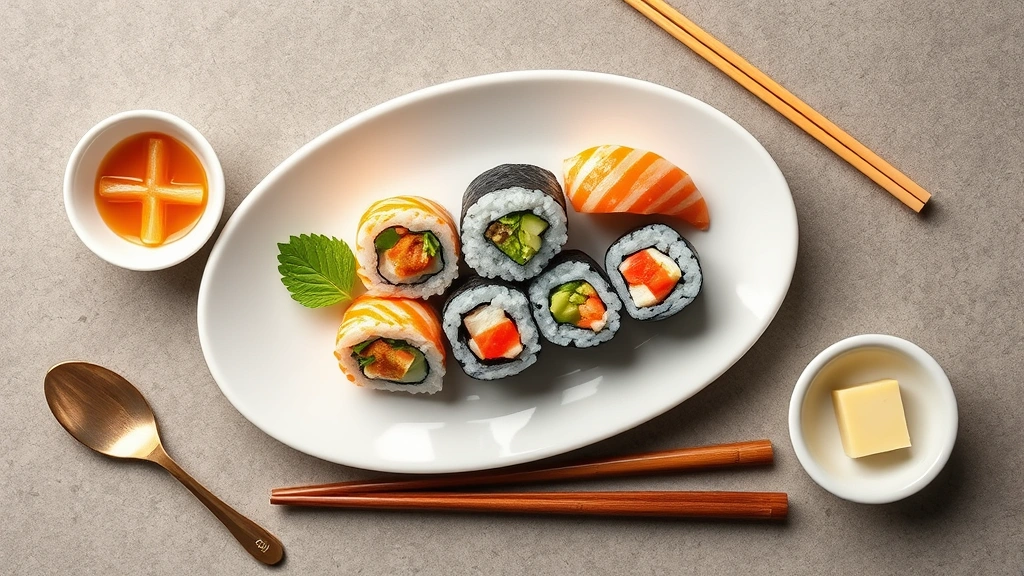
Sushi Rolls Nutrition: Dietitian’s Insights
Sushi has become a global culinary phenomenon, celebrated for its delicate flavors, artistic presentation, and perceived health benefits. However, the nutritional reality of sushi rolls is far more complex than many casual diners realize. While sushi can absolutely fit into a balanced diet, understanding the specific nutritional composition of different rolls is essential for making informed choices that align with your health goals.
As nutrition professionals continue to analyze sushi’s place in modern diets, several important patterns emerge. Some rolls deliver impressive micronutrient profiles rich in omega-3 fatty acids and minerals, while others contain surprising amounts of sodium, refined carbohydrates, and hidden calories from mayonnaise-based sauces. This comprehensive guide draws on nutritional science and dietitian expertise to help you navigate sushi menus with confidence and understand what you’re actually consuming with each bite.
Nutritional Composition of Sushi Rolls
The nutritional profile of sushi rolls varies dramatically depending on ingredients, preparation methods, and portion sizes. A typical sushi roll containing six to eight pieces ranges from 140 to 350 calories, with macronutrient distribution heavily influenced by fillings and preparation techniques. Understanding these baseline numbers helps contextualize sushi within your overall dietary framework.
Raw fish components in sushi provide exceptional micronutrient density. Salmon, a common sushi filling, delivers high-quality protein alongside significant amounts of vitamin D, selenium, and astaxanthin—a powerful antioxidant compound. Tuna varieties contribute B vitamins, particularly B12, which is crucial for neurological function and red blood cell formation. These fish-based rolls typically contain 6-12 grams of protein per standard serving, making them valuable protein sources for muscle maintenance and development.
However, the complete nutritional equation extends beyond the fish itself. Nori (seaweed sheets) contribute iodine, calcium, and iron, though in modest quantities given the thin preparation. Avocado additions introduce heart-healthy monounsaturated fats and potassium, transforming the roll’s fat composition significantly. Cucumber, carrot, and other vegetable inclusions add fiber, though their contribution remains relatively minor in standard portions.
The Role of Sushi Rice
Sushi rice represents the largest component by weight in most rolls, yet it’s frequently overlooked in nutritional discussions. This short-grain white rice is seasoned with vinegar, sugar, and salt during preparation—a combination that fundamentally alters its nutritional properties compared to plain cooked rice.
The sugar content in sushi rice is particularly significant from a dietary perspective. A single sushi roll containing approximately one-third cup of cooked sushi rice includes roughly 3-4 grams of added sugar from the seasoning process alone. When consuming six to eight pieces (a typical restaurant serving), diners ingest the equivalent of one full teaspoon of added sugar before considering any additional sauces or condiments. This places sushi rolls in a category where hidden sugars accumulate quickly, especially when consuming multiple rolls during a single meal.
The glycemic impact of sushi rice deserves consideration, particularly for individuals managing blood sugar levels. White rice ranks relatively high on the glycemic index, meaning it causes rapid blood sugar elevation. The combination of white rice, added sugars, and minimal dietary fiber creates a scenario where blood glucose spikes occur efficiently. For those with prediabetes, diabetes, or metabolic concerns, this characteristic warrants particular attention when selecting sushi options.
Whole grain alternatives exist at some progressive sushi restaurants, offering brown rice substitutions that provide significantly more fiber and slower glucose absorption. However, these options remain uncommon in traditional establishments, and many chefs argue that brown rice compromises the authentic textural experience sushi demands.
Protein Sources in Sushi
Protein quality in sushi deserves specific examination because it represents one of the meal’s genuine nutritional strengths. Raw fish provides complete proteins containing all nine essential amino acids in optimal ratios for human utilization. This biological completeness distinguishes sushi protein from many plant-based alternatives and aligns with current nutritional science emphasizing protein quality alongside quantity.
Salmon rolls deliver approximately 8-10 grams of protein per six-piece serving, with particularly high levels of EPA and DHA—long-chain omega-3 fatty acids with documented cardiovascular and neurological benefits. Research from the American Heart Association recommends consuming fish twice weekly specifically to obtain these fatty acids, and sushi rolls can effectively contribute to meeting this recommendation.
Shrimp-based rolls provide leaner protein options with approximately 7-9 grams per serving, though with minimal fat content. Vegetarian rolls relying on avocado and tofu combinations deliver protein through plant-based sources, though typically in smaller quantities (4-6 grams per serving) and with incomplete amino acid profiles unless combined with complementary proteins.
Tempura-battered shrimp rolls represent a significant departure from the protein quality narrative. The deep-frying process adds substantial calories and unhealthy fats while potentially compromising some heat-sensitive nutrients. These rolls often exceed 300 calories per serving, with much of the caloric density deriving from refined flour battering rather than nutritionally dense protein sources.
Healthiest Sushi Roll Choices
Dietitians consistently recommend sashimi and nigiri preparations as nutritionally superior to traditional rolls when caloric density and nutritional density ratios are considered. Sashimi—sliced raw fish served without rice—provides pure protein and omega-3 fatty acids without the substantial carbohydrate contribution sushi rice introduces. A typical sashimi serving of six pieces contains 100-150 calories while delivering 12-15 grams of protein.
For those preferring traditional roll formats, several options optimize nutritional value. The cucumber roll (kappa maki) provides minimal calories (approximately 140 per six pieces) while delivering hydration and small amounts of fiber. Combining cucumber rolls with protein-rich options like salmon or tuna nigiri creates balanced meals without excessive caloric intake.
Rolls featuring avocado as a primary ingredient deserve consideration despite higher fat content. The monounsaturated fats in avocado improve satiety and nutrient absorption for fat-soluble vitamins. A spicy tuna roll with avocado might contain 280-320 calories per serving but provides sustained energy through balanced macronutrient distribution.
Vegetable-forward rolls incorporating multiple produce items offer fiber benefits often absent in seafood-only options. Rolls combining cucumber, carrot, avocado, and daikon radish with a protein component provide approximately 200-250 calories while delivering micronutrients and dietary fiber. Consulting comprehensive fiber guidance helps contextualize these contributions within daily nutritional targets.
Brown rice sushi options, when available, substantially improve the nutritional equation. Brown rice contains approximately 3.5 grams of fiber per cup compared to white rice’s negligible fiber content. This difference meaningfully impacts blood sugar response and digestive health, though acceptance of brown rice sushi remains limited in traditional Japanese establishments.
Hidden Nutritional Concerns
Mayonnaise-based sauces represent perhaps the most significant hidden nutritional concern in modern sushi preparation. Spicy mayo, wasabi mayo, and various “special sauces” transform rolls from relatively moderate caloric options into calorie-dense preparations. A single tablespoon of mayonnaise contains 90 calories and 10 grams of fat, and sushi rolls often receive generous applications of these sauces.
Philadelphia rolls, despite their refined reputation, exemplify this concern. Combining salmon with cream cheese creates a preparation that exceeds 300 calories per serving while delivering minimal fiber and substantial saturated fat. The cream cheese component adds approximately 100 calories and 9 grams of fat per serving, representing nearly 50% of the roll’s caloric content from a single ingredient.
Sodium content in sushi presents another significant concern frequently overlooked by casual consumers. Soy sauce—the traditional accompaniment—contains approximately 1,000 milligrams of sodium per tablespoon. The nori seaweed wrapping contributes additional sodium, and the sushi rice seasoning includes salt. A typical sushi meal consuming three rolls and using soy sauce for dipping can easily approach 2,000-2,500 milligrams of sodium, representing 87-109% of the recommended daily intake in a single meal.
This sodium concentration proves particularly problematic for individuals managing hypertension or cardiovascular conditions. Research from the CDC on dietary sodium intake emphasizes that cumulative sodium from prepared foods represents a major public health concern, with sushi representing a significant contributor in many diets.
Fried sushi variations—tempura rolls, crispy rolls, and deep-fried preparations—introduce substantial trans fats and refined carbohydrates. These preparations often exceed 400 calories per serving while providing minimal nutritional density relative to their caloric contribution. The frying process also generates potentially harmful compounds through the Maillard reaction and lipid oxidation.
Mercury content in certain fish varieties warrants consideration, particularly for pregnant individuals and young children. Larger predatory fish like tuna accumulate methylmercury through bioaccumulation, and consuming excessive quantities can pose neurological risks. FDA guidance on fish consumption recommends limiting high-mercury fish to 6 ounces weekly for vulnerable populations.
Portion Control and Serving Sizes
Understanding appropriate portion sizes transforms sushi from an indulgence into a sustainable dietary component. A single sushi roll contains approximately 200-300 calories in most preparations, meaning that consuming two to three rolls approaches a complete meal’s caloric content at many restaurants.
Dietitians recommend structuring sushi meals as complete dining experiences rather than standalone items. Pairing sushi with miso soup, edamame, and seaweed salad creates nutritional balance through diverse micronutrient contributions and enhanced satiety. Miso soup provides probiotic-rich fermented soybean benefits alongside modest sodium contribution when prepared traditionally. Edamame delivers plant-based protein and fiber, while seaweed salad introduces additional iodine and minerals.
The practice of consuming sushi in “all-you-can-eat” formats creates particular challenges for portion awareness. These environments encourage consumption patterns disconnected from satiety signals, often resulting in 1,500-2,000 calorie meals consumed in single sittings. Research on eating environment psychology demonstrates that unlimited food availability significantly increases consumption beyond physiological needs.
Practicing mindful eating techniques—consuming sushi slowly, using chopsticks rather than forks to naturally reduce eating pace, and pausing between rolls to assess satiety—helps maintain appropriate portion control. Drinking water between rolls supports digestive function and enhances satiety signaling.
For comprehensive dietary planning, consult the complete guide to eating well for life, which contextualizes sushi within broader nutritional frameworks and balanced meal planning principles.
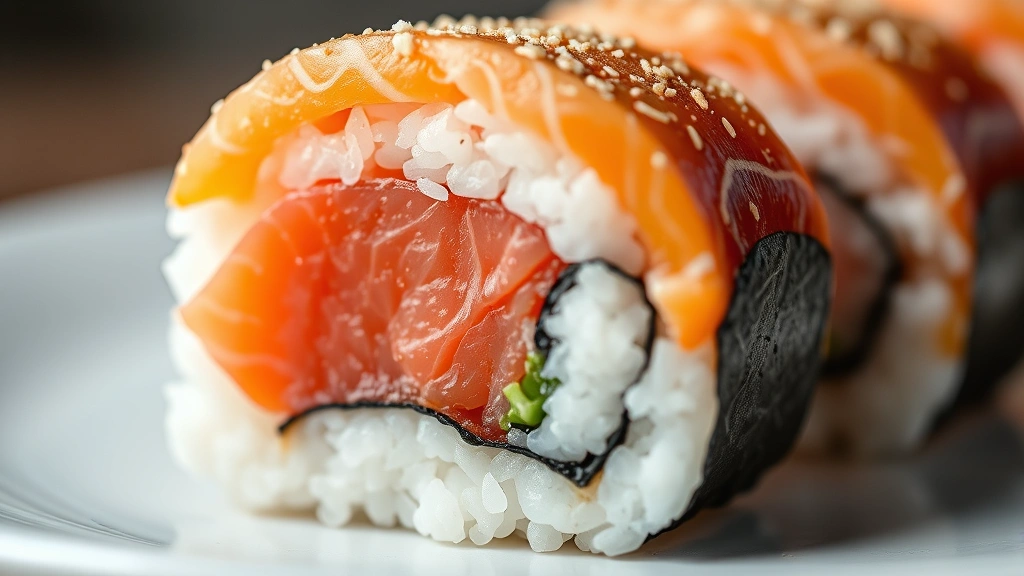
Nutritional Impact of Preparation Methods
The distinction between raw and cooked sushi preparations significantly affects nutritional profiles. Raw fish preparations preserve heat-sensitive nutrients including certain B vitamins and omega-3 fatty acids, while maintaining the highest biological availability for mineral absorption. Cooked preparations like shrimp tempura and baked salmon rolls undergo thermal processing that may denature some proteins and oxidize delicate polyunsaturated fats.
The sushi chef’s technique influences nutritional outcomes substantially. Rolls prepared with minimal rice achieve better macronutrient balance, while inside-out rolls (uramaki) with rice exterior contain approximately 20% more rice than traditional preparations. Requesting inside-in rolls (nigiri-style) reduces carbohydrate content while maintaining satiety through increased protein and fat ratios.
Wasabi, the traditional pungent accompaniment, deserves specific attention. Genuine wasabi contains glucosinolates—compounds with documented antimicrobial and potential anti-inflammatory properties. However, most commercial sushi restaurants serve horseradish-based wasabi substitutes lacking these beneficial compounds. Authentic wasabi also contains negligible calories while providing flavor satisfaction that reduces reliance on high-calorie sauces.
Ginger, the traditional palate cleanser accompanying sushi, provides gingerol compounds with established anti-inflammatory and digestive benefits. Consuming pickled ginger between rolls may enhance digestive enzyme activity and reduce post-meal discomfort. The minimal caloric contribution (approximately 5 calories per ounce) makes ginger an ideal flavor enhancer without nutritional compromise.
Special Dietary Considerations
Individuals following specific dietary protocols must navigate sushi’s nutritional characteristics carefully. Those pursuing ketogenic diets face challenges with sushi’s carbohydrate-dominant macronutrient distribution. Even sashimi, despite containing minimal carbohydrates from the fish itself, may conflict with strict macronutrient targets when combined with typical restaurant accompaniments and soy sauce.
Vegetarian and vegan consumers can construct satisfying sushi meals through careful roll selection. Combining avocado, cucumber, carrot, and pickled vegetable rolls with edamame and miso soup creates complete plant-based meals. However, protein content remains lower than fish-based alternatives, requiring attention to complementary proteins and overall daily intake.
Individuals managing blood sugar levels benefit from selecting rolls with minimal added sugars, requesting reduced soy sauce, and pairing sushi with protein and fiber-rich sides. The nutritional approaches to Asian cuisine often emphasize similar principles applicable to sushi consumption.
Seafood allergies obviously preclude fish-based rolls, but vegetarian alternatives provide viable options. Shellfish allergies require careful communication with sushi chefs, as cross-contamination risks exist in shared preparation spaces.
Gluten sensitivity presents challenges since traditional soy sauce contains wheat. Many sushi restaurants now offer tamari or coconut aminos as gluten-free alternatives, though availability varies considerably by location. Verifying ingredient sources and preparation practices remains essential for those with celiac disease or non-celiac gluten sensitivity.
For broader nutritional planning and understanding how sushi fits into comprehensive dietary strategies, explore the Nutrients Pathway Blog, which provides ongoing analysis of diverse foods and their nutritional implications.

FAQ
How many calories are in a typical sushi roll?
A standard sushi roll containing six to eight pieces ranges from 140 to 350 calories depending on ingredients. Vegetable rolls with minimal fillings contain approximately 140-180 calories, while rolls incorporating mayonnaise-based sauces, cream cheese, or tempura batter exceed 300 calories per serving. Sashimi offerings without rice contain approximately 100-150 calories per six-piece serving.
Is sushi a healthy meal option?
Sushi can absolutely fit into healthy eating patterns when selections emphasize raw fish, vegetables, and minimal sauce additions. The omega-3 fatty acids in salmon and tuna, combined with protein quality and micronutrient density, support cardiovascular and neurological health. However, many modern sushi preparations contain hidden sugars, excessive sodium, and calorie-dense sauces that compromise nutritional value. Selecting mindfully and limiting portion sizes ensures sushi contributes positively to dietary goals.
What sushi rolls have the lowest calories?
Cucumber rolls (kappa maki) contain approximately 140 calories per serving, making them among the lowest-calorie options. Seaweed rolls and vegetable-forward preparations similarly provide minimal calories. For those seeking protein alongside low calories, sashimi and nigiri preparations deliver superior caloric efficiency, providing 12-15 grams of protein in 100-150 calories.
How much sodium does sushi contain?
A typical sushi meal consuming three rolls and using soy sauce for dipping contains 2,000-2,500 milligrams of sodium, representing 87-109% of recommended daily intake. The nori seaweed wrapping, sushi rice seasoning, and soy sauce contribute substantially to total sodium content. Requesting reduced soy sauce, using wasabi and ginger for flavor enhancement, and limiting soy sauce usage helps manage sodium intake.
Can sushi fit into a weight loss diet?
Sushi can support weight loss goals when approached strategically. Emphasizing sashimi and nigiri preparations, limiting rolls to one or two per meal, and combining sushi with vegetable and protein sides creates satisfying meals within moderate caloric ranges. Avoiding mayonnaise-based sauces, fried preparations, and excessive portions maintains caloric control while preserving nutritional benefits. Mindful eating practices further enhance satiety and portion awareness.
What are the healthiest sushi roll options?
Salmon rolls, tuna rolls, and vegetable rolls incorporating avocado, cucumber, and carrot represent nutritionally balanced options. Inside-in rolls (nigiri-style) reduce rice content while maintaining satisfaction. Rolls emphasizing raw fish over fried components, limiting sauce additions, and incorporating multiple vegetable ingredients maximize nutritional density. Sashimi and nigiri preparations provide superior nutritional efficiency relative to caloric content.
Is sushi safe during pregnancy?
Raw fish consumption during pregnancy requires careful consideration due to potential bacteria and parasites, though properly handled sushi from reputable establishments poses minimal risk. High-mercury fish like large tuna should be limited. Many pregnant individuals prefer cooked sushi options like shrimp tempura or baked salmon rolls, which eliminate raw fish concerns while maintaining nutritional benefits. Consulting healthcare providers regarding individual risk profiles ensures informed decision-making.


