Perfect Bar: A Dietitian’s Honest Review of Nutrition, Ingredients & Value
Perfect Bar has become a ubiquitous presence in health food stores and supplement aisles, marketed as a refrigerated protein bar that bridges the gap between indulgence and nutrition. As someone who regularly evaluates nutrition products, I’ve examined the marketing claims, ingredient lists, and scientific backing of this popular bar. This review cuts through the promotional language to give you what you actually need to know about whether Perfect Bar lives up to its name.
The nutrition bar market has exploded over the past decade, with consumers increasingly seeking convenient, protein-rich options that don’t taste like cardboard. Perfect Bar enters this crowded space with a specific positioning: a refrigerated bar with whole food ingredients and minimal processing. But does the reality match the marketing? Let’s dive into the details that matter for your health decisions.
What Is Perfect Bar?
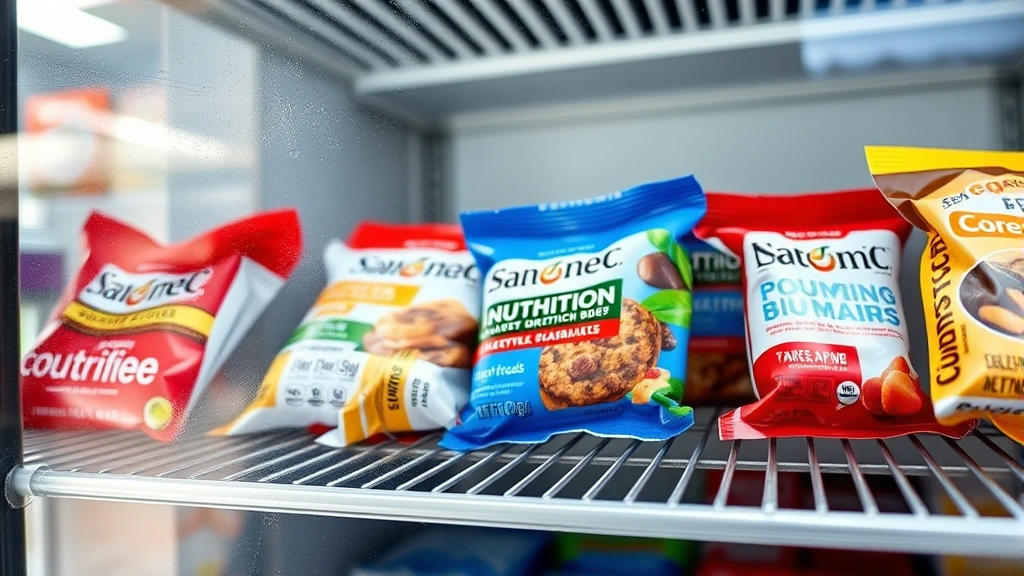
Perfect Bar is a refrigerated nutrition bar brand that positions itself as a whole-food alternative to traditional protein bars. Unlike many competitors that rely heavily on processed protein powders and artificial sweeteners, Perfect Bar emphasizes a shorter ingredient list with recognizable components. The brand offers several varieties, with their core products containing whey protein, nuts, seeds, and honey as primary ingredients.
The refrigeration requirement is actually significant—it’s both a marketing advantage and a practical consideration. The brand claims this preserves enzyme activity and nutritional integrity. Whether this delivers measurable benefits depends on your understanding of how food preservation affects nutrient bioavailability. I’ll address this more thoroughly as we examine the specific claims.
Nutritional Breakdown and Analysis
Perfect Bar’s standard chocolate peanut butter variety contains approximately 380 calories per bar, with 15 grams of protein, 24 grams of fat, and 32 grams of carbohydrates. These macronutrient ratios place it firmly in the moderate-to-high calorie category for a nutrition bar. For context, this is roughly equivalent to a substantial snack or small meal, depending on your dietary framework.
The caloric density isn’t inherently problematic—what matters is whether those calories come with nutritional value. Perfect Bar delivers meaningful amounts of minerals including magnesium, calcium, and phosphorus. The fat content, primarily from almonds and other nuts, includes beneficial polyunsaturated and monounsaturated fats. This is considerably better than bars loaded with palm oil or other highly saturated fat sources.
When you’re building a healthy nutrition plan, understanding where your calories originate matters tremendously. Perfect Bar’s nutrient density—the amount of micronutrients per calorie—ranks reasonably well compared to conventional protein bars, though it’s not exceptional by any measure.
Ingredient Quality Assessment
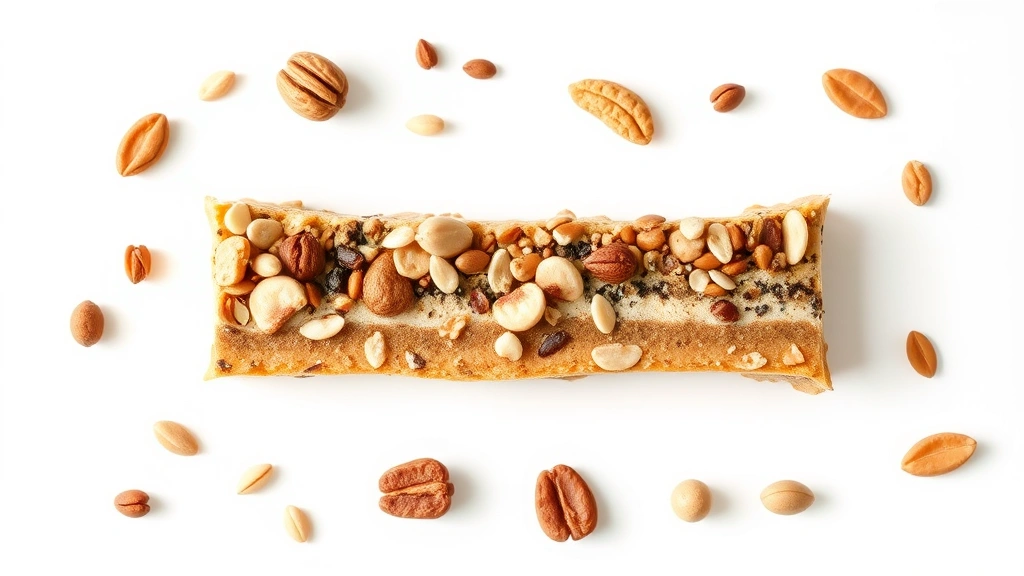
This is where Perfect Bar distinguishes itself from mass-market competitors. The ingredient list reads like actual food rather than a chemistry experiment. You’ll find almonds, peanuts, honey, whey protein concentrate, and eggs. There are no artificial sweeteners, no sugar alcohols, and no mysterious chemical additives that require a biochemistry degree to pronounce.
The use of honey as the primary sweetener is noteworthy. Honey provides approximately 64 calories per tablespoon and contains trace amounts of antioxidants and enzymes. However, from a glycemic perspective, honey behaves similarly to table sugar. If you’re managing blood sugar levels or following a ketogenic approach, this matters significantly.
Perfect Bar uses whey protein concentrate rather than isolate, which means it retains more lactose and fat. For most people this is inconsequential, but those with dairy sensitivity should note this distinction. The protein source is clean—no proprietary blends, no hydrolyzed mystery proteins.
The inclusion of whole nuts rather than nut butters or powdered nut products means you’re getting actual food texture and the full spectrum of nutrients nuts provide. This is a genuine advantage from a whole-foods perspective, though it does impact shelf stability and texture consistency.
Protein Content and Amino Acid Profile
At 15 grams of protein per bar, Perfect Bar provides a meaningful protein contribution, though it’s not exceptional. Many competitors offer 20-30 grams. However, the source matters more than the quantity. Whey protein from milk contains all nine essential amino acids in optimal ratios, making it a complete protein source. The addition of whole eggs further enhances the amino acid profile with additional leucine and other branched-chain amino acids.
If you’re focused on nutrition for building muscle mass, you’d want to understand how Perfect Bar fits into your overall protein strategy. 15 grams is a reasonable contribution but shouldn’t be your primary protein source if serious muscle development is your goal. You’d need supplementary protein from meals or additional bars.
The amino acid composition supports muscle protein synthesis reasonably well, though the protein quantity is moderate rather than high. The combination of whey and eggs creates a complementary amino acid profile that’s superior to many plant-based bars.
Sugar and Carbohydrate Considerations
Here’s where I need to be direct: Perfect Bar contains 19 grams of sugar per bar, primarily from honey. This is substantial. For comparison, a Snickers bar contains approximately 27 grams of sugar, so Perfect Bar is better but not dramatically so. If you’re tracking sugar intake for diabetes management, weight loss, or other health reasons, this needs to factor into your daily totals.
The 32 grams of total carbohydrates break down as 19 grams sugar and 3 grams fiber, leaving roughly 10 grams of other carbohydrates. The fiber content is modest—it would contribute to satiety only minimally. This isn’t a high-fiber bar by any definition.
For post-workout nutrition, the carbohydrate content is actually appropriate. The combination of simple sugars from honey and complex carbs from nuts and whole grains supports glycogen replenishment. However, if you’re eating this as a snack outside of exercise context, the sugar content may not align with your health objectives.
Understanding how to improve nutrient absorption is relevant here. The presence of fat in Perfect Bar actually enhances the absorption of fat-soluble vitamins, though the bar isn’t particularly rich in these nutrients.
Price and Value Proposition
Perfect Bar typically retails for $3-4 per bar, with bulk purchasing reducing the per-unit cost slightly. This places it in the premium segment of nutrition bars. You’re paying for the refrigeration requirement, the whole-food ingredient sourcing, and the brand positioning. Whether this premium is justified depends on your priorities and budget.
From a pure nutrient-per-dollar perspective, Perfect Bar doesn’t offer exceptional value. A comparable amount of protein and calories from whole foods—eggs, Greek yogurt, nuts, fruit—would cost less. However, convenience has value, and if you’re choosing between Perfect Bar and a convenience store candy bar, the premium is entirely justified.
The refrigeration requirement adds practical costs: you need access to a cooler or refrigerator, and the bar has a shorter shelf life than ambient-stable competitors. For travel or emergency nutrition, this is a limitation.
Comparison With Competitors
In the refrigerated bar category, Perfect Bar competes primarily with RxBar and Epic Bars. RxBar emphasizes egg white protein and minimal ingredients, offering similar macros at similar prices. Epic Bars focus on meat-based protein with grass-fed sources, appealing to paleo and carnivore-oriented consumers.
Versus non-refrigerated competitors like Quest Bars or Isopure, Perfect Bar offers cleaner ingredients but less flexibility. Quest Bars offer more protein (20g) and lower sugar (1g) through artificial sweeteners, which some view as superior and others as inferior depending on sweetener tolerance.
The comparison ultimately depends on your priorities. If ingredient simplicity and whole-food components are paramount, Perfect Bar ranks highly. If maximum protein and minimal sugar are your goals, other options may serve you better.
Who Should Consider Perfect Bar?
Perfect Bar is genuinely suitable for specific populations. Athletes engaged in moderate training benefit from the carbohydrate-protein combination for recovery. The whole-food ingredients appeal to those prioritizing ingredient transparency and avoiding artificial additives. People following balanced nutrition approaches may appreciate the macronutrient distribution for occasional snacking.
Busy professionals who need convenient nutrition will appreciate the ready-to-eat format, though the refrigeration requirement limits true portability. Parents seeking whole-food snacks for children will find Perfect Bar preferable to heavily processed alternatives.
The bar also appeals to consumers with ethical concerns about ingredient sourcing. Perfect Bar’s transparency about ingredient origins resonates with those researching their food choices carefully.
Potential Drawbacks
The refrigeration requirement is genuinely limiting. You cannot toss this in a gym bag or backpack without an insulated container. For true on-the-go nutrition, this is impractical compared to ambient-stable alternatives.
The sugar content—19 grams—is substantial if you’re managing blood glucose levels, following low-carb approaches, or tracking added sugars carefully. The brand doesn’t offer a low-sugar variant, limiting options for those with specific dietary constraints.
The protein quantity at 15 grams is modest compared to emerging competitors offering 25-30 grams. If protein-maximization is your goal, Perfect Bar underperforms versus alternatives.
Cost is another consideration. At $3-4 per bar, this is an expensive snack when compared to whole-food alternatives. The premium feels substantial if budget is a primary concern.
Finally, the claimed benefits of refrigeration preserving enzymes and nutrients are largely marketing. While fresh foods contain active enzymes, their contribution to human nutrition is overstated. Refrigeration does preserve nutrients better than ambient storage, but Perfect Bar’s specific enzymatic claims lack robust scientific support. Check resources from NCBI’s nutrition research database for evidence-based information on enzyme preservation in processed foods.
FAQ
Is Perfect Bar actually healthy?
Perfect Bar is reasonably healthy relative to conventional candy bars and heavily processed nutrition products. It contains whole-food ingredients, meaningful protein, and beneficial fats. However, it’s not a nutritional powerhouse—it’s a convenient snack option with better ingredients than many alternatives. It shouldn’t replace whole-food meals or be relied upon as a primary nutrition source.
How much protein does Perfect Bar have?
Perfect Bar contains 15 grams of protein per bar from whey protein concentrate and whole eggs. This is a moderate amount suitable for snacking but not sufficient as your primary protein source if you’re focused on muscle building.
Does Perfect Bar need to stay refrigerated?
Yes, Perfect Bar must be refrigerated. This is a practical limitation affecting portability and shelf stability. The refrigeration preserves ingredient quality but makes this bar impractical for situations where coolers aren’t available.
How much sugar is in Perfect Bar?
Perfect Bar contains 19 grams of sugar per bar, primarily from honey. This is substantial and should be factored into daily sugar tracking if you’re managing blood glucose levels or following low-sugar dietary approaches.
Is Perfect Bar worth the price?
The $3-4 price point is premium for a nutrition bar. Whether it’s worth it depends on your priorities. If ingredient quality and convenience matter more than cost, yes. If budget is primary, whole foods offer better value.
Can I eat Perfect Bar on a keto diet?
No, Perfect Bar is not suitable for ketogenic approaches. At 32 grams of carbohydrates and 19 grams of sugar per bar, it would exceed daily carb limits for most people following strict keto protocols.
What’s the best time to eat Perfect Bar?
Perfect Bar is most appropriately consumed post-workout or as a between-meal snack. The carbohydrate-protein combination supports recovery. As a general snack outside exercise context, the sugar content may not align with most health objectives.
Are there vegan Perfect Bar options?
Traditional Perfect Bar contains whey protein and eggs, making it unsuitable for vegan diets. Check the brand’s current product line for plant-based variants, though these may not be available depending on your location and when you’re reading this.


