Scrambled Eggs Nutrition: A Dietitian’s Complete Insights
Scrambled eggs represent one of the most accessible and nutrient-dense breakfast options available, yet many people remain uncertain about their true nutritional value. As a cornerstone of countless meal plans, scrambled eggs deliver impressive amounts of protein, choline, and essential micronutrients that support everything from muscle maintenance to cognitive function. Understanding the complete nutritional profile of scrambled eggs helps you make informed dietary choices and maximize the health benefits of this versatile food.
The debate surrounding egg consumption has evolved significantly over recent decades. What was once considered a cholesterol villain is now recognized by leading health organizations as a legitimate superfood for most populations. This article explores the comprehensive nutritional breakdown of scrambled eggs, examines their role in various healthy nutrition plans, and addresses common misconceptions about this humble breakfast staple.
Complete Nutritional Breakdown of Scrambled Eggs
Two large scrambled eggs prepared with minimal added fat contain approximately 140-160 calories, making them an efficient protein source for calorie-conscious individuals. The macronutrient distribution breaks down to roughly 12-13 grams of protein, 1-2 grams of carbohydrates, and 10-11 grams of total fat. However, the way you prepare your scrambled eggs significantly impacts the final nutritional content, particularly regarding total calories and fat composition.
When prepared with butter or oil, the calorie content increases to 180-220 calories per two-egg serving. This addition of cooking fat increases saturated fat content, which matters for those monitoring their intake for cardiovascular health reasons. Non-stick cookware or cooking spray allows you to prepare scrambled eggs with minimal additional fat while maintaining food safety and palatability.
The nutritional value extends beyond basic macronutrients. Eggs contain lutein and zeaxanthin, powerful antioxidants that accumulate in the retina and support brain health and vision. These compounds are fat-soluble, meaning they require dietary fat for optimal absorption—another reason why cooking eggs with some fat enhances their nutritional benefits.
One large egg provides approximately 147 milligrams of choline, a nutrient that supports memory formation, muscle control, and overall cognitive function. Two scrambled eggs therefore deliver nearly 300 milligrams of choline, contributing significantly toward the recommended daily intake of 425-550 milligrams depending on age and sex.

Protein and Amino Acids: The Building Blocks
Scrambled eggs contain complete protein, meaning they provide all nine essential amino acids in the proportions your body requires. This characteristic makes eggs particularly valuable for muscle development, tissue repair, and maintaining metabolic function. The protein quality of eggs is so high that the PDCAAS (Protein Digestibility Corrected Amino Acid Score) rates them at 1.0, the maximum possible score.
The amino acid leucine, which plays a critical role in muscle protein synthesis, appears in substantial quantities in scrambled eggs. Research from sports nutrition experts indicates that leucine content is particularly important for older adults seeking to maintain muscle mass and prevent sarcopenia. Two scrambled eggs provide approximately 1.5 grams of leucine, making them an excellent choice for post-workout nutrition or muscle maintenance strategies.
For individuals following resistance training programs, scrambled eggs offer advantages beyond simple protein content. The presence of all essential amino acids means your body can efficiently utilize the protein for muscle repair without requiring complementary protein sources at the same meal. This efficiency makes scrambled eggs a standalone protein option superior to many plant-based alternatives lacking one or more essential amino acids.
The protein in scrambled eggs also supports satiety, helping you feel fuller for longer after consumption. Studies examining breakfast choices indicate that protein-rich options like scrambled eggs reduce subsequent calorie intake throughout the day more effectively than carbohydrate-dominant alternatives, supporting weight management goals when incorporated into a comprehensive nutrition strategy.
Vitamins and Minerals in Scrambled Eggs
Scrambled eggs deliver an impressive array of micronutrients that support various physiological functions. The yolk contains the majority of micronutrients, including selenium, a mineral essential for thyroid function and antioxidant defense. Two large egg yolks provide approximately 27 micrograms of selenium, representing about 49% of the recommended daily intake.
Vitamin D content in eggs varies based on the hen’s sun exposure and feed composition, but commercially produced eggs typically provide 10-40 IU per large egg. While this represents only a small fraction of the recommended daily intake, the presence of vitamin D in scrambled eggs contributes to overall dietary sources of this increasingly recognized nutrient.
The B-vitamin complex appears abundantly in scrambled eggs. Choline (technically a B-vitamin-like compound) reaches high concentrations, while riboflavin (B2), pantothenic acid (B5), and folate (B9) all appear in meaningful quantities. These B vitamins support energy metabolism, nervous system function, and cellular reproduction, making scrambled eggs valuable for maintaining optimal metabolic health.
Iron content in eggs presents an interesting nutritional consideration. While eggs contain both heme and non-heme iron, the bioavailability of egg iron is relatively modest. However, pairing scrambled eggs with vitamin C-rich foods like citrus fruits or bell peppers enhances iron absorption significantly. This synergistic approach to meal composition demonstrates why understanding individual nutrient interactions matters for maximizing nutritional benefit.
Phosphorus, another mineral abundant in scrambled eggs, works alongside calcium to support bone health and dental strength. Two scrambled eggs provide approximately 194 milligrams of phosphorus, contributing meaningfully to the 700-1200 milligram daily recommendation depending on age.
Cholesterol and Heart Health: Separating Fact from Fiction
The cholesterol content of eggs has generated considerable confusion among health-conscious consumers. One large egg yolk contains approximately 186 milligrams of cholesterol, leading to the widespread misconception that eggs increase blood cholesterol levels and elevate cardiovascular disease risk. However, contemporary nutritional science reveals a far more nuanced picture.
Research published in major medical journals demonstrates that dietary cholesterol has minimal impact on blood cholesterol levels for most individuals. Your liver produces approximately 800-1000 milligrams of cholesterol daily, adjusting production based on dietary intake. When you consume dietary cholesterol, your body typically reduces endogenous production, maintaining relatively stable blood cholesterol levels.
The American Heart Association now acknowledges that eggs can fit into heart-healthy diets for most people. Recent American Heart Association guidance emphasizes that the saturated fat content of a food matters more for cardiovascular health than cholesterol content alone. Since eggs contain only about 1.6 grams of saturated fat per large egg, they align reasonably well with heart-health recommendations.
More compelling evidence suggests that egg consumption may actually benefit cardiovascular health through multiple mechanisms. The choline in eggs supports the production of phosphatidylcholine, a compound that helps prevent cholesterol accumulation in the liver. Additionally, the lutein and zeaxanthin in eggs possess anti-inflammatory and antioxidant properties that support vascular health.
Research from the Harvard School of Public Health indicates that moderate egg consumption (up to one egg daily for most adults, or 7 eggs weekly) does not increase cardiovascular disease risk and may provide protective benefits for certain populations. Individuals with diabetes or metabolic syndrome should consult healthcare providers regarding optimal egg consumption, as personalized recommendations may apply.
Cooking Methods Matter: Impact on Nutrition
The method used to prepare scrambled eggs substantially influences their final nutritional profile and potential health impacts. Scrambling in butter or oil adds calories and fat, as noted earlier, but also improves the absorption of fat-soluble vitamins like vitamins A, D, E, and K found in eggs and any added vegetables.
High-heat cooking methods may generate compounds called advanced glycation end products (AGEs), which some research suggests may contribute to inflammation when consumed in excess. Scrambling eggs over moderate heat preserves more heat-sensitive nutrients like choline while still achieving safe internal temperatures (160°F or 71°C) to eliminate foodborne pathogens.
Adding vegetables to scrambled eggs enhances their nutritional profile substantially. Incorporating spinach increases iron, magnesium, and folate content; adding bell peppers boosts vitamin C and enhances iron absorption; including mushrooms increases B vitamins and provides unique compounds like ergothioneine. These additions transform scrambled eggs from a simple protein source into a comprehensive nutrient-dense meal.
The type of fat used for cooking influences the omega-3 to omega-6 fatty acid ratio. Eggs naturally contain small amounts of omega-3 fatty acids, particularly when from hens fed omega-3 enriched diets. Using olive oil or avocado oil for cooking provides additional omega-3 and monounsaturated fats, supporting digestive health and nutrient absorption.
Pairing Eggs with Other Foods: Strategic Combinations
Creating nutritionally complete breakfasts requires understanding how scrambled eggs interact with other foods. Pairing scrambled eggs with whole grains provides fiber and complex carbohydrates that moderate blood sugar response and extend satiety. A combination of two scrambled eggs with one slice of whole wheat toast creates a balanced meal with protein, fiber, and micronutrients.
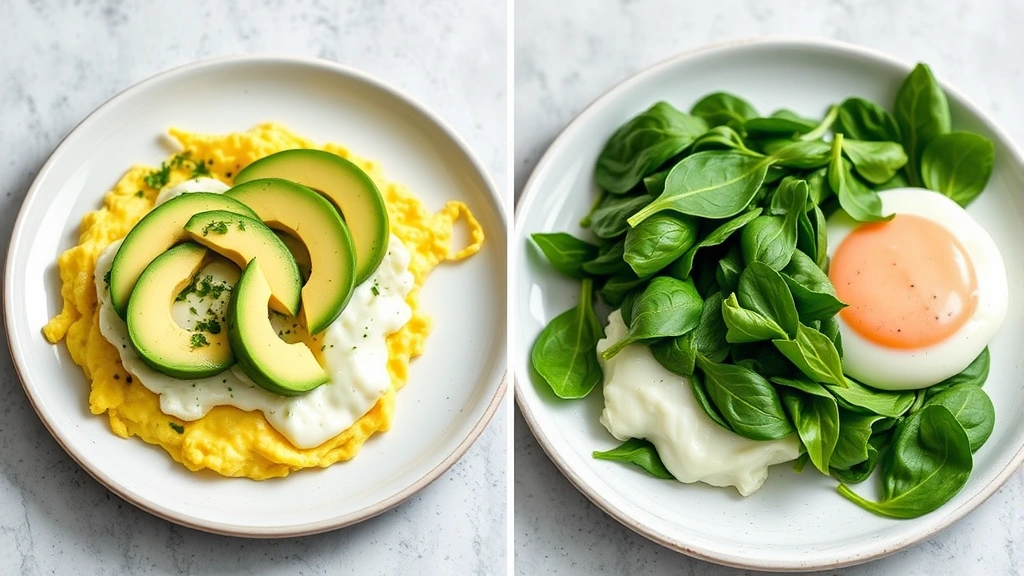
Adding avocado to scrambled eggs increases monounsaturated fat content while providing potassium, magnesium, and additional fiber. The nutritional benefits of avocados complement eggs beautifully, creating a meal rich in both macronutrients and micronutrients. This combination supports sustained energy, cognitive function, and cardiovascular health.
Incorporating leafy greens like spinach or kale into scrambled eggs increases dietary fiber and micronutrient density. The fat in eggs enhances the bioavailability of fat-soluble vitamins in greens, making this combination particularly efficient for nutrient absorption. Additionally, the phytonutrients in dark leafy greens provide anti-inflammatory compounds that work synergistically with egg antioxidants.
Tomatoes pair excellently with scrambled eggs, providing lycopene and additional vitamin C. The combination of eggs’ lutein and zeaxanthin with tomatoes’ lycopene creates a particularly eye-protective meal, supporting visual health through complementary antioxidants. This pairing also enhances the absorption of both sets of carotenoid compounds.
Special Populations and Egg Consumption
Pregnant individuals benefit significantly from scrambled eggs due to their choline content, which supports fetal brain development. The recommended choline intake increases from 425 milligrams to 450 milligrams daily during pregnancy, and two scrambled eggs provide approximately 60% of this increased requirement. Additionally, the complete protein and various micronutrients support the increased metabolic demands of pregnancy.
Older adults particularly benefit from the protein and leucine in scrambled eggs for maintaining muscle mass and preventing age-related muscle loss. Research indicates that consuming protein-rich foods like eggs at each meal optimizes muscle protein synthesis more effectively than consuming all daily protein in a single meal. This distribution pattern supports the dietary recommendations for older adults seeking to maintain functional independence.
Individuals with type 2 diabetes should monitor portion sizes and preparation methods, as the fat content influences glycemic response. However, the protein and fat in scrambled eggs actually moderate blood sugar spikes when consumed with carbohydrates, making eggs valuable for diabetes management when properly incorporated into meal planning.
Children benefit from scrambled eggs as a nutrient-dense, easily digestible protein source. The choline supports cognitive development, while the complete amino acid profile supports growth. The mild flavor of scrambled eggs makes them acceptable to many children who might reject other protein sources, facilitating adequate nutrient intake during critical developmental periods.
Individuals following vegetarian or vegan diets often rely heavily on eggs as a primary protein source. Two scrambled eggs provide more complete protein than most plant-based alternatives without requiring complementary proteins at the same meal, making eggs particularly valuable for vegetarians seeking efficient protein options.
Key Takeaway: Scrambled eggs deliver 12-13 grams of complete protein, essential vitamins including choline and selenium, and powerful antioxidants—all for 140-160 calories when prepared minimally. Their nutritional density, affordability, and versatility make them an excellent choice for nearly all dietary approaches and life stages.
Frequently Asked Questions
How many scrambled eggs should I eat per day?
For most healthy adults, consuming up to two eggs daily is considered safe and nutritious. Some research suggests that up to three eggs daily poses no cardiovascular risk for most individuals, though personalized recommendations from healthcare providers should guide those with specific health conditions like diabetes or familial hypercholesterolemia.
Are scrambled eggs healthier than fried or boiled eggs?
Scrambling itself doesn’t inherently make eggs healthier or less healthy than other preparation methods. What matters most is the cooking temperature (moderate heat is preferable), the type and amount of added fat, and any accompanying ingredients. Boiled eggs contain no added fat and retain all nutrients, while fried eggs may contain more fat depending on the cooking method. Scrambled eggs fall somewhere in between when prepared mindfully.
Do I need to eat the yolk or is the white enough?
Egg whites provide substantial protein but contain minimal micronutrients compared to yolks. The yolk contains nearly all the choline, lutein, zeaxanthin, selenium, and fat-soluble vitamins. For maximum nutritional benefit, consume whole scrambled eggs including the yolk. The cholesterol in the yolk shouldn’t concern most people based on contemporary nutritional science.
Can scrambled eggs help with weight loss?
Yes, scrambled eggs support weight loss through multiple mechanisms. The high protein content increases satiety, reducing overall calorie intake. The thermic effect of protein (energy required for digestion) is higher than for carbohydrates or fats, meaning your body burns more calories processing egg protein. Additionally, eggs’ minimal carbohydrate content prevents blood sugar spikes that trigger hunger.
Are eggs from different sources nutritionally different?
Yes, significant variations exist. Pasture-raised eggs from hens with outdoor access contain more omega-3 fatty acids, lutein, and zeaxanthin than conventional cage-raised eggs. Omega-3 enriched eggs from hens fed flaxseed or algae contain substantially higher omega-3 levels. However, all eggs provide excellent nutrition; pasture-raised and enriched varieties simply offer enhanced micronutrient profiles.
What about egg allergies and scrambled eggs?
Individuals with egg allergies must avoid scrambled eggs entirely, as cooking doesn’t eliminate allergenic proteins. However, some people with mild egg sensitivities may tolerate well-cooked eggs better than raw or undercooked preparations. Those with egg allergies should work with allergists to determine safe alternatives and understand cross-contamination risks.