
Everything Bagel Nutrition Facts: Dietitian Insight
Everything bagels have become a breakfast staple across North America, beloved for their savory seed-and-spice coating that transforms a simple bread product into a flavor powerhouse. However, understanding the complete nutritional profile of these popular bagels is essential for anyone making informed dietary choices. This comprehensive guide breaks down the everything bagel nutrition facts from a dietitian’s perspective, examining macronutrients, micronutrients, ingredients, and practical strategies for incorporating them into a balanced diet.
Whether you’re a bagel enthusiast trying to optimize your breakfast routine or someone concerned about caloric intake and nutritional balance, the data reveals surprising complexity beneath the bagel’s humble appearance. The everything seasoning—typically combining sesame seeds, poppy seeds, dried garlic, dried onion, and salt—adds nutritional dimensions that plain bagels lack, while simultaneously introducing considerations around sodium and seed-based allergens that deserve attention.
Complete Nutritional Breakdown
A standard everything bagel weighing approximately 100 grams (roughly 3.5 ounces) contains approximately 210-240 calories, depending on the bakery or brand producing it. The USDA Food Data Central provides comprehensive nutrient databases that reveal a typical everything bagel contains roughly 41-45 grams of carbohydrates, 8-9 grams of protein, and 1.5-2 grams of fat per serving. These figures establish the bagel as a carbohydrate-dominant food, which aligns with its grain-based composition and explains its popularity among athletes and active individuals seeking quick energy sources.
The caloric density of bagels warrants attention because many consumers underestimate portion sizes when consuming this bread product. A single bagel represents a substantial carbohydrate serving—roughly equivalent to four slices of standard sandwich bread—which means pairing decisions significantly impact overall meal macronutrient ratios. Understanding healthy nutrition plan fundamentals helps contextualize where everything bagels fit within daily dietary targets.
Moisture content in bagels typically ranges from 35-40%, which contributes to their characteristic dense texture and chewy crumb structure. This moisture level affects how quickly the bagel is digested and influences satiety signals that determine whether consumers feel satisfied after consumption. Bagels boiled before baking—the traditional New York bagel method—contain more moisture than their non-boiled counterparts, affecting both nutritional density per volume and the speed of gastric emptying.
Macronutrient Analysis
Protein content in everything bagels typically ranges from 8-10 grams per bagel, making them a modest protein source compared to egg-based breakfast alternatives but respectable for a grain product. The protein comes primarily from wheat gluten, with minor contributions from sesame seeds and poppy seeds in the everything seasoning. The amino acid profile of wheat protein is incomplete—lacking sufficient lysine to be considered a complete protein on its own—but combining bagels with cream cheese, peanut butter, lox, or eggs creates complete amino acid profiles that support muscle maintenance and tissue repair.
Fat content presents an interesting consideration because the everything seasoning contributes more fat than plain bagels contain. Sesame seeds provide approximately 50% of their weight in fat, primarily unsaturated fatty acids including oleic and linoleic acids. A single everything bagel’s fat content of 1.5-2 grams appears minimal, but the type of fat matters nutritionally. The unsaturated fats from seeds offer cardiovascular benefits that saturated fats lack, though the quantity remains modest enough that bagels should not be considered a significant fat source in isolation.
Carbohydrate quality varies considerably based on flour type and manufacturing processes. Whole wheat everything bagels contain 5-6 grams of fiber compared to 2-3 grams in refined white flour versions, making whole grain options substantially better for blood sugar management and digestive health. The glycemic index of bagels ranges from 72-103 depending on flour composition, meaning they cause relatively rapid blood glucose elevation. This characteristic makes pairing with protein-rich toppings particularly important for individuals managing blood sugar levels or following nutrition approaches supporting mental health and cognitive function.
Micronutrient Profile
Everything bagels provide meaningful quantities of several essential minerals and vitamins despite their modest size. Selenium content reaches approximately 30-35 micrograms per bagel, representing roughly 55% of the daily adequate intake for adults. Selenium functions as a critical cofactor in selenoprotein synthesis, supporting antioxidant defense systems and thyroid hormone metabolism. The sesame and poppy seeds in the everything seasoning contribute substantially to this mineral content, making the flavoring choice nutritionally strategic rather than merely taste-driven.
Phosphorus content in bagels typically exceeds 150 milligrams per serving, supporting bone mineralization and energy metabolism through ATP production. Magnesium ranges from 25-35 milligrams per bagel, contributing to muscle function and nervous system regulation. Zinc content reaches approximately 1-1.5 milligrams, supporting immune function and wound healing. These micronutrient contributions, while not transformative, accumulate meaningfully across the day when bagels comprise part of a varied diet including vegetables, fruits, and other nutrient-dense foods.
B-vitamin fortification significantly impacts the micronutrient profile of most commercial bagels. Thiamine (B1) typically reaches 0.3-0.4 milligrams, niacin reaches 2.5-3 milligrams, and folate reaches 90-110 micrograms per bagel due to enrichment protocols mandated for refined grain products in North America. These additions address nutritional gaps that would otherwise exist in refined flour products, making commercial bagels nutritionally superior to their whole grain equivalents in certain micronutrient categories despite containing less fiber.
Iron content in bagels typically ranges from 1.8-2.5 milligrams per serving, though the bioavailability of non-heme iron from grain sources remains lower than heme iron from animal products. Combining bagels with vitamin C-rich foods like fresh tomatoes, orange juice, or strawberries significantly enhances iron absorption through the chelation effects of ascorbic acid. The importance of dietary fiber for digestive and systemic health becomes apparent when comparing whole grain to refined bagel varieties in terms of micronutrient bioavailability.

Everything Seasoning Components
The everything bagel seasoning blend typically contains five primary ingredients: sesame seeds, poppy seeds, dried garlic, dried onion, and salt. Each component contributes distinct nutritional and flavor characteristics that distinguish everything bagels from their plain counterparts. Sesame seeds constitute approximately 30-40% of the seasoning blend by weight and provide the bulk of the micronutrient enrichment, including calcium, copper, and manganese alongside the previously mentioned selenium and healthy fats.
Poppy seeds contribute approximately 20-30% of the seasoning blend and offer their own micronutrient profile including magnesium, manganese, and phosphorus. Poppy seeds also contain compounds like morphinan alkaloids in trace quantities, which have generated occasional regulatory scrutiny but appear in insignificant amounts in typical bagel consumption. The flavor contribution of poppy seeds—a slightly sweet, nutty undertone—balances the pungency of garlic and onion components.
Dried garlic and dried onion together constitute 25-35% of the seasoning blend and contribute primarily flavor compounds rather than substantial nutrients. However, both contain organosulfur compounds including allicin precursors that possess antimicrobial and anti-inflammatory properties documented in peer-reviewed chemistry literature. The drying process concentrates these flavor compounds significantly, making their impact on taste disproportionate to their weight in the blend.
Salt comprises approximately 10-15% of most everything seasoning blends and raises the sodium content of everything bagels substantially compared to plain varieties. A single everything bagel can contain 350-450 milligrams of sodium from the combination of salt in the dough, added during processing, and concentrated in the seasoning coating. This represents roughly 15-20% of the recommended daily sodium intake, making it a significant sodium source for individuals following sodium-restricted diets due to hypertension or other cardiovascular conditions.
Sodium and Health Implications
The sodium content of everything bagels presents the primary nutritional concern from a public health perspective. Research from the American Heart Association indicates that the average American consumes approximately 3,400 milligrams of sodium daily, exceeding the recommended 2,300 milligrams by roughly 50%. Breakfast foods including bagels contribute disproportionately to this excess because consumers often perceive bread products as relatively neutral sodium sources compared to processed meats or canned vegetables.
For individuals with hypertension or salt-sensitive blood pressure regulation, the 350-450 milligrams of sodium in a single everything bagel represents a meaningful portion of their daily budget. The relationship between sodium intake and blood pressure elevation demonstrates clear dose-response characteristics, with each additional 1,000 milligrams of daily sodium associated with approximately 2-3 millimeters of mercury increase in systolic blood pressure across populations. Over time, such elevations contribute to cardiovascular disease development and stroke risk.
However, context matters considerably. A single everything bagel consumed occasionally within a varied diet that includes fresh vegetables, fruits, legumes, and unsalted nuts and seeds presents minimal cardiovascular risk. The concern escalates when everything bagels become habitual breakfast choices consumed daily, particularly when paired with other processed foods that collectively drive daily sodium intake toward unhealthy levels. Individuals can mitigate sodium impact by pairing bagels with low-sodium toppings including unsalted cream cheese, fresh avocado, tomato slices, and leafy greens rather than deli meats or salted spreads.
Potassium content in bagels typically ranges from 100-150 milligrams, which contributes to cardiovascular health through sodium-potassium balance mechanisms. Increasing potassium intake while moderating sodium consumption provides synergistic blood pressure benefits that exceed what either intervention alone achieves. Pairing everything bagels with potassium-rich foods like avocado, smoked salmon, or banana creates more balanced electrolyte ratios within meals.
Fiber Content and Digestion
Dietary fiber content represents perhaps the most variable aspect of everything bagel nutrition, ranging from 2-3 grams in refined white flour versions to 5-7 grams in whole grain or sprouted versions. This variation becomes nutritionally significant because fiber influences blood glucose response, satiety signaling, and long-term digestive health. Whole grain everything bagels demonstrate substantially lower glycemic index values—typically 55-65 compared to 75-90 for refined varieties—meaning they produce slower, more gradual blood glucose elevation that supports sustained energy and reduces insulin demand.
The soluble fiber content in whole grain bagels includes beta-glucans and other viscous compounds that form gels within the digestive tract, slowing gastric emptying and extending satiety signals. Research demonstrates that increasing soluble fiber intake by just 10 grams daily produces measurable improvements in cholesterol metabolism and blood glucose control. Choosing whole grain everything bagels over refined varieties therefore represents a meaningful dietary optimization with cumulative health benefits across months and years of consumption.
Insoluble fiber in whole grain bagels supports colon health by increasing stool bulk and promoting regular bowel movements. The combination of soluble and insoluble fiber in whole grain products creates prebiotic substrate that feeds beneficial colonic bacteria, supporting microbiome diversity and function. Understanding strategies for improving digestion reveals that whole grain everything bagels contribute meaningfully to digestive wellness when incorporated into fiber-adequate diets.
For individuals with celiac disease or non-celiac gluten sensitivity, standard everything bagels present obvious contraindications. However, gluten-free everything bagels manufactured with alternative flours including almond, coconut, or chickpea flour offer viable alternatives, though their nutritional profiles differ substantially from wheat-based versions. Gluten-free bagels often contain higher fat content and lower fiber content compared to whole wheat equivalents, requiring individualized evaluation based on specific dietary needs.
Comparison With Other Bagel Varieties
Everything bagels occupy a middle ground nutritionally between plain bagels and specialty varieties like cinnamon raisin or chocolate chip. Plain bagels provide 210-240 calories with minimal added ingredients, making them the lowest-calorie option but also the least micronutrient-enriched through added components. Whole wheat plain bagels offer substantially more fiber without the flavor complexity of everything seasoning.
Cinnamon raisin bagels typically contain 250-280 calories per serving due to added sugars in both the cinnamon mixture and incorporated raisins. While providing pleasant taste experiences, they contain negligible additional micronutrients compared to everything bagels and substantially higher glycemic index values due to concentrated sugar content. Individuals managing blood glucose should view cinnamon raisin bagels as occasional treats rather than regular breakfast staples.
Specialty bagels including asiago, everything, and everything with seeds represent attempts to enhance nutritional profiles through ingredient additions. Asiago cheese bagels contribute additional calcium and protein but increase saturated fat content. Everything bagels with supplemental seeds (sesame-studded everything bagels, for example) provide enhanced mineral content and healthy fats compared to standard everything versions, though with minimal caloric increase.
Compared to other breakfast carbohydrate sources like toast, muffins, or pastries, everything bagels offer nutritional advantages and disadvantages worth considering. A single bagel provides more sustained satiety than two slices of toast containing equivalent calories, due to its denser structure and higher protein content. However, bagels contain more calories than a bowl of oatmeal with equivalent carbohydrate content, making portion-conscious individuals potentially better served by grain alternatives.
Pairing Strategies for Balanced Nutrition
Maximizing the nutritional value of everything bagels requires strategic topping and pairing choices that create balanced macronutrient ratios and enhance micronutrient bioavailability. Cream cheese—the traditional bagel topping—provides fat and calcium but minimal protein, creating an unbalanced macronutrient profile. Adding smoked salmon or lox provides complete protein, omega-3 fatty acids, and vitamin D that transform the nutritional quality of the meal substantially.
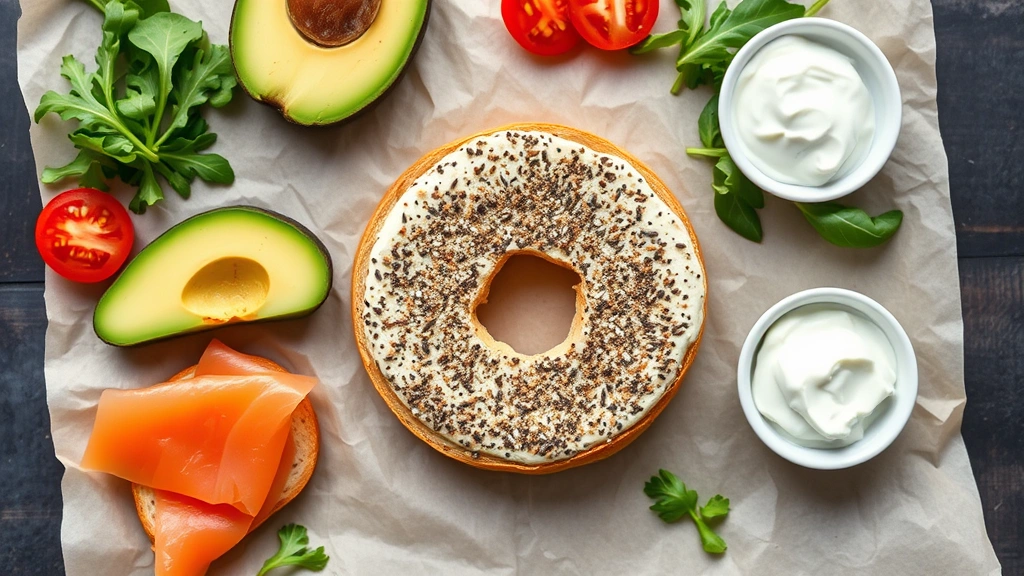
Avocado represents an excellent pairing option that adds healthy monounsaturated fats, potassium, and fiber while creating creamy texture and satiety enhancement. Fresh tomato slices contribute lycopene, vitamin C, and additional fiber with minimal calories. Leafy greens including spinach or arugula add micronutrients and fiber without substantially increasing caloric content. The combination of everything bagel with avocado, tomato, and spinach creates a nutritionally complete breakfast providing carbohydrates, protein, healthy fats, fiber, and diverse micronutrients.
For individuals preferring sweet pairings, whole grain everything bagels topped with natural almond or peanut butter and sliced banana provide complete proteins, healthy fats, potassium, and fiber with controlled added sugar. This combination supports satiety and provides sustained energy release through balanced macronutrient ratios. The nutritional facts about avocados and other healthy fats become relevant when optimizing bagel-based meals.
Timing of bagel consumption influences nutritional outcomes through circadian metabolic patterns. Consuming everything bagels at breakfast when metabolic rate is elevated and activity levels typically increase throughout the day produces superior outcomes compared to evening consumption when reduced activity and approaching sleep create conditions for excess carbohydrate storage as adipose tissue. This circadian consideration applies particularly to individuals managing weight or blood glucose regulation.
Beverage pairing significantly impacts overall meal glycemic response. Consuming everything bagels with black coffee or unsweetened tea produces minimal additional glucose elevation, while pairing with orange juice or sweetened beverages substantially increases the glycemic load of the meal. Protein-containing beverages including Greek yogurt-based smoothies or milk create satiety synergy with bagel carbohydrates, extending postprandial satiety and reducing subsequent snacking behavior.
Portion control represents perhaps the most important consideration for individuals concerned about caloric intake or blood glucose management. A single everything bagel provides a complete carbohydrate serving for most individuals following standard dietary guidelines. Consuming multiple bagels at single meals creates excessive carbohydrate loads that spike blood glucose and provide substantial caloric intake that may exceed individual requirements. Treating everything bagels as centerpieces of balanced meals rather than standalone foods optimizes their nutritional contribution.
FAQ
How many calories are in an everything bagel?
A standard everything bagel weighing approximately 100 grams contains 210-240 calories. This can vary slightly based on bagel size, bakery, and manufacturing processes. Larger bagels from artisanal bakeries may exceed 280 calories, while smaller varieties may contain as few as 180 calories.
Is an everything bagel healthy?
Everything bagels can fit within healthy diets when consumed strategically. They provide meaningful carbohydrates for energy, modest protein, and micronutrients from the seed-based seasoning. However, their sodium content and high glycemic index in refined versions warrant consideration. Whole grain everything bagels paired with protein-rich and vegetable-based toppings represent nutritionally superior choices compared to plain versions with calorie-dense spreads.
How much sodium is in an everything bagel?
A typical everything bagel contains 350-450 milligrams of sodium, representing roughly 15-20% of the recommended daily intake. This relatively high sodium content reflects both the salt added during dough preparation and the concentrated sodium in the everything seasoning coating.
Are everything bagels high in fiber?
Standard refined flour everything bagels contain 2-3 grams of fiber, which is modest. Whole grain or sprouted everything bagels contain 5-7 grams of fiber, making them substantially more beneficial for digestive health and blood glucose management. Fiber content represents one of the most significant nutritional differences between refined and whole grain varieties.
What toppings make an everything bagel more nutritious?
Optimal toppings include smoked salmon or lox (providing omega-3 fatty acids and complete protein), avocado (providing healthy fats and potassium), fresh vegetables including tomato and leafy greens (providing micronutrients and fiber), and unsalted or low-sodium cream cheese or spreads. Avoiding high-sodium deli meats and sugary spreads helps maintain overall nutritional quality.
Do everything bagels contain gluten?
Yes, traditional everything bagels made with wheat flour contain gluten. Individuals with celiac disease or non-celiac gluten sensitivity should avoid standard everything bagels. Gluten-free everything bagels manufactured with alternative flour blends are available from specialty bakeries and manufacturers, though their nutritional profiles differ from wheat-based versions.
How does an everything bagel compare to toast?
A single everything bagel provides equivalent calories to approximately 2-2.5 slices of standard sandwich bread toast but with greater satiety due to denser structure and higher protein content. Everything bagels provide more sustained energy and appetite suppression compared to equivalent-calorie toast consumption, making them potentially superior for individuals seeking extended satiety.
Can everything bagels fit into weight loss diets?
Everything bagels can be incorporated into weight loss diets when consumed in appropriate portions and paired with protein-rich and vegetable-based toppings that enhance satiety. A single whole grain everything bagel topped with smoked salmon and vegetables provides approximately 350-400 calories with balanced macronutrients that support sustained energy without excessive hunger. The key consideration involves viewing bagels as components of balanced meals rather than standalone foods.
What is the best time of day to eat an everything bagel?
Consuming everything bagels at breakfast when metabolic rate is elevated and activity levels increase throughout the day produces superior outcomes compared to evening consumption. This timing allows carbohydrate calories to be utilized for energy rather than stored as adipose tissue. Pairing morning bagel consumption with physical activity further optimizes nutritional utilization.
Are there nutritional differences between bagel brands?
Yes, significant nutritional variation exists between bagel brands and bakeries. Commercial mass-produced bagels often contain added sugars, dough conditioners, and preservatives absent from artisanal versions. Whole grain and sprouted bagel varieties from specialty bakeries typically provide superior nutritional profiles compared to standard supermarket options. Reviewing nutrition labels and ingredient lists helps identify higher-quality options aligned with individual dietary goals.
Visit the Nutrients Pathway Blog for additional nutrition insights and evidence-based dietary guidance.


