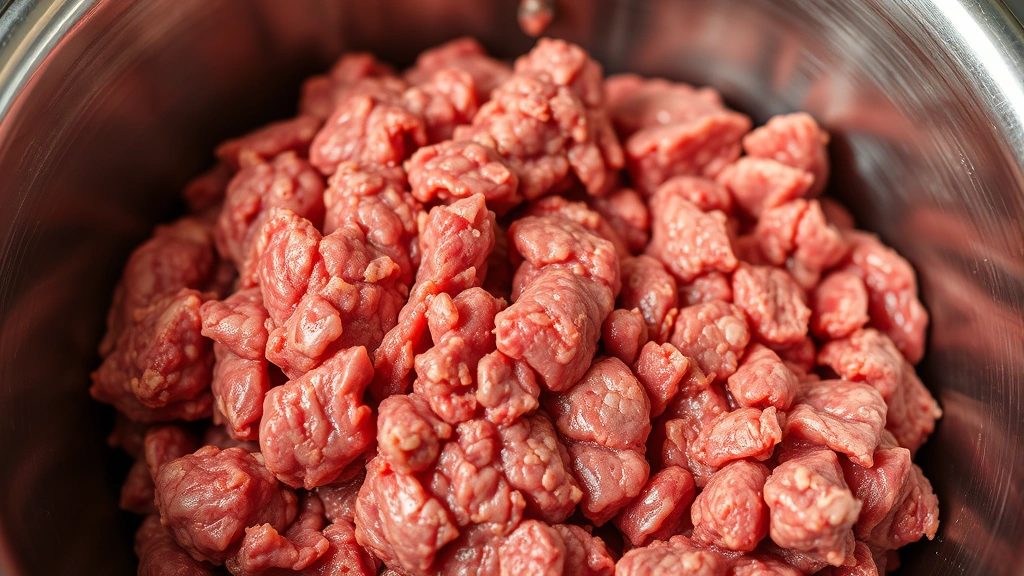
1 Pound Ground Beef: Nutritionist Analysis
Ground beef remains one of the most versatile and nutrient-dense protein sources available to consumers, yet understanding its complete nutritional profile requires careful examination. When analyzing 1 pound of ground beef, nutritionists must consider fat content, lean-to-fat ratios, micronutrient density, and how preparation methods influence its dietary value. This comprehensive analysis breaks down what you’re actually consuming when you prepare a pound of this staple protein.
The nutritional landscape of ground beef has evolved significantly as consumer demand for transparency grows. Whether you’re building a healthy nutrition plan or optimizing your nutrition for athletes, understanding ground beef’s macronutrient and micronutrient composition is essential for informed dietary decisions.
Caloric Breakdown and Macronutrients
One pound of ground beef contains approximately 1,450 to 1,600 calories, depending on the lean-to-fat ratio selected at purchase. This significant caloric density makes portion control an important consideration for those monitoring energy intake. The macronutrient distribution shifts considerably based on whether you purchase 70/30, 80/20, 85/15, or 93/7 ground beef ratios.
For a standard 80/20 ground beef (80% lean, 20% fat), one pound delivers roughly:
- Protein: 88-92 grams – providing essential amino acids for muscle synthesis and recovery
- Total Fat: 72-80 grams – including both saturated and unsaturated fatty acids
- Carbohydrates: 0 grams – making it excellent for low-carb dietary approaches
The 85/15 ratio offers a leaner alternative with approximately 1,250 calories, 95 grams of protein, and 55 grams of fat per pound. For those seeking minimal fat intake, the 93/7 ground beef provides roughly 1,100 calories, 100 grams of protein, and just 40 grams of fat, though this option typically costs significantly more.
Understanding these macronutrient ratios helps consumers align their ground beef consumption with specific dietary objectives, whether building muscle, maintaining weight, or reducing caloric intake while preserving protein intake.
Fat Content Analysis
Fat composition in ground beef deserves particular attention, as the type and amount of fat significantly impacts both nutritional value and health implications. One pound of 80/20 ground beef contains approximately 72-80 grams of total fat, distributed across saturated, monounsaturated, and polyunsaturated varieties.
Breaking down the fat profile:
- Saturated Fat (approximately 28-32 grams) – comprises roughly 35-40% of total fat content and requires moderation in most dietary guidelines
- Monounsaturated Fat (approximately 30-34 grams) – considered heart-healthy and associated with cardiovascular benefits
- Polyunsaturated Fat (approximately 2-4 grams) – includes omega-3 and omega-6 fatty acids important for inflammation management
Recent research from nutrition science journals indicates that the saturated fat in beef may have less severe effects on cardiovascular health than previously believed, particularly when consumed as part of a balanced diet. However, the American Heart Association still recommends limiting saturated fat to 5-6% of daily calories.
The fat content also contains important fat-soluble vitamins and conjugated linoleic acid (CLA), a compound with potential anti-inflammatory and metabolic benefits. When calculating your nutrient absorption, dietary fat actually enhances the bioavailability of fat-soluble vitamins like vitamin D and vitamin A found in beef.
Protein Quality and Amino Acids
Ground beef stands as a complete protein source, containing all nine essential amino acids required for human health. One pound provides 88-100 grams of protein depending on the lean ratio selected, making it exceptionally efficient for protein intake goals.
The amino acid profile includes:
- Leucine – critical for muscle protein synthesis and mTOR pathway activation
- Isoleucine and Valine – branched-chain amino acids (BCAAs) supporting muscle recovery
- Methionine – important for methylation processes and detoxification
- Lysine – essential for collagen formation and immune function
The biological value (BV) of beef protein ranks at approximately 80, indicating excellent utilization efficiency within the human body. This high-quality protein makes ground beef particularly valuable for individuals pursuing muscle hypertrophy or those requiring enhanced protein intake for recovery purposes. For athletes and active individuals, incorporating ground beef into a structured nutrition for athletes program provides substantial advantages.
Digestibility also remains superior, with beef proteins being nearly completely absorbed and utilized compared to plant-based alternatives. This makes ground beef an excellent choice for individuals with compromised digestive systems or increased nutrient demands.
Essential Micronutrients
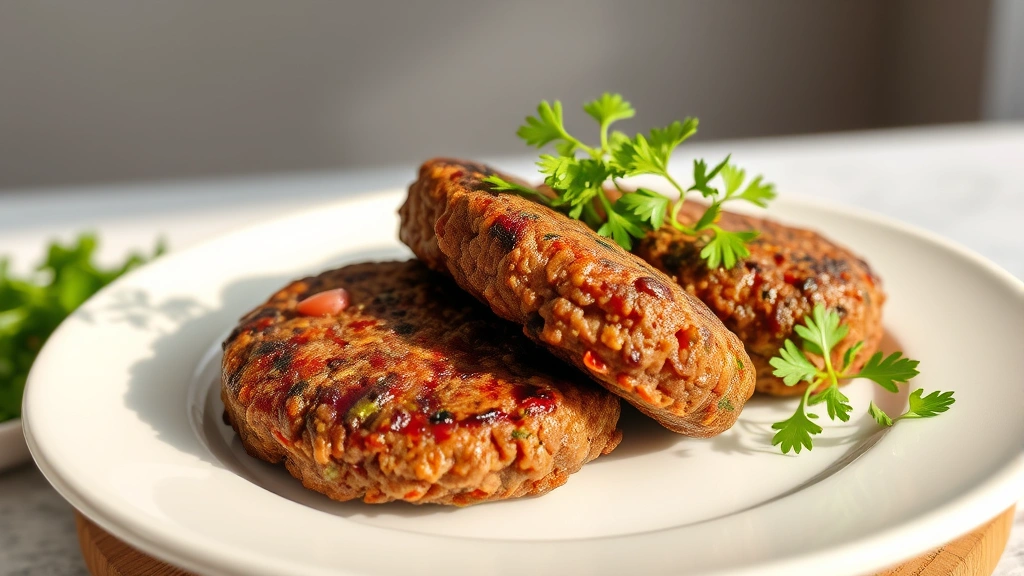
Beyond macronutrients, one pound of ground beef delivers impressive micronutrient density that many consumers overlook. These micronutrients contribute significantly to overall health and physiological function.
Key micronutrient content per pound of 80/20 ground beef:
- Iron (Heme Iron) – approximately 5-6 mg, with superior bioavailability compared to plant-based iron sources
- Zinc – roughly 15-18 mg, supporting immune function and testosterone production
- Selenium – about 35-40 mcg, functioning as an antioxidant and thyroid regulator
- Vitamin B12 – approximately 2-3 mcg, essential for neurological function and red blood cell formation
- Niacin (Vitamin B3) – roughly 8-10 mg, supporting energy metabolism
- Riboflavin (Vitamin B2) – about 1.2-1.5 mg, crucial for cellular energy production
- Vitamin B6 – approximately 1.0-1.2 mg, important for neurotransmitter synthesis
- Phosphorus – roughly 600-700 mg, essential for bone health and ATP production
The heme iron found in ground beef deserves special emphasis, as it’s absorbed at rates 15-35% higher than non-heme iron from plant sources. This makes beef particularly valuable for individuals at risk of iron deficiency, including menstruating women and vegetarians considering occasional beef consumption.
Zinc content in ground beef significantly exceeds most plant sources and supports immune cell function, wound healing, and protein synthesis. The combination of these micronutrients makes ground beef a nutritionally dense choice that can help meet daily recommended values efficiently.
Understanding Lean Ratios
The lean-to-fat ratio printed on ground beef packaging fundamentally determines nutritional content and should guide purchasing decisions based on individual dietary goals.
70/30 Ground Beef (70% lean, 30% fat)
This ratio contains approximately 1,600+ calories, 85 grams of protein, and 90+ grams of fat per pound. While higher in fat, this option typically costs less and provides superior flavor and juiciness when cooked. The higher fat content facilitates nutrient absorption and provides greater satiety. However, the elevated caloric density requires portion awareness for those in caloric deficits.
80/20 Ground Beef (80% lean, 20% fat)
The most commonly purchased ratio, 80/20 balances cost, flavor, and nutritional profile with approximately 1,450 calories, 92 grams of protein, and 75 grams of fat per pound. This middle ground appeals to most consumers and provides reliable nutritional consistency.
85/15 Ground Beef (85% lean, 15% fat)
With roughly 1,250 calories, 95 grams of protein, and 55 grams of fat per pound, this leaner option suits those prioritizing protein intake while reducing caloric consumption. The reduced fat can impact flavor and cooking characteristics, potentially requiring additional seasoning or cooking fat.
93/7 Ground Beef (93% lean, 7% fat)
The leanest commercially available option provides approximately 1,100 calories, 100 grams of protein, and 40 grams of fat per pound. While superior for caloric restriction and protein maximization, the minimal fat can result in drier final products and higher costs. This ratio appeals primarily to competitive bodybuilders and those with strict macronutrient targets.
Selecting the appropriate ratio depends on your healthy nutrition plan objectives and budget constraints.
Impact of Cooking Methods
Cooking method significantly influences the final nutritional profile of ground beef, affecting both macronutrient composition and micronutrient retention.
Pan-Browning with Fat Drainage
Traditional pan-browning followed by fat drainage can reduce total fat content by 20-30%, depending on the initial lean ratio and drainage thoroughness. One pound of 80/20 ground beef, when browned and drained, may contain 50-60 grams of fat instead of the raw 75 grams. However, some fat-soluble vitamins and flavor compounds drain away with the rendered fat.
Grilling
Grilling allows fat to drip away during cooking, potentially reducing fat content by 25-35%. This method produces desirable browning reactions (Maillard reaction) that enhance flavor and may increase antioxidant compounds. Temperature control becomes critical, as excessive heat can degrade some heat-sensitive B vitamins.
Slow Cooking
Slow cooking in liquid preserves moisture and nutrients, though fat reduction depends on whether cooking liquid is discarded. This method maintains vitamin content better than high-heat cooking and can improve collagen breakdown for enhanced mineral absorption.
Pressure Cooking
Pressure cooking reduces cooking time significantly while maintaining nutrient density. Research suggests minimal B vitamin loss compared to prolonged boiling, making this method nutritionally efficient.
Understanding these cooking impacts helps optimize the nutritional value you extract from your ground beef preparation.
Health Considerations
While ground beef offers substantial nutritional benefits, several health considerations warrant discussion for informed consumption decisions.
Cardiovascular Health
The saturated fat content raises concerns for some individuals, particularly those with existing cardiovascular disease or elevated cholesterol. However, Harvard School of Public Health research indicates that unprocessed beef affects cardiovascular risk differently than processed varieties. Consuming ground beef as part of a balanced diet with adequate fiber, vegetables, and whole grains mitigates potential negative effects.
Cancer Risk Considerations
Some epidemiological studies associate high red meat consumption with increased colorectal cancer risk. However, the relationship appears stronger with processed beef products than fresh ground beef. Cooking methods matter significantly—excessive charring at high temperatures produces heterocyclic amines (HCAs) associated with potential carcinogenic effects. Moderate cooking temperatures and inclusion of antioxidant-rich vegetables during preparation can reduce HCA formation.
Muscle Building and Athletic Performance
For those pursuing nutrition for athletes objectives, ground beef’s complete amino acid profile and micronutrient density make it exceptionally valuable. The combination of protein, creatine, carnitine, and B vitamins supports muscle protein synthesis and energy metabolism.
Iron Overload Considerations
Individuals with hemochromatosis or other iron metabolism disorders should monitor beef consumption carefully, as heme iron absorption is difficult to regulate. Consulting healthcare providers regarding appropriate intake becomes essential for these populations.
Sustainability and Sourcing
Environmental concerns regarding beef production warrant consideration. Grass-fed and regenerative beef may offer improved nutrient profiles, including higher omega-3 fatty acids and conjugated linoleic acid (CLA), though research remains ongoing. Supporting sustainable sourcing aligns consumption with environmental values while potentially enhancing nutritional quality.
Incorporating ground beef thoughtfully into a healthy nutrition plan that emphasizes vegetable intake, fiber sources, and overall dietary balance maximizes benefits while minimizing potential concerns.
FAQ
How many servings does one pound of ground beef provide?
One pound of raw ground beef typically yields 3-4 servings of approximately 3.5-4 ounces each when cooked. However, serving size depends on individual dietary goals and the context of the meal. Athletes and individuals pursuing muscle gain may consume larger portions, while those in caloric deficits consume smaller amounts.
Does cooking ground beef reduce nutritional value?
Cooking affects different nutrients differently. B vitamins may decrease by 10-25% depending on cooking method and temperature, while minerals like iron and zinc remain relatively stable. Protein content remains essentially unchanged. Slower cooking methods generally preserve more heat-sensitive nutrients compared to high-temperature cooking.
Is 80/20 ground beef better than leaner options?
The optimal ratio depends on individual goals. The 80/20 ratio balances nutrition, cost, and flavor effectively for most consumers. Leaner ratios suit those prioritizing protein intake with reduced calories, while fattier ratios provide enhanced flavor and satiety. Neither is objectively “better”—the best choice aligns with your specific dietary objectives and preferences.
Can ground beef fit into a weight loss diet?
Absolutely. Ground beef’s high protein content promotes satiety and supports metabolic function during caloric restriction. Selecting leaner ratios (85/15 or 93/7) reduces caloric density while maintaining protein intake. Combining ground beef with fiber-rich vegetables and whole grains creates balanced meals supporting sustainable weight loss.
What’s the difference between grass-fed and grain-fed ground beef nutritionally?
Grass-fed beef contains slightly higher omega-3 fatty acids and conjugated linoleic acid (CLA) compared to grain-fed varieties, though the differences are modest. Grass-fed beef may have marginally higher vitamin E and antioxidant levels. Both varieties provide excellent protein quality and micronutrient density. Grass-fed options typically cost more but may align with environmental or sustainability preferences.
How should ground beef be stored?
Raw ground beef should be stored in the coldest section of the refrigerator and used within 1-2 days of purchase. For longer storage, freeze in airtight containers or vacuum-sealed packages for up to 3-4 months. Frozen ground beef maintains nutritional value effectively and can be thawed overnight in the refrigerator before cooking.
Is ground beef suitable for people with digestive issues?
Ground beef’s high digestibility makes it suitable for many individuals with digestive concerns. The protein is easily absorbed, and the absence of fiber makes it gentle on compromised digestive systems. However, individuals with specific conditions should consult healthcare providers regarding appropriate intake and preparation methods.
Understanding the complete nutritional profile of one pound of ground beef empowers informed dietary decisions aligned with personal health goals. Whether incorporated into a healthy nutrition plan, nutrition for athletes programming, or general dietary variety, ground beef remains a nutrient-dense protein source deserving a place in most balanced diets. The key lies in selecting appropriate lean ratios, employing optimal cooking methods, and consuming within the context of overall dietary patterns emphasizing whole foods and nutritional balance. Visit the Nutrients Pathway Blog for additional nutritional guidance and evidence-based dietary information.


