Guacamole Nutrition Facts: Dietitian Insights
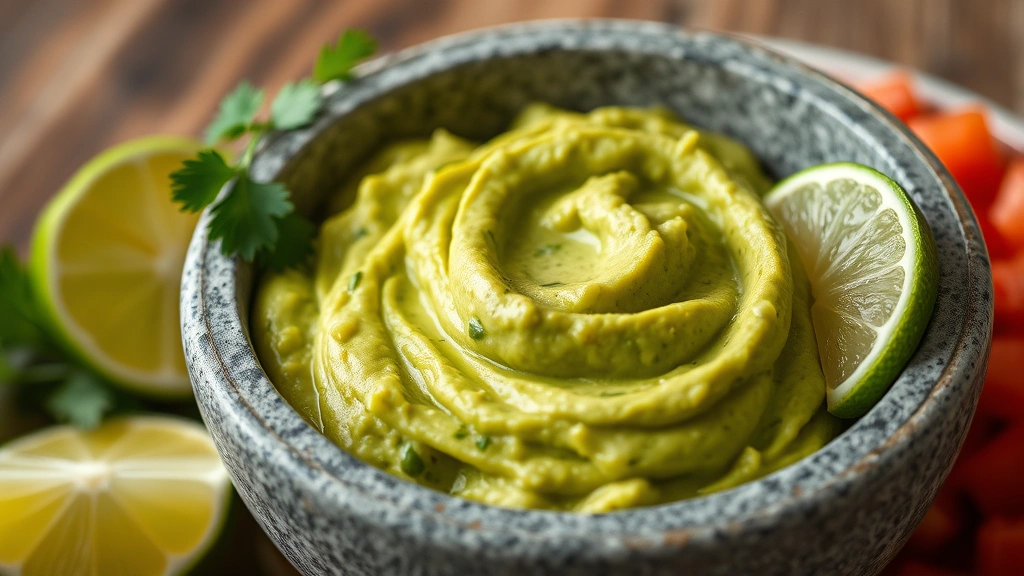
Guacamole has become a staple in modern cuisine, celebrated not only for its creamy texture and rich flavor but also for its impressive nutritional profile. This beloved condiment, made primarily from avocados, offers a surprising array of health benefits that extend far beyond its delicious taste. Understanding the guacamole nutrition facts can help you make informed dietary choices and maximize the health potential of this versatile food.
Whether you’re incorporating guacamole into your daily meals or enjoying it occasionally as a treat, knowing what’s actually in your serving provides valuable insight into how it fits within a balanced diet. Registered dietitians consistently point to guacamole as one of the few indulgent foods that simultaneously delivers meaningful nutritional value, making it a smart choice for health-conscious consumers.
Core Nutritional Breakdown of Guacamole
A standard serving of guacamole, typically defined as two tablespoons or about 32 grams, contains approximately 45-60 calories depending on preparation methods. The macronutrient composition reveals why dietitians regard this food favorably: roughly 4 grams of fat, 2.5 grams of carbohydrates, and 0.5 grams of protein per serving. However, these basic numbers tell only part of the story, as the quality of these macronutrients matters significantly more than the quantity alone.
The foundation of guacamole’s nutrition comes directly from avocados, fruits that have been cultivated for thousands of years and are now recognized as nutritional powerhouses. When you examine the nutrition facts about avocados, you’ll discover that guacamole inherits most of its beneficial compounds from this primary ingredient. The addition of lime juice, cilantro, onions, tomatoes, and garlic further enhances the nutritional density without adding significant calories.
Dietitians emphasize that understanding portion sizes remains crucial when consuming guacamole. While the food is nutrient-dense and healthy, its caloric density means that oversized portions can quickly accumulate calories. A quarter cup serving, which is more realistic for many people, contains roughly 90-120 calories and represents a more substantial contribution to daily intake.

Healthy Fats and Heart Health Benefits
The fat content in guacamole deserves special attention because not all fats are created equal. Approximately 75-80% of the fat in guacamole comes from monounsaturated fatty acids, the same beneficial fat found in olive oil and nuts. These fats have been extensively studied and consistently linked to improved cardiovascular health, reduced inflammation, and better cholesterol profiles.
Research from the American Heart Association supports the consumption of monounsaturated fats as part of a heart-healthy diet. The oleic acid present in guacamole specifically has been shown to help reduce LDL cholesterol (the harmful kind) while maintaining or even increasing HDL cholesterol (the protective kind). This makes guacamole an excellent choice for individuals concerned about cardiovascular health or those following a healthy nutrition plan.
Beyond heart health, the fat-soluble vitamins in guacamole require dietary fat for proper absorption. The natural fats present in guacamole actually enhance your body’s ability to absorb vitamins A, D, E, and K from the same meal. This synergistic relationship between fats and fat-soluble nutrients makes guacamole particularly valuable when consumed alongside vegetables and other whole foods.
The polyunsaturated fat content, while smaller than monounsaturated fat, includes omega-3 and omega-6 fatty acids that support brain function, reduce inflammation, and contribute to overall cellular health. For individuals interested in optimizing their dietary fat intake, guacamole represents an elegant solution that delivers multiple types of beneficial fats simultaneously.
Vitamins and Minerals in Every Serving
Guacamole contains an impressive array of micronutrients that often go unrecognized. A two-tablespoon serving provides approximately 5-7% of the daily recommended value of vitamin K, a nutrient essential for bone health and blood clotting. While this might seem modest, regular guacamole consumption contributes meaningfully to meeting vitamin K requirements throughout the day.
Potassium content in guacamole deserves particular mention, as avocados contain more potassium per ounce than bananas—a fact that surprises many people. A standard serving provides roughly 140-150 milligrams of potassium, a mineral crucial for heart rhythm regulation, blood pressure management, and proper muscle function. For individuals managing blood pressure or at risk for cardiovascular disease, the potassium content in guacamole offers genuine therapeutic value.
The mineral profile extends to include folate, which is particularly important for women of childbearing age and for anyone concerned about cognitive health. Folate supports DNA synthesis and cell division, making it essential during periods of rapid growth and development. Magnesium, another key mineral in guacamole, plays roles in over 300 enzymatic reactions throughout the body, supporting energy production, muscle function, and nervous system health.
Vitamin E, a powerful antioxidant, protects cells from oxidative stress and inflammation. Guacamole provides meaningful amounts of this nutrient, which becomes increasingly important as we age or face environmental stressors. The combination of vitamins and minerals in guacamole creates a synergistic nutritional profile that supports multiple body systems simultaneously.
Fiber Content and Digestive Health
One of guacamole’s most underappreciated nutritional attributes is its dietary fiber content, which supports digestive health and offers numerous systemic benefits. A two-tablespoon serving contains approximately 1.5 grams of fiber, with larger portions providing proportionally more. While this might seem modest in isolation, the fiber in guacamole works synergistically with other nutrients to promote optimal digestive function.
Dietary fiber plays multiple roles in supporting health: it promotes healthy gut bacteria growth, supports stable blood sugar levels, enhances satiety, and facilitates regular bowel movements. The soluble fiber in guacamole, in particular, helps regulate cholesterol absorption and blood glucose response, making it especially valuable for individuals managing metabolic health.
Dietitians often recommend combining guacamole with high-fiber foods like whole grain tortilla chips or fresh vegetables to maximize the digestive benefits. This combination provides complementary fiber types—soluble and insoluble—along with prebiotic compounds that feed beneficial gut bacteria. The resulting effect on digestive health and overall wellbeing can be quite substantial when these food combinations become regular dietary habits.
The fiber in guacamole also contributes to improved insulin sensitivity and more stable blood sugar levels throughout the day. For individuals concerned about metabolic health or at risk for type 2 diabetes, incorporating guacamole into meals with complex carbohydrates and proteins creates a more balanced nutritional profile that minimizes blood sugar spikes.
Caloric Considerations and Portion Control
While guacamole offers exceptional nutritional value, its caloric density requires mindful consumption. At approximately 90 calories per quarter cup or 45 calories per two tablespoons, guacamole is calorically concentrated compared to many other foods. However, this concentration of calories reflects the nutrient density rather than representing empty calories.
Portion control strategies recommended by registered dietitians include measuring guacamole with standardized serving utensils, pre-portioning into small containers, or using visual cues like a golf ball (approximately two tablespoons) as a reference. These practical approaches help prevent the common tendency to overestimate appropriate portions while consuming guacamole.
The satiety factor of guacamole deserves consideration when evaluating its role in weight management. The combination of healthy fats and fiber promotes feelings of fullness and satisfaction, potentially reducing overall caloric intake throughout the day. Studies examining appetite regulation have shown that foods containing monounsaturated fats like those in guacamole tend to promote greater satiety compared to processed alternatives.
For individuals following specific caloric targets or macronutrient ratios, accounting for guacamole’s contribution becomes straightforward when portions remain consistent and measured. Rather than eliminating this nutritious food, most dietary approaches benefit from its strategic incorporation at appropriate portion sizes.
Comparing Commercial vs Homemade Guacamole
The nutritional quality of guacamole varies significantly depending on whether it’s commercially produced or prepared at home. Commercial guacamole products often contain additives, preservatives, and excess sodium designed to extend shelf life and enhance flavor. Some commercial versions contain fillers like sour cream or mayonnaise that increase caloric content while reducing the proportion of avocado.
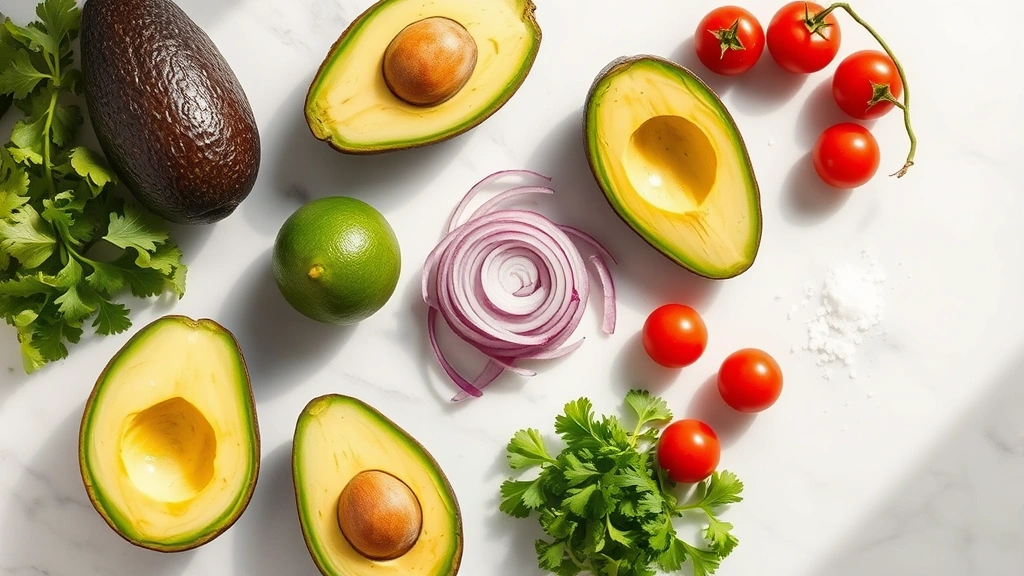
Homemade guacamole allows complete control over ingredients and proportions. A basic recipe combining avocado, lime juice, cilantro, diced tomatoes, minced onion, and salt delivers superior nutritional quality compared to most commercial alternatives. The absence of preservatives, additives, and hidden ingredients makes homemade guacamole the preferred choice for individuals prioritizing maximum nutritional benefit.
Sodium content represents a significant difference between commercial and homemade versions. While a homemade guacamole serving might contain 50-100 milligrams of sodium from salt additions, commercial products frequently contain 200-400 milligrams per serving, sometimes higher. For individuals managing blood pressure or following sodium-restricted diets, homemade preparation offers clear advantages.
Dietitians consistently recommend preparing guacamole at home when possible, particularly for individuals with specific health goals or dietary restrictions. The process requires minimal time and skill, making it an accessible option for most people. Fresh ingredients ensure maximum micronutrient content, as vitamins begin degrading immediately after processing and storage.
Integrating Guacamole into a Healthy Diet
Strategic integration of guacamole into your overall dietary pattern maximizes its health benefits while maintaining nutritional balance. Pairing guacamole with protein sources like grilled chicken, fish, or legumes creates complete meals with balanced macronutrient profiles. The healthy fats in guacamole enhance the absorption of fat-soluble vitamins from accompanying vegetables.
Breakfast applications offer underutilized opportunities for incorporating guacamole into your daily routine. Spreading guacamole on whole grain toast, incorporating it into vegetable omelets, or adding it to smoothie bowls provides morning nutrition that supports sustained energy and satiety. These applications deliver guacamole’s benefits earlier in the day when caloric and nutrient intake significantly impacts metabolic function.
For individuals focused on athletic performance and recovery, guacamole’s nutrient profile supports nutrition for athletes objectives. The potassium content supports muscle function and electrolyte balance, while the healthy fats support hormone production and nutrient absorption. Incorporating guacamole into post-workout meals or snacks contributes meaningfully to recovery nutrition.
Snacking with guacamole provides an opportunity to improve overall dietary quality. Rather than processed snacks, pairing guacamole with vegetables, whole grain crackers, or fresh fruit creates nutrient-dense snacks that stabilize blood sugar and provide sustained energy. The satisfaction provided by guacamole’s healthy fats often results in reduced subsequent hunger and improved food choices.
Understanding how guacamole fits within your specific health goals and dietary patterns allows for optimal utilization of its nutritional benefits. Whether your focus involves heart health, weight management, athletic performance, or general wellness, guacamole offers versatile nutritional support that adapts to various dietary approaches and preferences.
For those interested in deepening their nutritional knowledge, exploring how to improve nutrient absorption can enhance the benefits you receive from guacamole and other nutrient-dense foods. Additionally, consulting the Nutrients Pathway Blog provides ongoing insights into evidence-based nutrition information and practical dietary strategies.
Frequently Asked Questions
How much guacamole should I eat daily for optimal health benefits?
Most dietitians recommend consuming one-quarter to one-half cup of guacamole daily as part of a balanced diet. This portion provides meaningful nutrient contributions while maintaining appropriate caloric intake. Individual needs vary based on overall dietary patterns, activity level, and health goals, so personalized recommendations from a registered dietitian may differ.
Does guacamole contain cholesterol?
Guacamole contains minimal cholesterol, as cholesterol is found exclusively in animal products. The fat in guacamole is plant-based and primarily consists of beneficial monounsaturated fatty acids. This makes guacamole an excellent choice for individuals concerned about dietary cholesterol intake.
Can I eat guacamole if I’m trying to lose weight?
Yes, guacamole can support weight management efforts when consumed in appropriate portions. The healthy fats and fiber promote satiety, reducing overall caloric intake throughout the day. The key involves measuring portions carefully and accounting for calories within your daily targets.
Is store-bought guacamole as nutritious as homemade?
Homemade guacamole typically offers superior nutritional quality because you control all ingredients and avoid additives and preservatives. However, store-bought options remain nutritious choices when fresh avocado represents the primary ingredient and sodium content remains reasonable.
What’s the best way to store guacamole to preserve nutrients?
Guacamole is best consumed immediately after preparation to maximize nutrient retention. If storage is necessary, keep it in an airtight container with plastic wrap pressed directly onto the surface to minimize oxidation. Refrigerate for no longer than 2-3 days. Adding lime or lemon juice helps preserve color and extends freshness slightly.
Does guacamole interact with any medications?
Individuals taking blood thinners like warfarin should maintain consistent vitamin K intake, as guacamole contains this nutrient. Consistency matters more than avoidance, so discuss guacamole consumption with your healthcare provider if you take medications affected by vitamin K intake.
Is guacamole suitable for people with nut allergies?
Yes, guacamole is naturally free from tree nuts and peanuts, making it safe for individuals with nut allergies. However, always verify that commercial products haven’t been processed in facilities that handle nuts, as cross-contamination may occur during manufacturing.