
Ice Cream Nutrition: Dietitian Insights on Indulgence and Health
Ice cream remains one of America’s most beloved desserts, yet its nutritional profile often sparks debate among health-conscious consumers and nutrition professionals. Understanding ice cream nutrition facts requires moving beyond simple calorie counts to examine the complex interplay of sugars, fats, proteins, and micronutrients that define this frozen treat. Registered dietitians increasingly recognize that strategic consumption of ice cream can fit within balanced dietary approaches, provided consumers make informed choices about portion sizes and product selection.
The frozen dessert industry has undergone significant transformation in recent years, with manufacturers introducing alternative formulations that address common nutritional concerns. From traditional full-fat varieties to protein-enriched options and plant-based alternatives, the modern ice cream landscape offers unprecedented diversity. This comprehensive guide explores what dietitians want you to know about ice cream nutrition, examining everything from ingredient analysis to practical consumption strategies that allow enjoyment without compromising health goals.
Understanding Ice Cream Nutrition Fundamentals
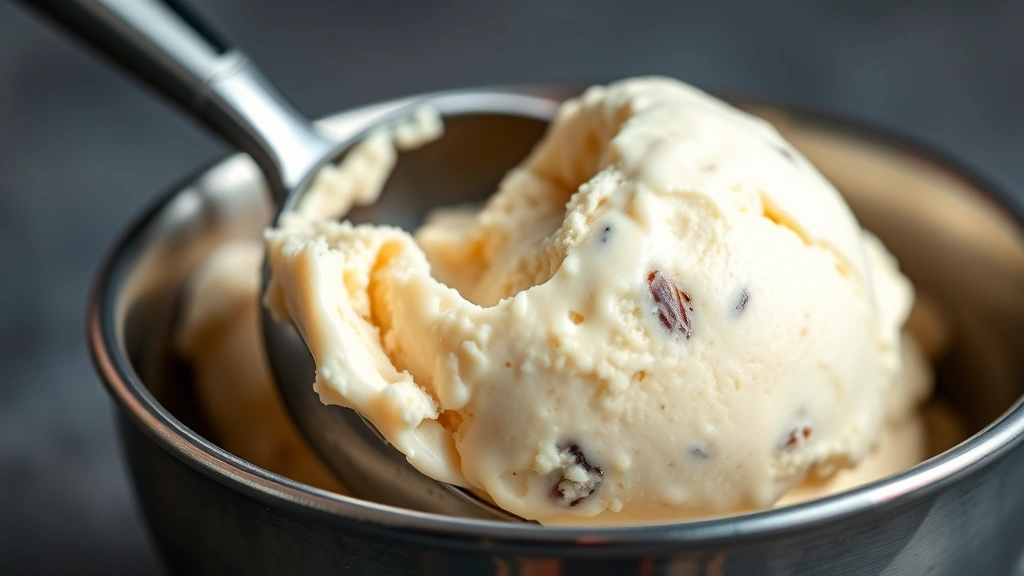
Ice cream’s basic composition consists of milk solids, milk fat, sweeteners, and various stabilizers and emulsifiers that create its characteristic texture. The nutritional density of ice cream varies dramatically based on manufacturing processes, ingredient selection, and product classification. A standard serving of premium vanilla ice cream typically contains between 200-300 calories, though this figure fluctuates significantly depending on whether you’re consuming economy brands, artisanal products, or specialty formulations.
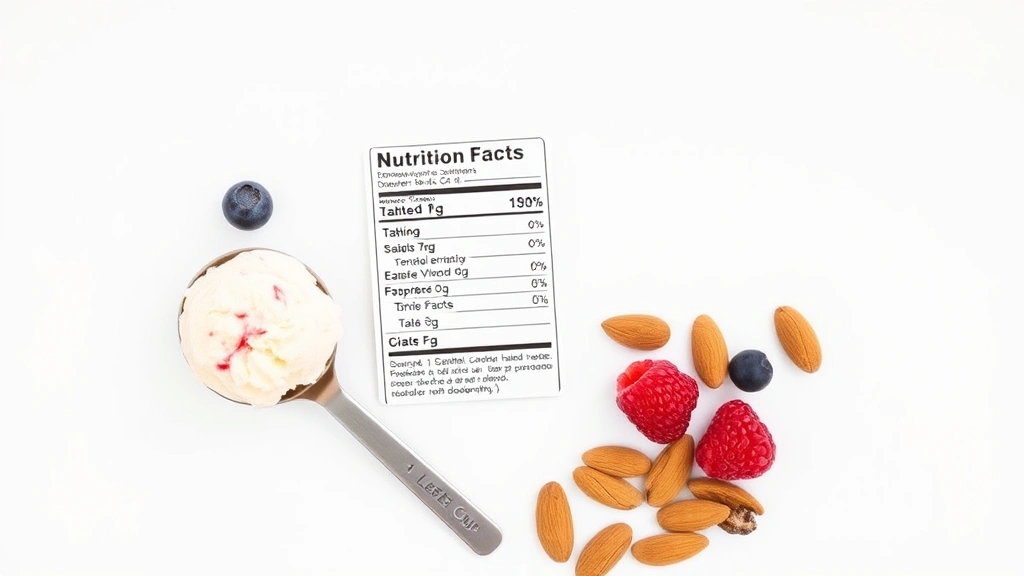
Dietitians emphasize that reading nutrition labels requires understanding serving size definitions, which often prove deceptively small. The FDA defines a standard ice cream serving as one-half cup, a measurement that frequently surprises consumers accustomed to larger portions. This distinction matters considerably when evaluating nutritional content, as actual consumption often exceeds label-defined servings by 50-100 percent. Understanding these baseline metrics forms the foundation for making informed decisions about ice cream consumption within the context of a healthy nutrition plan.
The regulatory landscape governing ice cream labeling has evolved significantly, with the FDA implementing updated nutrition facts labels that provide greater transparency regarding added sugars and serving sizes. These changes reflect growing consumer awareness and professional recognition that nutritional literacy directly impacts dietary decision-making. Contemporary dietitians leverage these improved labels when counseling clients about ice cream consumption patterns and helping them align frozen dessert choices with broader nutritional objectives.
Macronutrient Breakdown and Dietary Impact
Ice cream’s macronutrient composition centers on three primary components: carbohydrates, fats, and proteins, each contributing distinct physiological effects. A typical serving of regular ice cream contains approximately 20-30 grams of carbohydrates, 10-15 grams of fat, and 3-5 grams of protein. These proportions shift considerably across product categories, with premium ice creams containing elevated fat content while reduced-fat varieties emphasize carbohydrates to maintain palatability.
The protein content in ice cream, derived primarily from milk solids, contributes to satiety and muscle maintenance, though quantities remain modest compared to dedicated protein sources. For individuals following nutrition for athletes, protein-enriched ice cream products represent an emerging category that bridges indulgence with performance nutrition. These specialized formulations contain 10-20 grams of protein per serving, making them more compatible with muscle recovery protocols while maintaining the sensory appeal of traditional ice cream.
Carbohydrate composition in ice cream merits particular scrutiny, as the majority derives from added sugars rather than complex carbohydrates. This distinction carries significant implications for blood glucose regulation, energy sustainability, and long-term metabolic health. Dietitians increasingly recommend examining added sugar content specifically, rather than focusing exclusively on total carbohydrates, when evaluating ice cream’s nutritional appropriateness for individual dietary contexts.
Sugar Content and Health Implications
Sugar represents the most contentious component of ice cream nutrition, with typical servings containing 15-25 grams of added sugars. The American Heart Association recommends daily added sugar limits of 25 grams for women and 36 grams for men, meaning a single ice cream serving can represent 40-100 percent of daily allowances depending on individual recommendations. This concentration of rapidly absorbed carbohydrates triggers significant insulin responses that merit consideration, particularly for individuals managing diabetes or metabolic syndrome.
Contemporary research increasingly distinguishes between different sweetening approaches, recognizing that not all sugars impact metabolic health identically. Traditional ice creams rely on sucrose and corn syrup, while newer formulations experiment with alternative sweeteners including stevia, sugar alcohols, and monk fruit extracts. Each approach carries distinct advantages and limitations regarding taste, digestive tolerance, and metabolic effects. Dietitians working with clients must weigh these variables against individual preferences and health objectives, recognizing that sustainable dietary changes require palatability alongside nutritional optimization.
The relationship between ice cream consumption and dental health deserves attention, as the combination of sugar and acids in frozen desserts creates conditions favoring cavity formation. The prolonged exposure time as ice cream melts, coupled with reduced salivary buffering in frozen contexts, elevates caries risk compared to other sugar sources. Implementing post-consumption oral hygiene practices becomes particularly important for individuals who consume ice cream regularly or for parents managing children’s frozen dessert intake.
Fat Profile: The Complex Reality
Ice cream’s fat content has become increasingly nuanced as scientific understanding of dietary lipids has evolved. Traditional perspectives condemned ice cream’s saturated fat content, yet contemporary nutrition science recognizes that saturated fat’s metabolic effects depend substantially on overall dietary patterns, food matrix composition, and individual genetic factors. The dairy fat in ice cream contains conjugated linoleic acid and butyrate, compounds with potential anti-inflammatory and metabolic benefits that distinguish it from other saturated fat sources.
Full-fat ice cream typically contains 10-15 grams of fat per serving, with approximately 60-70 percent derived from saturated fat. This composition raises cholesterol concerns for some populations, yet emerging evidence suggests that dairy fat’s effects on LDL cholesterol vary considerably based on particle size and individual metabolic responses. Reduced-fat and fat-free ice cream alternatives address these concerns through fat reduction, though manufacturers typically compensate with elevated sugar content and modified starches to maintain texture and mouthfeel.
Dietitians now recommend evaluating ice cream fat content within the context of total daily fat intake and overall dietary patterns rather than applying blanket restrictions. For individuals consuming adequate omega-3 and omega-6 fatty acids from other sources, moderate ice cream consumption contributes minimally to problematic fat ratios. This more nuanced approach acknowledges that food-based enjoyment and psychological satisfaction play crucial roles in dietary adherence and long-term health outcomes that pure macronutrient optimization cannot capture.
Micronutrients and Beneficial Compounds
Beyond macronutrients, ice cream provides meaningful contributions of essential micronutrients, particularly calcium and vitamin D, which vary based on milk source and fortification practices. A standard serving delivers approximately 150-200 mg of calcium, representing 15-20 percent of daily recommendations, alongside 40-80 IU of vitamin D depending on product formulation. These micronutrients prove particularly relevant for populations at risk for bone health compromises, though dietitians note that ice cream should complement rather than substitute for primary dairy sources.
Milk-based ice cream contains small quantities of conjugated linoleic acid, a fatty acid with demonstrated anti-inflammatory properties in research models. Additionally, the probiotics naturally present in some ice cream formulations may contribute to gut microbiome diversity, though pasteurization processes typically eliminate these beneficial organisms unless specifically preserved. These compounds, while present in modest quantities, contribute to ice cream’s overall nutritional profile in ways that simplistic calorie counting fails to capture.
The connection between dietary patterns and mental health has gained substantial scientific support, with emerging research suggesting that moderate indulgences like ice cream may contribute to psychological well-being through pleasure-based eating experiences. This dimension of nutrition, often overlooked in clinical settings, reflects recognition that nutrition and mental health intersect in complex ways that influence long-term adherence to healthy eating patterns.
Comparing Ice Cream Types and Alternatives
The frozen dessert market now encompasses diverse categories, each with distinct nutritional profiles. Traditional ice cream, containing minimum 10 percent milk fat, offers the classical flavor and texture profile while delivering the nutritional characteristics discussed above. Premium ice cream, containing 14-25 percent milk fat, provides enhanced satiety and flavor concentration, potentially supporting portion control through increased satisfaction from smaller quantities.
Frozen yogurt represents a popular alternative, typically containing 0-6 percent milk fat with added probiotics marketed as digestive aids. However, frozen yogurt frequently contains sugar levels comparable to traditional ice cream, rendering it nutritionally similar despite perceived health advantages. Gelato, an Italian frozen dessert, generally contains less air incorporation than ice cream, resulting in denser texture and potentially higher caloric density per serving despite lower fat content.
Plant-based ice cream alternatives made from coconut, almond, oat, or cashew milk have proliferated in response to dairy-free demand. These products vary dramatically in nutritional composition, with some providing superior protein and micronutrient profiles through fortification while others rely primarily on added sugars and stabilizers. Individuals following nutrition facts research practices should evaluate plant-based alternatives individually rather than assuming inherent nutritional superiority based on dairy-free status.
Protein ice cream and keto-friendly formulations represent emerging categories specifically engineered to align with contemporary dietary trends. These products substitute traditional sweeteners with sugar alcohols or artificial sweeteners while elevating protein content to 15-20 grams per serving. While these innovations expand options for individuals with specific macronutrient targets, their long-term metabolic effects and sustainability of consumption patterns remain areas of active research.
Portion Control and Mindful Consumption
Dietitian guidance consistently emphasizes portion control as the primary mechanism for incorporating ice cream into balanced nutrition plans. The standard half-cup serving, while nutritionally manageable, requires deliberate practice for consumers accustomed to larger portions. Practical strategies include using smaller bowls or cups, measuring servings explicitly, and consuming ice cream slowly to allow satiety signals adequate time for neural processing.
Mindful eating practices prove particularly valuable for ice cream consumption, as the frozen temperature, sweetness intensity, and palatability create conditions favoring rapid consumption and overconsumption. Implementing intentional eating practices—removing distractions, focusing sensory attention on flavor and texture, and pausing between spoonfuls—enhances satisfaction while reducing overall intake. This approach aligns with growing recognition that dietary quality encompasses not merely nutritional content but also the psychological and behavioral dimensions of eating experiences.
Temporal considerations also influence ice cream’s nutritional impact. Consuming ice cream as part of meals rather than isolated snacks provides satiety context that moderates overall intake and prevents blood glucose spikes characteristic of standalone sugar consumption. Pairing ice cream with fiber sources—such as fruit or whole grain cookies—slows sugar absorption while increasing satiety and micronutrient density of combined consumption.
Integration Into Balanced Nutrition Plans
Contemporary dietitian practice recognizes that sustainable dietary patterns require flexibility accommodating foods beyond strict nutritional optimization criteria. Rather than eliminating ice cream entirely, professional guidance increasingly focuses on strategic integration aligned with individual health objectives, cultural food preferences, and long-term adherence capacity. This approach reflects evidence that rigid dietary restriction often precipitates compensatory overeating and psychological distress that undermines overall health outcomes.
For individuals managing weight, ice cream consumption can fit within caloric budgets through portion control and strategic timing. Consuming ice cream immediately post-exercise may optimize nutrient partitioning toward muscle glycogen repletion rather than fat storage, particularly when consumed with protein sources. This application demonstrates how context-dependent nutritional timing can transform ice cream’s metabolic fate beyond simple caloric accounting.
Individuals managing diabetes or prediabetes require more stringent approaches, focusing on sugar content and pairing strategies that minimize blood glucose dysregulation. Consuming ice cream with meals containing substantial protein and fiber, selecting lower-sugar formulations, and monitoring individual glycemic responses through continuous glucose monitoring provide personalized frameworks for safe ice cream integration. This individualized approach, supported by emerging research on glucose variability and metabolic health, replaces outdated blanket restrictions with evidence-based guidelines.
The Nutrients Pathway Blog provides comprehensive resources for understanding how specific foods, including frozen desserts, contribute to overall nutritional health. Professional consultation with registered dietitian nutritionists proves invaluable when developing personalized approaches to ice cream consumption that align with individual health status, dietary preferences, and long-term wellness objectives.
Considering the importance of dietary fiber in comprehensive nutrition plans, pairing ice cream consumption with fiber-rich foods becomes a practical strategy for optimizing overall dietary quality while maintaining enjoyment of frozen desserts.
FAQ
How many calories does a typical ice cream serving contain?
A standard half-cup serving of regular ice cream contains approximately 200-300 calories, though this varies considerably based on fat content and sweetener type. Premium ice creams tend toward the higher end of this range, while reduced-fat varieties may contain 100-150 calories per serving.
Is ice cream bad for people with diabetes?
Ice cream requires careful management for individuals with diabetes due to high sugar content and rapid carbohydrate absorption. However, strategic consumption—selecting lower-sugar formulations, consuming with meals, and monitoring portion sizes—can allow moderate ice cream enjoyment. Individual glycemic responses vary considerably, making personalized monitoring essential.
What’s the difference between ice cream and frozen yogurt nutritionally?
Frozen yogurt typically contains less fat than traditional ice cream but often contains comparable sugar content. The primary nutritional distinction involves probiotic content, though pasteurization often eliminates beneficial organisms unless specifically preserved during manufacturing.
Can ice cream fit into a weight loss plan?
Yes, ice cream can be incorporated into weight loss plans through portion control and strategic timing. Consuming moderate portions as part of meals rather than isolated snacks, selecting lower-calorie formulations, and accounting for ice cream within daily caloric budgets allows sustainable enjoyment while pursuing weight loss objectives.
What are the best ice cream alternatives for health-conscious consumers?
Options include protein-enriched ice cream for muscle-focused objectives, plant-based alternatives for dairy-free preferences, and frozen yogurt for probiotic interest. However, individual evaluation proves essential, as nutritional quality varies dramatically across specific products regardless of category classification.
How much added sugar does ice cream typically contain?
Standard ice cream servings contain 15-25 grams of added sugars, representing 40-100 percent of recommended daily limits depending on individual age and sex. Sugar-reduced formulations typically contain 5-15 grams per serving, though these often contain alternative sweeteners with distinct metabolic effects.
Is the fat in ice cream harmful to heart health?
Contemporary nutrition science recognizes that saturated fat’s cardiovascular effects depend substantially on overall dietary patterns, food matrix composition, and individual genetic factors. Moderate ice cream consumption within balanced nutrition plans presents minimal cardiovascular risk for most populations, though individuals with specific lipid concerns should consult healthcare providers regarding appropriate intake levels.


