
Is Nonfat Milk Healthy? Dietitian Insight on Nutrition, Benefits, and Drawbacks
Nonfat milk has long been positioned as the healthier choice for weight-conscious consumers and those managing cardiovascular health. But is this perception backed by science? As a registered dietitian, I’ve observed shifting perspectives on nonfat milk over the past decade, driven by emerging research on fat-soluble vitamins, satiety, and the role of dairy in overall nutrition. This comprehensive guide examines the nutritional profile of nonfat milk, compares it to alternatives, and helps you determine whether it aligns with your health goals.
The dairy aisle presents consumers with countless options—whole milk, 2%, 1%, and nonfat varieties—each with distinct nutritional profiles and health implications. Understanding these differences requires looking beyond simple calorie counts and examining how nonfat milk affects nutrient absorption, hunger hormones, and long-term dietary adherence. Whether you’re building a healthy nutrition plan, managing a specific health condition, or simply making informed grocery decisions, this analysis provides evidence-based insights from nutrition science and clinical practice.
Nonfat Milk Nutritional Profile
One cup of nonfat milk (240 milliliters) contains approximately 86 calories, 8 grams of protein, 12 grams of carbohydrates (primarily lactose), and virtually zero grams of fat. This macronutrient composition makes nonfat milk the lowest-calorie dairy option, which explains its popularity in weight-reduction diets and fitness communities. The protein content remains consistent across all milk varieties since fat removal doesn’t affect protein concentration.
The caloric difference between milk types becomes significant when considering typical consumption patterns. While a single serving of nonfat milk contains just 86 calories compared to 150 in whole milk, many people consume multiple servings daily. Over a week, this difference accumulates to roughly 450 calories—theoretically equivalent to losing one pound per month if other dietary factors remain constant. However, this linear calorie-reduction model oversimplifies how different milk types affect metabolism, hunger, and overall dietary behavior.
Nonfat milk is typically fortified with vitamins A and D to compensate for losses during fat removal. Vitamin D fortification is particularly important since this fat-soluble vitamin naturally occurs in whole milk’s fat content. Modern fortification standards ensure that nonfat milk provides 2.5 micrograms of vitamin D per cup, meeting about 17% of the daily recommended intake for adults. This fortification represents a significant intervention that makes nonfat milk nutritionally comparable to whole milk for vitamin D content, though the bioavailability may differ slightly.
Vitamins and Minerals in Nonfat Milk
Beyond protein and calories, nonfat milk provides substantial micronutrient contributions. One cup delivers approximately 300 milligrams of calcium, representing about 30% of the daily recommended intake for most adults. This calcium content supports bone mineralization, muscle function, and cellular signaling. Nonfat milk also contains potassium (380 mg per cup), phosphorus, magnesium, and B vitamins including riboflavin, B12, and pantothenic acid.
The B vitamin profile deserves particular attention. Riboflavin (vitamin B2) supports energy metabolism and antioxidant defense, with one cup of nonfat milk providing roughly 0.35 milligrams or 27% of daily needs. Vitamin B12, essential for neurological function and red blood cell formation, appears in nonfat milk at approximately 0.9 micrograms per cup—particularly valuable for individuals following plant-based diets who may struggle to obtain B12 from non-animal sources. For those building comprehensive nutrition care processes, nonfat milk represents an accessible B12 source.
The mineral profile extends beyond calcium and potassium. Nonfat milk contains bioavailable phosphorus, which works synergistically with calcium for bone health, though the calcium-to-phosphorus ratio of approximately 1.3:1 in milk is considered optimal for calcium absorption. Magnesium, present at roughly 24 milligrams per cup, contributes to muscle relaxation, nervous system function, and bone structure. Zinc content, though modest at 0.6 milligrams per cup, supports immune function and protein synthesis.
Fat-Soluble Vitamin Absorption
Here emerges a critical consideration often overlooked in simplified nutritional comparisons: fat-soluble vitamins require dietary fat for optimal absorption. Vitamins A, D, E, and K dissolve in fat, meaning they’re absorbed more efficiently when consumed alongside lipids. Nonfat milk’s complete fat removal creates a paradoxical situation—it contains fortified vitamins A and D but lacks the fat matrix that enhances their absorption.
Research published in the American Journal of Clinical Nutrition demonstrates that vitamin D absorption increases significantly when consumed with fat-containing foods. A study examining milk consumption patterns found that individuals consuming whole milk showed higher serum vitamin D levels than nonfat milk drinkers consuming equivalent amounts of fortified product. This suggests that the body’s ability to utilize nonfat milk’s fortified vitamins may be compromised compared to naturally fat-containing alternatives.
The vitamin A fortification in nonfat milk presents similar absorption challenges. While the milk contains adequate quantities of retinol or beta-carotene precursors, the absence of dietary fat reduces intestinal absorption efficiency. This becomes particularly relevant for individuals relying on milk as a primary vitamin A source, such as children or those with limited dietary variety. The fortification appears adequate on nutrition labels, but bioavailability—the amount actually absorbed and utilized by the body—may be substantially lower than figures suggest.
This absorption consideration doesn’t eliminate nonfat milk from healthy diets but suggests pairing it strategically with fat-containing foods. Consuming nonfat milk with breakfast containing nuts, seeds, or avocado, or with meals featuring olive oil-based dressings, facilitates superior fat-soluble vitamin absorption. Understanding these interactions reflects the sophistication required for genuine nutritional optimization beyond basic label reading.
Nonfat Milk vs. Other Dairy Options
Comparative analysis reveals distinct advantages and disadvantages across the dairy spectrum. Whole milk (3.25% fat) contains approximately 150 calories, 8 grams protein, and 8 grams fat per cup. The fat content includes conjugated linoleic acid (CLA) and butyric acid, compounds with potential anti-inflammatory and metabolic benefits. While whole milk provides superior fat-soluble vitamin absorption, its higher caloric density makes portion control more critical for weight management.
Two-percent milk represents a middle ground, offering 120 calories and 5 grams fat per cup. This option provides fat-soluble vitamin absorption benefits while reducing caloric density compared to whole milk. Many nutrition experts consider 2% milk an optimal choice for those seeking balanced nutrition without complete fat elimination. The fat content remains substantial enough for efficient vitamin absorption while reducing overall caloric intake.
Greek yogurt and other cultured dairy products offer alternative approaches. Plain Greek yogurt contains roughly 17 grams protein per 170-gram serving with minimal added sugars, providing superior satiety compared to milk. Kefir, a fermented milk beverage, delivers probiotics supporting digestive health alongside milk’s standard nutrient profile. For those interested in optimizing their approach, consulting nutrition facts label generation tools helps compare specific products.
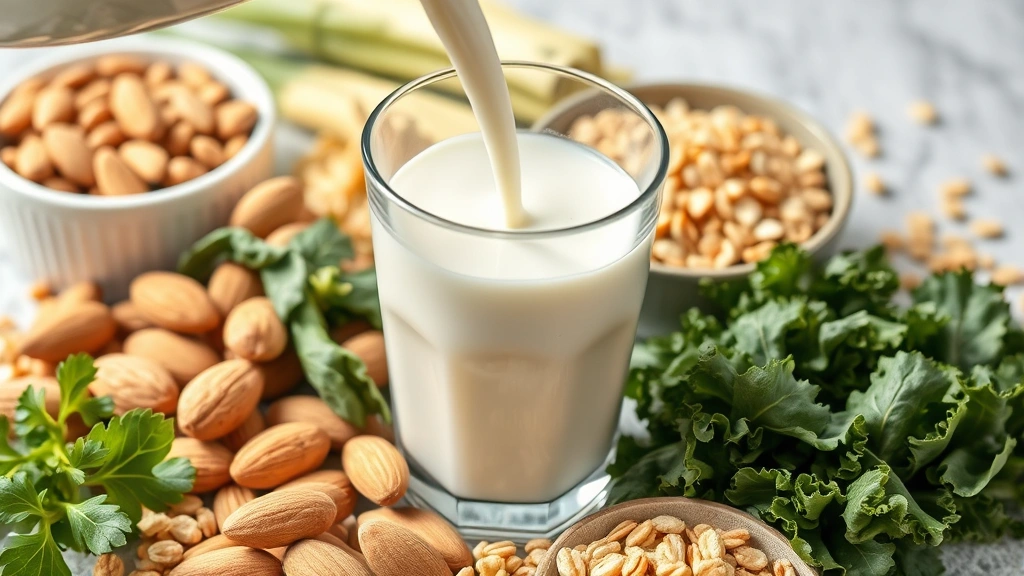
Plant-based milk alternatives—almond, oat, soy, and coconut beverages—present entirely different nutritional profiles. Fortified soy milk approaches dairy milk’s protein content at 7-8 grams per cup, while almond milk typically contains only 1 gram protein. Oat milk offers moderate protein (2-3 grams) with beneficial beta-glucans supporting cholesterol management. These alternatives suit those with lactose intolerance, dairy allergies, or ethical preferences, though their fortification quality varies substantially between brands. Understanding individual needs through comprehensive nutrition education helps optimize choices.
Health Benefits and Potential Drawbacks
Nonfat milk delivers legitimate health benefits supported by substantial research. The high protein content promotes muscle maintenance, particularly valuable for aging adults experiencing age-related muscle loss (sarcopenia). The calcium and phosphorus content supports bone mineral density, with studies demonstrating that adequate dairy consumption correlates with stronger bones and reduced fracture risk in older populations. These benefits remain consistent across all milk types, though the mechanisms may vary slightly.
The carbohydrate content in nonfat milk—approximately 12 grams per cup, primarily lactose—presents both benefits and considerations. Lactose provides easily digestible carbohydrates supporting energy availability, while also functioning as a prebiotic supporting beneficial gut bacteria. For those without lactose intolerance, this represents a minor concern. However, individuals sensitive to lactose may experience digestive discomfort, making lactose-free nonfat milk a valuable option.
A significant drawback of standard nonfat milk involves added sugars in many commercial products. While plain nonfat milk contains only naturally occurring lactose sugars, flavored varieties—chocolate, strawberry, and vanilla—often contain 5-8 grams added sugar per cup. This transforms nonfat milk from a low-calorie beverage into a sugar-containing product, particularly problematic for children consuming flavored milk as a beverage staple. Selecting unflavored varieties or preparing homemade flavored milk with minimal added sweeteners addresses this concern.
The satiety factor deserves emphasis. Fat and protein both promote feelings of fullness, triggering satiety hormones like cholecystokinin and peptide YY. Nonfat milk’s protein content supports satiety, but the complete absence of fat may reduce this effect compared to higher-fat alternatives. Some individuals consuming nonfat milk experience persistent hunger despite adequate caloric intake, leading to increased snacking and dietary non-adherence. This individual variation means nonfat milk’s theoretical caloric advantage may not translate to weight loss for everyone.
Nonfat Milk for Weight Management
Weight management represents the primary reason consumers select nonfat milk, yet the evidence supporting superior weight loss outcomes remains surprisingly mixed. Several large prospective studies have failed to demonstrate that nonfat milk consumption produces greater weight loss than higher-fat dairy options when total calories remain controlled. A landmark study published in the New England Journal of Medicine found that dairy fat consumption showed no association with weight gain, contradicting decades of dietary guidance emphasizing low-fat choices.
This paradox emerges from multiple mechanisms. While nonfat milk reduces caloric density, its reduced satiety effect may encourage overconsumption of other foods. Additionally, fat-free products often receive compensatory processing, with added starches, gums, and stabilizers replacing removed fat. These additives may affect satiety and metabolic responses differently than naturally occurring milk fat. Some research suggests that the body’s metabolic response to whole milk’s naturally occurring fats may optimize energy utilization better than nonfat alternatives.
For sustainable weight management, total caloric intake and dietary adherence matter far more than choosing the lowest-fat option available. An individual consistently drinking whole milk while maintaining portion control may lose more weight than someone struggling with persistent hunger from nonfat milk consumption. The psychological aspect of dietary satisfaction significantly influences long-term success. Rather than mandating nonfat milk, evidence-based practice recommends selecting the milk variety that supports satiety, enjoyment, and consistent adherence to overall nutritional goals.
The context matters substantially. Nonfat milk proves beneficial for individuals with specific cardiovascular conditions where saturated fat reduction remains medically indicated, or for those genuinely preferring the taste and experiencing no satiety issues. However, for otherwise healthy individuals seeking weight loss, the milk variety selection should align with personal satiety responses and dietary preferences rather than defaulting to nonfat options.
Bone Health and Calcium Considerations
Calcium intake remains crucial for bone health, particularly during childhood development, adolescence, and older adulthood. Nonfat milk provides substantial calcium—300 milligrams per cup—supporting the daily recommended intake of 1,000-1,200 milligrams for most adults. The milk matrix contains additional components supporting bone health beyond calcium, including phosphorus, magnesium, protein, and vitamin K2 (in grass-fed varieties).
However, calcium absorption depends on multiple factors beyond simple intake quantity. Vitamin D status significantly influences calcium absorption efficiency, with insufficient vitamin D reducing intestinal calcium uptake by 30-40%. This relationship becomes critical when consuming nonfat milk, which requires adequate vitamin D for optimal calcium utilization. Additionally, the calcium-to-magnesium ratio, acid-base balance, and protein intake all influence bone metabolism. Consuming nonfat milk alongside magnesium-rich foods—leafy greens, nuts, seeds—and maintaining adequate vitamin D levels optimizes bone health outcomes.
Emerging research suggests that whole milk’s fat content may enhance calcium absorption through improved vitamin D bioavailability. A study examining calcium absorption from various dairy sources found that whole milk produced superior calcium retention compared to nonfat alternatives, though the difference wasn’t dramatic. This suggests that while nonfat milk adequately supports bone health when consumed in sufficient quantities alongside vitamin D and magnesium, whole or reduced-fat milk may provide marginal absorption advantages.
For individuals with osteoporosis or high fracture risk, comprehensive bone health strategies extend far beyond milk selection. Weight-bearing exercise, adequate protein intake, vitamin D sufficiency, and overall dietary quality matter substantially. While nonfat milk contributes to these goals, viewing it as a standalone solution oversimplifies bone health optimization. Consulting registered dietitians familiar with current nutrition research ensures personalized bone health recommendations.
Who Should Choose Nonfat Milk
Nonfat milk represents an appropriate choice for specific populations and circumstances. Individuals with diagnosed cardiovascular disease or specific lipid management requirements may benefit from saturated fat reduction, making nonfat milk a reasonable option when recommended by healthcare providers. Those with lactose intolerance often find lactose-free nonfat milk more digestible due to reduced lactose content across lower-fat varieties.
Children consuming flavored milk as a primary beverage may benefit from nonfat options reducing overall sugar and calorie intake, though water should remain the primary beverage. Individuals with strong satiety responses to nonfat milk who genuinely prefer the taste and maintain consistent dietary adherence represent another appropriate population. Athletes engaged in high-intensity training may utilize nonfat milk as a post-workout recovery beverage combined with carbohydrate sources, leveraging the protein content for muscle repair.
Conversely, nonfat milk proves less ideal for individuals struggling with persistent hunger, those with fat-soluble vitamin deficiencies, people requiring maximum nutrient bioavailability, and those prioritizing satiety and dietary satisfaction. Individuals following ketogenic or low-carbohydrate approaches should avoid milk entirely, nonfat or otherwise. Those with unmanaged vitamin D deficiency may better absorb fortified vitamins from higher-fat milk varieties.
The most evidence-based recommendation acknowledges that milk variety selection should reflect individual health status, personal preferences, satiety responses, and broader dietary context rather than universal guidelines. Some people thrive consuming nonfat milk; others optimize health with higher-fat alternatives. The key involves selecting based on informed understanding rather than outdated low-fat paradigms.

FAQ
Is nonfat milk better for weight loss than whole milk?
Not necessarily. While nonfat milk contains fewer calories, research shows comparable weight loss outcomes between nonfat and whole milk when total calories are controlled. Individual satiety responses matter more than fat content. Some people lose more weight drinking whole milk because superior satiety prevents overeating elsewhere, while others prefer nonfat milk’s lighter feel. Choose based on personal satiety response and dietary adherence rather than fat content alone.
Does nonfat milk provide adequate vitamin D?
Nonfat milk contains fortified vitamin D at approximately 2.5 micrograms per cup, meeting about 17% of daily adult requirements. However, fat-soluble vitamin absorption is compromised without dietary fat. Pairing nonfat milk with fat-containing foods—nuts, seeds, avocado, olive oil—improves vitamin D absorption. Alternatively, whole or 2% milk provides superior vitamin D bioavailability due to naturally occurring fat.
Can nonfat milk support muscle building?
Yes. Nonfat milk’s 8 grams protein per cup supports muscle protein synthesis when consumed post-workout with adequate carbohydrates and within overall sufficient protein intake. The complete amino acid profile provides all essential amino acids necessary for muscle repair. However, the lack of fat reduces overall caloric density, which may limit muscle-building outcomes for those requiring substantial caloric surpluses. Athletes should ensure total caloric and protein intake adequately supports training goals regardless of milk variety selected.
Is nonfat milk suitable for children?
Plain, unflavored nonfat milk suits children over age two when part of a varied diet including fat-containing foods. However, the fat-soluble vitamin absorption concern becomes more significant during childhood, when nutrient requirements per pound of body weight exceed adult needs. Whole milk provides superior nutrient bioavailability for young children. Flavored nonfat milk should be avoided due to added sugars. Consulting pediatric nutrition specialists ensures age-appropriate milk selection.
How does nonfat milk compare to plant-based alternatives?
Nonfat dairy milk provides superior protein (8 grams) compared to most plant-based options except fortified soy milk (7-8 grams). Dairy milk contains complete amino acid profiles and higher bioavailable calcium and B12. Plant-based alternatives offer benefits for those with dairy allergies, lactose intolerance, or ethical preferences. Fortified versions can provide comparable nutrients when selected carefully. Neither category universally supersedes the other; choice depends on individual tolerance, preferences, and nutritional needs.
Should I choose nonfat milk if I have high cholesterol?
Consult your healthcare provider about specific dietary recommendations. While nonfat milk reduces saturated fat intake, emerging research questions whether dairy fat meaningfully impacts cardiovascular health in most individuals. If your provider recommends lower saturated fat intake, nonfat milk contributes to this goal. However, comprehensive cholesterol management involves multiple dietary factors—soluble fiber, plant sterols, omega-3 fatty acids—beyond milk selection alone. Registered dietitians can develop personalized approaches addressing your specific lipid profile.