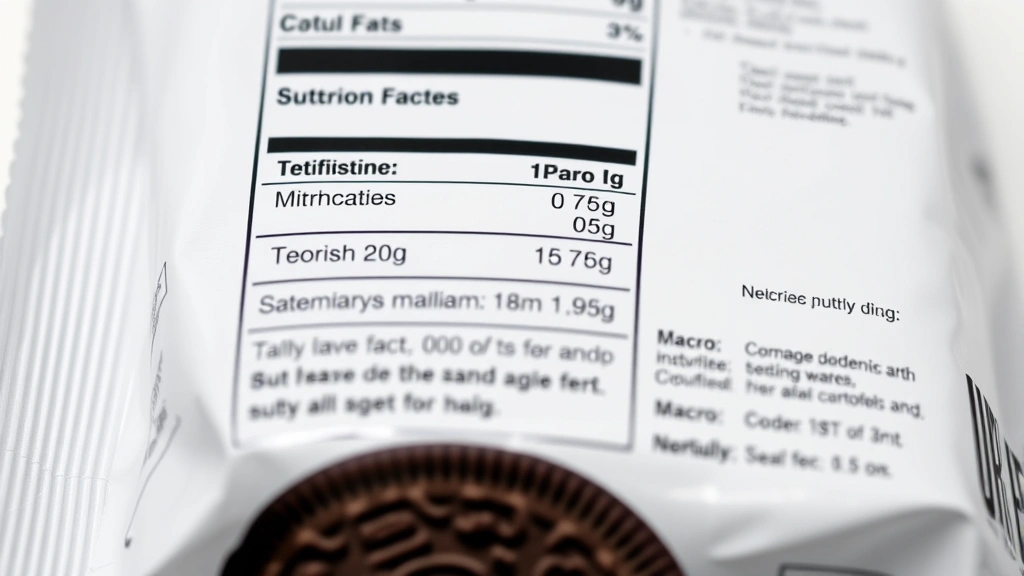
Oreo Nutrition Facts: Dietitian’s Insight
Oreos are one of the world’s best-selling cookies, with billions consumed annually across the globe. Yet despite their popularity, many consumers remain uncertain about what they’re actually eating when they reach for this iconic sandwich cookie. Understanding the Oreo nutrition label requires more than glancing at serving sizes—it demands a deeper analysis of ingredients, daily value percentages, and how these treats fit into a balanced diet. This dietitian-backed guide breaks down every nutrient, from calories and sugar content to sodium and trans fats, providing the evidence-based insights you need to make informed choices.
Whether you’re a devoted Oreo enthusiast or a parent trying to understand what your children consume, this comprehensive analysis examines the nutritional profile of standard Oreos and explores how they compare to other snack options. We’ll decode the nutrition label, discuss portion control strategies, and address common questions about whether Oreos can fit into a healthy eating pattern. By the end, you’ll have actionable knowledge about this beloved treat and realistic guidance for incorporating it into your lifestyle without compromising your nutritional goals.

Understanding the Oreo Nutrition Label
Reading a nutrition label requires understanding how manufacturers present information and what the standardized format actually tells you about food quality and health impact. The Oreo nutrition label follows FDA guidelines, displaying information per serving rather than per package—a critical distinction that often leads to underestimation of actual consumption.
The standard serving size for Oreos is listed as three cookies (30 grams), though many people consume significantly more in a single sitting. This serving size baseline is essential because all subsequent nutritional values—calories, fat, sugar, sodium—are calculated based on this three-cookie portion. If you eat six cookies, you’re essentially doubling every nutrient value listed on the label. This discrepancy between labeled serving size and actual consumption patterns represents one of the most common sources of nutritional confusion among consumers.
According to research from the Pew Research Center, approximately 70% of consumers misinterpret nutrition labels, often focusing only on calories while overlooking sugar, sodium, and ingredient quality. Understanding label terminology—such as “% Daily Value” (%DV), which indicates how much a nutrient in a serving contributes to your daily needs based on a 2,000-calorie diet—is fundamental to making evidence-based dietary decisions.
Calorie Breakdown and Macronutrients
Each three-cookie serving of standard Oreos contains approximately 160 calories, making them a calorie-dense snack relative to portion size. This caloric density stems primarily from the fat content, particularly the vegetable oil used in the cookie and the filling. For context, 160 calories in three small cookies translates to roughly 53 calories per cookie—a meaningful amount in the context of daily caloric intake.
The macronutrient distribution reveals important patterns about Oreo composition. Per three-cookie serving, Oreos contain approximately 7 grams of fat (11% DV), 21 grams of carbohydrates (7% DV), and 2 grams of protein (4% DV). The carbohydrates come almost exclusively from refined grains and added sugars rather than complex carbohydrates or fiber, making Oreos nutritionally unbalanced from a macronutrient perspective.
Protein content is notably low at just 2 grams per serving, which means Oreos provide minimal satiety value. Foods with adequate protein content tend to trigger greater feelings of fullness, reducing overall consumption. This low protein profile helps explain why it’s easy to consume multiple servings of Oreos without feeling satisfied—your body continues signaling hunger despite caloric intake because protein signals haven’t been activated. When considering your overall healthy nutrition plan, accounting for protein distribution across meals and snacks becomes crucial.
Fat content deserves particular attention because not all fats are created equal nutritionally. The fat in Oreos comes from vegetable oil and partially hydrogenated vegetable oil, ingredients that differ substantially from the monounsaturated and polyunsaturated fats found in nuts, seeds, and fish. Understanding the benefits of omega-3 fatty acids and other beneficial fat sources highlights why the fat composition in Oreos matters from a cardiovascular and inflammatory perspective.
Sugar Content Analysis
Perhaps the most significant nutritional concern with Oreos involves sugar content. Three cookies contain 12 grams of added sugar, representing 24% of the recommended daily value for a 2,000-calorie diet. For children, whose daily recommended sugar intake is significantly lower (about 25 grams total for ages 4-8), three Oreos represent nearly half of their entire daily sugar allowance.
The American Heart Association recommends that added sugars comprise no more than 6% of daily calories—translating to approximately 25 grams for adult women and 36 grams for adult men. A single three-cookie serving of Oreos provides nearly half of a woman’s entire recommended daily added sugar intake. Consuming multiple servings, which is common, quickly leads to excessive sugar consumption with associated health risks including dental decay, weight gain, blood sugar dysregulation, and increased inflammation.
Sugar’s impact on health extends beyond simple caloric contribution. Added sugars trigger rapid blood glucose spikes, stimulating insulin release and contributing to insulin resistance over time. This metabolic stress, when repeated regularly through sugary snack consumption, increases risk for type 2 diabetes, metabolic syndrome, and cardiovascular disease. Research published in medical journals demonstrates clear dose-response relationships between added sugar consumption and adverse health outcomes.
The sugar in Oreos comes from multiple sources listed on the ingredient label: sugar, high fructose corn syrup, and corn syrup. This multi-source approach to sweetening means the total sugar impact is distributed across different sweetening agents, which some consumers mistakenly interpret as reducing overall sugar content. In reality, the metabolic effect remains the same regardless of whether sugar arrives as table sugar or corn syrup.
Sodium and Sodium Concerns
Each three-cookie serving contains 210 milligrams of sodium, representing 9% of the daily recommended value. While this might seem modest in isolation, it reflects a broader pattern in processed foods where sodium accumulates across multiple eating occasions throughout the day.
The FDA recommends limiting sodium to 2,300 milligrams daily, yet the average American consumes 3,400 milligrams—nearly 50% more than recommended. This excess sodium intake contributes directly to elevated blood pressure, a leading risk factor for cardiovascular disease, stroke, and kidney disease. What makes this particularly concerning is that the majority of dietary sodium (roughly 70%) comes from processed foods rather than salt added during cooking or at the table.
For individuals with hypertension, sodium sensitivity, or family history of cardiovascular disease, even modest sodium sources like cookies accumulate meaningfully. Someone consuming two servings of Oreos (six cookies) ingests 420 milligrams of sodium—nearly 18% of their daily allowance—from a snack that provides minimal nutritional benefit. This opportunity cost represents one of the key dietitian concerns with highly processed snacks: they consume significant portions of daily nutrient budgets while providing little nutritional return.
Trans Fats and Heart Health
For decades, trans fats represented one of the most concerning aspects of the Oreo nutrition profile. Partially hydrogenated vegetable oils, which create trans fats, were used extensively in cookie and baked good manufacturing because they extend shelf life and create desirable texture. Trans fats have been definitively linked to increased LDL cholesterol, decreased HDL cholesterol, and elevated cardiovascular disease risk.
Notably, the FDA banned partially hydrogenated oils in 2018, and Mondelēz International (Oreo’s manufacturer) reformulated products to eliminate trans fats. Current Oreo products contain 0 grams of trans fat per serving, representing a genuine improvement in the product’s health profile. However, this reformulation doesn’t address other nutritional concerns—the sugar, sodium, and refined carbohydrate content remain unchanged.
The trans fat elimination story illustrates an important principle in nutrition: food manufacturers can improve specific nutrient profiles while leaving problematic overall patterns intact. Removing trans fats was a legitimate public health victory, yet Oreos remain nutritionally suboptimal due to their high sugar and sodium content combined with minimal protein, fiber, and micronutrients.
Fiber and Micronutrients
One of the most striking deficiencies in the Oreo nutrition profile involves fiber content: three cookies contain 0 grams of dietary fiber. This absence reflects the use of refined wheat flour rather than whole grains, eliminating the bran and germ portions that contain fiber, B vitamins, and minerals.
Dietary fiber serves multiple critical functions: promoting healthy digestion, feeding beneficial gut bacteria, moderating blood sugar response, and contributing to satiety. The importance of dietary fiber for your health cannot be overstated, yet Oreos contribute nothing toward daily fiber recommendations (25 grams for women, 38 grams for men).
Micronutrient analysis reveals similarly disappointing results. Oreos contain negligible amounts of essential vitamins and minerals: iron comprises 2% of daily value, calcium only 2%, and most other micronutrients register at less than 1% daily value. This nutritional emptiness means consuming Oreos doesn’t contribute meaningfully to meeting micronutrient needs while simultaneously consuming calories and macronutrients that could be allocated to nutrient-dense foods.
The micronutrient void in Oreos becomes particularly problematic when considering that many people, especially children and adolescents, consume these cookies regularly. Each cookie consumed represents a caloric opportunity cost—those calories could have come from foods providing actual nutritional value. Over time, dietary patterns built around processed snacks lacking micronutrients can contribute to micronutrient deficiencies despite adequate or excessive caloric intake.
Oreos vs Other Cookies
Comparing Oreos to alternative cookie options provides useful perspective on their relative nutritional position. Most traditional cookies—Chips Ahoy, Fig Newtons, Nutter Butters—contain remarkably similar nutritional profiles: 130-160 calories per serving, 10-12 grams of added sugar, and minimal fiber or protein.
However, some cookie alternatives offer nutritional improvements. Whole grain cookies made with oat flour provide 2-3 grams of fiber per serving. Cookies sweetened with sugar alcohols or stevia contain 5-7 grams of added sugar versus 12 grams in Oreos. Protein-enriched cookies can deliver 3-5 grams of protein per serving, meaningfully improving satiety compared to standard Oreos’ 2 grams.
The most nutritionally sound approach involves comparing Oreos not primarily to other cookies, but to snack options that better align with health goals. A serving of almonds (23 almonds, roughly equivalent in calories to three Oreos at 160 calories) provides 6 grams of protein, 3.5 grams of fiber, and healthy monounsaturated fats. An apple with 2 tablespoons of almond butter delivers 4 grams of protein, 4 grams of fiber, and micronutrients including potassium and vitamin C. Greek yogurt with berries provides 15 grams of protein, 3 grams of fiber, and probiotics supporting gut health.
This comparative analysis doesn’t suggest that occasional Oreo consumption is inherently problematic, but rather contextualizes their nutritional value relative to alternatives. The Nutrients Pathway Blog emphasizes evidence-based nutrition principles, and evidence consistently demonstrates that nutrient-dense whole foods support health more effectively than processed snacks, regardless of how enjoyable the latter might be.
Portion Control Strategies
For individuals who enjoy Oreos and wish to include them in their diet without compromising health goals, portion control strategies become essential. The challenge isn’t that Oreos are inherently “forbidden”—restrictive food rules often backfire psychologically—but rather that their highly palatable combination of sugar, fat, and refined carbohydrates makes portion adherence difficult.
Research on food palatability demonstrates that foods combining sugar and fat trigger stronger reward responses in the brain than either nutrient alone. This neurobiological reality means that willpower-based approaches to portion control often fail. Instead, structural strategies prove more effective: purchasing single-serve packages rather than bulk containers, pre-portioning cookies into small bags immediately after purchase, or designating specific occasions for consumption rather than keeping them continuously available.
A practical approach involves the “sometimes food” framework, where Oreos fit into a diet as occasional treats rather than regular snacks. For someone following a 2,000-calorie diet with standard nutritional recommendations, consuming one serving (three cookies) once or twice weekly represents roughly 1-2% of weekly caloric intake while keeping sugar, sodium, and other nutrients within reasonable bounds. This frequency allows enjoyment without derailing nutritional goals.
Pairing Oreos with protein and fiber helps moderate their metabolic impact. Consuming three cookies with a glass of milk (8 grams protein) or with a serving of nuts (6 grams protein, 3.5 grams fiber) improves the overall nutritional profile of the eating occasion by triggering greater satiety and moderating blood sugar response. This food combining strategy doesn’t eliminate Oreos’ nutritional shortcomings, but it contextualizes them within a more balanced snack pattern.
Ingredients Worth Knowing
Beyond the nutrition label’s standardized nutrient information lies the ingredient list, which reveals important details about food quality and processing. Oreo ingredients include enriched wheat flour, vegetable oil, sugar, corn syrup, high fructose corn syrup, cocoa, leavening agents (baking soda, ammonium bicarbonate), salt, soy lecithin, vanillin, and artificial flavor.
The ingredient list reveals several notable points. First, the multiple sweetening sources (sugar, corn syrup, high fructose corn syrup) indicate strategic formulation to achieve specific sweetness levels while potentially staying below labeling thresholds. Second, the use of enriched rather than whole wheat flour means B vitamins were removed during processing and artificially added back—a nutritionally inferior approach compared to whole grain flour containing naturally present nutrients and fiber.
Soy lecithin, a common emulsifier, derives from soybeans and is present in minute quantities. While soy lecithin itself is generally recognized as safe, it indicates industrial processing and ingredient manipulation rather than whole food composition. Vanillin, the synthetic vanilla flavoring, provides the vanilla taste at lower cost than real vanilla while delivering no nutritional benefit.
For individuals with specific dietary concerns, the ingredient list matters considerably. The soy lecithin presents a concern for those with severe soy allergies. The wheat flour makes Oreos unsuitable for those with celiac disease or wheat sensitivity. The refined carbohydrate sources make them problematic for people managing blood sugar conditions like type 2 diabetes. For general consumers without these specific concerns, the ingredient list primarily illustrates the highly processed nature of the product—useful context when considering whether Oreos align with personal nutrition values.
For athletes seeking to optimize performance through nutrition, the nutrition for athletes optimizing performance through diet typically excludes regular Oreo consumption due to the nutritional profile mismatch with athletic demands. Athletes require nutrient density and protein sufficiency that Oreos cannot provide.
Understanding ingredient lists also provides perspective on why Oreos taste so appealing despite their simple cookie structure. The combination of refined carbohydrates (easily absorbed sugars and starches), fat (triggering palatability and satiety signals), and salt (enhancing flavor perception) creates a product engineered for maximum consumer appeal rather than nutritional benefit. This isn’t unique to Oreos—it reflects standard processed food industry practices—but recognizing it helps contextualize why portion control feels difficult and why whole foods often feel less satisfying despite superior nutritional profiles.
Comparing Oreos to alternatives like nutrition facts about avocados illustrates the stark difference between processed and whole foods. Avocados contain no added sugars, provide substantial fiber and healthy fats, deliver numerous micronutrients, and support satiety—yet many people find them less immediately appealing than Oreos due to their lack of sweet taste and refined carbohydrate stimulation. This preference pattern reflects conditioned taste preferences rather than inherent superiority of Oreos as food.
FAQ
How many calories are in one Oreo cookie?
A single standard Oreo cookie contains approximately 53 calories. Since the nutrition label lists information per three-cookie serving (160 calories), dividing by three yields the per-cookie value. Double-stuffed Oreos contain slightly more due to increased filling.
Are Oreos suitable for people with diabetes?
Standard Oreos are generally not recommended for people with type 2 diabetes or prediabetes due to their high sugar content (12 grams per three-cookie serving) and refined carbohydrate composition, which cause rapid blood glucose elevation. Oreo has produced “reduced sugar” versions containing 8 grams of sugar per serving, though these remain relatively high. Individuals with diabetes should consult their healthcare provider or registered dietitian for personalized guidance.
Do Oreos contain any nutritional value?
Oreos provide minimal nutritional value relative to caloric content. They contain negligible amounts of protein (2 grams), fiber (0 grams), and micronutrients. The primary nutritional contribution is carbohydrate calories from refined sources, along with fat and sodium. For the 160 calories per serving, significantly more nutritional value could be obtained from whole foods.
Are Oreos vegan?
Most Oreo varieties are accidentally vegan, containing no animal products in their ingredient lists. However, they’re manufactured in facilities processing milk, creating cross-contamination concerns for those with severe milk allergies. Mondelēz does not specifically formulate Oreos as vegan products, so ingredient sourcing and manufacturing practices may change.
How much sugar is too much from cookies?
The American Heart Association recommends limiting added sugars to 6% of daily calories—approximately 25 grams for women and 36 grams for men. Since three Oreos contain 12 grams of added sugar, consuming more than two servings daily would exceed recommended limits from cookies alone, before accounting for other dietary sugar sources.
Can you eat Oreos on a diet?
Oreos can be incorporated into weight loss diets when portion-controlled and accounted for within daily caloric targets. However, their low protein and fiber content makes them nutritionally inefficient for weight loss, as they don’t trigger satiety signals effectively. Substituting Oreos with protein- and fiber-rich snacks typically produces better weight loss results by reducing overall hunger and caloric intake.


