Pho Nutrition Facts? Dietitian Insights on Vietnam’s Iconic Soup
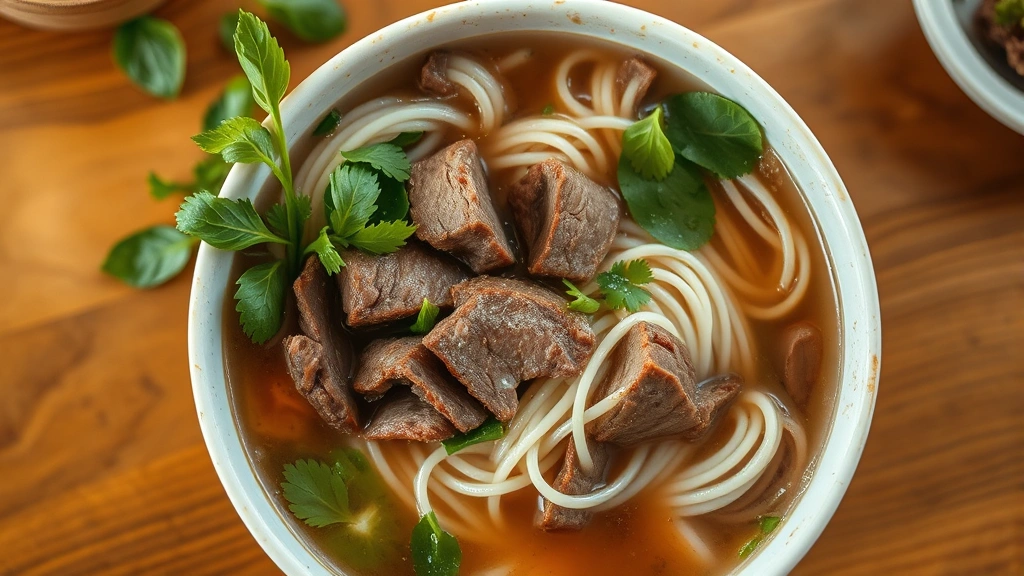
Pho has become a global culinary phenomenon, gracing restaurant menus from New York to Los Angeles to London. This aromatic Vietnamese soup combines tender rice noodles, fragrant broth, and fresh herbs into a deeply satisfying meal. But beyond its remarkable taste, many health-conscious diners wonder: what exactly are the pho nutrition facts, and how does this traditional dish fit into a balanced diet? As interest in Asian cuisines continues to surge, understanding the nutritional profile of pho becomes increasingly relevant for anyone seeking to make informed dietary choices.
Pho’s appeal lies not only in its complex flavors but also in its potential health benefits. The long-simmered broth, often prepared with beef or chicken bones, spices, and aromatics, may offer collagen and minerals. However, the complete nutritional picture depends heavily on portion sizes, broth preparation methods, and ingredient selections. This comprehensive guide explores pho’s nutritional composition through a dietitian’s lens, helping you understand how to enjoy this beloved dish while maintaining your wellness goals.
Understanding Pho’s Basic Nutritional Components
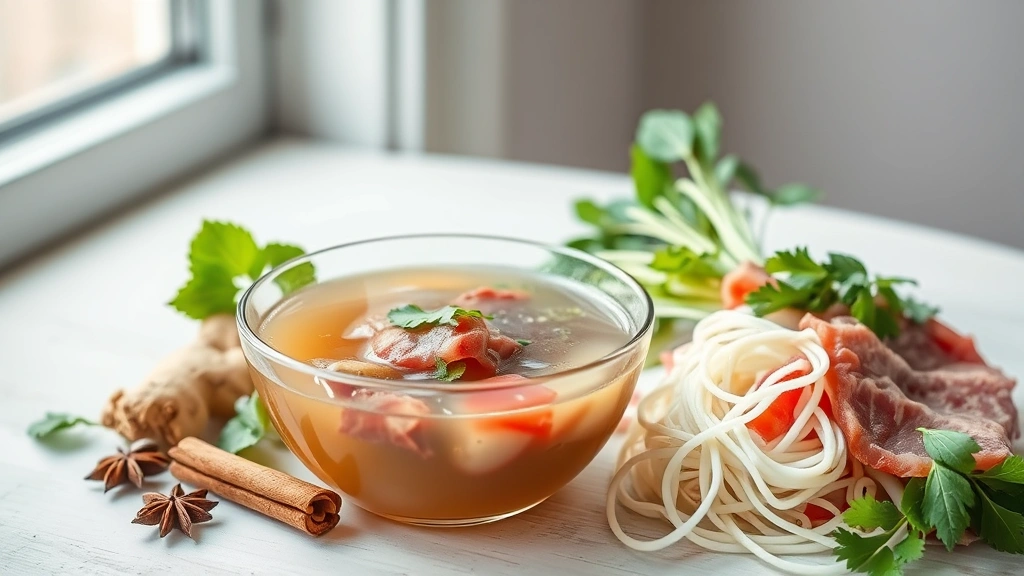
Pho consists of several key components, each contributing differently to the overall nutritional profile. The broth forms the foundation, typically simmered for 12-24 hours with beef or chicken bones, onions, ginger, star anise, cinnamon, and cloves. Rice noodles provide the carbohydrate base, while protein comes from meat selections—usually beef (rare or well-done) or chicken. Fresh herbs like basil, cilantro, and mint, along with bean sprouts and lime, add minimal calories but significant phytonutrients.
A typical bowl of pho contains approximately 350-450 calories, though this varies considerably based on preparation and portion size. The broth accounts for roughly 100-150 calories, while noodles contribute 150-200 calories. Meat protein typically adds 100-150 calories depending on the cut and quantity. Understanding these components helps explain why pho can be a relatively balanced meal compared to many other restaurant dishes. When you’re developing a healthy nutrition plan, pho deserves consideration as a nutrient-dense option.
The rice noodles in pho are typically made from rice flour and water, making them naturally gluten-free. This makes pho an excellent choice for those with celiac disease or gluten sensitivity. However, these noodles are refined carbohydrates, meaning they lack the fiber and micronutrients found in whole grains. The rapid digestion of refined noodles can cause blood sugar spikes in some individuals, particularly those managing diabetes or prediabetes.
Calorie Content and Macronutrient Breakdown
Analyzing macronutrient distribution reveals why pho appeals to many dietary approaches. A standard 12-ounce bowl of beef pho typically provides approximately 30-40 grams of carbohydrates, 15-20 grams of protein, and 7-12 grams of fat. This composition makes pho relatively protein-rich compared to many noodle soups, thanks to the meat and bone broth contributions. The carbohydrate content remains moderate, making pho suitable for those following lower-carb or keto-adapted diets when noodles are reduced or removed.
Protein quality in pho ranks high because it comes from complete animal sources containing all essential amino acids. The collagen-rich bone broth contributes amino acids like glycine and proline, which support joint health and gut function. These amino acids aren’t technically “complete proteins” on their own, but they complement the meat protein excellently. For athletes optimizing performance through diet, pho provides an accessible post-workout option when combined with additional vegetables.
Fat content in pho varies significantly based on meat selection and broth preparation. Beef pho made with fattier cuts or with added oil can reach 15-20 grams of fat per bowl, while chicken pho typically contains 7-10 grams. The fat in pho comes primarily from saturated sources, which warrants moderation for those monitoring cardiovascular health. However, some fat facilitates the absorption of fat-soluble vitamins like vitamin A and K, making a moderate amount beneficial. The bone broth fat also provides satiety, helping you feel fuller longer.
Sodium Considerations in Traditional Pho
One significant nutritional concern with traditional pho is sodium content. A single bowl can contain 800-1200 milligrams of sodium, approaching or exceeding 50% of the daily recommended intake for many individuals. The broth, which concentrates salt through hours of simmering, accounts for most of this sodium. Fish sauce, a common pho ingredient, adds additional sodium and umami depth. For those managing hypertension or following sodium-restricted diets, this presents a legitimate concern.
Restaurant pho tends to be saltier than homemade versions, as commercial establishments often use concentrated broths or add salt for flavor intensity. Some pho restaurants offer low-sodium broth options, though these remain uncommon. Making pho at home provides complete control over sodium levels—you can reduce salt in the broth while maintaining flavor through increased spices and aromatics. This approach aligns well with developing a comprehensive nutrition strategy tailored to individual health needs.
To reduce sodium intake while enjoying pho, request broth on the side and add it gradually, tasting as you go. Many restaurants accommodate this request. Alternatively, dilute the broth with hot water or request a lighter preparation. Avoiding additional soy sauce or fish sauce at the table significantly reduces overall sodium consumption. These modifications allow you to enjoy pho’s flavors while managing sodium intake responsibly.
Micronutrients and Health Benefits
Beyond macronutrients, pho delivers impressive micronutrient density, particularly when prepared traditionally. The bone broth provides minerals including calcium, magnesium, phosphorus, and potassium—nutrients essential for bone health, muscle function, and cardiovascular health. The extended simmering process breaks down bone structure, releasing these minerals into the liquid in bioavailable forms. Research from NIH on bone broth composition confirms that traditionally prepared broths contain meaningful mineral concentrations.
The aromatic spices in pho—star anise, cinnamon, cloves, and coriander—contain potent antioxidants and anti-inflammatory compounds. These spices have been used in traditional medicine for centuries and modern research increasingly validates their health properties. Star anise contains anethole, a compound with antimicrobial properties. Cinnamon may help regulate blood sugar levels. Ginger root, typically included in pho broths, offers gingerol compounds that support digestive health and reduce inflammation. These additions make pho more than just a comforting meal; they represent functional food components.
Fresh herbs and vegetables accompanying pho contribute significant micronutrients. Basil provides vitamin K, which supports bone health and blood clotting. Cilantro offers vitamins A and C, along with minerals like potassium. Bean sprouts add vitamin C and folate, supporting immune function and cellular health. Lime juice enhances iron absorption from the broth and meat, improving bioavailability. The combination creates a nutritionally synergistic meal where components work together to maximize nutrient absorption and utilization.
The gelatin derived from bone broth collagen supports gut health by strengthening the intestinal lining. This benefit connects directly to improving nutrient absorption overall, as a healthy gut barrier facilitates better mineral and vitamin uptake. Additionally, the warm broth promotes digestive enzyme activity, further enhancing nutrient bioavailability. For those with compromised digestion, pho offers gentle nutrition in an easily digestible format.
Making Pho Part of Your Healthy Nutrition Plan
Incorporating pho into a balanced diet requires strategic choices aligned with your specific health goals. For weight management, pho’s moderate calorie content combined with high protein makes it satisfying while supporting caloric moderation. The warm broth promotes satiety, often resulting in smaller overall portion consumption compared to drier meals. Adding extra vegetables—mushrooms, broccoli, or bok choy—increases volume and nutrients without significantly increasing calories, a technique supported by volumetrics nutrition research.
For those following a guide to eating well for life, pho fits excellently into Mediterranean, DASH, and balanced plate approaches. The combination of protein, vegetables, and complex carbohydrates (when brown rice noodles substitute regular ones) aligns with evidence-based nutrition guidelines. The emphasis on broth-based cooking reduces reliance on heavy sauces and fried components, naturally lowering calorie density.
Timing pho consumption strategically enhances its nutritional benefits. Consuming pho at lunch provides sustained energy throughout the afternoon due to its balanced macronutrient profile. The warm temperature promotes digestion and increases satiety compared to room-temperature meals. Enjoying pho earlier in the day rather than late evening allows adequate time for digestion before sleep. For those managing blood sugar, pairing pho with a small protein or fat source (like nuts or Greek yogurt) before the meal helps moderate glucose response.
The social aspect of pho consumption shouldn’t be overlooked when considering nutrition holistically. Pho restaurants encourage leisurely dining and conversation, promoting mindful eating practices. This slower eating pace naturally leads to better satiety recognition and improved digestion. The ritual of customizing your bowl with fresh herbs and adjusting flavors engages you in active food choices, increasing awareness and satisfaction. These behavioral factors significantly impact long-term nutritional success.
Customizing Pho for Dietary Preferences
Modern dietary diversity means pho must adapt to various nutritional needs and preferences. Vegetarian pho replaces meat with tofu or tempeh, maintaining protein content while reducing saturated fat. The vegetable-based broth, though lacking the mineral density of bone broth, can be enriched with mushroom varieties like shiitake or maitake, which provide umami depth and beta-glucans supporting immune function. Nutritional yeast adds B vitamins and additional umami complexity to vegetarian broths.
Vegan pho eliminates all animal products while maintaining nutritional integrity through thoughtful substitutions. Coconut milk can enhance broth creaminess and provide medium-chain triglycerides (MCTs). Increased legume additions—mung beans or chickpeas—boost protein and fiber. Nutritional yeast, miso paste, and additional spices create complexity replacing meat’s savory notes. The result delivers complete amino acid profiles when paired with the rice noodles, making vegan pho nutritionally complete.
Low-carb and keto adaptations of pho eliminate or minimize noodles, replacing them with shirataki noodles (nearly zero carbs), zucchini noodles, or simply increasing broth and vegetable portions. These modifications maintain pho’s essence while dramatically reducing carbohydrate content—a single bowl can drop from 40 grams to under 5 grams of net carbs. Protein remains stable, and added healthy fats from avocado or coconut milk support ketone production.
Those managing nutrition and mental health may benefit from pho’s nutrient profile. The amino acids from broth and meat support neurotransmitter production. B vitamins from herbs and vegetables support nervous system function. The warm, comforting nature of pho provides psychological benefits complementing physical nutrition. Traditional medicine views pho as a restorative food promoting overall wellness and emotional balance.
Comparing Different Pho Varieties
Pho comes in numerous regional and modern variations, each with distinct nutritional profiles. Pho bo (beef pho) remains the most common, with beef brisket providing iron, zinc, and B vitamins. Pho ga (chicken pho) offers similar nutrition with slightly less fat and iron content. Pho tom (shrimp pho) provides selenium and omega-3 fatty acids, though typically in smaller quantities than fish-based dishes. Each protein source brings unique micronutrient contributions worth considering based on individual dietary needs.
Northern Vietnamese pho, originating in Hanoi, features simpler broths with minimal spices, allowing delicate flavors to emerge. Southern Vietnamese pho, from Ho Chi Minh City, incorporates sweeter broths and additional herbs and vegetables. These regional differences affect sodium content and overall flavor intensity. Northern pho often contains less added sugar and salt, potentially making it preferable for those monitoring sodium intake. Southern pho’s vegetable abundance increases micronutrient density, though added sugar requires consideration for those managing blood glucose.
Modern fusion pho variations increasingly appear on restaurant menus, sometimes compromising nutritional integrity. Cream-based pho broths add unnecessary saturated fat and calories. Sweetened broths increase sugar content beyond traditional preparations. Specialty pho with added fats, cheeses, or fried components dramatically increase calorie density. When selecting pho at restaurants, understanding these variations helps you make informed choices aligned with your nutritional goals. Requesting traditional preparation methods often yields superior nutritional outcomes.

Home preparation of pho provides maximum nutritional control and often costs significantly less than restaurant versions. Making broth from scratch takes time but yields superior mineral content and allows complete sodium management. You can select grass-fed or pastured meat sources, potentially increasing nutrient density and supporting ethical food practices. Homemade pho also eliminates concerns about commercial additives or MSG, common in some restaurant preparations. The time investment pays dividends in both nutrition and food satisfaction.
FAQ
Is pho healthy for weight loss?
Pho can support weight loss efforts due to its moderate calorie content (350-450 calories per bowl) and high protein density promoting satiety. The warm broth increases fullness perception, often resulting in smaller overall portion consumption. However, weight loss success depends on overall caloric balance and lifestyle factors. Pho should be part of a comprehensive approach including regular physical activity and balanced nutrition. Avoiding noodle-heavy versions and adding extra vegetables maximizes weight loss potential.
How much sodium is in a bowl of pho?
Traditional pho contains approximately 800-1200 milligrams of sodium per bowl, representing 35-50% of the recommended daily intake. Restaurant pho tends toward the higher end due to concentrated broths and commercial seasoning practices. Homemade pho allows sodium reduction through lighter seasoning and increased spice use. Requesting broth on the side and diluting with hot water reduces sodium without sacrificing flavor. Those managing hypertension should consume pho in moderation or request low-sodium preparations.
Can pho fit into a keto diet?
Traditional pho with rice noodles doesn’t fit strict keto due to carbohydrate content (40+ grams per bowl). However, modified keto pho substitutes noodles with shirataki noodles (under 1 gram carbs) or simply increases broth and vegetable portions. This adaptation maintains pho’s essence while reducing net carbs to 5-10 grams per serving. The high fat content from bone broth supports ketone production. Keto-adapted pho remains nutritionally complete and satisfying, making it viable for those following ketogenic protocols.
What are pho’s main health benefits?
Pho’s primary health benefits include high-quality protein supporting muscle health, collagen-rich bone broth promoting joint and gut health, aromatic spices providing antioxidants and anti-inflammatory compounds, and mineral density supporting bone and cardiovascular health. The warm broth aids digestion and nutrient absorption. Fresh herbs contribute vitamins and phytonutrients. The balanced macronutrient profile supports sustained energy. These combined benefits make pho a functional food offering nutritional advantages beyond simple caloric provision.
How does pho compare nutritionally to other Asian noodle soups?
Pho compares favorably to many Asian noodle soups regarding nutritional balance. Ramen often contains higher sodium and fat content due to rich broths and added oils. Pho’s longer simmering time extracts minerals while maintaining lower overall fat. Miso soup provides excellent probiotics but lower protein content. Pho’s combination of protein, minerals, and moderate calories positions it advantageously among Asian noodle preparations. The emphasis on fresh herbs and vegetables further distinguishes pho nutritionally from heavier, more processed alternatives.
Is bone broth in pho actually nutritious?
Yes, bone broth in pho provides genuine nutritional benefits supported by research. Extended simmering releases minerals (calcium, magnesium, phosphorus, potassium) into bioavailable forms. Collagen breaks down into gelatin and amino acids supporting joint and gut health. However, claims about bone broth being a complete nutritional supplement remain overstated. It contributes meaningfully to overall nutrition but shouldn’t replace varied whole foods. Bone broth’s value lies in its mineral density and digestive support rather than as a nutritional cure-all.