
Dairy Queen Calories? Dietitian’s Breakdown of Menu Nutrition
Dairy Queen has been a beloved American fast-casual destination for decades, famous for its Blizzards, soft-serve ice cream, and classic burger offerings. However, many customers remain unaware of the significant caloric and nutritional impact these treats have on their daily intake. Understanding Dairy Queen nutrition is essential for anyone trying to maintain a balanced diet while enjoying occasional indulgences. This comprehensive guide breaks down the calorie counts, macronutrient profiles, and healthier menu options available at Dairy Queen locations across the country.
As a registered dietitian analyzing fast-food chains, I’ve found that Dairy Queen presents a unique challenge: the menu is heavily weighted toward high-calorie frozen desserts and fried items, yet some nutritional information is publicly available through their official resources. The key to enjoying Dairy Queen responsibly lies in understanding which items align with your dietary goals and how to make strategic choices when cravings strike.
Understanding Dairy Queen’s Calorie Range
Dairy Queen’s menu spans an enormous range of caloric values, from relatively modest snacks to truly excessive indulgences. The majority of their signature items—particularly frozen desserts—contain between 400 and 1,000 calories per serving. Understanding this range is crucial for making informed decisions about where your food choices fit within your daily caloric budget.
The average adult requires 2,000 to 2,500 calories daily, though individual needs vary based on age, sex, activity level, and metabolic factors. A single large Blizzard can represent 30-50% of a day’s caloric intake before accounting for meals. This concentration of calories in a single item makes portion awareness paramount.
When examining Dairy Queen nutrition data, it’s important to recognize that their menu has evolved over the years. Some locations now offer salads, grilled chicken sandwiches, and other options that weren’t historically available. However, these items remain outliers in a predominantly indulgent menu landscape. For those following a healthy nutrition plan, strategic menu navigation is essential.
Research from the Pew Research Center has documented Americans’ consumption patterns at fast-casual restaurants, revealing that portion size perception significantly influences ordering decisions. Many customers underestimate the caloric content of frozen treats by 20-40%.
Blizzard Calories and Sugar Content
Dairy Queen’s Blizzard remains their flagship product, and understanding its nutritional profile is crucial for consumers. A medium Blizzard typically contains 600-750 calories, while large sizes can exceed 1,000 calories. Beyond the base soft-serve ice cream, mix-in ingredients dramatically increase both caloric and sugar content.
Sugar represents one of the most concerning nutritional aspects of Blizzards. A medium Blizzard can contain 80-120 grams of sugar—equivalent to 20-30 teaspoons. The American Heart Association recommends limiting added sugar to 25 grams daily for women and 36 grams for men. A single Blizzard often exceeds these guidelines substantially.
Popular Blizzard varieties include:
- Cookie Dough Blizzard: ~670 calories, 95g sugar
- Oreo Blizzard: ~620 calories, 85g sugar
- Reese’s Peanut Butter Blizzard: ~750 calories, 105g sugar
- Brownie Batter Blizzard: ~700 calories, 100g sugar
- Mint Oreo Blizzard: ~640 calories, 88g sugar
The soft-serve ice cream base itself contributes approximately 300 calories and 40 grams of sugar per medium serving. Mix-in toppings—cookies, candy pieces, brownie chunks—add an additional 300-400 calories and 40-60 grams of sugar. This mathematical reality explains why Blizzards represent such significant caloric commitments.
For those interested in understanding how food choices impact overall wellness, exploring nutrition and mental health connections reveals that high-sugar foods can temporarily elevate mood but often lead to energy crashes and mood instability.
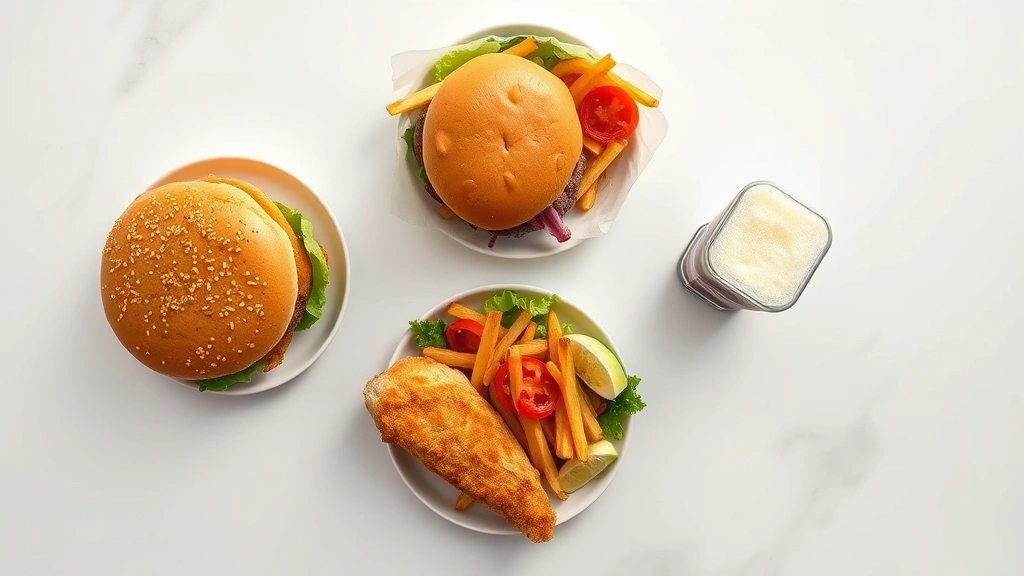
Burger and Sandwich Nutrition Facts
Beyond frozen desserts, Dairy Queen offers a selection of burgers, sandwiches, and fried items that present different nutritional challenges. While these items are often lower in sugar than Blizzards, they typically contain significant amounts of sodium, saturated fat, and calories.
Popular burger options and their approximate nutritional profiles:
- ½ Pound Flame-Grilled Burger: ~540 calories, 31g fat, 1,400mg sodium
- DQ Signature Burger: ~420 calories, 22g fat, 1,100mg sodium
- Mushroom Swiss Burger: ~480 calories, 26g fat, 1,300mg sodium
- Bacon Cheeseburger: ~460 calories, 25g fat, 1,250mg sodium
Fried chicken items present similar caloric density:
- Crispy Chicken Sandwich: ~480 calories, 24g fat, 1,100mg sodium
- Grilled Chicken Sandwich: ~340 calories, 12g fat, 900mg sodium
- 6-Piece Chicken Strips: ~480 calories, 24g fat, 1,200mg sodium
The sodium content in these items deserves particular attention. The recommended daily sodium intake is 2,300mg, and many Dairy Queen entrees represent 40-60% of this limit in a single item. This becomes problematic when combined with other sodium sources throughout the day.
Saturated fat content also warrants scrutiny. The American Heart Association recommends limiting saturated fat to 5-6% of daily calories (roughly 11-13 grams for a 2,000-calorie diet). Many Dairy Queen burgers exceed this in a single serving, necessitating careful balance throughout the remainder of the day.
For those managing their diet more comprehensively, developing meal planning strategies can help accommodate occasional Dairy Queen visits without derailing nutritional goals.
Healthier Menu Alternatives
Despite Dairy Queen’s reputation as an indulgence destination, several menu items offer more reasonable nutritional profiles. Identifying these options allows for more balanced choices when visiting.
Salad options represent the most nutritionally conservative selections:
- Grilled Chicken Salad: ~320 calories, 15g fat, 900mg sodium
- Side Salad: ~70 calories, 4g fat, 200mg sodium
These salads provide substantial volume with moderate caloric content, though dressing choices significantly impact final nutritional values. Requesting dressing on the side allows for portion control.
Beverage selections also merit consideration. Rather than high-sugar frozen drinks, opting for:
- Unsweetened Iced Tea: ~0 calories
- Water: ~0 calories
- Diet Soft Drink: ~0-5 calories
These choices preserve caloric budgets for more satisfying food items. Many customers automatically order sugary beverages without considering alternatives, representing unnecessary caloric additions.
For frozen dessert enthusiasts unable to resist Dairy Queen’s signature offerings, smaller portion sizes provide a compromise. A small Blizzard contains approximately 400-500 calories versus 600-750 for a medium, while maintaining the experience of enjoying the product.
Understanding how to improve nutrient absorption and overall dietary quality can enhance the impact of healthier choices. Learn more about nutrient absorption optimization for comprehensive wellness.
Macronutrient Breakdown Analysis
Beyond simple calorie counting, examining macronutrient distribution reveals important nutritional imbalances in typical Dairy Queen meals. Macronutrients—protein, carbohydrates, and fat—provide the building blocks and energy for bodily functions.
A typical large Blizzard presents a macronutrient profile heavily skewed toward carbohydrates and fat:
- Calories: 900-1,000
- Carbohydrates: 120-140g (48-56% of calories)
- Fat: 35-45g (35-41% of calories)
- Protein: 15-20g (6-8% of calories)
This distribution provides minimal satiety relative to caloric content. Protein, which promotes fullness and supports muscle maintenance, represents a small percentage of total calories. The high sugar carbohydrates provide rapid energy followed by crashes, often leading to continued cravings.
Conversely, a grilled chicken sandwich presents a more balanced profile:
- Calories: 340
- Carbohydrates: 35-40g (41-47% of calories)
- Fat: 12g (32% of calories)
- Protein: 30-35g (35-41% of calories)
The substantially higher protein content supports satiety and metabolic function. While still higher in sodium than ideal, the macronutrient balance creates more stable energy and longer-lasting satisfaction.
Research on fast-food consumption from nutrition policy experts demonstrates that macronutrient balance significantly influences overall dietary quality and health outcomes. Meals dominated by refined carbohydrates and fat without adequate protein contribute to weight gain and metabolic dysfunction.

Portion Control Strategies
For many consumers, completely eliminating Dairy Queen from their diet is unrealistic and potentially counterproductive. Sustainable dietary approaches incorporate occasional indulgences within a larger framework of balanced nutrition. Strategic portion control enables this balance.
Effective strategies include:
- Order Smaller Sizes: Small Blizzards contain 200-300 fewer calories than large versions while maintaining the full experience
- Share Items: Splitting a large treat with friends or family members reduces individual consumption
- Limit Visit Frequency: Restricting Dairy Queen visits to once monthly or quarterly prevents cumulative caloric excess
- Combine with Activity: Planning Dairy Queen visits after exercise sessions allows for caloric offset
- Pair with Balanced Meals: If enjoying a Blizzard, ensure other daily meals are nutrient-dense and lower in calories
- Stay Hydrated: Drinking water before and after frozen treats promotes satiety and prevents overconsumption
The psychological aspect of portion control shouldn’t be underestimated. Research demonstrates that individuals who completely restrict desired foods often experience increased cravings and eventual overconsumption. Allowing modest portions of preferred items supports long-term dietary adherence.
For comprehensive dietary planning that accommodates occasional indulgences, exploring the Nutrients Pathway Blog provides ongoing evidence-based nutrition guidance and practical strategies.
Visiting Dairy Queen mindfully—planning your order in advance, checking nutritional information beforehand, and making deliberate choices—transforms the experience from mindless indulgence to intentional enjoyment. This approach aligns with principles of intuitive eating and dietary flexibility.
According to research from the National Institutes of Health, moderate consumption of enjoyed foods within a balanced dietary pattern supports better long-term adherence to healthy eating compared to restrictive approaches.
FAQ
How many calories are in a medium Blizzard?
A medium Blizzard typically contains 600-750 calories depending on the specific flavor and mix-in ingredients selected. The soft-serve base contributes approximately 300 calories, with mix-ins adding 300-450 calories.
What’s the healthiest item at Dairy Queen?
The grilled chicken sandwich represents one of the healthier options at approximately 340 calories with substantial protein content. Side salads and unsweetened beverages also offer lower-calorie alternatives to typical Dairy Queen fare.
Is Dairy Queen ice cream high in sugar?
Yes, Dairy Queen ice cream products are notably high in sugar. A medium Blizzard contains 80-120 grams of sugar, far exceeding daily recommended limits. The soft-serve base alone contains 40+ grams of sugar per medium serving.
Can I eat Dairy Queen on a diet?
Yes, with strategic choices and portion control. Opting for smaller sizes, selecting lower-calorie items like grilled chicken sandwiches, and limiting visit frequency allows Dairy Queen consumption within a balanced diet.
What burger has the fewest calories at Dairy Queen?
The DQ Signature Burger contains approximately 420 calories, representing one of the lower-calorie burger options. The Grilled Chicken Sandwich at 340 calories is even lower if you’re open to non-burger alternatives.
How much sodium is in Dairy Queen food?
Most Dairy Queen entrees contain 900-1,400mg of sodium per serving, representing 40-60% of the recommended daily intake. This high sodium content warrants consideration when planning overall daily sodium consumption.


