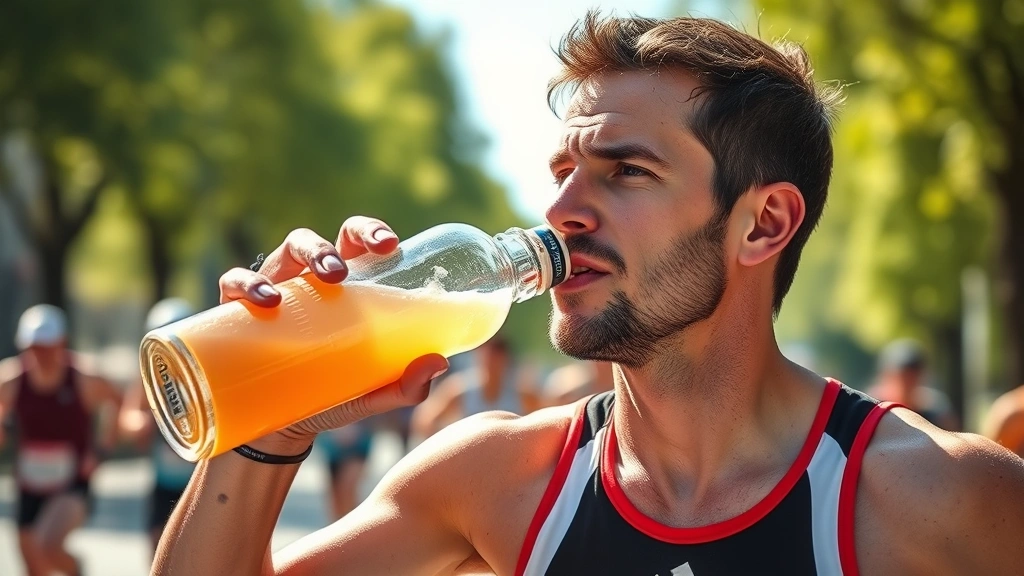
Gatorade Nutrition Facts: Dietitian Insights on Sports Hydration
Gatorade has dominated the sports beverage market for decades, but what exactly are you consuming when you reach for that iconic bottle? As a registered dietitian, I’ve analyzed countless clients’ hydration strategies, and Gatorade remains one of the most discussed products in my practice. Understanding the Gatorade nutrition facts goes beyond reading the label—it requires examining the science behind electrolyte replacement, carbohydrate loading, and whether this beverage truly delivers on its performance promises.
The drink’s formulation has evolved significantly since its 1965 debut at the University of Florida. Today, consumers face a bewildering array of Gatorade variants, each with different nutritional profiles designed for specific athletic scenarios. This comprehensive guide breaks down the nutrition science, explores who benefits most from Gatorade consumption, and helps you make informed decisions about whether it fits your healthy nutrition plan.
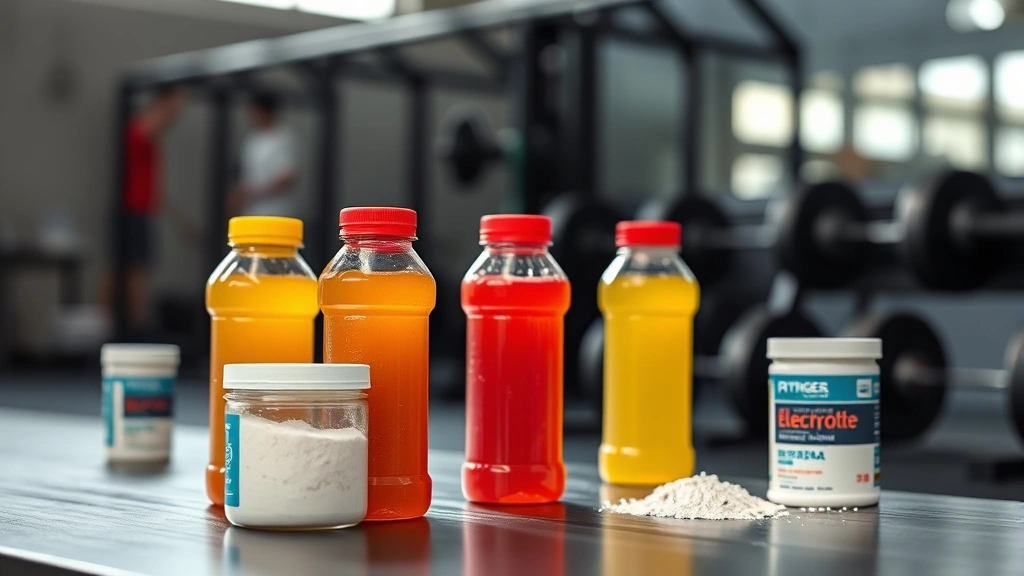
Standard Gatorade Nutrition Breakdown
A single 20-fluid-ounce bottle of original Gatorade Fruit Punch contains approximately 140 calories, making it a moderate-calorie beverage designed for active consumption rather than casual sipping. The macronutrient distribution reveals 34 grams of carbohydrates, primarily from high-fructose corn syrup and dextrose, with negligible protein content and zero grams of fat—a profile specifically engineered for rapid energy delivery during athletic activity.
The sodium content stands at 270 milligrams per bottle, representing about 12% of the daily recommended intake. This sodium concentration isn’t arbitrary; it’s scientifically formulated to match sweat losses during moderate-to-intense exercise. Potassium contributes 65 milligrams, a modest amount that complements the sodium in maintaining electrolyte balance. Beyond these primary components, Gatorade contains added sugars totaling 34 grams per bottle—a significant consideration when evaluating long-term consumption patterns.
The ingredient list includes water, high-fructose corn syrup, dextrose, citric acid, sodium chloride, sodium citrate, monopotassium phosphate, gum arabic, calcium disodium EDTA, natural flavor, and various colorants. Each ingredient serves a functional purpose: the combination of two carbohydrate sources optimizes absorption rates, citric acid provides flavor and preservative function, and the phosphate compounds buffer acidity while contributing to the electrolyte profile.
Comparing this to plain water reveals the fundamental difference in formulation. While water hydrates, Gatorade simultaneously provides carbohydrate fuel, electrolyte replacement, and taste incentive for greater fluid consumption during exercise—three factors that make it particularly effective during prolonged athletic activity. However, this same formulation makes it less suitable for casual, non-exercise hydration.

Electrolytes and Hydration Science
The electrolyte composition of Gatorade reflects decades of sports science research into optimal hydration protocols. Sodium and potassium work synergistically to maintain cellular fluid balance, and their presence in Gatorade serves a specific physiological purpose that plain water cannot replicate. During exercise, your body loses both water and electrolytes through sweat, creating a dual replacement need.
Research published by the American Journal of Sports Medicine demonstrates that beverages containing sodium actually enhance fluid retention compared to sodium-free alternatives. The sodium in Gatorade stimulates thirst, encouraging greater total fluid intake, while simultaneously promoting water retention in the bloodstream. This mechanism proves particularly valuable during endurance activities lasting more than 90 minutes, where maintaining plasma volume becomes critical for thermoregulation and cardiovascular stability.
The specific sodium-to-potassium ratio in Gatorade reflects the electrolyte composition of human sweat, though individual variation exists based on genetics, acclimatization, and sweat rate. Some athletes are classified as “heavy sweaters” who lose electrolytes at rates exceeding Gatorade’s standard formulation, potentially necessitating stronger electrolyte beverages. Conversely, athletes in shorter-duration activities may overconsume sodium unnecessarily when choosing Gatorade.
Potassium’s role extends beyond simple electrolyte replacement. This mineral regulates muscle contractions, supports nerve signaling, and helps prevent hyponatremia—dangerously low blood sodium levels that can occur during prolonged endurance events when athletes consume excessive plain water without electrolyte replacement. While Gatorade’s potassium content (65 mg) represents only 1.9% of the daily recommended intake, its presence in a hydration beverage consumed during exercise provides meaningful contribution to overall electrolyte balance.
The osmolality of Gatorade—approximately 280-300 milliosmoles per kilogram—sits within the optimal range for gastric emptying and intestinal absorption. This “hypotonic” formulation allows rapid fluid absorption compared to more concentrated beverages, making Gatorade particularly effective for maintaining hydration during intense activity when gastric comfort becomes a limiting factor.
Carbohydrates: Fuel or Filler?
The 34 grams of carbohydrates per bottle represents the most controversial component of Gatorade’s formulation, particularly when consumed outside athletic contexts. During exercise, these carbohydrates provide readily available fuel that spares muscle glycogen stores, delays fatigue onset, and maintains blood glucose levels—benefits supported by extensive sports science literature. The dual carbohydrate source (high-fructose corn syrup and dextrose) uses different intestinal absorption pathways, theoretically allowing greater total carbohydrate absorption rates.
For activities lasting under 60 minutes, current sports nutrition guidelines suggest that carbohydrate supplementation provides minimal performance benefit for most athletes, making water a more appropriate choice. However, for endurance activities exceeding 90 minutes—marathon running, long-distance cycling, competitive soccer—the carbohydrate provision in Gatorade becomes strategically valuable for maintaining performance output during the final portions of competition.
The high-fructose corn syrup component deserves specific attention. While fructose provides rapid energy, excessive fructose consumption has been linked to metabolic concerns including increased triglyceride production and potential fatty liver disease when consumed chronically in large quantities. A single bottle of Gatorade occasionally during athletic activity presents minimal risk, but regular consumption by sedentary individuals creates unnecessary carbohydrate and fructose exposure.
Research from PubMed Central examining sports beverage consumption patterns reveals that many consumers drink Gatorade during minimal physical activity, essentially converting a performance-enhancing tool into an unnecessary caloric supplement. This distinction proves critical: Gatorade’s nutritional profile optimizes for athletic contexts, not casual consumption.
The glycemic index of Gatorade sits relatively high due to its simple carbohydrate composition, meaning blood glucose rises rapidly after consumption. For athletes, this rapid glucose availability supports performance during activity. For non-athletes or those with glucose regulation concerns, this rapid glycemic response may prove problematic.
Gatorade Varieties and Comparative Analysis
The Gatorade product line now extends far beyond the original formulation, with variants designed for specific athletic scenarios and nutritional goals. Understanding these variations helps consumers select the most appropriate option for their circumstances.
Gatorade Thirst Quencher (original formula) remains the baseline, designed for general athletic hydration across most sports and activities. Its balanced electrolyte and carbohydrate profile suits moderate-intensity activities lasting 45-120 minutes.
Gatorade Endurance Formula contains additional sodium (370 mg per bottle) and carbohydrates (45 grams) specifically formulated for ultra-endurance athletes competing in marathons, triathlons, and cycling events lasting several hours. The enhanced electrolyte concentration addresses the greater sweat losses characteristic of these prolonged activities.
Gatorade Zero eliminates added sugars while maintaining the electrolyte profile, using artificial sweeteners to provide flavor without carbohydrate calories. This variant suits athletes seeking hydration and electrolyte replacement without additional fuel—appropriate for shorter activities, recovery periods, or weight-conscious athletes. However, the artificial sweetener controversy persists in nutrition science, with ongoing research examining long-term metabolic effects.
Gatorade Recover shifts focus from performance support to post-exercise recovery, incorporating carbohydrates (20 grams), protein (3 grams), and electrolytes in a formulation designed to replenish glycogen stores and support muscle protein synthesis after intense training. This variant aligns with evidence supporting nutrition for building muscle mass through strategic post-exercise nutrition timing.
Gatorade Protein Series provides enhanced protein content (10 grams per bottle) alongside carbohydrates, creating a more balanced macronutrient profile than standard Gatorade. This variant attempts to bridge sports hydration and muscle recovery nutrition, though whole-food options typically offer superior protein quality.
Comparing these options requires considering your specific athletic context. A recreational jogger logging 30-minute runs benefits most from plain water or nutrition for athletes optimizing performance through diet strategies that don’t rely on sports beverages. A marathon runner, conversely, gains legitimate performance benefits from Gatorade Endurance Formula during race day execution.
Who Should Drink Gatorade?
Determining whether Gatorade fits your hydration strategy requires honest assessment of your athletic intensity, duration, and frequency. The beverage delivers maximum benefit under specific circumstances, while providing minimal advantage—and potential disadvantages—in others.
Ideal candidates for Gatorade consumption include:
- Endurance athletes competing in activities lasting 90+ minutes requiring sustained carbohydrate fuel and electrolyte replacement
- High-intensity interval training participants experiencing significant sweat losses in environments with limited recovery hydration access
- Athletes training in hot, humid conditions where sweat losses exceed typical ranges, necessitating enhanced electrolyte replacement
- Competitive athletes seeking evidence-based performance optimization during critical competitions
- Individuals recovering from illness or gastrointestinal distress where simple carbohydrate and electrolyte provision supports rehydration
Suboptimal scenarios for Gatorade include:
- Casual exercise sessions lasting under 60 minutes where water provides adequate hydration
- Sedentary consumption where the 140 calories and 34 grams of added sugar provide unnecessary dietary burden
- Individuals managing diabetes or metabolic disorders requiring careful carbohydrate monitoring
- Weight loss efforts where the 140 calories per bottle accumulate without performance justification
- Children’s daily hydration, where establishing plain water habits proves more beneficial long-term
Age considerations matter significantly. Younger athletes still developing exercise habits benefit from establishing water as their primary hydration source, reserving sports beverages for specific athletic contexts. Conversely, competitive adolescent athletes engaging in serious training may legitimately benefit from strategic Gatorade use during intense sessions and competitions.
Timing and Athletic Performance
When you consume Gatorade matters as much as whether you consume it. Strategic timing maximizes performance benefits while minimizing unnecessary caloric intake.
During Exercise (Primary Benefit Window): Consuming Gatorade during athletic activity lasting 60+ minutes provides the most significant performance benefits. The carbohydrates maintain blood glucose and spare muscle glycogen, while electrolytes support hydration status and thermoregulation. Typical recommendations suggest consuming 100-200 calories per hour during endurance activities, which aligns with consuming approximately one-half to one full bottle of standard Gatorade per hour, depending on individual sweat rates and exercise intensity.
Pre-Exercise Consumption: Drinking Gatorade 15-30 minutes before exercise offers minimal performance advantage for most activities. Plain water with a carbohydrate-containing meal consumed 2-3 hours before exercise provides superior fueling with less gastrointestinal risk. However, some athletes tolerate Gatorade better than solid food immediately before activity, making it a valid individual choice when proper pre-exercise meals prove problematic.
Post-Exercise Recovery: The immediate recovery window (within 30-60 minutes after exercise) represents a legitimate time for Gatorade consumption, particularly Gatorade Recover formulations. The combination of carbohydrates for glycogen replenishment and electrolytes for rehydration supports recovery physiology. However, whole foods typically provide superior micronutrient density and satiety compared to beverages alone, making them preferable when available.
The science supporting these timing recommendations comes from research in sports nutrition demonstrating that carbohydrate availability during exercise delays fatigue onset, maintains power output, and improves time-trial performance in activities exceeding 90 minutes. Research from Journal of Sports Sciences consistently supports these protocols.
Health Considerations and Concerns
While Gatorade serves legitimate purposes during athletic activity, health considerations emerge when examining consumption patterns in broader population contexts.
Added Sugar and Metabolic Health: The 34 grams of added sugar per bottle contributes to daily sugar intake that, when accumulated across multiple servings or combined with other sweetened beverages, exceeds recommended limits. The American Heart Association suggests limiting added sugars to 25 grams daily for women and 36 grams for men—meaning a single Gatorade bottle exceeds these recommendations. Regular consumption by sedentary individuals creates unnecessary metabolic burden associated with increased obesity, type 2 diabetes, and cardiovascular disease risk.
Artificial Sweeteners in Gatorade Zero: While eliminating added sugars, Gatorade Zero introduces artificial sweeteners (typically sucralose or aspartame) whose long-term metabolic effects remain incompletely understood. Recent research suggests potential impacts on gut microbiome composition and glucose metabolism, though more investigation is needed. For athletes seeking carbohydrate-free hydration, plain water or minimally-sweetened electrolyte solutions present alternatives.
Dental Health Implications: The combination of sugar and citric acid in Gatorade creates an acidic environment (pH approximately 3.1) that erodes tooth enamel with repeated exposure. Athletes consuming Gatorade during training should rinse mouths with water afterward and wait 30 minutes before brushing teeth, allowing saliva to neutralize acids and remineralize enamel.
Kidney Function Considerations: While Gatorade poses no risk to individuals with normal kidney function, those with chronic kidney disease or electrolyte regulation disorders should consult healthcare providers before regular consumption due to sodium and potassium content.
Hypertension Management: The 270 mg of sodium per bottle may warrant consideration for individuals managing blood pressure with sodium-restricted diets. However, during athletic activity when sodium losses occur through sweat, this sodium provision actually becomes beneficial rather than problematic.
Alternatives and Homemade Options
Athletes seeking performance-enhancing hydration without commercial sports beverages have legitimate alternatives, including homemade formulations that provide comparable electrolyte and carbohydrate profiles at reduced cost.
Homemade Sports Drink Formula:
Combining 1 liter of water, 6 tablespoons of sugar, ½ teaspoon of salt, and juice from one lemon creates a basic sports drink approximating Gatorade’s macronutrient profile. This simple formulation provides carbohydrates for fuel, sodium for electrolyte replacement, and natural flavoring that encourages consumption. Adjusting sugar and salt ratios allows customization for individual preferences and specific athletic contexts.
Coconut Water: Natural coconut water contains approximately 12 grams of carbohydrates and 600 mg of potassium per cup, offering an alternative with higher potassium content than Gatorade but lower sodium. The minimal processing appeals to consumers seeking less-refined options, though the lower sodium content makes it less optimal for high-sweat-rate activities.
Milk-Based Recovery Options: Chocolate milk provides carbohydrates, protein, electrolytes (including sodium and potassium), and micronutrients in a whole-food beverage. For post-exercise recovery specifically, chocolate milk demonstrates comparable or superior performance to commercial recovery drinks in some research protocols. However, its higher caloric density (190-210 calories per 8 oz) makes it less suitable for during-exercise consumption.
Plain Water with Food: For activities under 90 minutes, plain water consumed with appropriate pre-exercise meals provides adequate hydration without sports beverage necessity. This approach reduces unnecessary sugar intake while supporting athletic performance through established nutrition strategies.
Electrolyte Powder Alternatives: Numerous brands offer unflavored or minimally-flavored electrolyte powders containing sodium, potassium, and magnesium without added sugars or artificial sweeteners. These products allow customization of electrolyte concentration and carbohydrate source, providing flexibility for athletes with specific preferences or dietary restrictions.
Selecting among these options depends on personal preferences, activity context, budget considerations, and individual digestive tolerance. The key principle remains matching hydration strategy to athletic demand rather than defaulting to any single product regardless of circumstance.
For comprehensive guidance on optimizing your overall nutritional approach, exploring Nutrients Pathway Blog resources provides evidence-based strategies beyond beverages. Additionally, understanding protein intake for muscle building: how much and when complements hydration strategy for comprehensive athletic nutrition optimization.
FAQ
Is Gatorade bad for you?
Gatorade isn’t inherently “bad,” but context matters significantly. During athletic activity lasting 60+ minutes, Gatorade provides legitimate performance benefits through carbohydrate fueling and electrolyte replacement. Consumed casually by sedentary individuals, the 140 calories and 34 grams of added sugar create unnecessary dietary burden. The answer depends entirely on your activity level and the context of consumption.
How much Gatorade should I drink during exercise?
Standard sports nutrition recommendations suggest consuming 100-200 calories per hour during endurance activities, translating to approximately one-half to one full bottle of standard Gatorade per hour. Individual requirements vary based on sweat rate, exercise intensity, environmental conditions, and personal tolerance. Heavier sweaters or those exercising in heat may require greater volumes, while lighter-build athletes in cooler conditions may need less.
Can Gatorade help with weight loss?
No. Gatorade’s 140 calories per bottle and 34 grams of carbohydrates contribute to total daily caloric intake without providing exceptional satiety or nutrient density compared to whole foods. For weight loss efforts, plain water remains superior for hydration without caloric contribution. If consuming Gatorade during exercise, the calories burned during the activity offset the beverage’s caloric content, making it nutritionally neutral in that specific context.
Is Gatorade Zero healthier than regular Gatorade?
Gatorade Zero eliminates added sugars while maintaining electrolyte content, making it appropriate for athletes seeking hydration and electrolyte replacement without carbohydrate fueling. However, it introduces artificial sweeteners whose long-term health effects remain incompletely understood. For short-duration activities not requiring carbohydrate supplementation, Gatorade Zero presents an advantage over regular Gatorade. For activities exceeding 90 minutes requiring fuel, regular Gatorade’s carbohydrates provide performance benefits that Zero cannot match.
Can children drink Gatorade?
Children engaging in competitive athletics or intense training may benefit from strategic Gatorade use during activities lasting 60+ minutes, following adult guidelines proportionally adjusted for smaller body size. However, establishing plain water as the primary hydration source for children proves more beneficial long-term for developing healthy hydration habits. Casual Gatorade consumption by children should be minimized given the added sugar content and the limited performance benefit for non-endurance activities.
Does Gatorade replace lost electrolytes better than water?
Yes, for activities lasting 90+ minutes where significant electrolyte losses occur through sweat. Gatorade’s sodium and potassium content support fluid retention and cellular function better than plain water alone. However, for activities under 60 minutes, plain water provides adequate hydration without additional electrolyte supplementation for most athletes. The distinction depends on activity duration and individual sweat rate.
What’s the best time to drink Gatorade?
During athletic activity lasting 60+ minutes, Gatorade consumption provides maximum benefit for performance support. Post-exercise consumption within 30-60 minutes supports recovery through carbohydrate and electrolyte replenishment. Pre-exercise consumption offers minimal advantage compared to consuming carbohydrates 2-3 hours before activity with plain water. Casual consumption outside these windows provides no specific benefit and contributes unnecessary calories for sedentary individuals.
How does Gatorade compare to water?
Water provides hydration without calories or electrolytes—appropriate for activities under 60 minutes and for general daily hydration. Gatorade provides carbohydrates for fuel, electrolytes for hydration support, and taste incentive for greater fluid consumption—beneficial during endurance activities but unnecessary for casual hydration. The choice depends on activity context rather than one beverage being universally superior.


