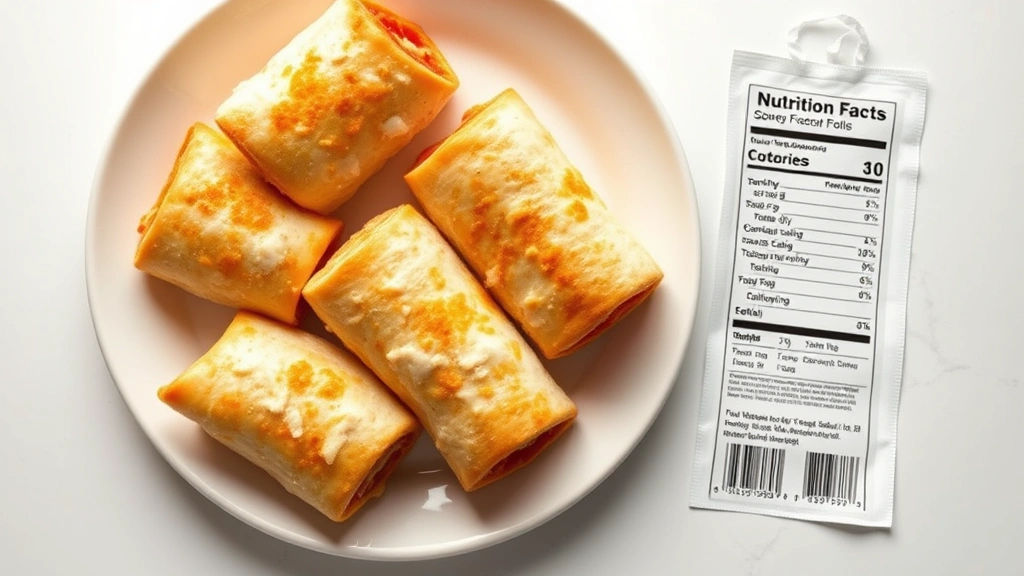
Sausage Egg McMuffin: A Dietitian’s Complete Nutritional Breakdown
The Sausage Egg McMuffin has been an iconic McDonald’s breakfast staple since 1972, offering convenient morning nutrition for millions of commuters and busy professionals worldwide. Understanding its nutritional value requires moving beyond simple calorie counts to examine macronutrients, micronutrients, and how this breakfast sandwich fits into various dietary patterns. This comprehensive analysis breaks down exactly what you’re consuming when you bite into this English muffin creation.
As a registered dietitian resource, we believe informed food choices begin with transparent nutritional data. Whether you’re a fitness enthusiast tracking macros, someone managing chronic conditions, or simply curious about fast-food nutrition, this deep dive into the Sausage Egg McMuffin provides the evidence-based insights you need to make decisions aligned with your health goals.
Total Calorie Content and Energy Density
The Sausage Egg McMuffin contains approximately 300 calories, making it a relatively moderate breakfast option by fast-food standards. This caloric load represents roughly 15% of a 2,000-calorie daily diet, positioning it as a reasonable choice for those practicing strategic meal planning. However, the energy density—calories per gram of food—tells a more nuanced story about satiety and nutritional efficiency.
At approximately 1.5 calories per gram, the Sausage Egg McMuffin demonstrates moderate energy density. This means the sandwich provides substantial calories within a relatively compact package, which can be advantageous for time-pressed individuals but potentially problematic for those managing weight through volume-based eating strategies. The combination of fat and protein contributes significantly to this caloric concentration, as both macronutrients deliver 9 calories per gram compared to carbohydrates’ 4 calories per gram.
Understanding portion context matters tremendously. Many consumers don’t eat the Sausage Egg McMuffin in isolation—they pair it with hash browns (150 calories), coffee with cream and sugar (50-100 calories), and sometimes additional items, potentially escalating the meal to 500+ calories before mid-morning. This contextual reality should inform your nutritional assessment and integration into daily intake patterns.
Breaking Down Macronutrients
Protein Content: The sandwich delivers approximately 17 grams of protein, primarily from the egg and sausage patty. This protein contribution supports muscle maintenance, satiety signaling, and thermic effect of food—the energy required to digest protein. For athletes and active individuals, this protein density makes the sandwich particularly valuable as a post-workout breakfast option when combined with carbohydrates.
Fat Composition: With roughly 17 grams of total fat, the macronutrient profile becomes increasingly important to examine. Approximately 6 grams come from saturated fat, representing 30% of the daily value based on a 2,000-calorie reference diet. The remaining fat includes both monounsaturated and polyunsaturated varieties, though exact proportions vary by specific preparation and ingredient sourcing. Current dietary guidelines recommend limiting saturated fat to 5-6% of daily calories, making the Sausage Egg McMuffin’s fat profile moderate but noteworthy for regular consumers.
Carbohydrate Profile: The English muffin base contributes approximately 29 grams of carbohydrates, the majority from refined grains rather than whole grains. This refined carbohydrate composition means rapid blood glucose elevation without the sustained energy provision of fiber-rich alternatives. Only about 4 grams of fiber appear in the complete sandwich, limiting its glycemic stability benefits.
The macronutrient ratio—approximately 48% carbohydrates, 23% protein, 51% fat (percentages exceed 100% due to rounding)—creates a relatively balanced breakfast from a traditional perspective. However, this balance tilts toward fat and refined carbohydrates rather than the protein-and-whole-grain emphasis that modern sports nutrition and metabolic health research increasingly recommend.
Essential Micronutrients
Beyond macronutrients, the Sausage Egg McMuffin provides meaningful micronutrient contributions that deserve recognition. The egg yolk specifically delivers choline, a critical nutrient for cognitive function and cellular membrane integrity, often underconsumed in Western diets. A single Sausage Egg McMuffin provides approximately 125 mg of choline from the egg component.
B Vitamins: The sandwich supplies notable B vitamin concentrations, particularly B12 (from animal products), folate (from the egg), and niacin (from both egg and sausage). These vitamins support energy metabolism, nervous system function, and red blood cell formation. The English muffin, often fortified, contributes additional B vitamins through industrial supplementation.
Mineral Content: Calcium content reaches approximately 200 mg, primarily from cheese and the muffin. Phosphorus, essential for bone health, appears in substantial quantities from the animal protein sources. Selenium, an important antioxidant mineral, concentrates in the egg and sausage. However, iron content—approximately 2.7 mg—represents only 15% of the daily value, modest considering the animal protein base.
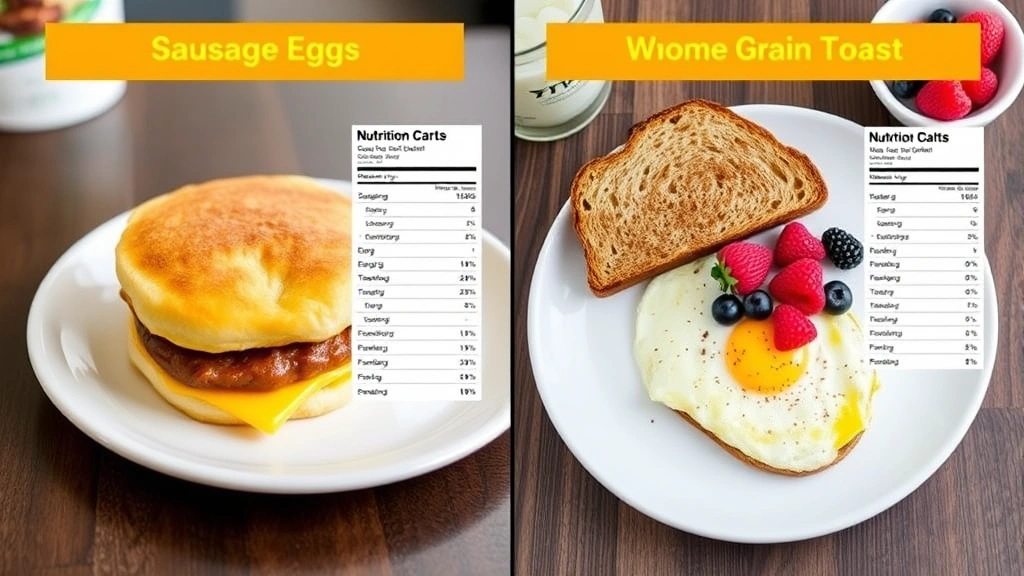
The micronutrient profile demonstrates why whole foods matter contextually. While the Sausage Egg McMuffin delivers meaningful micronutrients, consuming these same nutrients through alternatives like whole grain toast with eggs and cheese would provide additional fiber, phytonutrients, and micronutrient density unavailable in the fast-food version.
Sodium and Health Implications
Perhaps the most concerning nutritional aspect of the Sausage Egg McMuffin is its sodium content: approximately 890 mg per sandwich. This represents 39% of the 2,300 mg daily limit recommended by the American Heart Association, and exceeds the optimal 1,500 mg daily intake suggested by hypertension management guidelines.
The sodium concentration stems from multiple sources: the sausage patty (heavily processed and salted for preservation and flavor), the cheese (inherently sodium-dense), and the English muffin (often containing added sodium). This cumulative effect means a single breakfast item consumes over one-third of daily sodium allowance, leaving minimal flexibility for lunch and dinner while maintaining cardiovascular health.
For individuals managing hypertension, kidney disease, or metabolic conditions, the Sausage Egg McMuffin presents genuine dietary challenges. Regular consumption compounds sodium accumulation, contributing to increased blood pressure, fluid retention, and cardiovascular strain. The sodium-to-potassium ratio particularly concerns dietitians, as the sandwich provides minimal potassium (approximately 200 mg) relative to its sodium content, creating an imbalanced electrolyte profile.
How It Compares to Other Breakfasts
Contextualizing the Sausage Egg McMuffin nutritionally requires comparing it to alternative breakfast options. A homemade breakfast of two scrambled eggs, whole wheat toast with butter, and a glass of orange juice delivers roughly 350 calories, 14 grams protein, 12 grams fat (with better unsaturated fat ratios), 38 grams carbohydrates (with 6+ grams fiber), and approximately 300 mg sodium—substantially lower sodium with greater fiber benefits.
Alternatively, oatmeal with berries, nuts, and Greek yogurt provides approximately 320 calories, 15 grams protein, 8 grams fat, 42 grams carbohydrates (including 7 grams fiber), and only 150 mg sodium. This comparison reveals how the Sausage Egg McMuffin trades nutrient density and sodium moderation for convenience and specific taste preferences.
Compared to other fast-food breakfast sandwiches, the Sausage Egg McMuffin performs relatively favorably. McDonald’s Bacon Egg & Cheese McGriddles contains 420 calories and 1,050 mg sodium, while a Burger King Sausage & Cheese Croissant delivers 520 calories and 1,100 mg sodium. The Sausage Egg McMuffin represents the more restrained option within the fast-food breakfast landscape, though this relative advantage shouldn’t obscure its absolute nutritional limitations.
Fitting Into Different Dietary Approaches
Low-Carb and Keto Diets: The Sausage Egg McMuffin presents challenges for strict ketogenic approaches due to its 29-gram carbohydrate content. However, removing the English muffin and consuming just the sausage and egg creates a genuinely keto-compatible meal with approximately 190 calories, 17 grams protein, 11 grams fat, and 1 gram carbohydrate.
High-Protein Fitness Goals: At 17 grams protein per 300 calories, the macronutrient ratio provides decent protein density for active individuals. However, athletes optimizing performance might prefer alternatives delivering 20+ grams protein with lower sodium and greater carbohydrate quality for glycogen replenishment.
Mediterranean and Whole-Food Approaches: The refined grain base and processed meat components conflict with Mediterranean dietary principles emphasizing whole grains, minimal processing, and lean protein sources. These dietary philosophies would rate the Sausage Egg McMuffin as occasional rather than regular consumption.
Calorie-Restricted Weight Loss: The 300-calorie investment positions the sandwich reasonably within most weight-loss frameworks, provided it doesn’t trigger additional purchases or consumption. The moderate protein content supports satiety, though the refined carbohydrate base might not provide sustained fullness compared to whole-grain alternatives.
Sodium-Restricted Diets: The 890 mg sodium content essentially disqualifies the Sausage Egg McMuffin from regular consumption in medically supervised sodium restriction protocols, particularly those targeting 1,500-2,000 mg daily limits.
Optimization Strategies
If you enjoy the Sausage Egg McMuffin and want to incorporate it into a health-conscious dietary pattern, several optimization strategies exist:
- Modify the sandwich: Request the English muffin be replaced with a lettuce wrap or skip it entirely, reducing carbohydrates and sodium while maintaining protein and satisfaction.
- Strategic pairing: Combine the sandwich with fiber-rich foods like a banana or berries to improve glycemic response and satiety signaling.
- Frequency adjustment: Limit consumption to once or twice weekly rather than daily, allowing sodium and saturated fat to remain within healthy cumulative ranges.
- Hydration emphasis: Pair the meal with substantial water intake to help manage sodium’s fluid-retention effects.
- Timing optimization: Consume the sandwich post-workout when muscle protein synthesis peaks, maximizing the protein’s anabolic benefits.
- Explore alternatives: Visit nutrition solutions resources for customized breakfast options aligning with your specific health objectives.
These modifications recognize that perfect nutritional choices matter less than sustainable patterns. For individuals who genuinely enjoy the Sausage Egg McMuffin, strategic incorporation often succeeds better than complete elimination, which frequently triggers psychological resistance and unsustainable restriction.

Frequently Asked Questions
Is the Sausage Egg McMuffin healthy?
The answer depends on context and individual health goals. For occasional consumption within a generally balanced diet, the Sausage Egg McMuffin provides reasonable nutrition with meaningful protein and micronutrient contributions. However, its sodium content (39% daily value) and refined carbohydrate base make it suboptimal for regular consumption, particularly for those managing hypertension or metabolic conditions. “Healthy” ultimately means alignment with your personal nutritional needs and dietary patterns rather than absolute food categorization.
How does it fit into a 2000-calorie diet?
At 300 calories, the Sausage Egg McMuffin represents 15% of a 2,000-calorie daily allowance, positioning it as a reasonable breakfast choice that leaves 1,700 calories for subsequent meals. However, the 890 mg sodium means you’ve consumed 39% of recommended daily sodium in a single item, requiring careful sodium management throughout the remainder of the day.
Can I eat this on a keto diet?
The complete sandwich contains 29 grams carbohydrates, exceeding most ketogenic diet limits. However, requesting just the sausage patty and egg (without the muffin) creates a genuinely keto-compatible meal with minimal carbohydrates and substantial fat content. Many McDonald’s locations accommodate this modification easily.
What’s the protein quality?
The 17 grams protein comes from complete protein sources (egg and sausage), delivering all nine essential amino acids in optimal proportions. This represents high-quality protein suitable for muscle maintenance and recovery, though the quantity remains modest for serious athletes requiring 25-40+ grams per meal.
How does sodium compare to other breakfasts?
At 890 mg sodium, the Sausage Egg McMuffin exceeds most home-prepared breakfasts by 2-3 times. A scrambled egg breakfast typically contains 300-400 mg sodium, while oatmeal-based breakfasts range from 100-200 mg. This significant difference reflects processed food sodium concentration.
Is the fat content concerning?
The 17 grams total fat includes 6 grams saturated fat (30% daily value). While not excessive for a single meal, regular consumption contributes substantially to daily saturated fat intake. The fat composition supports satiety and nutrient absorption, but moderation remains advisable, particularly for those with cardiovascular risk factors.
Can I modify this at McDonald’s?
Yes. Most McDonald’s locations accommodate reasonable modifications: removing the muffin, requesting no cheese, substituting sausage for bacon, or requesting reduced-salt preparation. These modifications can significantly alter the nutritional profile to better align with personal dietary goals.
The Sausage Egg McMuffin represents a breakfast option with genuine nutritional trade-offs. Its convenience, moderate calories, and protein content offer real benefits, while its sodium concentration and refined carbohydrate base present legitimate health concerns. Understanding these nuances enables informed decision-making that balances nutritional science with lifestyle practicality. For comprehensive dietary guidance tailored to your unique health situation, consult our nutrition solutions or explore our comprehensive healthy nutrition plan guide for personalized recommendations.