Pulled Pork Nutrition? Expert Analysis of Barbecue’s Nutritional Profile
Barbecue pulled pork stands as one of America’s most beloved comfort foods, but its nutritional reputation remains shrouded in misconception. While many assume this smoky delicacy is purely indulgent, the reality reveals a more nuanced nutritional story. Understanding the actual macronutrient composition, preparation methods, and portion strategies can help you make informed decisions about incorporating pulled pork into a balanced diet.
The key to navigating pulled pork nutrition lies in examining both the meat itself and the cooking methods that transform it into the tender, flavorful dish we recognize at barbecue restaurants and family gatherings. From protein content to sodium levels, we’ll dissect every nutritional component to provide clarity on what you’re actually consuming when you enjoy this classic American fare.
Macronutrient Breakdown of Pulled Pork
A typical serving of pulled pork (3.5 ounces or 100 grams) contains approximately 140-180 calories, depending on the cut and preparation method. The macronutrient distribution reveals that pulled pork is primarily a protein source, with minimal carbohydrates in the meat itself. However, the complete nutritional picture changes when you account for added sauces, marinades, and serving methods.
The standard breakdown for plain pulled pork includes roughly 25-28 grams of protein, 5-8 grams of fat, and virtually zero carbohydrates. This makes it an attractive option for those following healthy nutrition plans that prioritize protein intake. However, barbecue sauce additions can introduce 10-15 grams of carbohydrates and additional sugars per serving, significantly altering the nutritional profile.
Research from the American Heart Association indicates that lean pork cuts provide substantial nutritional value when prepared without excessive added sugars. Understanding these baseline numbers helps you make strategic choices about sauces and accompaniments that fit your dietary objectives.
Protein Content and Muscle Building
Pulled pork excels as a protein source, offering approximately 26 grams of complete protein per 100-gram serving. This complete protein contains all nine essential amino acids necessary for muscle synthesis, tissue repair, and immune function. For individuals focusing on nutritional content analysis, this protein density makes pulled pork competitive with chicken breast and lean beef options.
The amino acid profile supports muscle protein synthesis effectively, particularly when consumed as part of a post-workout meal strategy. Studies published in the Journal of the International Society of Sports Nutrition demonstrate that pork protein performs similarly to beef and poultry for muscle building objectives. The bioavailability of pork protein means your body efficiently absorbs and utilizes these amino acids for recovery and adaptation.
For individuals managing their meal planning strategies, pulled pork offers flexibility in protein distribution across daily meals. A single 3-ounce serving provides roughly 20% of the daily recommended protein intake for adults, making it practical for lunch, dinner, or even protein-focused breakfast applications when paired appropriately.
Fat Profile and Heart Health Considerations
The fat composition of pulled pork varies significantly based on the cut selected. Pork shoulder, the traditional pulled pork cut, contains approximately 5-8 grams of fat per 100-gram serving in its raw state. However, the cooking process and rendered fat create complexity in the final nutritional profile. Roughly 40-50% of this fat is monounsaturated, the same type found in avocados and other heart-healthy sources.
Saturated fat content presents the primary nutritional concern, representing approximately 2-3 grams per 100-gram serving. The CDC’s nutritional guidelines recommend limiting saturated fat to 10% of daily calories, making a reasonable portion of pulled pork compatible with heart-healthy eating patterns. The key involves portion control and preparation method selection rather than complete avoidance.
Trimming visible fat before and after cooking reduces the total fat content by 30-40%, allowing you to enjoy pulled pork while maintaining cardiovascular health objectives. Slow-cooking methods that render fat away from the meat, followed by careful fat separation, create a leaner final product without sacrificing the tender texture that makes pulled pork appealing.
Sodium and Seasoning Impact
Sodium content represents the most significant nutritional challenge in barbecue pulled pork. A typical restaurant serving contains 600-1,200 milligrams of sodium, largely from rubs, marinades, and sauces. This single serving can represent 25-50% of the recommended daily sodium intake, depending on the establishment and sauce application.
Home preparation offers significant sodium reduction opportunities. Making your own dry rubs and minimizing processed sauce additions allows you to control sodium levels precisely. A homemade version prepared without commercial seasonings can deliver as little as 50-100 milligrams of sodium per serving while maintaining excellent flavor through smoke exposure and natural meat juices.
The American Heart Association recommends 2,300 milligrams of sodium daily, with an ideal limit of 1,500 milligrams for optimal cardiovascular health. Those managing hypertension or salt sensitivity benefit significantly from preparing pulled pork at home using low-sodium approaches. Commercial barbecue sauces vary wildly in sodium content, ranging from 100 to 500 milligrams per tablespoon, making label reading essential for those monitoring intake.
Preparation Methods That Affect Nutrition
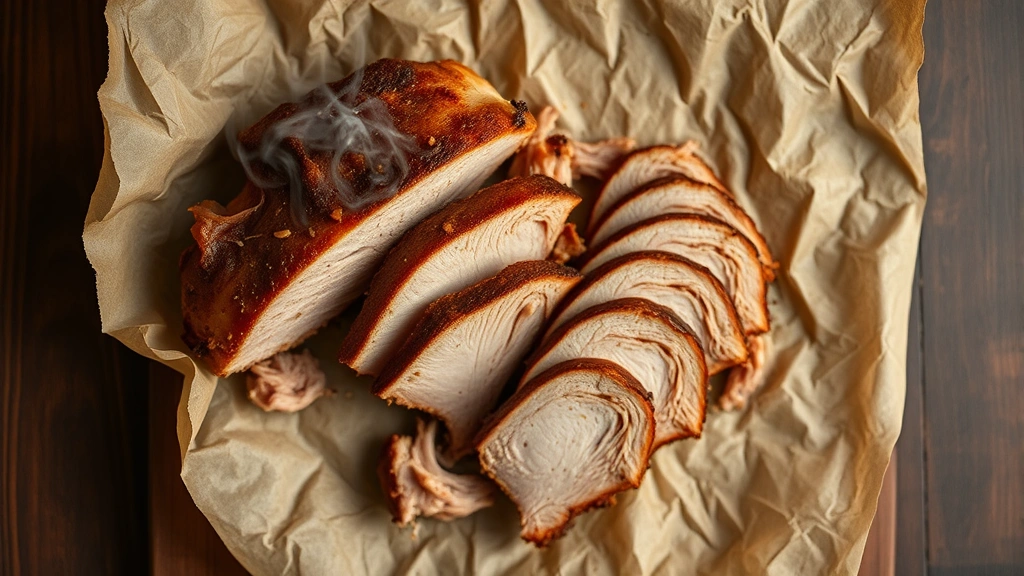
The cooking method substantially influences the final nutritional composition of pulled pork. Traditional slow-cooking in a smoker renders fat gradually, creating a self-basting effect that maintains moisture while allowing excess fat to drip away. This method produces leaner results than braising in liquid, which retains rendered fats within the cooking medium.
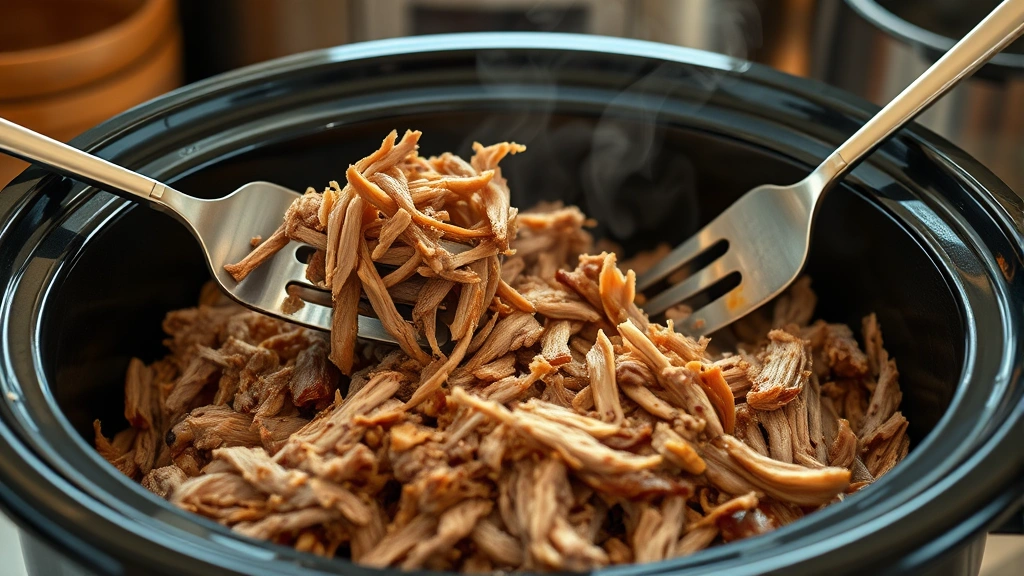
Smoking at low temperatures (225-250°F) for extended periods creates several nutritional advantages. The extended heat exposure reduces bacterial load naturally, the smoke compounds provide antioxidants, and the gradual rendering separates excess fat from the meat. Pressure cooking or instant pot methods reduce cooking time but produce wetter results that retain more fat within the final product.
Oven roasting with dry heat application offers another approach, though it doesn’t replicate the traditional barbecue experience. This method produces a dryer texture that requires sauce addition for palatability, which may increase overall sodium and sugar content compared to smoked versions. The choice between cooking methods should balance nutritional objectives with flavor preferences and practical cooking constraints.
Portion Control Strategies
Effective portion management transforms pulled pork from an occasional indulgence into a regular component of balanced eating. Standard nutritional recommendations suggest 3-4 ounce servings as appropriate for most dietary approaches, providing 20-25 grams of protein without excessive calorie density. A 4-ounce portion of pulled pork contributes roughly 180-220 calories to your daily intake.
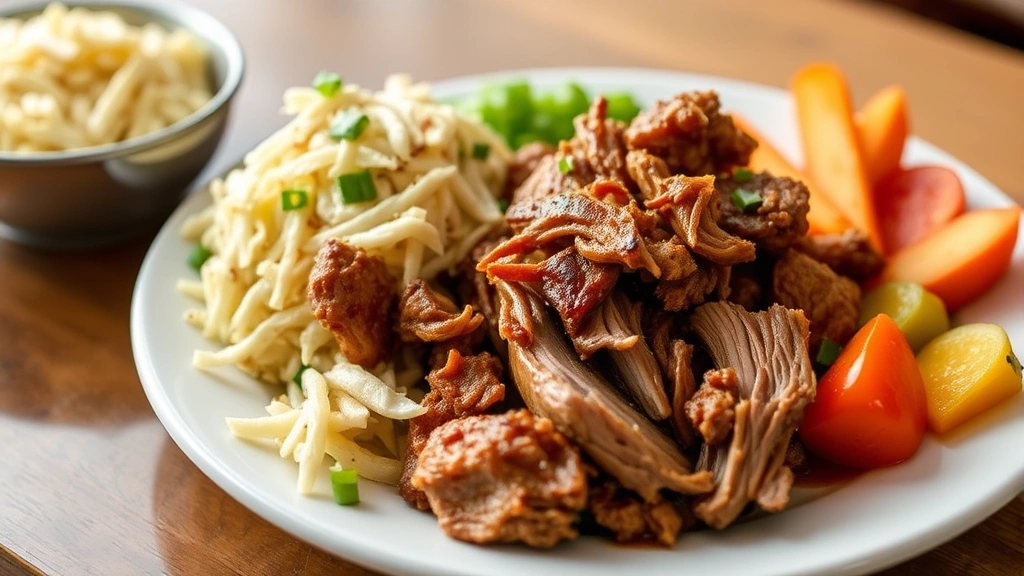
Pairing strategies enhance nutritional value considerably. Serving pulled pork with substantial vegetable sides increases fiber intake, promotes satiety, and balances macronutrient distribution. Coleslaw prepared with vinegar-based dressing rather than mayo-based versions adds volume and nutrients while keeping fat content controlled. Baked beans, while containing added sugars, contribute fiber and minerals that complement the meat’s protein profile.
Sandwich construction dramatically impacts overall nutrition. A pulled pork sandwich on a standard white bread roll contributes 150-200 additional calories and 30-40 grams of carbohydrates, with minimal nutritional benefit. Choosing whole grain bread or lettuce wraps preserves the protein benefits while reducing refined carbohydrate intake. Open-faced presentations or serving pulled pork over vegetables further optimize the nutritional equation.
Comparing Pulled Pork to Other Proteins
Nutritional comparison reveals that pulled pork performs competitively against commonly consumed protein sources. When comparing similar serving sizes of cooked, unseasoned protein: chicken breast (31g protein, 165 calories), pulled pork (26g protein, 180 calories), and ground beef 85/15 (22g protein, 215 calories). These comparisons demonstrate that pulled pork occupies a middle ground nutritionally, neither superior nor inferior to standard alternatives.
The flavor profile of pulled pork distinguishes it from plain chicken or turkey, potentially improving compliance with nutritional plans that support mental health through dietary satisfaction. Psychological research indicates that dietary adherence improves significantly when meals taste satisfying, making the appeal of barbecue pulled pork a legitimate nutritional advantage for long-term success.
Relative to processed protein sources like deli meats and sausages, pulled pork offers superior nutritional profiles. Traditional deli products contain nitrates, phosphates, and higher sodium levels designed for shelf stability rather than nutritional optimization. Fresh pulled pork prepared at home provides whole food protein without additives, making it preferable for those prioritizing ingredient quality and processing minimization.
Integration Into Healthy Eating Plans
Pulled pork integrates successfully into various dietary frameworks when approached strategically. For low-carbohydrate approaches, plain pulled pork without sauce aligns perfectly with macronutrient targets. A 4-ounce serving provides substantial protein with negligible carbohydrate contribution, fitting easily within daily carb limits while supporting satiety and muscle maintenance.
Mediterranean and other heart-healthy eating patterns accommodate pulled pork through portion control and preparation modifications. Serving pulled pork over Mediterranean vegetable salads, paired with olive oil-based dressings rather than creamy condiments, creates nutritionally balanced meals that honor both flavor traditions and health objectives. The monounsaturated fat content of pork fat aligns reasonably with Mediterranean nutritional philosophy.
For high-protein, moderate-calorie approaches common in fitness contexts, pulled pork provides efficient macronutrient delivery. A 5-ounce serving offers 30+ grams of protein with manageable calorie density, supporting muscle building and recovery without excessive energy consumption. Strategic pairing with high-volume, low-calorie vegetables maximizes satiety while maintaining caloric control.
Plant-based eating plans can incorporate pulled pork as an occasional protein source for flexitarians, those maintaining primarily vegetarian diets with periodic meat consumption. The nutrient density and satisfaction factor make pulled pork particularly valuable for supporting adherence when occasional animal protein consumption aligns with personal dietary philosophy.
FAQ
How many calories are in a typical serving of pulled pork?
A standard 3-ounce serving contains approximately 140-180 calories, while a 4-ounce portion provides 180-220 calories. Variation depends on the cut, cooking method, and whether fat has been trimmed. Barbecue sauce additions typically contribute 30-60 additional calories per tablespoon.
Is pulled pork high in sodium?
Restaurant pulled pork typically contains 600-1,200 milligrams of sodium per serving, representing 25-50% of daily recommendations. Homemade versions prepared without commercial seasonings can contain as little as 50-100 milligrams, making preparation method the primary determinant of sodium content.
Can pulled pork support muscle building goals?
Yes, pulled pork provides 26 grams of complete protein per 100-gram serving, containing all nine essential amino acids. This protein quality supports muscle protein synthesis effectively, performing comparably to chicken breast and lean beef for muscle building objectives.
What’s the best cooking method for nutritional optimization?
Slow-smoking at low temperatures (225-250°F) renders fat gradually, producing leaner results while maintaining moisture and texture. This method allows excess fat to separate naturally while developing flavor through smoke compounds that provide antioxidant benefits.
How should pulled pork fit into a healthy diet?
Standard portions of 3-4 ounces paired with vegetable-based sides create nutritionally balanced meals. Avoiding high-sodium sauces, choosing whole grain bread alternatives, and controlling overall portion size allow pulled pork to integrate successfully into most dietary approaches without nutritional compromise.
Does the cut of pork affect nutritional content?
Yes, different pork cuts contain varying fat levels. Pork shoulder, the traditional pulled pork cut, contains moderate fat that renders during cooking. Leaner cuts like pork loin produce drier results requiring more sauce, potentially increasing overall sodium and sugar intake.


