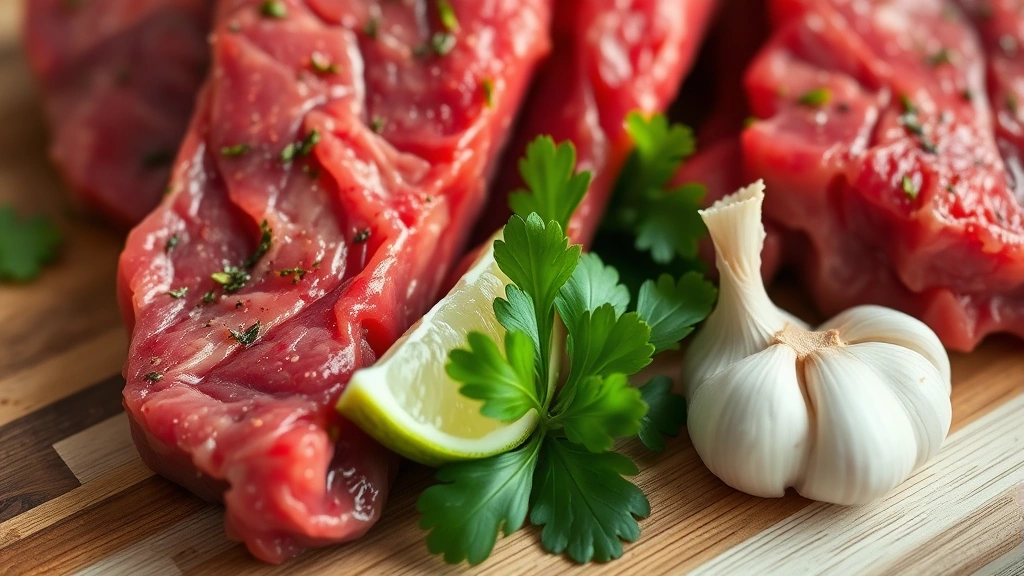
Carne Asada: Nutritional Breakdown Explained
Carne asada, the beloved grilled meat dish originating from Mexico and Central America, has become a staple in cuisines worldwide. This flavorful preparation involves marinating beef in citrus juices, spices, and aromatics before grilling to perfection. Beyond its delicious taste and cultural significance, understanding the nutritional profile of carne asada helps consumers make informed dietary choices while enjoying this traditional favorite.
The nutritional composition of carne asada varies depending on the cut of meat selected, marinade ingredients, cooking method, and portion size. A comprehensive breakdown reveals that this dish offers substantial protein content, important micronutrients, and varying levels of fat depending on preparation. Whether you’re tracking macronutrients for fitness goals or simply curious about what you’re consuming, this guide provides detailed nutritional insights into carne asada and how it fits within a balanced diet.
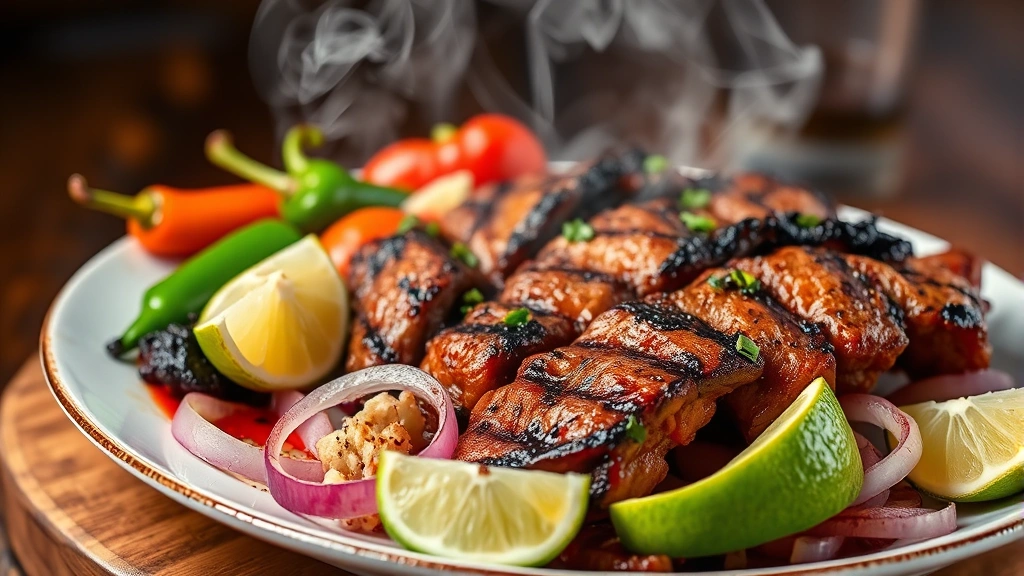
Macronutrient Profile of Carne Asada
Carne asada’s macronutrient composition centers on three primary components: protein, fat, and minimal carbohydrates. A standard 3-ounce (85-gram) serving of grilled carne asada contains approximately 25-30 grams of protein, making it an excellent source for muscle maintenance and repair. The fat content typically ranges from 8-15 grams per serving, depending on the beef cut used, with saturated fat comprising about 3-6 grams.
The carbohydrate content in plain carne asada is negligible, usually less than 1 gram per serving, since the meat itself contains no carbs. However, the marinade ingredients can introduce trace amounts of carbohydrates from citrus juices and spices. This macronutrient distribution makes carne asada particularly appealing to individuals following low-carb or ketogenic dietary approaches.
Understanding these macronutrients helps you incorporate carne asada into healthy nutrition plans effectively. The protein-to-fat ratio makes it suitable for various dietary goals, from muscle building to weight management when portion sizes are controlled.

Protein Content and Muscle Building Benefits
Protein serves as the cornerstone of carne asada’s nutritional value. Beef contains all nine essential amino acids, making it a complete protein source crucial for muscle synthesis, enzyme production, and immune function. The protein in carne asada is highly bioavailable, meaning your body efficiently absorbs and utilizes these amino acids.
For individuals engaged in resistance training or seeking to build lean muscle mass, carne asada provides an ideal protein source. A typical 4-ounce serving delivers approximately 35 grams of protein, contributing substantially toward daily protein requirements. The recommended dietary allowance for protein is 0.8 grams per kilogram of body weight for sedentary adults, but athletes and active individuals benefit from 1.2-2.0 grams per kilogram.
Beyond muscle building, adequate protein intake supports satiety, helping you feel fuller longer. This satiety effect can assist with weight management goals, as protein requires more energy to digest compared to carbohydrates or fats. Research from the National Institutes of Health confirms that high-protein meals enhance feelings of fullness and reduce overall caloric intake.
- Complete amino acid profile supports all muscle tissues
- High biological value ensures efficient protein utilization
- Supports post-workout recovery and adaptation
- Promotes sustained energy levels throughout the day
Fat Composition and Heart Health Considerations
The fat content in carne asada deserves careful examination, as different beef cuts contain varying fat profiles. Leaner cuts like sirloin or flank steak contain less total fat and fewer saturated fats, making them heart-healthier options. Fattier cuts like ribeye or chuck contain more intramuscular fat, which enhances flavor but increases saturated fat content.
Beef fat contains a mixture of saturated and unsaturated fatty acids. Approximately 50% of beef fat consists of monounsaturated fats, which support cardiovascular health. Additionally, beef contains conjugated linoleic acid (CLA), a fatty acid with potential anti-inflammatory properties. Stearic acid, another component of beef fat, has minimal impact on cholesterol levels despite being saturated.
For individuals monitoring saturated fat intake due to heart health concerns, choosing lean beef cuts and trimming visible fat reduces saturated fat consumption. Grilling allows fat to drip away during cooking, further reducing the final fat content. Pairing carne asada with heart-healthy sides like nutrition facts about avocados and vegetable-based dishes balances the meal nutritionally.
The American Heart Association recommends limiting saturated fat to 5-6% of daily calories. For a 2,000-calorie diet, this translates to approximately 11-13 grams daily. A single serving of carne asada prepared from a lean cut typically contains 3-5 grams of saturated fat, leaving room for other foods within daily limits.
Micronutrients and Essential Vitamins
Beyond macronutrients, carne asada provides impressive micronutrient density. Beef is rich in B vitamins, particularly B12, B6, and niacin, which support energy metabolism and neurological function. A 3-ounce serving of beef provides approximately 1.5 micrograms of vitamin B12, exceeding 25% of the daily recommended value.
Iron content in beef deserves special attention, as beef contains heme iron, the most bioavailable form for human absorption. A 3-ounce serving provides approximately 2.6 milligrams of iron, contributing about 14% of the daily value for adult men and 33% for adult women. Heme iron absorption rates reach 15-35%, compared to non-heme iron absorption rates of 2-20%, making beef an exceptional iron source.
Selenium, zinc, and phosphorus also appear in significant quantities in carne asada. Selenium supports antioxidant defense and thyroid function, while zinc strengthens immune response and protein synthesis. Phosphorus works synergistically with calcium for bone health and energy metabolism.
| Micronutrient | Per 3 oz Serving | % Daily Value |
|---|---|---|
| Vitamin B12 | 1.5 mcg | 25% |
| Zinc | 5.5 mg | 50% |
| Iron (Heme) | 2.6 mg | 14-33% |
| Selenium | 22 mcg | 40% |
These micronutrients work synergistically to support immune function, energy production, and overall health. For individuals concerned about nutrition and mental health, the B-vitamin complex in carne asada supports neurotransmitter synthesis and cognitive function.
Caloric Content and Portion Control
Caloric content in carne asada varies significantly based on the beef cut selected and cooking method employed. A 3-ounce serving of lean carne asada contains approximately 180-200 calories, while fattier cuts may reach 250-280 calories for the same portion size. Understanding these variations helps with accurate caloric tracking and portion management.
For context, a typical restaurant serving of carne asada ranges from 4-6 ounces, translating to 240-420 calories depending on the cut. When served in traditional tacos with tortillas, cheese, and condiments, the total meal can easily exceed 500-800 calories. Awareness of these totals enables informed choices aligned with individual caloric goals.
Portion control strategies include using smaller plates, measuring meat portions with a food scale, and balancing carne asada with lower-calorie vegetable sides. A standard serving size of 3-4 ounces aligns with most dietary guidelines and provides substantial satiety due to high protein content. The USDA dietary guidelines recommend 5-6.5 ounces of protein daily for average adults, with a single carne asada serving contributing significantly to this target.
Incorporating carne asada into tips for meal planning strategies ensures balanced nutrition while managing caloric intake. Pairing smaller portions of carne asada with abundant vegetables and whole grains creates satisfying meals within caloric targets.
Marinade Ingredients and Their Nutritional Impact
The marinade transforms carne asada from simple grilled beef into a complex flavor experience, while also influencing nutritional content. Traditional marinades combine citrus juices (lime and orange), garlic, cumin, chili peppers, and olive oil. Each ingredient contributes distinct nutritional properties beyond flavor.
Citrus juices provide vitamin C, supporting immune function and collagen synthesis. A typical marinade using juice from 2-3 limes contributes approximately 15-20 milligrams of vitamin C. While much of this vitamin may not transfer to the final meat product, the acidic environment helps tenderize the meat through protein denaturation.
Garlic contains allicin and other sulfur compounds with potential anti-inflammatory and antimicrobial properties. Research published in the Journal of Medicinal Food documents garlic’s bioactive compounds and health-promoting effects. Cumin provides manganese, iron, and magnesium while contributing to digestive health.
Olive oil in marinades contributes monounsaturated fats and polyphenols, powerful antioxidants that support cardiovascular health. A typical marinade using 2-3 tablespoons of olive oil adds approximately 240-360 calories to the mixture. However, since much of the marinade drains away during cooking, the actual oil transferred to the finished meat remains minimal—typically less than one tablespoon per serving.
Chili peppers introduce capsaicin, a compound with thermogenic properties that may temporarily increase metabolic rate. Additionally, chili peppers contain vitamin C and carotenoids supporting eye health and immune function. These ingredients collectively enhance carne asada’s nutritional profile beyond basic protein provision.
Cooking Methods That Affect Nutrition
Grilling, the traditional cooking method for carne asada, influences nutritional content through several mechanisms. High-heat grilling creates a flavorful crust through the Maillard reaction, a chemical process between amino acids and reducing sugars that produces hundreds of flavor compounds. This cooking method allows excess fat to drip away, reducing final fat content.
However, high-temperature grilling can produce heterocyclic amines (HCAs) and polycyclic aromatic hydrocarbons (PAHs), compounds formed when meat proteins are exposed to extreme heat. Research from the National Cancer Institute indicates that marinating meat before grilling reduces HCA formation by up to 90%. The acidic marinade used in traditional carne asada preparation provides this protective benefit.
To minimize potentially harmful compound formation while maximizing nutritional benefits, consider these strategies:
- Marinate meat for 2-4 hours before grilling to reduce HCA formation
- Grill at moderate temperatures rather than extremely high heat
- Avoid charring or burning the meat surface excessively
- Include antioxidant-rich herbs like oregano and cilantro in marinades
- Cook meat to medium rather than well-done to preserve nutrients
Alternative cooking methods like pan-searing or oven-roasting at lower temperatures produce fewer potentially harmful compounds while still delivering flavorful results. These methods also reduce fat loss, though they may not produce the same smoky, charred exterior characteristic of authentic carne asada.
Serving Suggestions for Balanced Meals
Maximizing carne asada’s nutritional benefits involves thoughtful meal construction and side selection. Rather than serving carne asada as an isolated protein, combining it with nutrient-dense accompaniments creates nutritionally complete meals.
Vegetable sides contribute fiber, vitamins, and minerals while adding volume and satiety without excessive calories. Grilled peppers, onions, and zucchini complement carne asada’s flavors while providing antioxidants and the importance of dietary fiber for your health. Roasted or steamed broccoli, cauliflower, or Brussels sprouts add cruciferous vegetables rich in sulforaphane and other phytonutrients.
Whole grain options like brown rice, quinoa, or whole wheat tortillas provide complex carbohydrates, additional fiber, and B vitamins. These starches balance the protein-rich carne asada while providing sustained energy. A typical serving ratio might include 3-4 ounces of carne asada, 1 cup of vegetables, and 1/2 cup of whole grains.
Healthy fat additions like avocado slices, nuts, or olive oil-based dressings enhance nutrient absorption, as many vitamins in vegetables are fat-soluble. Cilantro, lime juice, and hot sauce add flavor without significant calories while providing phytonutrients. This balanced approach transforms carne asada into a nutritionally complete meal supporting diverse health goals.
For those seeking additional nutritional resources, exploring Nutrients Pathway Blog provides comprehensive nutrition information for countless foods and meal combinations.
FAQ
How many calories are in a typical carne asada serving?
A standard 3-ounce serving contains 180-200 calories from lean cuts, while fattier cuts may reach 250-280 calories. Restaurant portions of 4-6 ounces typically range from 240-420 calories depending on the beef cut used.
Is carne asada healthy for weight loss?
Carne asada can support weight loss goals due to its high protein content, which promotes satiety and requires significant energy for digestion. Choosing lean cuts, controlling portion sizes, and pairing with low-calorie vegetable sides maximizes weight loss benefits while maintaining nutritional adequacy.
What beef cuts work best for carne asada?
Flank steak, skirt steak, and sirloin are traditional choices offering good flavor and texture while remaining relatively lean. These cuts benefit from the acidic marinade’s tenderizing effects. Avoid extremely tough or extremely fatty cuts for optimal results.
Can people with high cholesterol eat carne asada?
Yes, individuals managing cholesterol can enjoy carne asada by selecting lean cuts, trimming visible fat, and consuming appropriate portions. The unsaturated fat and stearic acid in beef have minimal cholesterol-raising effects compared to other saturated fats. Pairing with heart-healthy sides enhances cardiovascular benefits.
Does marinating reduce carne asada’s nutritional value?
Marinating primarily affects flavor and texture rather than significantly reducing nutritional content. While some B vitamins might leach into the marinade, most protein, minerals, and other nutrients remain in the meat. The marinade’s antioxidants actually enhance nutritional value and reduce potentially harmful compounds formed during grilling.
How does grilling affect carne asada’s nutritional profile?
Grilling allows excess fat to drip away, reducing total fat content. However, high-heat cooking can produce HCAs and PAHs. Pre-marinating in acidic mixtures reduces these compounds by up to 90%, making traditional carne asada preparation particularly beneficial from a nutritional standpoint.


