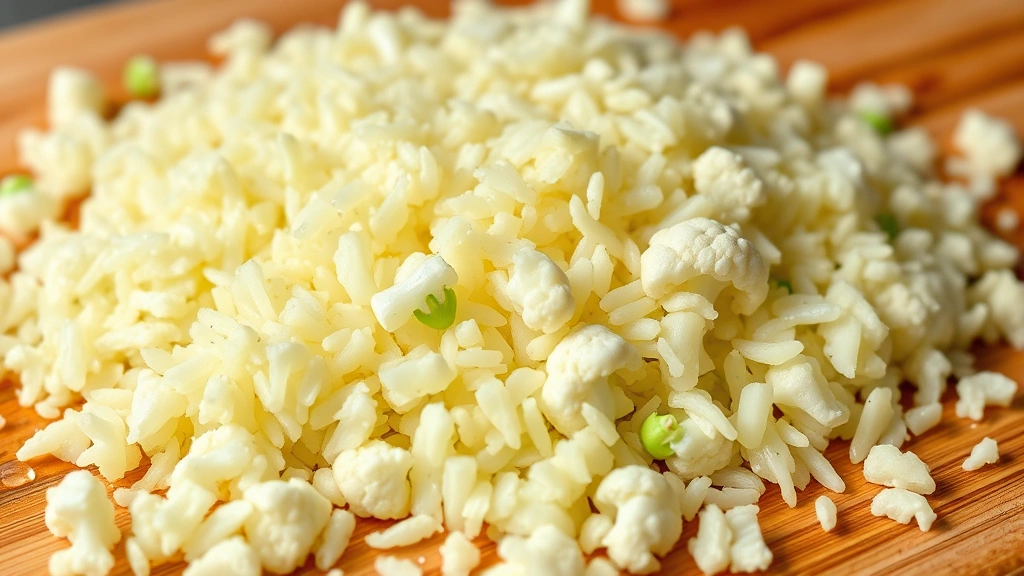
Cauliflower rice has become a staple in modern kitchens, marketed as a low-carb alternative to traditional grains. But is this cruciferous vegetable truly the nutritional powerhouse it claims to be? As nutritionists continue to examine its health benefits and potential drawbacks, understanding the science behind cauliflower rice nutrition becomes essential for anyone considering adding it to their diet regularly.
The popularity of cauliflower rice stems partly from the broader shift toward plant-based eating and low-carbohydrate diets. However, the conversation extends beyond simple carb counting. This comprehensive guide explores what makes cauliflower rice nutritionally valuable, how it compares to other grains, and whether it deserves a permanent place in your meal planning strategy.
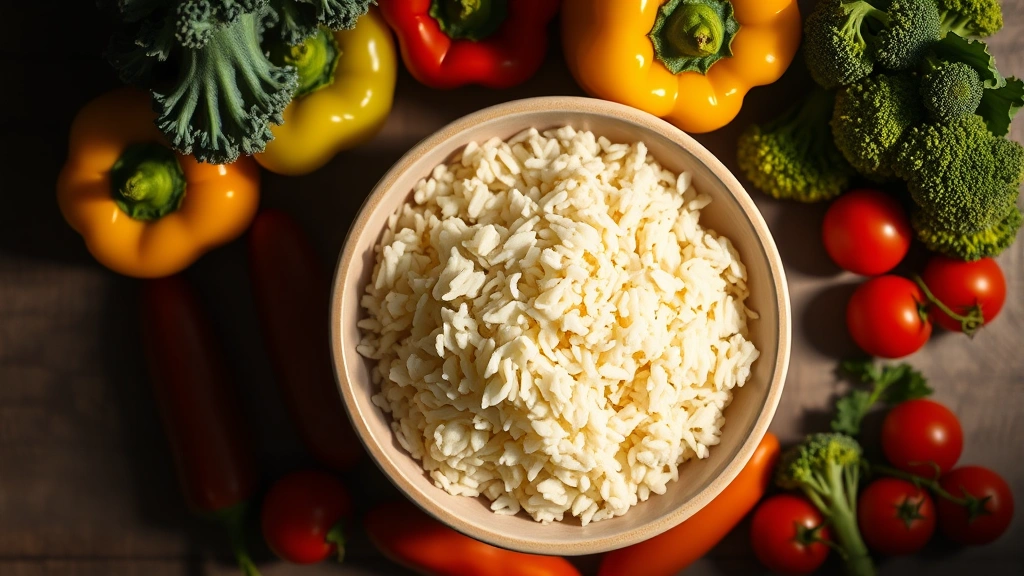
Nutritional Profile of Cauliflower Rice
One cup of raw cauliflower rice contains approximately 25 calories, making it an exceptionally low-energy-density food. This characteristic alone explains much of its appeal to individuals managing their weight. The macronutrient breakdown reveals roughly 5 grams of carbohydrates, 2 grams of protein, and less than 1 gram of fat per cup, with about 2 grams of dietary fiber.
What distinguishes cauliflower rice from other low-calorie vegetables is its versatility and ability to replace grain-based staples in popular dishes. Rather than simply adding volume to meals, it fundamentally changes the nutritional composition of dishes traditionally high in refined carbohydrates. When you understand your healthy nutrition plan, incorporating cauliflower rice becomes a strategic choice rather than a trend-following decision.
The water content in cauliflower rice comprises approximately 92% of its weight, contributing to its satiety factor. This high water content means you can consume larger volumes while maintaining minimal caloric intake. Research from nutrition science journals demonstrates that high-water-content foods promote feelings of fullness more effectively than their denser counterparts.
Vitamins and Minerals in Cauliflower Rice
Beyond basic macronutrients, cauliflower rice delivers an impressive array of micronutrients. Vitamin C content stands at approximately 28% of the daily recommended value per cup, supporting immune function and collagen synthesis. This water-soluble vitamin acts as a potent antioxidant, protecting cells from oxidative stress caused by free radicals.
Cauliflower also provides meaningful quantities of vitamin K, essential for bone metabolism and blood clotting mechanisms. A single serving supplies roughly 20% of the daily adequate intake. Folate, another B-vitamin present in cauliflower rice, plays crucial roles in DNA synthesis and cellular division, making it particularly important for women of childbearing age.
Mineral content includes potassium, manganese, and pantothenic acid. Potassium supports cardiovascular health by regulating blood pressure and heart rhythm. When combined with other nutrient-dense foods like those discussed in our article about omega-3 fatty acids, cauliflower rice becomes part of a comprehensive heart-healthy dietary approach.
The phytonutrient profile deserves special attention. Cauliflower contains sulforaphane, indole-3-carbinol, and other glucosinolates—compounds with demonstrated anti-inflammatory and potential cancer-protective properties. These bioactive substances activate detoxification enzymes in the body, supporting your liver’s natural cleansing processes.
IMAGE_2
Comparing Cauliflower Rice to Traditional Grains
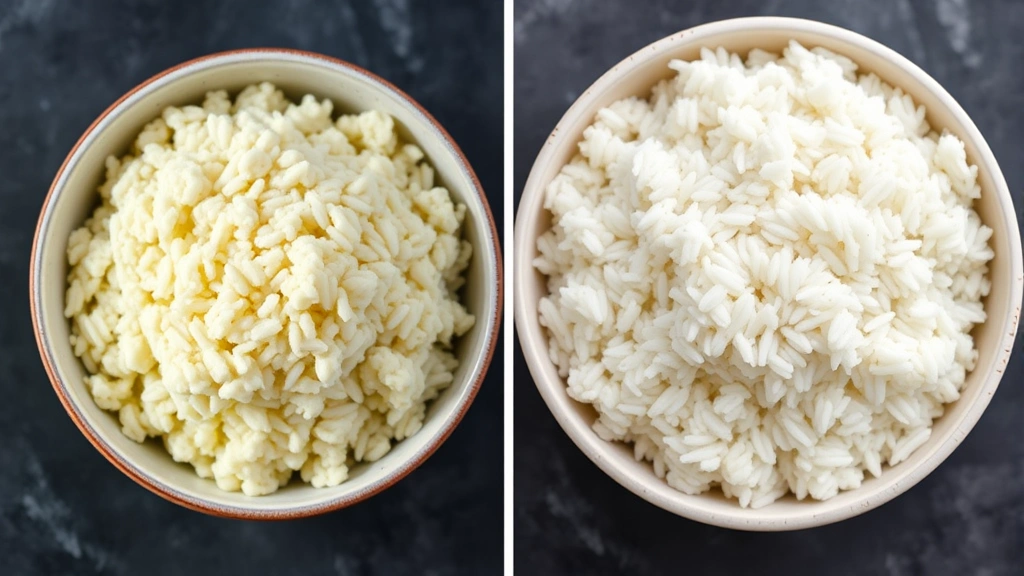
The comparison between cauliflower rice and white rice reveals stark nutritional differences. One cup of cooked white rice contains approximately 200 calories, 45 grams of carbohydrates, and only 0.6 grams of fiber. This dramatic disparity explains why individuals following low-carb or ketogenic diets embrace cauliflower rice as a substitute.
Brown rice presents a more favorable nutritional profile than white rice, offering 215 calories, 45 grams of carbohydrates, and 3.5 grams of fiber per cooked cup. However, cauliflower rice still maintains advantages for those managing blood sugar levels or pursuing weight loss. The fiber-to-calorie ratio in cauliflower rice is substantially superior to any grain-based alternative.
Quinoa, often considered a nutritional powerhouse grain, provides complete amino acid profiles and higher protein content than traditional grains. One cooked cup contains approximately 222 calories, 39 grams of carbohydrates, 8 grams of protein, and 5 grams of fiber. While quinoa surpasses cauliflower rice in protein and amino acid completeness, the caloric density remains considerably higher. Your choice between these options should align with your specific health objectives and dietary requirements.
When evaluating grain alternatives, consider how cauliflower rice fits into your broader nutritional strategy. Rather than viewing it as universally superior to all grains, recognize it as a specialized tool for specific dietary goals.
Digestive Health and Fiber Content
The fiber in cauliflower rice promotes digestive wellness through multiple mechanisms. Dietary fiber serves as prebiotic food, nourishing beneficial bacteria in your gut microbiome. This symbiotic relationship supports optimal digestion, immune function, and even mental health through the gut-brain axis.
Cauliflower contains both soluble and insoluble fiber types. Soluble fiber dissolves in water, forming a gel-like substance that slows digestion and promotes sustained energy release. Insoluble fiber adds bulk to stool, supporting regular bowel movements and preventing constipation. This dual-fiber system makes cauliflower rice particularly beneficial for digestive regularity.
However, individuals with sensitive digestive systems should introduce cauliflower rice gradually. The cruciferous nature of cauliflower means it contains compounds like raffinose that can cause bloating or gas in some people. Cooking methods significantly influence digestibility—steaming or sautéing cauliflower rice makes it gentler on the digestive tract than consuming it raw in large quantities.
Those interested in optimizing their digestive processes should explore how nutrient absorption varies based on food preparation techniques. Proper cooking can enhance bioavailability of certain nutrients while reducing compounds that inhibit mineral absorption.
Weight Management and Blood Sugar Control
Cauliflower rice’s exceptional utility for weight management stems from multiple factors working synergistically. The low caloric density combined with high water and fiber content creates substantial satiety without excessive calorie consumption. Studies published in peer-reviewed nutrition research confirm that high-volume, low-calorie foods effectively reduce overall energy intake.
From a blood sugar perspective, cauliflower rice demonstrates minimal impact on glucose levels. The glycemic index measures how quickly foods elevate blood sugar, and cauliflower rice ranks extremely low on this scale. This characteristic proves particularly valuable for individuals managing diabetes or prediabetes. By replacing high-glycemic grains with cauliflower rice, people can maintain stable energy levels throughout the day and reduce insulin demand.
The combination of fiber, water, and minimal digestible carbohydrates means cauliflower rice produces gradual, sustained glucose responses. This metabolic stability supports consistent energy availability for physical activity and cognitive function, making it especially relevant for those pursuing athletic nutrition optimization.
However, weight management success requires context. Cauliflower rice alone doesn’t guarantee weight loss; it simply provides a lower-calorie foundation for meals. Pairing it with adequate protein, healthy fats, and other nutrient-dense foods creates truly satisfying meals that support your long-term health objectives.
Potential Drawbacks and Considerations
Despite its nutritional benefits, cauliflower rice presents certain limitations worth acknowledging. The protein content remains minimal—only 2 grams per cup—making it unsuitable as a primary protein source. Individuals requiring substantial protein intake must combine cauliflower rice with legumes, poultry, fish, or other high-protein foods to meet their macronutrient targets.
Processing methods matter considerably. Commercially frozen cauliflower rice may contain added sodium or preservatives, requiring careful label examination. Additionally, the processing itself can degrade certain heat-sensitive vitamins. Fresh cauliflower rice, whether purchased or prepared at home, generally retains superior nutrient profiles compared to heavily processed alternatives.
Cost represents another consideration. Cauliflower rice typically costs more per serving than traditional rice, particularly when purchased pre-riced. For budget-conscious consumers, purchasing whole cauliflower heads and processing them at home with a food processor offers significant savings while ensuring freshness.
Individuals with iodine deficiency concerns should recognize that cruciferous vegetables contain goitrogens—compounds that can interfere with iodine absorption. This presents a theoretical concern primarily for those with existing iodine insufficiency or thyroid disorders. Adequate iodine intake from other sources generally mitigates this risk.
Nutritional completeness requires attention. Cauliflower rice lacks the complete amino acid profile found in whole grains like quinoa or legumes. For vegans and vegetarians relying on plant-based proteins, combining cauliflower rice with complementary plant proteins ensures adequate amino acid intake. When paired with foods like chickpeas or lentils, you create nutritionally complete meals.
IMAGE_3
How to Maximize Nutritional Benefits
Strategic preparation and pairing methods significantly enhance cauliflower rice’s nutritional impact. Steaming or lightly sautéing preserves heat-sensitive vitamins better than prolonged cooking. Adding fat—whether olive oil, coconut oil, or butter—enhances absorption of fat-soluble vitamins like vitamin K.
Combining cauliflower rice with colorful vegetables creates synergistic nutritional benefits. Bell peppers contribute additional vitamin C and antioxidants, while leafy greens add iron and magnesium. This rainbow approach ensures comprehensive micronutrient coverage across multiple food groups.
Protein integration transforms cauliflower rice into a complete meal. Whether adding grilled chicken, baked salmon, tofu, or legumes, protein incorporation addresses the macronutrient gap while promoting satiety and muscle maintenance. This strategy aligns perfectly with comprehensive nutritional analysis approaches that consider whole-meal composition rather than isolated foods.
Fermentation or sprouting techniques can enhance bioavailability further. Some research suggests that fermenting cruciferous vegetables reduces compounds inhibiting nutrient absorption while increasing beneficial probiotics. While these advanced preparation methods require additional time, they optimize nutritional extraction from your ingredients.
Texture variation prevents meal monotony. Roasting cauliflower rice until slightly crispy develops complex flavors and changes mouthfeel compared to steamed versions. This simple technique makes cauliflower rice more satisfying and enjoyable, supporting dietary adherence over extended periods.
FAQ
Is cauliflower rice suitable for ketogenic diets?
Yes, cauliflower rice aligns excellently with ketogenic principles. Its minimal carbohydrate content (approximately 5 grams per cup) fits comfortably within typical keto macronutrient targets. The high fiber content further reduces net carbohydrates available for glucose metabolism, making it an ideal grain substitute for keto practitioners.
Can cauliflower rice replace rice entirely in my diet?
Cauliflower rice can substantially reduce rice consumption, but complete replacement depends on your nutritional objectives. If pursuing weight management or blood sugar control, substitution makes sense. However, if you require the complete amino acid profile or higher caloric density that grains provide, incorporating both foods creates nutritional balance. Consider your specific health goals when determining appropriate proportions.
Does cooking method affect cauliflower rice nutrition?
Absolutely. Different cooking methods influence nutrient retention significantly. Steaming preserves more water-soluble vitamins than boiling, where nutrients leach into cooking water. Sautéing with healthy fats enhances fat-soluble vitamin absorption. Microwaving offers quick preparation while maintaining reasonable nutrient retention. Avoid prolonged cooking, which diminishes vitamin content and phytonutrient bioavailability.
Is raw cauliflower rice better than cooked?
Raw cauliflower rice retains maximum vitamin C and certain heat-sensitive phytonutrients. However, cooking enhances bioavailability of other compounds like lycopene and beta-carotene. Additionally, cooking reduces compounds causing digestive discomfort for sensitive individuals. The optimal approach combines both: enjoy raw cauliflower rice in salads while cooking it in other preparations for enhanced digestibility and nutrient accessibility.
What nutritional deficiencies should I monitor when consuming cauliflower rice regularly?
Regular cauliflower rice consumption requires attention to protein intake, as the vegetable provides minimal amino acids. Monitor iron and zinc status, particularly if following vegetarian or vegan diets, since plant-based sources have lower bioavailability. Ensure adequate iodine intake from other sources, and don’t neglect complete grains and legumes entirely, as they provide nutrients cauliflower rice cannot replicate.
Can children eat cauliflower rice?
Children can absolutely consume cauliflower rice, though portion sizes should match their smaller caloric requirements. The vegetable’s mild flavor and versatile applications make it family-friendly. However, ensure children receive adequate calories and protein from diverse food sources, as cauliflower rice alone cannot meet growing children’s elevated nutritional demands. Introduce it gradually to allow digestive systems to adapt.


