Chicken Salad Nutrition Facts: Dietitian Insights
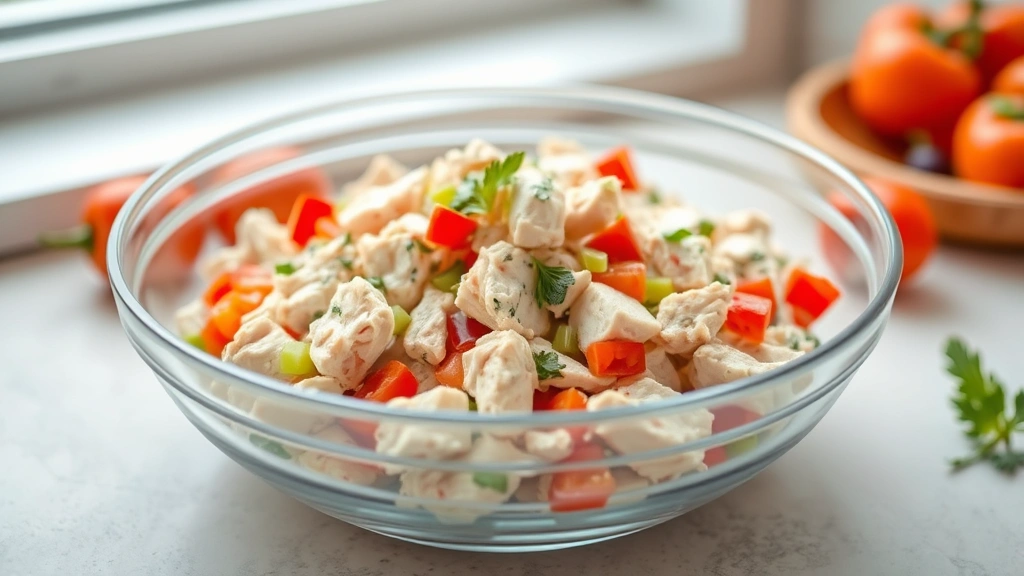
Chicken salad represents one of the most versatile and nutrient-dense meal options available to health-conscious consumers. Whether you’re preparing a quick lunch or planning a comprehensive healthy nutrition plan, understanding the nutritional composition of chicken salad empowers you to make informed dietary choices. This dish combines lean protein with fresh vegetables and healthy fats, creating a balanced meal that supports various wellness goals.
The beauty of chicken salad lies in its customizable nature. Traditional recipes pair grilled or poached chicken breast with crisp vegetables, herbs, and a binding agent like mayonnaise or Greek yogurt. However, the nutritional profile varies significantly based on preparation methods, ingredient ratios, and dressing choices. Registered dietitians consistently recommend chicken salad as a smart protein option for weight management, muscle recovery, and sustained energy throughout the day.
This comprehensive guide examines the detailed nutrition facts of chicken salad, explores how different ingredients impact overall macronutrient and micronutrient content, and provides evidence-based insights from nutrition professionals. Whether you’re tracking calories, monitoring sodium intake, or optimizing protein consumption, this analysis covers everything you need to know about incorporating chicken salad into your dietary routine.
Chicken Salad Base Nutrition Profile
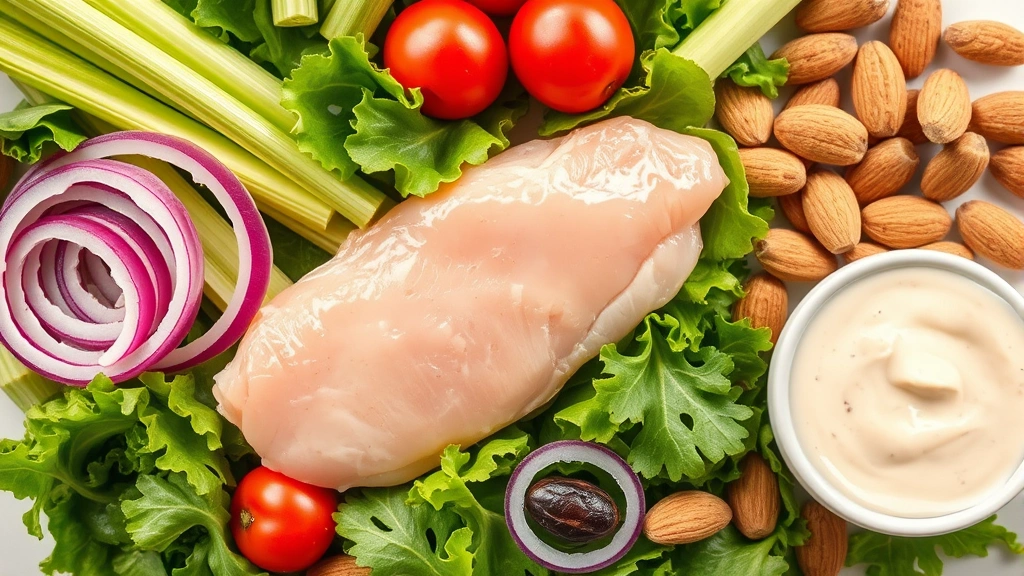
A standard serving of chicken salad (approximately 150 grams or one cup) containing three ounces of boneless, skinless chicken breast mixed with typical salad vegetables and a moderate amount of mayonnaise-based dressing provides approximately 280-320 calories. This caloric range makes chicken salad suitable for various dietary goals, from weight loss initiatives to maintenance plans. The foundation of chicken salad nutrition begins with understanding the base ingredients and their individual contributions to the overall nutritional composition.
The primary ingredient—chicken breast—contributes the majority of calories while delivering exceptional protein density. When prepared without skin, chicken breast contains minimal fat while maximizing amino acid content. A three-ounce serving of cooked boneless, skinless chicken breast provides roughly 26 grams of protein, making it one of the leanest protein sources available. The remaining calories in a typical chicken salad come from supporting ingredients like mayonnaise, celery, onions, and any additional binding agents or seasonings incorporated into the recipe.
Dietitians emphasize that the preparation method significantly influences nutritional outcomes. Poaching chicken in broth or grilling without added oils preserves the lean protein benefits while maintaining moisture and flavor. Roasting or baking with minimal oil also preserves nutritional integrity. The choice between white meat and dark meat chicken also impacts the nutritional profile; dark meat contains slightly more calories and fat but provides enhanced mineral content including iron and zinc. Most traditional chicken salad recipes prioritize white meat for its lower fat content and neutral flavor profile.
Protein Content and Muscle Building Benefits
Chicken salad stands out as an exceptional protein source, delivering complete amino acids essential for muscle synthesis, tissue repair, and metabolic function. A typical serving provides 20-28 grams of protein depending on the chicken-to-other-ingredients ratio. This protein content positions chicken salad as an ideal post-workout meal for individuals engaged in resistance training or athletic activities. The complete amino acid profile ensures all nine essential amino acids necessary for human physiology are present in adequate quantities.
Protein quality in chicken salad ranks exceptionally high on the PDCAAS (Protein Digestibility Corrected Amino Acid Score), achieving a perfect score of 1.0. This means the body can utilize virtually all protein consumed from chicken salad with minimal waste. For individuals following nutrition-focused dietary approaches, chicken salad provides superior protein bioavailability compared to plant-based alternatives alone. The leucine content in chicken, a branched-chain amino acid crucial for muscle protein synthesis, makes this dish particularly valuable for aging adults seeking to maintain muscle mass and prevent sarcopenia.
Research published in the American Journal of Clinical Nutrition demonstrates that consuming adequate poultry protein throughout the day supports sustained satiety and reduces overall caloric intake. Chicken salad’s protein density means individuals feel fuller longer, reducing the likelihood of between-meal snacking or overeating at subsequent meals. This satiety effect proves particularly valuable for individuals managing weight or implementing caloric deficits for fat loss. The thermic effect of protein—the energy required to digest and process protein—also means chicken salad contributes to slightly elevated metabolic expenditure compared to meals with lower protein content.
Fat Composition and Heart Health Considerations
The fat content in chicken salad depends heavily on dressing choice and preparation methods. A mayo-based chicken salad typically contains 12-18 grams of total fat per serving, with approximately 2-3 grams derived from saturated fat. This composition remains within recommended daily saturated fat limits for most individuals, particularly when chicken salad comprises one component of a balanced daily diet. Understanding the distinction between different fat types proves essential for making heart-healthy choices.
Mayonnaise, the traditional binding agent, contains predominantly unsaturated fats derived from soybean oil or other vegetable sources. These unsaturated fats support cardiovascular health, reduce inflammation, and promote proper cell membrane function. However, commercial mayonnaise also contains omega-6 polyunsaturated fats in relatively high concentrations. While omega-6 fats are essential, optimal health requires balance with omega-3 fatty acids. Individuals concerned about omega-6 to omega-3 ratios might consider Greek yogurt-based dressings or oil-and-vinegar alternatives.
The saturated fat content from mayonnaise and chicken skin (if included) remains modest compared to other prepared salads containing cheese, nuts, or cream-based dressings. Dietitians generally approve of traditional chicken salad as heart-healthy when portion sizes remain reasonable. A comprehensive guide to eating well for life typically includes chicken salad as a recommended protein option for cardiovascular wellness. The American Heart Association recognizes poultry as a preferred protein source, and chicken salad preparations align with these recommendations when prepared with mindful ingredient selection.
For individuals implementing a low-fat diet or managing specific health conditions like pancreatitis, modifying fat content becomes necessary. Using Greek yogurt, cottage cheese, or silken tofu as mayo replacements reduces fat to 3-5 grams per serving while maintaining creamy texture and satisfying mouthfeel. These modifications preserve protein content while reducing overall caloric density, making such variations suitable for weight loss phases.
Carbohydrates and Fiber Impact
Chicken salad’s carbohydrate content varies significantly based on vegetable selections and any added sweetening agents. A vegetable-forward preparation containing celery, bell peppers, red onions, and fresh herbs typically contains 8-12 grams of carbohydrates per serving. The majority of these carbohydrates come from vegetables, which provide fiber, vitamins, and phytonutrients alongside carbohydrate calories. The glycemic index of chicken salad remains relatively low due to protein and fat content slowing carbohydrate absorption.
Fiber content in chicken salad depends on vegetable variety and quantity. A salad incorporating finely chopped celery, diced bell peppers, and shredded carrots provides 2-3 grams of dietary fiber per serving. This fiber supports digestive health, promotes beneficial gut bacteria, and contributes to sustained energy levels throughout the day. For individuals managing blood sugar levels or following low-carbohydrate dietary approaches, the carbohydrate-to-fiber ratio in vegetable-forward chicken salad remains favorable.
Some recipes incorporate sweetening agents like dried cranberries, apple pieces, or honey into chicken salad, significantly increasing sugar content and carbohydrate density. A single serving of sweetened chicken salad may contain 15-25 grams of carbohydrates, with 8-12 grams derived from added sugars. Dietitians recommend limiting such additions or selecting fruit options with lower sugar concentrations like berries or melon. For individuals managing diabetes or prediabetes, traditional unsweetened chicken salad provides better blood sugar stability.
Essential Vitamins and Minerals
Chicken provides significant quantities of B vitamins essential for energy metabolism and nervous system function. A three-ounce serving of chicken breast delivers approximately 0.85 milligrams of niacin, supporting cellular energy production and DNA repair. Vitamin B6 content reaches 0.88 milligrams per serving, facilitating amino acid metabolism and neurotransmitter synthesis. Pantothenic acid and riboflavin also contribute to the B vitamin profile, supporting overall metabolic efficiency.
The vegetable components of chicken salad contribute additional micronutrients that might be overlooked. Celery provides potassium for cardiovascular health and electrolyte balance, while bell peppers deliver substantial vitamin C content supporting immune function and collagen synthesis. Red onions contribute quercetin, a flavonoid antioxidant with anti-inflammatory properties. Lettuce or mixed greens provide folate, essential for cell division and DNA synthesis, particularly important for women of childbearing age.
Mineral content includes selenium, phosphorus, and zinc from chicken, all supporting immune function, bone health, and metabolic processes. Selenium acts as a cofactor for glutathione peroxidase, a crucial antioxidant enzyme protecting cells from oxidative damage. A serving of chicken salad provides approximately 22 micrograms of selenium, contributing substantially toward the recommended daily intake of 55 micrograms. For individuals concerned with how to improve nutrient absorption, the fat content in mayonnaise-based dressing actually enhances absorption of fat-soluble vitamins from vegetables like vitamin A and E.
Dressing Variations and Caloric Impact
The dressing selection fundamentally transforms chicken salad’s nutritional profile. Traditional mayonnaise-based dressings contribute 150-180 calories and 16-18 grams of fat per two-tablespoon serving. When incorporated into a full salad preparation, dressing typically comprises 30-40% of total calories. Switching from full-fat mayonnaise to light mayonnaise reduces calories by 30-50% while maintaining similar texture and flavor satisfaction.
Greek yogurt-based dressings offer a protein-boosting alternative, adding 2-3 grams of additional protein per serving while reducing fat to 8-10 grams and calories to 100-120 per two-tablespoon serving. This modification appeals to individuals prioritizing protein intake or managing caloric budgets. The tangy flavor profile of Greek yogurt complements chicken salad while adding probiotic cultures supporting digestive health. A 50/50 blend of mayonnaise and Greek yogurt provides compromise between traditional flavor and nutritional optimization.
Oil-and-vinegar dressings represent another alternative, typically containing 120-140 calories and 14 grams of fat per two-tablespoon serving. While comparable in caloric density to mayonnaise, oil-based dressings provide omega-3 fatty acids when prepared with flaxseed oil or walnut oil. Vinegar itself offers potential metabolic benefits; research suggests acetic acid in vinegar may improve insulin sensitivity and support satiety. Some individuals prepare vinaigrette-style dressings using minimal oil (one tablespoon) combined with three tablespoons vinegar, mustard, and herbs, reducing caloric impact to 45-60 calories per serving.
Avocado-based dressings provide another creative option, incorporating healthy monounsaturated fats while adding creaminess without traditional mayonnaise. Blending ripe avocado with lime juice, cilantro, and garlic creates a nutrient-dense dressing supporting heart health and nutrient absorption. Such preparations typically contain 120-150 calories per serving but deliver additional potassium, fiber, and phytonutrients compared to traditional mayonnaise options.
Healthy Add-Ins and Ingredient Swaps
Customizing chicken salad with strategic ingredient additions enhances both nutritional value and flavor complexity. Nuts like almonds, walnuts, or pecans add crunch while providing additional protein, healthy fats, and minerals. A quarter-cup serving of sliced almonds contributes 206 calories, 7.6 grams of protein, 18 grams of fat, and exceptional vitamin E content. Walnuts provide omega-3 alpha-linolenic acid, supporting cardiovascular and cognitive health. However, portion control proves essential; nuts are calorie-dense, and excessive quantities rapidly increase total caloric intake.
Seeds including sunflower seeds, pumpkin seeds, and hemp seeds offer similar nutritional benefits with different micronutrient profiles. Pumpkin seeds contribute zinc for immune function and wound healing, while sunflower seeds provide vitamin E and selenium. A tablespoon of hemp seeds adds 3 grams of complete protein alongside omega-3 and omega-6 fatty acids in optimal ratios. These additions transform chicken salad from a simple protein dish into a comprehensive nutritional powerhouse.
Incorporating diverse vegetables extends micronutrient diversity beyond traditional celery and onion combinations. Shredded purple cabbage adds anthocyanins, powerful antioxidants supporting cardiovascular health and cognitive function. Diced cucumber provides hydration and silica for skin and connective tissue health. Roasted beets add earthiness alongside betalains, unique antioxidants with anti-inflammatory properties. Cherry tomatoes contribute lycopene, particularly concentrated in the skin, supporting prostate health in men and cardiovascular health broadly.
Herb additions like fresh dill, tarragon, parsley, and cilantro provide flavor complexity while adding phytonutrients and volatile compounds supporting digestive function. Fresh dill contains compounds supporting bone health and blood sugar regulation. Cilantro provides potential heavy metal detoxification support, though research remains preliminary. These herbs contain minimal calories while maximizing flavor satisfaction, reducing the temptation to add excessive dressing for palatability.
For individuals following specialized diets, ingredient swaps accommodate various needs. Dairy-free individuals substitute Greek yogurt with coconut yogurt or cashew cream. Those managing sodium intake reduce or eliminate salt while increasing herbs and spices for flavor complexity. Individuals with nut allergies substitute seeds for nuts or incorporate additional vegetables and legumes. A chickpea-enhanced chicken salad adds fiber and additional plant-based protein, creating a more substantial meal suitable for vegetarian modifications.
Comparison With Other Protein Salads
Comparing chicken salad nutritionally with alternative protein salad options illuminates its relative advantages. Tuna salad, prepared similarly with mayonnaise dressing, provides comparable calories (280-320 per serving) while delivering omega-3 fatty acids from fish oil. However, mercury content in some tuna varieties presents concerns for certain populations, particularly pregnant women and young children. Chicken salad offers comparable protein density without mercury concerns, making it preferable for frequent consumption.
Egg salad typically contains higher fat and cholesterol content due to whole egg inclusion, delivering 350-400 calories per serving. While eggs provide exceptional micronutrient density including choline for cognitive health, their higher saturated fat content makes chicken salad preferable for individuals managing cholesterol levels. However, egg salad provides superior lutein and zeaxanthin content, carotenoids supporting eye health, making occasional incorporation valuable for comprehensive nutrition.
Plant-based protein salads using legumes, tofu, or tempeh provide valuable alternatives for vegetarian individuals or those seeking dietary diversity. Chickpea salad typically contains 200-280 calories per serving with similar protein content (15-20 grams) while delivering substantially more fiber (6-8 grams). The lower fat content reduces satiety compared to mayo-based chicken salad, though adding nuts or seeds addresses this concern. Tofu salad provides complete protein with minimal saturated fat, though less protein density per serving compared to chicken.
Comparing across nutritional dimensions, chicken salad occupies a favorable middle ground: higher protein density than most plant-based options, lower mercury concerns than seafood alternatives, superior micronutrient variety compared to simple egg salad, and greater convenience than many legume-based preparations. This positioning explains chicken salad’s enduring popularity among dietitians and health-conscious consumers seeking practical nutrition solutions. Incorporating chicken salad into tips for meal planning strategies provides reliable protein while supporting nutritional variety across the week.
FAQ
How many calories are in a typical serving of chicken salad?
A standard one-cup serving of traditional chicken salad prepared with three ounces of boneless, skinless chicken breast and mayonnaise-based dressing contains approximately 280-320 calories. This varies based on dressing quantity and ingredient selections; Greek yogurt versions may contain 240-280 calories, while sweetened varieties might reach 350-400 calories per serving.
Is chicken salad suitable for weight loss diets?
Yes, chicken salad can support weight loss when prepared mindfully. The high protein content promotes satiety, reducing overall caloric intake throughout the day. Using Greek yogurt or light mayonnaise, maximizing vegetable content, and controlling portion sizes to one to one-and-a-half cups per serving creates a satisfying meal within typical weight loss caloric targets of 1,200-1,800 calories daily.
What’s the best dressing option for chicken salad?
The optimal dressing depends on individual goals and preferences. Greek yogurt-based dressings maximize protein while minimizing calories, making them ideal for weight loss. Traditional mayonnaise provides superior satiety through fat content. Oil-and-vinegar options support cardiovascular health through unsaturated fat profiles. Experimenting with combinations of these options accommodates various nutritional priorities while maintaining flavor satisfaction.
Can chicken salad be prepared ahead for meal prep?
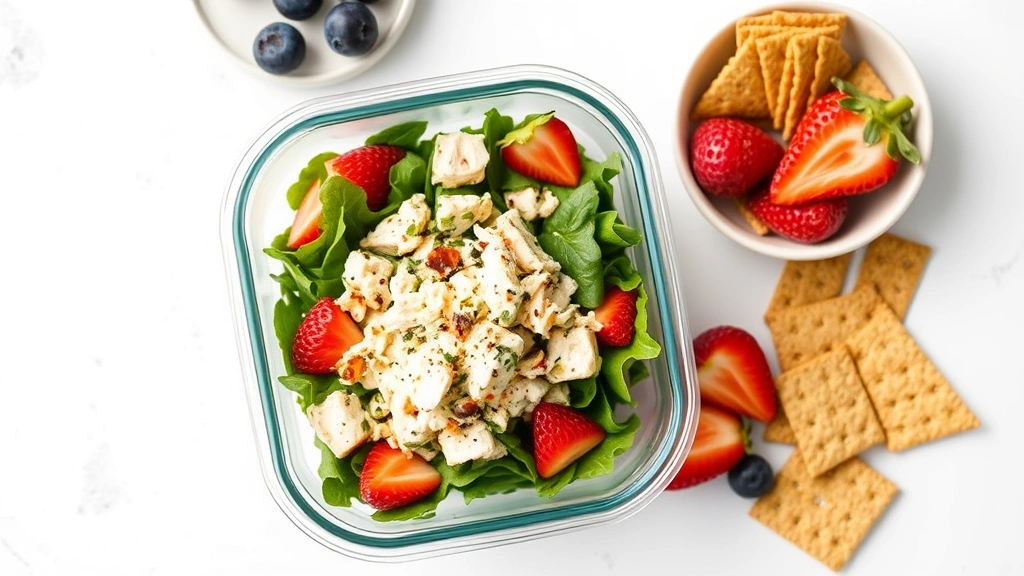
Yes, chicken salad stores well for 3-4 days when prepared with cooked chicken and kept in airtight containers. However, separating dressing from the salad base extends freshness and prevents sogginess. Preparing undressed chicken salad and adding dressing immediately before consumption maintains optimal texture and flavor. Vegetables like celery and bell peppers maintain crispness better than softer options like tomatoes when stored without dressing.
How does chicken salad compare nutritionally to other lunch options?
Compared to sandwich-based lunches, chicken salad provides superior protein density and lower refined carbohydrate content. A turkey sandwich on whole wheat bread provides 400-500 calories with 20-25 grams of protein but 45-50 grams of carbohydrates. Chicken salad delivers comparable protein in fewer calories with substantially lower carbohydrate content, supporting sustained energy and blood sugar stability. Compared to pasta salads or grain-based bowls, chicken salad provides superior protein-to-carbohydrate ratios.
Are there sodium concerns with chicken salad?
Sodium content depends on ingredient preparation methods. Homemade chicken salad using unsalted chicken and minimal salt typically contains 300-500 milligrams of sodium per serving, well within recommended daily limits of 2,300 milligrams. Commercial preparations may contain 800-1,200 milligrams due to salt in mayonnaise and added seasonings. Individuals managing hypertension should prepare chicken salad at home using fresh ingredients and taste-adjusted seasoning.


