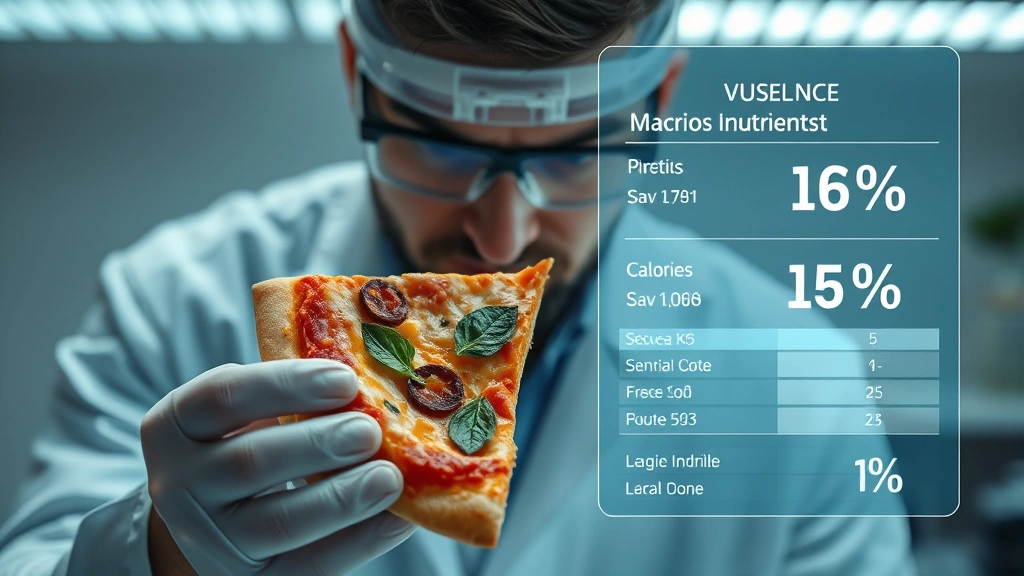
Costco Cheese Pizza: Dietitian’s Nutritional Breakdown
Costco’s food court has become a cultural institution, with the $1.50 cheese pizza holding legendary status among shoppers. For decades, this iconic offering has remained virtually unchanged—a testament to Costco’s commitment to member value. However, as a registered dietitian, I’m often asked about the nutritional implications of regular consumption. This breakdown examines the macronutrients, micronutrients, and health considerations surrounding this beloved warehouse staple.
Understanding what you’re consuming is the first step toward making informed dietary choices. Whether you grab a slice during your monthly shopping trip or enjoy it as an occasional treat, knowing the nutritional profile helps you integrate it into a balanced eating pattern. Let’s dissect this pizza slice by slice, examining both its nutritional content and practical dietary implications.
Nutritional Profile Overview
A single slice of Costco cheese pizza (one-quarter of an 18-inch pizza) contains approximately 680 calories, 36 grams of fat, 70 grams of carbohydrates, and 30 grams of protein. These figures represent substantial macronutrient contributions that warrant careful consideration within daily dietary allowances. For context, this single slice represents roughly one-third of the recommended daily caloric intake for many adults.
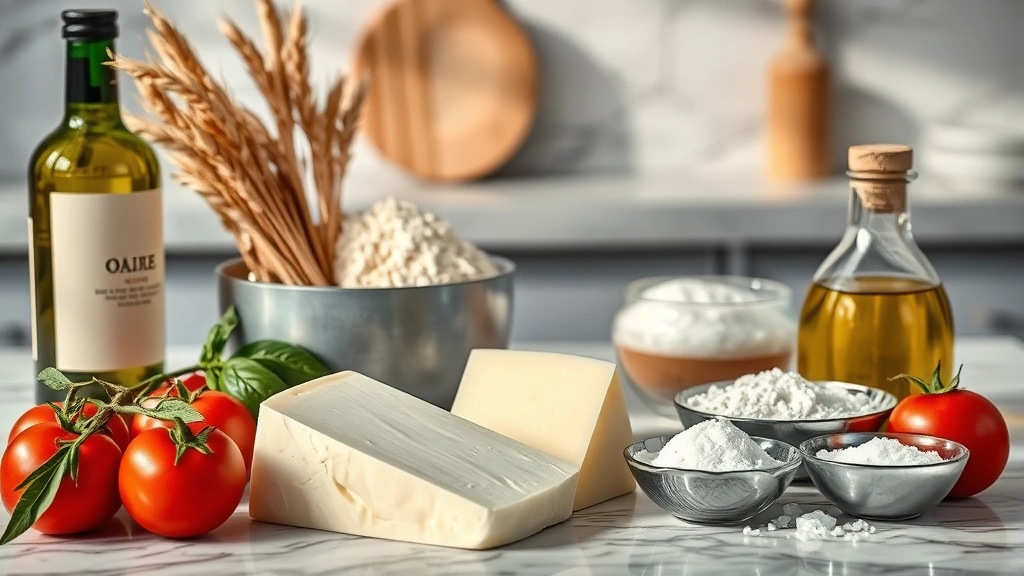
The pizza’s composition reflects traditional Italian-American pizza construction: a yeast-based dough foundation, tomato sauce, and a generous layer of mozzarella cheese. Costco’s commitment to quality ingredients means the cheese is real dairy mozzarella rather than processed cheese product, which carries both nutritional advantages and considerations. The straightforward ingredient list—flour, water, salt, yeast, tomato, and cheese—contains no artificial additives or preservatives, distinguishing it from many commercial frozen pizza alternatives.
According to nutritional analysis from health media sources, warehouse pizza generally ranks favorably compared to delivery chains due to ingredient quality and portion transparency. However, the absolute nutrient density requires context within comprehensive dietary planning. Understanding your nutrition facts label helps you make informed decisions about portion sizes and frequency.
Caloric Content and Energy Density
At 680 calories per slice, Costco cheese pizza represents a significant energy contribution to any meal. For a 2,000-calorie daily diet, this single slice accounts for 34 percent of daily energy intake. The caloric density stems primarily from the combination of refined carbohydrates (dough) and dietary fat (cheese and oil-based sauce). This energy concentration means portion control becomes essential for weight management goals.
The pizza’s caloric load is distributed across macronutrients in a pattern that differs from traditional nutritional recommendations. Standard dietary guidelines suggest a 40-30-30 split (carbohydrates-protein-fat), while Costco cheese pizza delivers approximately 41 percent carbohydrates, 18 percent protein, and 48 percent fat. This fat-forward profile reflects the prominent cheese component and oil content in the dough and sauce preparation.
Energy density—calories per unit weight—is notably high for pizza compared to whole foods. A single slice weighs approximately 300 grams but delivers calories equivalent to much smaller portions of whole fruits, vegetables, or lean proteins. This distinction matters for satiety considerations. Research on healthy nutrition planning emphasizes that calorie-dense foods require mindful portion strategies to avoid unintended overconsumption.
Macronutrient Breakdown
Carbohydrates (70 grams): The pizza dough provides most carbohydrate content, consisting primarily of refined wheat flour. Approximately 4 grams of dietary fiber appears in each slice, leaving 66 grams of net carbohydrates. This refined carbohydrate profile means rapid glucose absorption and potential blood sugar spikes, particularly for individuals with insulin sensitivity concerns or diabetes management. The dough contains minimal whole grains, limiting micronutrient benefits typically associated with whole grain products.
Protein (30 grams): Mozzarella cheese serves as the primary protein source, contributing approximately 25-28 grams. This represents high-quality complete protein containing all essential amino acids. The remaining protein derives from flour gluten and small amounts in tomato sauce. While 30 grams of protein per slice supports muscle maintenance and satiety, the context matters—consuming this protein with 36 grams of fat alters absorption and metabolic processing.
Fat (36 grams): The fat profile merits careful examination. Mozzarella cheese contributes approximately 25-28 grams of fat, predominantly saturated fat (around 14-16 grams per slice). The dough preparation adds additional fat through oil incorporation, contributing roughly 8-10 grams. Saturated fat comprises approximately 40-45 percent of total fat content, which exceeds optimal recommendations for cardiovascular health. The remaining fat consists of monounsaturated and polyunsaturated varieties with neutral to beneficial health profiles.
Understanding macronutrient distribution helps contextualize how pizza fits within comprehensive nutrition care processes. A dietitian can help you determine appropriate portion sizes and frequency based on individual health goals, activity level, and metabolic considerations.
” alt=”Nutritional analysis display showing macronutrient breakdown percentages and micronutrient content for pizza components”>
Sodium and Cardiovascular Health
Perhaps the most significant nutritional concern with Costco cheese pizza involves sodium content. A single slice contains approximately 1,500-1,600 milligrams of sodium, representing 65-70 percent of the American Heart Association’s recommended daily intake of 2,300 milligrams. This concentration stems from salt in the dough, cheese, and tomato sauce—each component contributing substantial sodium for flavor preservation and food safety.
The sodium density creates particular concerns for individuals managing hypertension, cardiovascular disease, or chronic kidney disease. Consuming two slices exceeds the entire day’s recommended sodium allowance, which becomes problematic given that most packaged foods contain hidden sodium. The cumulative effect of consuming pizza alongside other processed foods can easily exceed safe sodium thresholds.
Research from the American Heart Association demonstrates clear correlations between elevated sodium intake and elevated blood pressure, particularly among sodium-sensitive populations including older adults, African Americans, and those with existing hypertension. For individuals with these risk factors, Costco cheese pizza should be an occasional indulgence rather than regular consumption.
Balancing sodium-containing foods requires strategic meal planning. If consuming pizza, pairing it with potassium-rich vegetables and limiting sodium at other meals that day helps maintain electrolyte balance. Drinking adequate water supports kidney function in processing excess sodium.
Micronutrients and Fortification
While Costco cheese pizza excels in macronutrient contribution, micronutrient density remains limited. The enriched wheat flour provides added B vitamins (thiamine, riboflavin, niacin, and folic acid) and iron, supporting energy metabolism and oxygen transport. Mozzarella contributes calcium (approximately 400-450 mg per slice) and phosphorus, supporting bone health. These minerals represent meaningful contributions to daily requirements.
However, the pizza lacks significant amounts of many essential micronutrients. Vitamin A content is minimal, with only small amounts from tomato lycopene. Vitamin C is largely absent, as tomato processing reduces heat-sensitive vitamin content. Magnesium, zinc, and selenium appear in trace amounts insufficient for substantial daily contribution. This micronutrient limitation reflects the pizza’s status as a processed food rather than a whole-food-based meal.
The tomato sauce does provide lycopene, a carotenoid with antioxidant properties. Research suggests lycopene may support cardiovascular health and reduce certain cancer risks, though bioavailability from processed tomato products is modest. The olive oil in dough preparation provides polyphenols and vitamin E, contributing minor antioxidant benefits.
To address micronutrient gaps, pairing pizza with vegetable-rich sides becomes important. Adding a large salad, vegetable soup, or raw vegetable platter significantly enhances the meal’s nutritional profile. This strategy addresses the pizza’s limitations while maintaining portion control of the higher-calorie component. Learn more about dietary fiber importance in comprehensive nutrition planning.
Dietary Integration Strategies
For individuals seeking to enjoy Costco cheese pizza while maintaining health goals, strategic integration becomes essential. Rather than viewing pizza as a meal requiring compensation, consider it a component within balanced eating patterns. A practical approach involves consuming one slice with substantial vegetable accompaniments, limiting total pizza consumption to no more than once monthly, and monitoring sodium intake throughout the remainder of that day.
Portion Control Approaches: Eating pizza slowly, chewing thoroughly, and pairing with water or unsweetened beverages enhances satiety signals. The high fat and protein content supports prolonged fullness, but the refined carbohydrates may trigger rapid hunger return. Consuming pizza with a protein source (Greek yogurt, nuts, or lean protein from another meal component) stabilizes blood sugar response.
Frequency Recommendations: For individuals without specific health conditions, consuming Costco cheese pizza 2-4 times annually poses minimal health risk. Those managing hypertension, cardiovascular disease, obesity, or diabetes should limit consumption to 2-3 times yearly or eliminate it entirely. Individual tolerance varies based on overall dietary patterns, activity level, and metabolic health.
Customization Options: While Costco doesn’t offer extensive modifications, requesting extra tomato sauce and reduced cheese (if available) decreases fat and sodium content. Some members prepare modified versions at home using Costco dough while controlling cheese quantity and sodium.
Understanding your personal nutrition pathway through assessment with qualified dietitians helps determine appropriate pizza consumption frequency based on individual health markers, goals, and preferences.
Comparison with Commercial Alternatives
Comparing Costco cheese pizza to other commercial pizza options reveals relative advantages in ingredient quality and sodium moderation. Chain restaurant pizzas (Domino’s, Papa John’s, Pizza Hut) typically contain 50-100 mg more sodium per slice and higher levels of artificial additives. Frozen supermarket pizzas often exceed Costco’s caloric and fat content while utilizing processed cheese products rather than whole mozzarella.
However, artisanal pizzerias using traditional techniques and fresh ingredients may offer nutritionally superior options despite higher cost. Hand-tossed dough with extended fermentation improves nutrient bioavailability and digestibility. Fresh vegetable toppings increase micronutrient density substantially. The trade-off involves significantly higher price per slice and reduced convenience.
Homemade pizza using whole wheat flour, reduced cheese quantity, and abundant vegetable toppings provides optimal nutritional control. This approach requires time investment but allows precise macronutrient and micronutrient customization. For individuals with specific dietary restrictions or health conditions, homemade preparation becomes particularly valuable.
From a practical standpoint, Costco cheese pizza occupies a middle position: superior to mass-market frozen and chain restaurant alternatives, but inferior to fresh artisanal or homemade preparations. The $1.50 price point and convenience factor make it attractive for budget-conscious consumers, provided consumption remains appropriately limited.
Research from nutrition epidemiology studies demonstrates that occasional consumption of moderately processed foods poses minimal health risk within balanced dietary patterns, supporting the feasibility of including Costco pizza without compromising health goals.

” alt=”Fresh ingredients including mozzarella cheese, tomatoes, and wheat flour arranged on a kitchen counter for pizza preparation”>
FAQ
How many calories are in a Costco cheese pizza slice?
A single slice (one-quarter of an 18-inch pizza) contains approximately 680 calories. This represents about one-third of a standard 2,000-calorie daily diet, making portion awareness essential for weight management.
Is Costco cheese pizza suitable for weight loss diets?
While occasional consumption can fit within weight loss plans, the high caloric density and refined carbohydrate content make it suboptimal as a regular choice. Pairing single slices with substantial vegetable portions and limiting frequency to 2-4 times yearly supports weight management compatibility.
How much sodium does Costco pizza contain?
One slice contains 1,500-1,600 mg of sodium, representing 65-70% of daily recommendations. This high concentration makes it problematic for individuals managing hypertension or cardiovascular disease.
Can people with diabetes eat Costco cheese pizza?
Individuals with diabetes can consume pizza occasionally with careful blood sugar monitoring. The 70 grams of carbohydrates per slice, predominantly refined carbohydrates, will elevate blood glucose. Pairing with protein, fat, and fiber sources helps moderate glycemic response. Consultation with a diabetes care team is recommended.
What’s the protein content per slice?
Each slice provides approximately 30 grams of protein, primarily from mozzarella cheese. This represents substantial complete protein, though consumed alongside significant fat content.
How does Costco pizza compare nutritionally to homemade pizza?
Homemade pizza allows greater nutritional control through whole grain flour, reduced cheese quantity, and abundant vegetable toppings. While Costco pizza offers convenience and value, homemade versions typically provide superior micronutrient density and customizable macronutrient ratios.
Is the cheese in Costco pizza real dairy?
Yes, Costco uses genuine mozzarella cheese rather than processed cheese product. This provides higher quality protein and eliminates artificial additives, though it contributes significant saturated fat content.
How often can I safely eat Costco cheese pizza?
For individuals without specific health conditions, 2-4 times yearly poses minimal risk. Those managing hypertension, cardiovascular disease, or obesity should limit consumption to 2-3 times yearly or consult healthcare providers for personalized recommendations.


