
Costco Pizza Nutrition: Dietitian’s Honest Review
Costco’s food court pizza has become an American institution. For decades, members have enjoyed a slice (or two) after shopping, and the price point—famously kept at $1.50 since 1983—makes it an accessible indulgence. But what’s actually in that slice? As a registered dietitian nutritionist, I’ve analyzed the nutritional breakdown of Costco pizza extensively, and the findings reveal a complex picture that deserves honest examination. This review cuts through marketing claims and provides evidence-based insights into whether Costco pizza fits your dietary goals.
Understanding the nutrition profile of popular foods like Costco pizza matters because these items often become dietary staples, especially for busy professionals and families. The sheer volume of Costco pizza consumed annually—the company serves approximately 100 million pizza slices per year—means that individual nutritional choices aggregate into significant public health implications. This deep dive examines calories, macronutrients, micronutrients, sodium content, and practical strategies for making informed decisions about this beloved food court favorite.
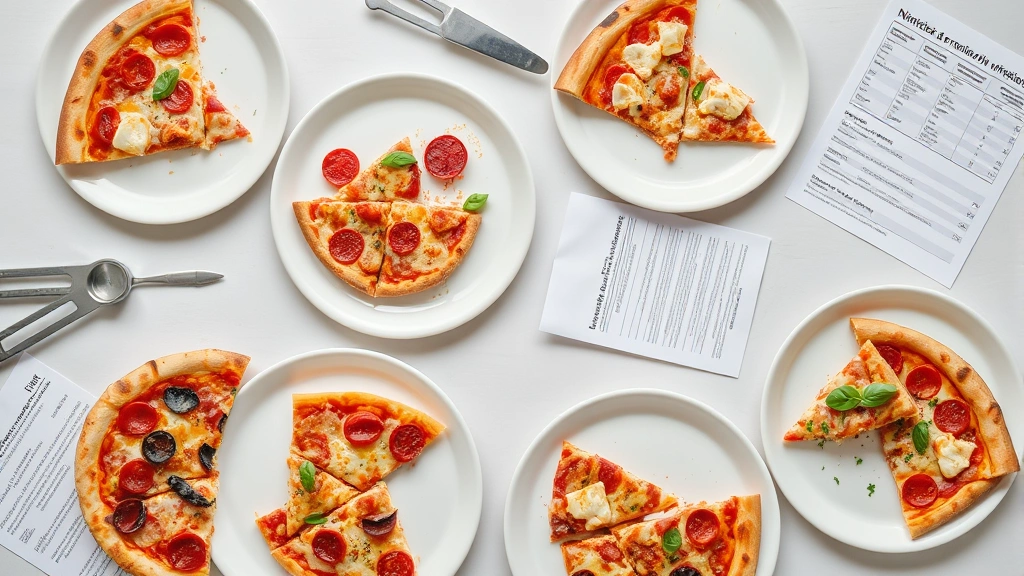
Complete Nutritional Breakdown Per Slice
A single slice of Costco cheese pizza (which represents 1/4 of an 18-inch pie) contains approximately 680 calories, making it one of the more calorie-dense pizza options available at major retailers. The breakdown includes roughly 36 grams of carbohydrates, 36 grams of fat, and 28 grams of protein. These macronutrient ratios reflect a food that’s relatively balanced in terms of macro-distribution, though the fat content warrants closer examination.
The fat composition deserves particular attention. Of the 36 grams of total fat per slice, approximately 14 grams come from saturated fat, which represents roughly 70% of the daily recommended intake for a 2,000-calorie diet. This single slice alone approaches the upper limit of saturated fat recommendations established by the American Heart Association, which suggests limiting saturated fat to 5-6% of daily calories. For context, research published in the American Heart Association’s circulation journals consistently links excessive saturated fat intake with elevated LDL cholesterol and increased cardiovascular risk.
The carbohydrate content of 36 grams per slice comes primarily from refined wheat flour in the crust, with minimal fiber contribution. The glycemic load of a Costco pizza slice is relatively high, meaning it causes rapid blood sugar elevation. For individuals managing diabetes or prediabetes, this represents a significant consideration when planning meal composition.
Sodium content reaches approximately 1,500 milligrams per slice, which is particularly striking. The American Heart Association recommends no more than 2,300 milligrams of sodium daily, with an ideal limit of 1,500 milligrams for optimal heart health. A single pizza slice represents 65-100% of recommended daily sodium intake depending on individual health parameters. This sodium concentration comes from multiple sources: the cheese, the processed meat toppings (pepperoni or sausage on specialty pizzas), the sauce, and the dough itself.
When examining micronutrient content, Costco pizza does provide meaningful amounts of calcium (approximately 400 milligrams per slice, largely from cheese) and some iron from the flour enrichment process. However, the micronutrient density remains relatively low compared to whole foods, and the bioavailability of these minerals may be reduced due to the high fat and sodium content interfering with absorption.

Caloric Content and Portion Reality
The psychological and practical reality of Costco pizza consumption differs substantially from the nutritional label. While the label indicates 680 calories per slice, actual consumption patterns reveal important variations. Most consumers don’t stop at one slice—the average Costco food court visitor consumes 1.5-2 slices per visit, which translates to 1,020-1,360 calories in a single meal. This single meal represents 50-68% of daily caloric needs for average adults, leaving minimal caloric budget for other meals and snacks.
This caloric density becomes particularly problematic when considering the context of shopping behavior. Costco members typically spend 30-60 minutes shopping, expending minimal calories during this time. The post-shopping pizza meal often serves as a reward or convenience food rather than a planned nutritional component of daily intake. Research from the CDC’s nutrition surveillance programs demonstrates that unplanned food consumption and reward-based eating patterns contribute significantly to excess calorie intake and weight gain.
The portion size itself reflects portion inflation trends documented extensively in nutrition epidemiology research. The 18-inch Costco pizza, when divided into four slices, creates slices substantially larger than standard pizza portions from restaurants or frozen products. Each slice measures approximately 4.5-5 inches in width, with crust thickness of about 0.5 inches. This substantial size encourages consumption of larger quantities than consumers might otherwise eat.
For individuals following specific caloric targets—whether for weight loss, weight maintenance, or athletic performance—the Costco pizza slice represents a significant commitment of daily caloric allowance. Someone following a 1,500-calorie weight loss diet would use 45% of their daily allowance on a single slice. For athletes pursuing body composition goals, this demands careful integration into overall nutrition planning, which we discuss in our nutrition for athletes guide.
Sodium and Heart Health Concerns
The sodium content of Costco pizza represents perhaps the most significant health concern from a population health perspective. At 1,500 milligrams per slice, the sodium concentration reflects processed food manufacturing standards that prioritize shelf stability and flavor enhancement over cardiovascular health optimization. This sodium load creates several physiological effects worth understanding.
Excessive sodium intake triggers fluid retention through osmotic mechanisms, increasing blood volume and subsequently elevating blood pressure. For individuals with hypertension, sodium sensitivity, or family histories of cardiovascular disease, this acute sodium load can produce measurable blood pressure elevation within hours of consumption. Chronic high sodium intake from repeated pizza consumption accelerates arterial stiffness and endothelial dysfunction, independent of blood pressure effects.
The interaction between high sodium intake and other dietary factors in Costco pizza amplifies cardiovascular risk. The saturated fat content impairs endothelial function, while the refined carbohydrates promote inflammation. Together, these components create a dietary pattern that epidemiological research associates with increased myocardial infarction and stroke risk. A comprehensive analysis from the New England Journal of Medicine’s nutrition research archives demonstrates that ultra-processed foods high in sodium, saturated fat, and refined carbohydrates account for a substantial proportion of preventable cardiovascular disease burden globally.
For individuals following a healthy nutrition plan, sodium management requires particular attention. The sodium in a single Costco pizza slice essentially eliminates flexibility for other sodium-containing foods throughout that day. This rigidity makes regular pizza consumption incompatible with medically-supervised low-sodium diets for heart failure, hypertension, or chronic kidney disease patients.
An important consideration: the sodium content doesn’t reflect added salt that consumers can taste. Rather, it’s incorporated into ingredients throughout the pizza components. The mozzarella cheese alone contributes approximately 500 milligrams per slice, while the crust adds another 400-500 milligrams. This “hidden” sodium makes it difficult for consumers to adjust intake through simple modifications like reducing added toppings.
Protein Quality and Macronutrient Balance
The 28 grams of protein per slice appears substantial on the surface, but protein quality analysis reveals important limitations. Approximately 20 grams derives from cheese (casein and whey proteins), while 8 grams comes from the wheat flour crust. This distribution creates a complete amino acid profile, meaning all nine essential amino acids are present in adequate proportions for protein synthesis.
However, the biological value and digestibility of these proteins differ meaningfully from whole food sources. The casein protein in cheese undergoes heat processing during pizza preparation, potentially reducing some amino acid bioavailability. The gluten-containing wheat proteins in the crust have lower biological value than animal proteins from meat sources. For individuals pursuing muscle protein synthesis goals—such as those engaged in resistance training—the protein quality of Costco pizza is adequate but not optimal compared to chicken breast, Greek yogurt, or egg-based protein sources.
The macronutrient ratio of Costco pizza (approximately 21% protein, 47% fat, 21% carbohydrate calories) skews toward fat relative to most nutrition guidelines. The National Academies of Sciences, Engineering, and Medicine recommends 10-35% of calories from protein, 20-35% from fat, and 45-65% from carbohydrates for optimal health. Costco pizza’s 47% fat calories—with 35% coming from saturated and trans fats—exceeds these guidelines substantially.
This macronutrient composition creates challenges for satiety and blood sugar management. The high fat content delays gastric emptying, potentially creating a false sense of fullness despite the substantial caloric load. Conversely, the refined carbohydrates elevate blood glucose rapidly, triggering insulin secretion and subsequent energy crashes within 2-3 hours of consumption. This pattern promotes subsequent snacking and overeating, creating a metabolic cycle that supports weight gain.
For athletes and active individuals, the macronutrient ratio of Costco pizza is suboptimal for post-workout recovery. Research in sports nutrition demonstrates that post-exercise meals should emphasize carbohydrate and protein with minimal fat to optimize glycogen repletion and muscle protein synthesis. A Costco pizza slice’s 47% fat calories actually impairs these recovery processes by slowing carbohydrate absorption and amino acid utilization.
Fiber, Micronutrients, and Whole Grains
One of the most significant nutritional deficiencies in Costco pizza is fiber content. A single slice contains approximately 2 grams of fiber, which represents only 8% of the recommended daily intake. This low fiber content reflects the use of refined wheat flour rather than whole grain flour in the crust. The milling process that creates refined flour removes the bran and germ layers—the components containing most dietary fiber, B vitamins, and minerals.
The absence of significant fiber creates multiple nutritional consequences. Fiber plays crucial roles in blood sugar regulation, cholesterol metabolism, and gut microbiome health. The rapid glucose absorption from refined carbohydrates in pizza crust, untempered by fiber’s soluble fraction, promotes glycemic spikes that increase type 2 diabetes risk with chronic consumption. Research from the Harvard School of Public Health’s Nutrition Source demonstrates that refined grain consumption is independently associated with increased cardiovascular disease risk, separate from weight gain effects.
Regarding micronutrients, Costco pizza provides meaningful quantities of several minerals through cheese and fortified flour, but the nutrient density remains modest. A single slice provides approximately 40% of daily calcium needs (beneficial for bone health), but this comes packaged with 14 grams of saturated fat and 1,500 milligrams of sodium. The cheese also contains vitamin A and some B vitamins from fortification, though quantities don’t represent exceptional micronutrient contribution relative to caloric content.
The absence of vegetables in standard Costco cheese pizza represents another nutritional limitation. Vegetables provide phytonutrients, antioxidants, additional fiber, and micronutrient density that pizza crust and cheese cannot supply. While specialty pizzas with vegetable toppings are available, they typically increase sodium content further through additional processed ingredients. A vegetable-forward diet, as discussed in our nutrition care process framework, emphasizes plant foods that Costco pizza largely omits.
For consumers seeking to optimize micronutrient intake, Costco pizza consumption displaces opportunities to consume whole grains, legumes, vegetables, and fruits that provide superior micronutrient density. The 680 calories in a single slice could instead provide multiple servings of nutrient-dense whole foods that support long-term health outcomes.
Comparison with Other Pizza Options
Understanding Costco pizza’s nutritional profile gains clarity through comparison with alternative pizza sources. A standard slice of frozen pizza (such as DiGiorno or Tombstone) typically contains 250-350 calories, with substantially lower sodium (600-900 milligrams) and saturated fat (4-7 grams). While frozen pizzas aren’t nutritional gold standards, they represent more moderate portions and lower nutrient density per calorie consumed.
Traditional pizzeria pizza varies widely but often falls between Costco and frozen pizza in nutritional metrics. A thin-crust pepperoni slice from a traditional pizzeria typically provides 280-350 calories with 700-1,000 milligrams sodium. The key difference is portion size: traditional pizza slices are substantially smaller than Costco’s oversized portions. New York-style pizza slices average 2.5-3 inches in width, compared to Costco’s 4.5-5 inches.
Cauliflower crust pizza alternatives have emerged as lower-carbohydrate options, typically providing 200-300 calories per slice with 15-20 grams carbohydrates compared to Costco’s 36 grams. However, cauliflower crust pizzas often maintain similarly high sodium levels and may contain additional additives to achieve texture comparable to traditional dough.
Homemade pizza prepared with whole wheat flour, reduced-sodium cheese, vegetable toppings, and controlled portion sizes represents the nutritional optimum. Homemade versions can achieve similar satisfaction with 400-500 calories per slice, 800-1,000 milligrams sodium, and substantially higher fiber and micronutrient content. This approach aligns with the principles outlined in our nutrition facts label generator, allowing consumers to understand exactly what they’re consuming.
For individuals seeking pizza satisfaction within specific nutritional constraints, understanding these comparisons enables informed decision-making. The choice between Costco pizza, alternative commercial options, and homemade preparations should reflect individual health goals, dietary patterns, and frequency of consumption.
Practical Strategies for Healthier Choices
For individuals who enjoy Costco pizza and wish to incorporate it into balanced nutrition plans, several practical strategies optimize health outcomes. First, portion control through intentional planning prevents mindless overconsumption. Rather than purchasing pizza on impulse after shopping, plan pizza consumption as a specific meal component. Pair a single slice with substantial vegetable-based sides—a large salad with vinaigrette dressing, steamed broccoli, or vegetable soup. This strategy increases meal volume and satiety while adding fiber, vitamins, and minerals that pizza alone lacks.
Second, frequency modulation represents a realistic approach for pizza-loving individuals. Rather than eliminating Costco pizza entirely, limiting consumption to once monthly or once every six weeks reduces sodium and saturated fat exposure while preserving the enjoyment of an occasional indulgence. This pattern aligns with the “80/20” nutrition principle—maintaining nutritious eating patterns 80% of the time allows flexibility for preferred foods 20% of the time without compromising long-term health outcomes.
Third, beverage selection significantly impacts the overall nutritional profile of pizza meals. Pairing Costco pizza with water, unsweetened tea, or sparkling water avoids additional sodium and sugar from conventional beverages. Avoiding sugary drinks prevents compounding the blood sugar disruption from refined carbohydrates in the pizza crust.
Fourth, topping modifications can modestly improve nutritional quality. Requesting extra vegetables (peppers, onions, mushrooms) adds fiber and micronutrients while increasing satiety. However, note that Costco’s food court offers limited customization compared to traditional pizzerias. Even specialty pizzas at Costco maintain elevated sodium levels due to ingredient processing.
Fifth, meal timing optimization positions pizza consumption strategically within daily nutrition. Consuming pizza as a lunch meal rather than dinner allows more time for physical activity post-consumption, improving glucose utilization and reducing blood sugar elevation. Timing pizza after resistance training provides carbohydrates for glycogen repletion, making the macronutrient composition more appropriate for recovery nutrition.
Finally, health monitoring through regular blood pressure checks and lipid panels helps individuals understand their personal response to regular pizza consumption. Some individuals demonstrate significant sodium sensitivity with blood pressure elevation following high-sodium meals, while others show minimal response. Genetic factors, kidney function, and overall dietary patterns influence individual responses to Costco pizza’s nutritional profile.
FAQ
How many calories are in a Costco pizza slice?
A single slice of Costco cheese pizza contains approximately 680 calories. This represents roughly one-third of a typical 2,000-calorie daily diet. Most consumers eat 1-2 slices per visit, consuming 680-1,360 calories in a single meal.
Is Costco pizza high in sodium?
Yes, significantly. Each slice contains approximately 1,500 milligrams of sodium, which represents 65-100% of recommended daily intake. This sodium concentration comes from cheese, processed ingredients, sauce, and dough. For individuals managing hypertension or on sodium-restricted diets, Costco pizza is not recommended.
What’s the protein content in Costco pizza?
Each slice provides 28 grams of protein, primarily from cheese (casein and whey) and wheat flour. While this protein amount is substantial, the protein quality is moderate compared to whole food sources like chicken or fish. The protein is balanced with high fat content (36 grams per slice).
Can I eat Costco pizza if I’m trying to lose weight?
Occasional Costco pizza consumption can fit into weight loss plans when incorporated thoughtfully. A single slice (680 calories) can represent a reasonable meal within a calorie-controlled diet, particularly when paired with vegetable sides that increase volume without substantial calories. However, regular consumption makes weight loss more challenging due to the high caloric density and minimal satiety per calorie.
How does Costco pizza compare nutritionally to other pizza options?
Costco pizza slices are substantially larger and more calorie-dense than traditional pizzeria slices or frozen pizza. A typical traditional pizza slice contains 280-350 calories with smaller portions. Frozen pizza offers 250-350 calories per slice. Cauliflower crust alternatives provide lower carbohydrates (15-20g vs 36g) but maintain similar sodium levels. Homemade pizza with whole grains and vegetables represents the nutritional optimum.
Is the saturated fat in Costco pizza concerning?
The 14 grams of saturated fat per slice is substantial, representing 70% of recommended daily intake in a single serving. Saturated fat intake above these levels is associated with elevated LDL cholesterol and increased cardiovascular disease risk. For individuals with existing cardiovascular disease, family history of heart disease, or elevated cholesterol, limiting Costco pizza consumption is advisable.
What’s the fiber content of Costco pizza?
Costco pizza contains approximately 2 grams of fiber per slice, which is low. This reflects the use of refined wheat flour rather than whole grain flour. The low fiber content contributes to rapid blood sugar elevation and provides minimal support for digestive health. Pairing pizza with high-fiber vegetable sides helps address this nutritional gap.
Can I make healthier pizza at home?
Absolutely. Homemade pizza using whole wheat flour, reduced-sodium cheese, vegetable toppings, and controlled portion sizes can achieve 400-500 calories per slice with substantially lower sodium (800-1,000mg) and higher fiber content. This approach provides greater nutritional control and flexibility compared to commercial options.


