Dried Cranberries: Healthy Snack? Expert Insights on Nutrition and Benefits
Dried cranberries have become a staple in health-conscious pantries, celebrated as a convenient superfood option that delivers concentrated nutrition in every handful. Yet behind their tart-sweet appeal lies a complex nutritional profile that deserves closer examination. Are they truly the health powerhouse they’re marketed to be, or do their added sugars and processing methods tell a different story? This comprehensive analysis explores the scientific evidence, expert perspectives, and practical considerations that define dried cranberries’ place in a balanced diet.
The cranberry itself has ancient roots in Native American cuisine and traditional medicine, valued for its unique phytochemical composition. When transformed into dried form, these berries undergo significant changes in concentration, water content, and sugar density that fundamentally alter their nutritional impact. Understanding these transformations is essential for consumers seeking to make informed dietary choices and maximize health benefits from their snacking habits.
Dried Cranberries Nutrition Profile: What You’re Actually Eating
A typical serving of dried cranberries—approximately one-quarter cup or 40 grams—contains roughly 140 calories, making them a calorie-dense snack compared to their fresh counterparts. This concentration of calories stems from the dehydration process, which removes water while retaining carbohydrates, fats, and proteins in a smaller physical volume. The macronutrient breakdown reveals that dried cranberries are predominantly carbohydrate-based, with minimal protein and fat content.
The carbohydrate composition deserves particular attention. A quarter-cup serving contains approximately 33 grams of carbohydrates, with roughly 28 grams deriving from simple sugars. This sugar density represents one of the most significant nutritional considerations, as it differs markedly from fresh cranberries, which contain substantially less sugar per serving due to their higher water content. Additionally, dried cranberries provide about 2 grams of dietary fiber, contributing to the importance of dietary fiber for your health and supporting digestive function.
Micronutrient analysis reveals that dried cranberries offer modest quantities of vitamin C, vitamin K, and various B vitamins, though processing may diminish some heat-sensitive nutrients. They also contain manganese, an essential mineral supporting bone health and metabolic function. However, the micronutrient density per calorie is considerably lower than fresh cranberries or other nutrient-dense snack options, making portion control particularly important for maximizing nutritional value without excessive calorie consumption.
Antioxidants and Health Benefits: Understanding the Science
The most compelling nutritional argument for dried cranberries centers on their remarkable antioxidant content, particularly their concentration of polyphenolic compounds. Cranberries contain proanthocyanidins (PACs), a specific class of polyphenols that have garnered significant scientific attention for their potential health-protective properties. Research published through peer-reviewed scientific institutions demonstrates that these compounds possess powerful free-radical scavenging capabilities, potentially reducing oxidative stress throughout the body.
The drying process actually concentrates these beneficial compounds, making dried cranberries particularly rich in antioxidants per unit weight. Studies examining the antioxidant capacity of cranberry products consistently rank them among the most potent sources of polyphenols available in the American food supply. This concentration means that even modest portions of dried cranberries can deliver meaningful quantities of these protective compounds, supporting cellular health and potentially reducing inflammation-related disease risk.
Beyond antioxidants, dried cranberries contain other bioactive compounds including flavonoids and organic acids that contribute to their potential health benefits. These compounds work synergistically to support various physiological processes, from immune function to vascular health. However, it’s important to note that while laboratory and animal studies show promise, human clinical trials examining the direct health impacts of dried cranberry consumption remain limited, and more research is needed to establish definitive therapeutic benefits.
Sugar Content and Processing Concerns: The Critical Consideration
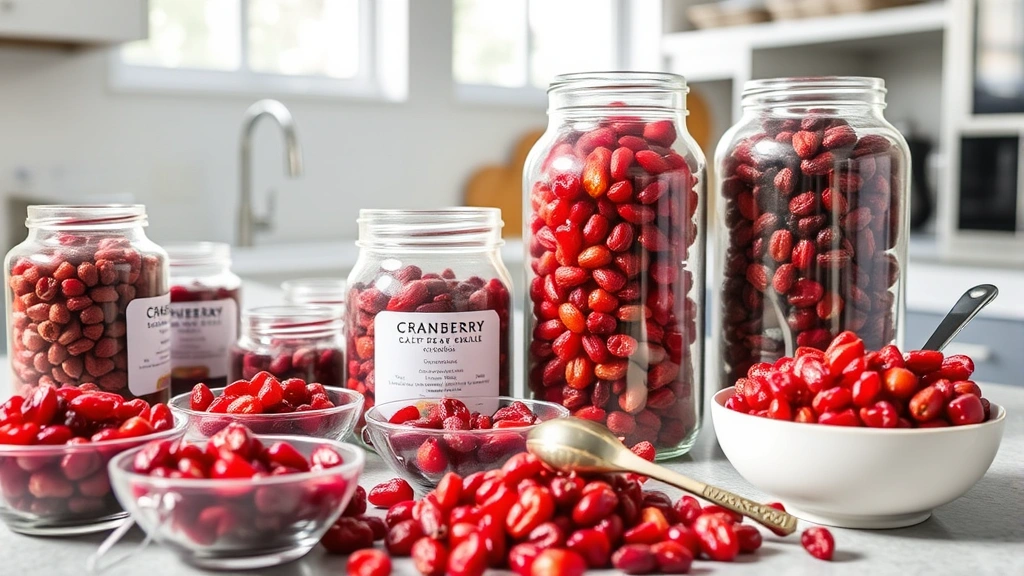
The most significant nutritional challenge with dried cranberries involves their elevated sugar content, which typically results from both natural fruit sugars concentrated during dehydration and added sugars incorporated during processing. Most commercial dried cranberries contain added sweeteners—commonly sugar, cane juice, or corn syrup—that substantially increase their glycemic impact beyond what natural fruit composition would provide. This addition transforms dried cranberries from a relatively modest sugar source into a confection-adjacent product nutritionally.
The glycemic load of dried cranberries warrants careful consideration, particularly for individuals managing blood sugar levels, including those with diabetes or prediabetes. A quarter-cup serving can deliver 25-30 grams of sugar, representing approximately 50-60% of the recommended daily sugar intake according to American Heart Association guidelines. For context, this sugar load approximates that found in a standard chocolate candy bar, yet dried cranberries are often consumed without the same awareness of their sweetness contribution.
Processing methods significantly impact the final nutritional profile. While some manufacturers produce unsweetened dried cranberries, these represent a minority of commercial products and often feature a more astringent taste that limits consumer appeal. The conventional sweetening process serves multiple functions: enhancing palatability, extending shelf life, and masking the natural tartness of cranberries. However, this processing fundamentally alters the product’s health profile, shifting it from a nutrient-dense snack toward a treat that should be consumed with greater moderation and dietary awareness.
Additionally, the processing environment and preservation methods can affect nutrient retention. Heat-based drying processes may reduce certain heat-sensitive vitamins, while the addition of oils or other preservation agents introduces additional components worth considering. Understanding these processing details helps consumers make informed choices about whether dried cranberries align with their specific health objectives and dietary philosophies.
Fiber Content and Digestive Health: Supporting Gut Function
Dried cranberries contribute meaningful fiber to the diet, with approximately 2 grams per quarter-cup serving. This fiber content supports digestive health by promoting regular bowel movements, feeding beneficial gut bacteria, and maintaining stable blood sugar levels. The fiber in cranberries consists of both soluble and insoluble types, each offering distinct digestive benefits. Soluble fiber helps regulate cholesterol and glucose absorption, while insoluble fiber promotes intestinal movement and overall digestive tract health.
When incorporated into a healthy nutrition plan as a guide to eating well for life, dried cranberries can contribute to meeting daily fiber recommendations, which typically range from 25-35 grams daily for adults. However, the relatively modest fiber content per serving means that dried cranberries should be viewed as a supplementary fiber source rather than a primary contributor. Pairing dried cranberries with high-fiber foods like nuts, seeds, or whole grains can amplify their digestive benefits while moderating their sugar impact through the synergistic effect of fiber slowing sugar absorption.
The prebiotic properties of cranberry fiber deserve particular mention. Certain fiber components in cranberries may selectively stimulate the growth of beneficial bacteria species, supporting microbiome diversity and function. A healthy microbiome correlates with improved digestion, enhanced immune function, and even mental health outcomes, connecting dried cranberry consumption to broader wellness through the gut-brain axis. This connection underscores the importance of viewing dried cranberries as part of an integrated dietary approach rather than an isolated nutritional intervention.
Heart and Urinary Tract Health: Evidence-Based Benefits
Cranberries have long held a reputation for supporting urinary tract health, and dried cranberries retain many of the bioactive compounds responsible for this benefit. The proanthocyanidins present in cranberries work by preventing bacterial adhesion to urinary tract epithelial cells, reducing the likelihood of urinary tract infections. While most research has focused on cranberry juice, whole cranberry products including dried forms contain sufficient PAC concentrations to potentially offer similar protective effects, though the evidence remains more robust for juice formulations.
Beyond urinary health, emerging research suggests that dried cranberries may support cardiovascular function through multiple mechanisms. The polyphenolic compounds in cranberries have demonstrated potential to improve endothelial function, reduce blood pressure, and enhance lipid profiles in various studies. These cardiovascular benefits align with dried cranberries’ incorporation into heart-healthy dietary patterns, though they should not be viewed as a substitute for established cardiovascular interventions like exercise, sodium reduction, and comprehensive dietary modification.
The connection between cranberry consumption and cardiovascular health extends to their anti-inflammatory properties. Chronic inflammation represents a significant risk factor for heart disease, and the antioxidants in dried cranberries may help mitigate inflammatory markers. However, it’s crucial to recognize that these benefits emerge most consistently when cranberries are consumed as part of a comprehensive healthy dietary pattern rather than as an isolated intervention. The nutrition and mental health connection showing how your diet impacts your brain extends to cardiovascular function as well, with dietary patterns supporting brain health typically benefiting heart health through similar mechanisms.
Comparison with Fresh Cranberries: Processing Implications
Fresh cranberries present a nutritional contrast worth examining. A cup of fresh cranberries contains only about 46 calories and 12 grams of carbohydrates, with minimal added sugars. This dramatically lower calorie and sugar density reflects the water content comprising approximately 85-90% of fresh cranberries’ weight. However, fresh cranberries’ astringent taste and limited availability outside autumn months make them impractical for year-round consumption, explaining dried cranberries’ popularity despite their higher sugar concentration.
The antioxidant content differs between fresh and dried forms in ways that complicate direct comparison. While drying concentrates polyphenolic compounds per unit weight, some beneficial compounds may be lost during processing, particularly heat-sensitive vitamins. Fresh cranberries retain their full complement of vitamin C and other heat-labile nutrients, though these exist in lower absolute quantities due to water dilution. For antioxidant benefit, dried cranberries deliver more polyphenols per serving, but for overall micronutrient density, fresh cranberries provide superior nutritional value when available.
Practical considerations often favor dried cranberries for convenience and shelf stability. They require no refrigeration, integrate easily into various dishes and snack combinations, and provide consistent availability throughout the year. This accessibility can make dried cranberries a more realistic dietary inclusion for many consumers compared to seasonally-limited fresh alternatives. The key distinction lies in recognizing that dried cranberries represent a processed food requiring greater portion awareness and sugar consciousness, whereas fresh cranberries function as a whole food with minimal processing intervention.
Portion Guidelines and Recommendations: Maximizing Benefits
Optimal dried cranberry consumption depends on individual health status, dietary goals, and overall nutrition context. For generally healthy individuals without blood sugar concerns, a quarter-cup serving (40 grams) consumed 2-3 times weekly provides meaningful antioxidant benefits while maintaining reasonable sugar and calorie intake. This portion size delivers approximately 140 calories and 25-30 grams of sugar, representing a balanced contribution to daily totals without excessive sweetness concentration.
Individuals managing weight, blood sugar, or metabolic conditions should consider more conservative portions, potentially limiting dried cranberries to 2-3 tablespoons (approximately 20 grams) per serving or restricting consumption to occasional rather than regular use. These individuals benefit from prioritizing unsweetened dried cranberries when available, though even unsweetened varieties contain concentrated natural sugars requiring portion awareness. Pairing dried cranberries with protein-rich foods like nuts or seeds moderates their glycemic impact through protein and fat slowing sugar absorption.
Athletes and individuals following high-energy expenditure lifestyles can accommodate larger portions of dried cranberries due to their elevated caloric needs and typically superior insulin sensitivity. In these contexts, dried cranberries function as an efficient carbohydrate source supporting energy replenishment and recovery. However, even for athletes, the sugar concentration warrants awareness, particularly if dried cranberries are consumed as part of broader carbohydrate strategies. Consulting nutrition for athletes optimizing performance through diet resources can help individuals develop personalized strategies integrating dried cranberries into training nutrition plans.
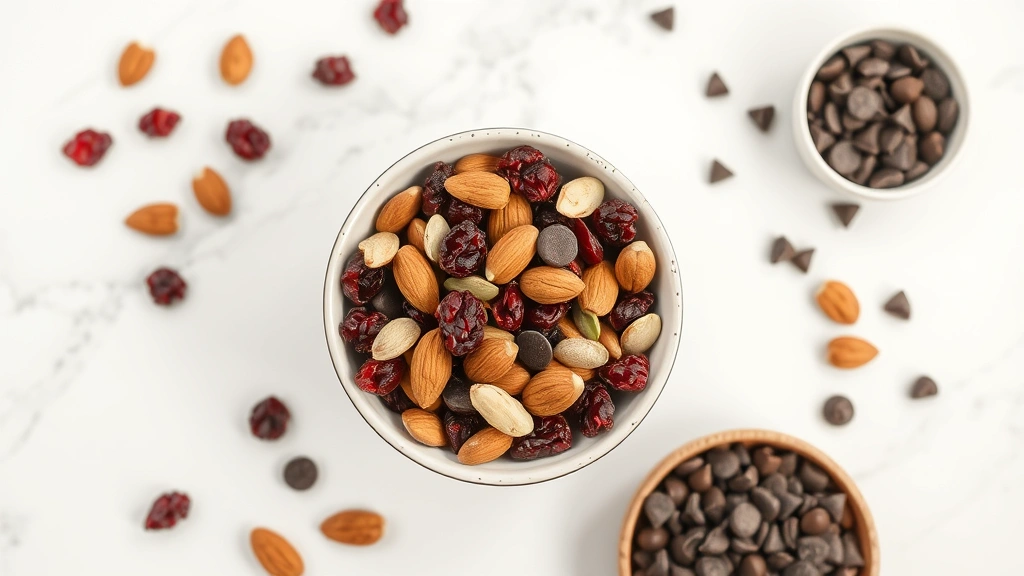
Strategic consumption timing can maximize dried cranberry benefits. Consuming them with meals rather than as isolated snacks moderates their glycemic impact through the buffering effect of accompanying foods. Mid-morning or afternoon consumption provides sustained energy without interfering with evening blood sugar stability. Incorporating dried cranberries into trail mixes with nuts and seeds, mixing them into yogurt with whole grains, or adding them to salads creates balanced combinations that leverage their antioxidant benefits while mitigating sugar concerns through complementary nutrient contributions.
FAQ
Are dried cranberries actually healthy, or are they just candy?
Dried cranberries occupy a middle ground—they’re neither purely candy nor a superfood. They contain genuine antioxidant compounds and fiber supporting health, but their added sugars and calorie density require conscious portioning. Their health value depends entirely on consumption context and individual dietary goals. Unsweetened varieties offer better nutritional profiles than sweetened commercial products.
How much sugar is in dried cranberries compared to other snacks?
A quarter-cup of dried cranberries contains 25-30 grams of sugar, comparable to chocolate candy bars or sugary cereals. This concentration reflects both natural fruit sugars and added sweeteners. For comparison, fresh cranberries contain only about 4 grams of sugar per cup due to their high water content. Unsweetened dried cranberries contain somewhat less added sugar but still retain concentrated natural sugars.
Can dried cranberries help prevent urinary tract infections?
Research suggests potential benefits, though evidence is stronger for cranberry juice than whole cranberry products. The proanthocyanidins in dried cranberries may inhibit bacterial adhesion to urinary tract cells. However, dried cranberries should complement rather than replace medical treatment for active infections, and evidence for prevention in susceptible individuals remains mixed.
Are unsweetened dried cranberries better than sweetened versions?
Yes, unsweetened varieties contain significantly less added sugar while retaining beneficial antioxidants and fiber. However, they taste considerably more tart and prove harder to find commercially. Even unsweetened versions contain concentrated natural sugars, so portion awareness remains important. Reading labels carefully helps identify products with minimal processing and added ingredients.
How do dried cranberries fit into a nutrition information hub approach?
Dried cranberries work best as an occasional treat or strategic supplement rather than a dietary staple. They provide concentrated antioxidants and fiber supporting overall health but shouldn’t replace whole foods like fresh fruits, vegetables, nuts, and seeds. Viewing them as part of a comprehensive dietary strategy—similar to how nutrition facts about avocados fit into balanced diets—helps maintain realistic expectations about their role in health.
Can individuals with diabetes consume dried cranberries?
Individuals with diabetes should approach dried cranberries cautiously due to their high sugar concentration and glycemic load. If consuming them, extremely small portions paired with protein and fat sources help moderate blood sugar impact. Consulting healthcare providers or registered dietitians helps determine appropriate consumption levels based on individual glucose management goals and medication regimens.


