
Ensure Nutrition Facts: Expert Tips Inside
Understanding nutrition labels is one of the most powerful tools you can develop for making informed dietary choices. Whether you’re managing a specific health condition, optimizing athletic performance, or simply trying to eat better, decoding Ensure nutrition facts and similar nutritional information becomes essential. The challenge many consumers face isn’t a lack of information—it’s knowing how to interpret the data presented on product packaging and making sense of how these nutrients fit into their daily nutritional needs.
Ensure, a popular nutritional supplement brand, provides detailed nutrition facts panels that reveal much about what you’re consuming. However, reading these panels effectively requires understanding key metrics like macronutrients, micronutrients, serving sizes, and daily value percentages. This comprehensive guide will walk you through the process of ensuring you understand nutrition facts, interpret them correctly, and use this knowledge to make better dietary decisions for your health and wellness goals.
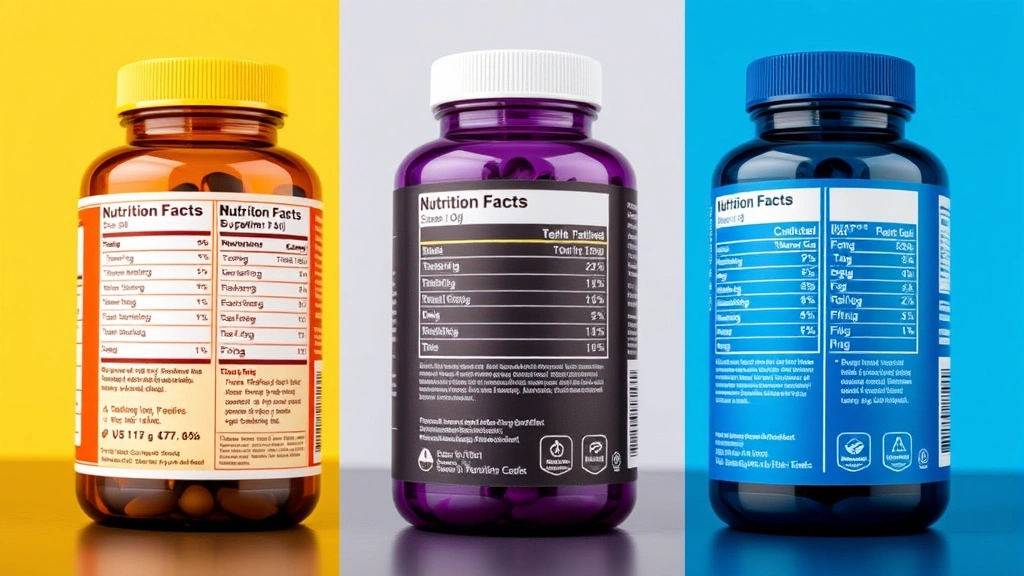
Understanding the Nutrition Facts Label Structure
The nutrition facts label is a standardized format regulated by the FDA that appears on virtually all packaged foods and beverages in the United States. The label begins with serving size information, which is perhaps the most critical element you’ll encounter. Many consumers make the mistake of assuming the entire package represents one serving, when in reality, products often contain multiple servings. This misunderstanding can lead to consuming far more calories and nutrients than intended.
The label structure follows a logical hierarchy. At the top, you’ll find the serving size in common household measurements (cups, tablespoons, pieces) followed by the number of servings per container. Below this sits the calorie information, presented prominently because it represents the energy content of one serving. The FDA redesigned nutrition labels in recent years to make calories more visible and easier to spot, recognizing that caloric intake remains a primary concern for many health-conscious consumers.
Following calories, the label breaks down total fat, saturated fat, and trans fat content. These distinctions matter significantly because different types of fats have different effects on your cardiovascular health. The label continues with cholesterol, sodium, total carbohydrates, dietary fiber, total sugars, added sugars, and protein. At the bottom, you’ll find a section listing various vitamins and minerals with their corresponding daily value percentages. Understanding this structure helps you quickly navigate to the information most relevant to your nutritional needs.
Decoding Macronutrients and Their Roles
Macronutrients—carbohydrates, proteins, and fats—form the foundation of any diet. When you’re reading Ensure nutrition facts, these three categories deserve your closest attention because they provide the bulk of your daily calories and serve distinct physiological functions.
Proteins are essential for building and repairing tissues, producing enzymes and hormones, and supporting immune function. When examining nutrition labels, look for the protein content in grams. Ensure products typically contain between 6-20 grams of protein per serving, depending on the specific product line. For most adults, the recommended dietary allowance is 0.8 grams per kilogram of body weight, though athletes and older adults may require more.
Carbohydrates provide energy for your brain and muscles. The label distinguishes between total carbohydrates, dietary fiber, and sugars. Dietary fiber deserves special attention because it supports digestive health, helps regulate blood sugar, and promotes satiety. The American Heart Association recommends that most adults consume 25-35 grams of fiber daily, yet the average American consumes significantly less. The importance of dietary fiber for your health cannot be overstated, particularly for those managing weight or blood sugar levels.
Fats support hormone production, vitamin absorption, and cellular function. The label breaks down total fat into saturated fat and trans fat. Saturated fat should comprise less than 10% of your daily calories, while trans fats should be minimized or eliminated entirely. Ensure products generally contain modest amounts of fat, with most falling between 1-9 grams per serving depending on the product formulation.
Understanding macronutrient ratios helps you assess whether a product aligns with your dietary approach. Whether you follow a low-carb, high-protein, or balanced macronutrient distribution, the nutrition facts label provides the data necessary to make informed choices that support your specific nutritional strategy.
Micronutrients and Daily Value Percentages
Micronutrients include vitamins and minerals that your body requires in smaller quantities but that remain absolutely essential for optimal health. The nutrition facts label lists daily value percentages for various micronutrients, a system designed to help consumers understand how much of their daily requirement a single serving provides.
The daily value (DV) represents the recommended daily intake for a 2,000-calorie diet. If a product lists “20% DV” for calcium, it means one serving provides 20% of the calcium an average adult should consume daily. This percentage-based system simplifies comparison across products and helps you quickly identify which foods are good sources of specific nutrients.
Key micronutrients to monitor include:
- Calcium and Vitamin D: Essential for bone health and immune function. Ensure products often fortify these nutrients, making them particularly valuable for individuals who struggle to consume adequate dairy or get sufficient sun exposure.
- Iron: Critical for oxygen transport in the blood. Plant-based iron is less easily absorbed than animal-based iron, making label reading particularly important for vegetarians and vegans.
- Vitamin B12: Crucial for neurological function and red blood cell formation. This vitamin occurs naturally only in animal products, making supplementation through fortified foods important for plant-based eaters.
- Potassium: Supports heart health and blood pressure regulation. Despite its importance, many Americans consume insufficient potassium.
- Sodium: While your body needs some sodium, excessive intake is linked to hypertension. The FDA recommends limiting sodium to less than 2,300 mg daily.
When examining Ensure products specifically, you’ll notice they’re fortified with numerous micronutrients, making them particularly useful for individuals with nutritional gaps, elderly people with reduced appetites, or those recovering from illness. The fortification strategy reflects the product’s design as a nutritional supplement rather than a whole food.
Ensure Products: Specific Nutritional Breakdown
Ensure offers multiple product lines, each with distinct nutritional profiles designed for different populations and health goals. Understanding these variations helps you select the most appropriate product for your specific needs.
Ensure Original provides balanced nutrition with approximately 220 calories, 6 grams of protein, and 9 grams of fat per 8-ounce serving. It includes 27 vitamins and minerals, making it a comprehensive nutritional supplement suitable for general nutritional support.
Ensure High Protein contains roughly 160 calories with 20 grams of protein per serving, appealing to individuals focused on muscle maintenance and satiety. The higher protein-to-calorie ratio makes this option particularly valuable for older adults at risk of sarcopenia (age-related muscle loss) and those following high-protein dietary approaches.
Ensure Plus delivers approximately 350 calories per serving with 13 grams of protein, designed for individuals requiring higher caloric intake or those struggling to maintain adequate nutrition due to poor appetite or medical conditions. The additional calories come from a balanced distribution of macronutrients rather than excess sugar.
Ensure Light offers around 70-100 calories per serving, appealing to weight-conscious consumers. Despite the reduced calories, it maintains significant micronutrient fortification, ensuring nutritional completeness despite the lighter formulation.
Each product variation demonstrates how Ensure nutrition facts differ based on intended use. Comparing these products directly reveals how manufacturers adjust macronutrient ratios and caloric density to serve different health objectives. For those interested in broader nutritional understanding, exploring nutrition facts about avocados and other whole foods provides valuable context for how Ensure supplements compare to natural food sources.
Reading Serving Sizes Accurately
Serving size misinterpretation represents one of the most common and consequential errors consumers make when reading nutrition labels. The FDA defines serving sizes based on Reference Amounts Customarily Consumed (RACC), which represent the typical amount people eat in a single occasion, not the amount they should eat.
This distinction matters enormously. A package might appear to contain 100 calories, but if the label indicates the package contains 2.5 servings, the actual caloric content is 250 calories if you consume the entire package. Similarly, a product listing 300 mg of sodium per serving becomes 600 mg if you eat two servings—a significant portion of the daily recommended maximum for sodium intake.
When examining Ensure nutrition facts, always note that most servings are listed as 8 fluid ounces. However, some Ensure products come in different package sizes. A 10-ounce bottle might represent 1.25 servings, requiring you to multiply the nutrition information by 1.25 to determine actual consumption if you drink the entire bottle.
Developing the habit of checking serving size first, before looking at any other nutrition information, protects you from accidentally consuming far more of certain nutrients than intended. This practice becomes particularly important when managing sodium intake, added sugar consumption, or caloric intake for weight management purposes.
Comparing Nutrition Facts Across Brands
The nutrition facts label’s standardized format enables meaningful comparison across different brands and products. When selecting nutritional supplements, comparing labels side-by-side reveals important differences that might influence your choice.
Consider comparing Ensure against competing products like Boost, Orgain, or store-brand nutritional supplements. Place their nutrition facts labels adjacent to each other and examine:
- Protein content per calorie: Some products prioritize protein density while others focus on balanced macronutrients. For muscle maintenance, higher protein-to-calorie ratios may be preferable.
- Sugar content: Some products rely heavily on added sugars for flavor, while others use sugar alcohols or alternative sweeteners. This difference matters significantly for individuals managing diabetes or blood sugar control.
- Micronutrient fortification: While all major brands fortify their products, the specific nutrients and their quantities vary. Some products emphasize bone health with extra calcium and vitamin D, while others focus on immune support with additional vitamins C and D.
- Allergen considerations: Comparing labels reveals which products contain common allergens like milk, soy, nuts, or gluten. This information proves critical for individuals with allergies or intolerances.
- Cost per serving: Calculating the price per serving helps you identify the most economical option without sacrificing nutritional quality.
This comparative approach transforms nutrition label reading from a passive activity into an active decision-making process. You’re not simply consuming whatever product is convenient; you’re making informed choices based on your specific nutritional priorities and health goals.
Using Nutrition Facts for Health Goals
The ultimate purpose of understanding nutrition facts extends beyond mere label comprehension. This knowledge should inform your dietary decisions in alignment with your specific health objectives. Whether you’re creating a healthy nutrition plan or managing a specific health condition, nutrition facts serve as your decision-making foundation.
For weight management: Focus on calories and macronutrients. Understanding that protein has 4 calories per gram while fat has 9 calories per gram helps you appreciate why high-protein products like Ensure High Protein might support satiety better than lower-protein alternatives. Tracking calories relative to your activity level and metabolic needs becomes feasible when you accurately read nutrition labels.
For diabetes management: Pay close attention to total carbohydrates, added sugars, and fiber content. The glycemic impact of a food depends not just on total carbohydrates but on the ratio of fiber to sugars. A product with 30 grams of carbohydrates but only 1 gram of fiber affects blood sugar differently than one with 30 grams of carbohydrates and 8 grams of fiber.
For cardiovascular health: Limit saturated fat to less than 10% of daily calories, minimize trans fats entirely, and monitor sodium intake. Ensure products generally support cardiovascular health through their controlled saturated fat content and moderate sodium levels, though this varies by product type.
For muscle maintenance: Prioritize protein intake, particularly important for older adults. How to improve digestion also matters because protein absorption depends on adequate digestive function. Ensuring adequate protein through nutrition facts-informed choices supports muscle protein synthesis and prevents age-related muscle loss.
For cognitive and mental health: Research increasingly demonstrates that nutrition and mental health are deeply connected. Micronutrients like B vitamins, omega-3 fatty acids, and minerals like zinc and magnesium support brain function. Ensure products fortified with these nutrients may support cognitive health, particularly when combined with a whole-food-based diet.
Common Mistakes When Reading Labels
Understanding common pitfalls helps you avoid misinterpretations that could undermine your nutritional goals. Many intelligent, health-conscious consumers make predictable mistakes when reading nutrition labels.
Mistake 1: Ignoring serving size. As discussed, this represents the most common error. Always read serving size first and adjust all nutrition information accordingly if you consume more or less than one serving.
Mistake 2: Confusing grams and milligrams. These units represent vastly different quantities. 1,000 milligrams equals 1 gram. A product listing 500 mg of sodium contains much less sodium than one listing 500 grams (which would be extraordinarily high).
Mistake 3: Misinterpreting “natural” or “healthy” claims. These marketing terms have minimal regulatory meaning. A product labeled “natural” might contain added sugars, while one claiming to be “healthy” might be high in sodium. The nutrition facts label provides objective information regardless of marketing claims.
Mistake 4: Assuming similar-looking products have similar nutrition. Two beverages that appear virtually identical might have significantly different nutritional profiles. Only the nutrition facts label provides accurate information.
Mistake 5: Overlooking the percent daily value context. A micronutrient listed at 5% DV might seem insignificant, but if you consume multiple servings or multiple products containing that nutrient, it accumulates. Conversely, a nutrient at 1% DV might be unimportant unless you’re specifically trying to increase that nutrient’s intake.
Mistake 6: Ignoring added sugars information. The FDA’s distinction between total sugars and added sugars helps identify products with excessive added sugars. Products with high total sugars but low added sugars (like fruit-based products) have a different nutritional profile than those with high added sugars.
Mistake 7: Not considering personal dietary needs. Daily values represent averages for a 2,000-calorie diet. Your personal needs might differ significantly based on age, sex, activity level, and health status. A nutrient at 20% DV might be excessive for your needs or insufficient, depending on your individual requirements.

FAQ
What does “daily value” mean on nutrition labels?
Daily value (DV) represents the recommended daily intake amount for a specific nutrient based on a 2,000-calorie diet. The percentage listed indicates what portion of that recommendation a single serving provides. For example, 25% DV for calcium means one serving provides one-quarter of the recommended daily calcium intake.
How do I determine if a product is high in a specific nutrient?
The FDA provides guidelines: 5% DV or less is considered low, while 20% DV or more is considered high. Using these benchmarks, you can quickly identify whether a product is a good source of particular nutrients you’re trying to increase in your diet.
Are Ensure products suitable for everyone?
Ensure products are generally safe for most people, but individuals with specific allergies, intolerances, or medical conditions should review the ingredient list and nutrition facts carefully. Those with lactose intolerance should note that most Ensure products contain milk. Always consult healthcare providers before adding nutritional supplements to your diet if you have significant health concerns.
Why do different Ensure products have different calorie counts?
Different Ensure products serve different nutritional purposes. High Protein versions prioritize protein for muscle maintenance, Original versions provide balanced nutrition, Plus versions deliver additional calories for those needing higher energy intake, and Light versions reduce calories for weight-conscious consumers. The nutrition facts reflect these different formulations.
How should I use nutrition facts to support my specific health goal?
Identify your primary nutritional objective, then use nutrition facts to guide product selection and consumption patterns. If your goal is muscle maintenance, prioritize protein content. For weight management, focus on calories and satiety-promoting nutrients like protein and fiber. For disease management, consult with healthcare providers about specific nutrient targets.
Can I rely solely on nutrition facts labels for healthy eating?
Nutrition facts labels provide essential information, but they represent only one component of healthy eating. Whole foods often provide additional benefits beyond their listed nutrients, including phytonutrients and fiber that support long-term health. Use nutrition facts labels as a tool for making informed decisions, but combine this knowledge with an overall dietary pattern emphasizing whole foods when possible.
What’s the difference between total sugars and added sugars?
Total sugars include all sugars in a product, whether naturally occurring (like those in fruit) or added during manufacturing. Added sugars represent only those sugars introduced during processing. This distinction helps identify products with excessive added sugars, which most health authorities recommend minimizing.
Understanding Ensure nutrition facts and nutrition labels generally empowers you to make informed dietary choices aligned with your health goals. By mastering the fundamentals of label reading, comparing products effectively, and applying this knowledge to your specific nutritional objectives, you transform nutrition information from confusing data into actionable guidance. Visit the Nutrients Pathway Blog for additional nutrition education and resources to support your health journey.