
How Does Evolution Affect Diet? Expert Insight into Evolutionary Nutrition
Human dietary preferences and nutritional needs didn’t emerge in a vacuum. Over millions of years, evolutionary pressures shaped not only what our ancestors could digest, but also how our bodies process, absorb, and respond to different foods. Understanding evolution nutrition means recognizing that modern dietary challenges—from obesity to nutrient deficiencies—are fundamentally rooted in the mismatch between our ancestral biology and contemporary food environments. This evolutionary perspective offers crucial insights for anyone seeking to optimize their nutrition plan or comprehend why certain foods affect our bodies differently.
The story of human evolution and diet is one of remarkable adaptation. Our digestive systems, metabolic pathways, and nutrient absorption mechanisms evolved through natural selection, shaped by the foods available in specific environments across different time periods. From the emergence of bipedalism to the agricultural revolution, each major transition in human history left its mark on our genetic code and nutritional requirements. Today’s nutritionists and evolutionary biologists increasingly recognize that returning to evidence-based eating patterns rooted in our evolutionary history can address many modern health crises.
The Evolutionary Timeline of Human Nutrition
Understanding how evolution shapes diet requires examining the timeline of human development. Our earliest ancestors, the hominins who emerged approximately 6-7 million years ago, subsisted on plant-based diets supplemented with occasional meat. However, the discovery and control of fire around 1.9 million years ago fundamentally transformed human nutrition. Cooking made proteins more bioavailable, reduced cooking time in the digestive system, and allowed our ancestors to extract more calories from less food. This technological advancement had profound evolutionary consequences: it enabled larger brain development, changed jaw structure, and altered the selective pressures on our digestive enzymes.
The shift toward greater meat consumption occurred gradually during the Pleistocene epoch. Archaeological evidence suggests that by 2.5 million years ago, early humans were actively hunting and scavenging meat. This protein-rich addition to their diet provided essential amino acids and micronutrients like iron, zinc, and B vitamins that supported increasingly complex cognitive development. The evolutionary pressure for meat consumption led to the development of more efficient digestive mechanisms and enhanced nutrient absorption capabilities. However, this wasn’t a uniform adaptation across all human populations—regional variations in available foods created diverse evolutionary paths.
Fast forward to approximately 10,000 years ago, and the agricultural revolution transformed human nutrition once again. The domestication of grains, legumes, and animals marked a dramatic shift from hunter-gatherer diets to grain-based subsistence. This transition, while enabling population growth and civilization, also introduced new nutritional challenges. Grains are less nutrient-dense than the diverse plant and animal foods our ancestors consumed, and this dietary shift coincided with documented decreases in human height, bone density, and overall health markers. Understanding this transition is essential for recognizing why our current nutrition care process must account for our evolutionary heritage.
How Ancestral Diets Shaped Modern Digestion
The foods our ancestors ate directly influenced the evolution of our digestive enzymes and metabolic pathways. Natural selection favored individuals whose bodies could efficiently process the most abundant and nutritious foods in their environment. This created a situation where modern humans carry genetic instructions optimized for ancestral diets—a phenomenon that has profound implications for contemporary nutrition science.
Consider lactase persistence, the ability to digest lactose into adulthood. In ancestral human populations, lactase production typically ceased after weaning, as is common among mammals. However, approximately 10,000 years ago, in populations that domesticated cattle, a genetic mutation spread rapidly through the gene pool. This mutation allowed continued lactase production throughout life, providing a competitive advantage in environments where dairy was abundant. Today, lactase persistence is common in Northern European and some African and Middle Eastern populations, while lactose intolerance remains prevalent in East Asian populations where dairy was never traditionally consumed. This genetic adaptation demonstrates how evolution directly shapes our ability to digest specific foods.
Similarly, our capacity to digest starch varies significantly based on ancestral diet. Humans produce salivary amylase, an enzyme that breaks down starch in the mouth and digestive tract. Populations with ancestral diets high in starch-rich foods tend to have higher copy numbers of the gene encoding amylase, enabling more efficient starch digestion. This genetic variation explains why some individuals metabolize grains and starches more efficiently than others—a difference rooted in evolutionary adaptation rather than personal choice.
The evolution of our taste receptors also reflects ancestral dietary patterns. Our preference for sweet tastes evolved because sugar was rare in ancestral environments and signaled calorie-dense foods. Similarly, our ability to detect bitter compounds helped our ancestors avoid toxic plants. In the modern food environment, where refined sugars are ubiquitous, these ancestral taste preferences become liabilities rather than advantages. This mismatch between evolved preferences and available foods represents one of the central challenges in modern nutrition.
The Agricultural Revolution and Nutritional Adaptation
The agricultural revolution represents a critical inflection point in human evolution nutrition. While it enabled civilization and population growth, it also introduced nutritional stress that our bodies hadn’t fully adapted to. Archaeological evidence reveals that the transition from hunter-gatherer to agricultural societies resulted in shorter stature, increased infectious disease, higher rates of dental cavities, and evidence of malnutrition in skeletal remains.
Grains, the foundation of agricultural societies, contain antinutrients—compounds that reduce the bioavailability of minerals. Phytic acid in grains binds to minerals like zinc, iron, and calcium, making them less available for absorption. Additionally, gluten and other grain proteins can trigger inflammatory responses in genetically susceptible individuals. While some human populations have developed partial adaptations to grain consumption over the past 10,000 years, this timeframe is relatively brief in evolutionary terms—insufficient for complete metabolic optimization.
The domestication of legumes introduced another adaptation challenge. Legumes contain lectins and saponins, antinutrients that can damage the intestinal lining and reduce nutrient absorption. Traditionally, cultures that relied heavily on legumes developed preparation methods—soaking, sprouting, fermenting—that reduce antinutrient content. However, modern processing often bypasses these techniques, potentially increasing the inflammatory burden on our digestive systems.
Corn, particularly when refined into cornmeal and corn oil, exemplifies another evolutionary nutrition problem. Corn is high in omega-6 polyunsaturated fatty acids and low in bioavailable minerals. The widespread cultivation of corn, especially in the past 100 years, has dramatically shifted the omega-6 to omega-3 ratio in human diets—a change our ancestors never experienced. This shift is implicated in increased inflammation and chronic disease prevalence, according to research from the Harvard School of Public Health.
Evolutionary Mismatch and Contemporary Diet Problems
The concept of evolutionary mismatch describes the disconnect between the environment our bodies evolved for and the environment we currently inhabit. Our digestive systems, metabolic regulations, and appetite control mechanisms evolved for conditions of food scarcity and unpredictable availability. Today, we face the opposite problem: calorie abundance and food hyperpalatable engineering.
Our ancestors experienced natural appetite regulation through physical satiety signals. Whole foods—fruits, vegetables, nuts, meat—provided fiber, protein, and fat that signaled fullness to the brain. Modern ultra-processed foods, stripped of fiber and protein but concentrated in refined carbohydrates and seed oils, bypass these satiety mechanisms. Our brains, evolved to seek calorie-dense foods in times of scarcity, become hijacked by engineered foods that provide reward signals without triggering satiation.
The leptin resistance phenomenon exemplifies evolutionary mismatch. Leptin, a hormone produced by fat cells, signals satiety to the brain. In ancestral environments, leptin resistance rarely developed because obesity was uncommon. However, in modern high-calorie environments, chronic leptin elevation can lead to leptin resistance—a condition where the brain fails to receive satiety signals despite adequate leptin production. This represents a fundamental mismatch between our evolved regulatory systems and contemporary food availability.
Additionally, our immune systems evolved in environments with high pathogenic loads. The hygiene hypothesis suggests that reduced microbial exposure in modern sanitized environments leaves our immune systems hyperactive, contributing to increased autoimmune and allergic diseases. This evolutionary mismatch affects not only which foods we tolerate but also how our bodies respond to specific nutrients. Understanding these mismatches is crucial for developing effective enteral vs parenteral nutrition strategies for individuals with compromised digestive function.
Genetic Variation in Nutritional Metabolism
Evolution didn’t create a single human nutritional template. Instead, natural selection produced remarkable genetic diversity in how different populations metabolize nutrients. This genetic variation means that optimal nutrition is not one-size-fits-all—what works for one individual may not work for another, largely due to ancestral evolutionary pressures.
The APOE gene, which codes for apolipoprotein E, demonstrates this variation. The APOE4 allele, prevalent in populations with ancestral diets high in animal products, confers advantages for cholesterol metabolism in those environments. However, APOE4 carriers show increased cardiovascular disease risk in modern diets high in refined carbohydrates and seed oils. Conversely, APOE2 carriers, more common in populations with traditionally plant-based diets, show different lipid metabolism patterns. These genetic differences mean that dietary recommendations should ideally account for individual genetic variation.
The methylenetetrahydrofolate reductase (MTHFR) gene presents another example. Variations in this gene affect how efficiently individuals convert folate into its active form, methylfolate. Populations that historically consumed high amounts of leafy greens evolved different MTHFR variants than those with limited vegetable access. Today, individuals with certain MTHFR variants may benefit from dietary folate sources or supplementation strategies tailored to their specific genetic background.
Caffeine metabolism provides a practical illustration of evolutionary nutrition genetics. The CYP1A2 gene determines caffeine metabolism speed, creating “fast” and “slow” metabolizers. This variation likely reflects ancestral exposure to caffeine-containing plants—populations in regions where coffee, tea, or yerba mate grew naturally show higher frequencies of fast-metabolism alleles. These genetic differences explain why some individuals experience sleep disruption from afternoon coffee while others sleep soundly after evening consumption.
Salt metabolism represents another evolutionarily important variation. Populations with ancestral diets low in sodium evolved more efficient sodium retention mechanisms, making them sensitive to salt intake. Conversely, populations with high ancestral salt intake developed mechanisms to excrete excess sodium. This explains why some individuals show dramatic blood pressure responses to salt reduction, while others show minimal changes. These variations underscore why personalized nutrition approaches, informed by understanding evolutionary nutrition principles, produce better outcomes than universal dietary prescriptions.

Evolutionary Nutrition and the Microbiome
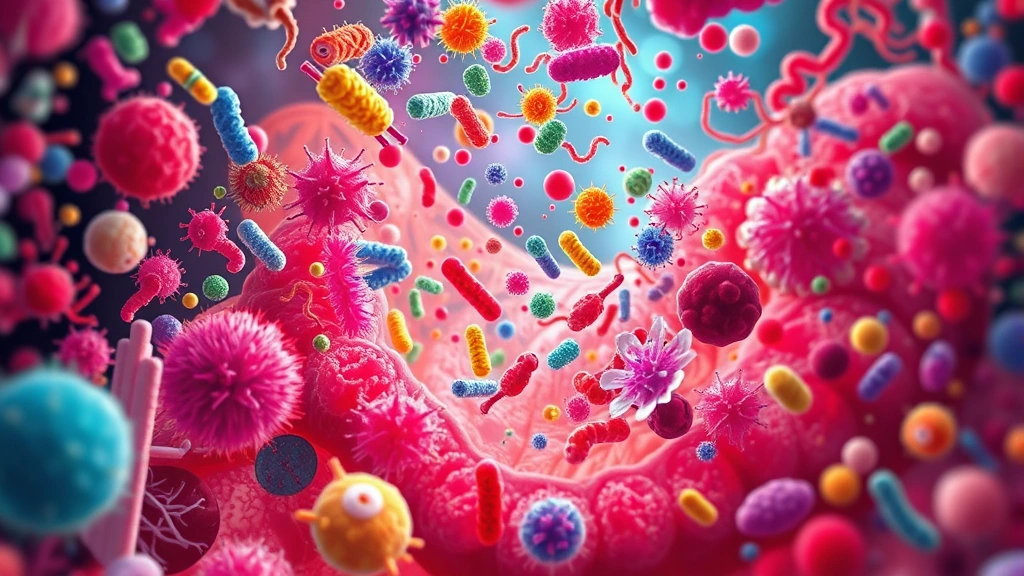
Recent research reveals that evolution shaped not only human genetics but also our relationship with microbial communities living in our digestive tract. The human microbiome—trillions of bacteria, fungi, and other microorganisms—evolved alongside human populations, adapting to the specific foods available in different environments. This evolutionary partnership between humans and microbes has profound implications for modern nutrition.
The microbiota of hunter-gatherer populations differs dramatically from modern Western microbiota. Ancestral populations showed much greater microbial diversity, with different bacterial species specialized for fermenting various plant fibers. Modern Western diets, dominated by refined grains and processed foods, support a much narrower range of microbial species. This reduced diversity is associated with increased inflammation, compromised intestinal barrier function, and increased disease susceptibility.
Dietary fiber, particularly resistant starch and insoluble fiber, serves as prebiotic food for beneficial bacteria. Our ancestors consumed 100-150 grams of fiber daily from diverse plant sources. Modern Western consumption averages 15-20 grams. This dramatic reduction starves our microbiota of the substrates they evolved to ferment, leading to dysbiosis—an imbalance in microbial communities. The short-chain fatty acids produced by bacterial fermentation of fiber—particularly butyrate—nourish intestinal cells and support immune function. Reduced fiber intake means reduced butyrate production, contributing to increased intestinal permeability and systemic inflammation.
Different human populations developed distinct microbiota compositions reflecting their ancestral diets. Populations with traditionally plant-based diets show microbiota adapted for fermenting diverse plant materials. Populations with historically high animal product consumption show different bacterial compositions optimized for protein and fat metabolism. These microbial communities represent evolutionary adaptations spanning thousands of years, and attempting to dramatically change diet without supporting microbiota transition can cause digestive distress and inflammatory responses.
The Nutrients Pathway Blog provides additional resources for understanding how to optimize nutrition in ways that support both human health and microbial communities.
Applying Evolutionary Insights to Modern Eating
Understanding evolution nutrition doesn’t mean returning to a literal ancestral diet—an impossible task given modern population density and agricultural systems. Instead, it means applying evolutionary principles to make informed dietary choices aligned with our genetic heritage.
First, prioritize whole, minimally processed foods. Our digestive systems evolved to process foods in their whole form, complete with fiber, micronutrients, and phytochemicals working synergistically. Processing removes many of these beneficial compounds while concentrating calories and removing satiety signals. By emphasizing whole foods, you’re eating in a way your body’s regulatory systems recognize and respond to appropriately.
Second, consume diverse plant foods. Ancestral diets included 100+ different plant species annually. Modern diets often rotate among a handful of crops. Dietary diversity supports microbiota diversity and ensures a broader spectrum of micronutrients and phytochemicals. This diversity also reduces the likelihood of developing food sensitivities, as your gut doesn’t become hyperreactive to frequently consumed items.
Third, include quality protein and fat sources. Whether from animal or plant sources, adequate protein supports satiety, muscle maintenance, and enzyme production. Fat-soluble vitamins (A, D, E, K) require dietary fat for absorption. Our ancestors consumed significant amounts of both, and modern evidence supports their inclusion in adequate quantities.
Fourth, consider individual genetic variation. While universal dietary rules provide a starting point, optimal nutrition increasingly appears individual. Factors like APOE status, caffeine metabolism, lactase persistence, and salt sensitivity should inform personalized dietary choices. Genetic testing, combined with careful self-observation of how different foods affect your energy, digestion, and health markers, enables evolution-informed personalization.
Fifth, support microbiota health through prebiotic fiber. Gradually increasing soluble and insoluble fiber intake, while including fermented foods, helps restore the diverse microbial communities our ancestors maintained. This supports the importance of dietary fiber for comprehensive health.
Sixth, recognize the importance of food preparation. Traditional cultures developed sophisticated preparation techniques—soaking, sprouting, fermenting, cooking—that reduced antinutrients and enhanced bioavailability. These techniques evolved because they addressed real nutritional challenges. Modern convenience culture often bypasses these methods, increasing antinutrient loads and reducing nutrient absorption.
Finally, understand that evolution nutrition extends to nutrition and mental health. The foods we eat directly affect neurotransmitter production, brain inflammation, and cognitive function. Our brains evolved on specific nutrient patterns, and modern deficiencies in omega-3 fatty acids, B vitamins, and minerals like magnesium contribute to increased depression and anxiety prevalence.
Research from the Nature journal on personalized nutrition demonstrates that genetic and microbiota-informed dietary approaches produce superior health outcomes compared to universal dietary guidelines. Similarly, work from evolutionary biologists at UC Berkeley’s Evolution Portal emphasizes how understanding human evolutionary history illuminates modern health challenges. The National Center for Biotechnology Information hosts extensive research on evolutionary nutrition and dietary adaptation across populations.
FAQ
What is evolutionary nutrition exactly?
Evolutionary nutrition is the scientific study of how human evolution shaped our nutritional needs, digestive capabilities, and metabolic processes. It examines how natural selection optimized our bodies for ancestral food environments and how modern food systems create mismatches with our evolved biology.
Does this mean I should eat like my ancestors?
Not literally—ancestral diets varied dramatically by geography and time period, and modern food systems are vastly different. Instead, apply evolutionary principles: prioritize whole foods, consume diverse plants, include quality proteins and fats, and recognize individual genetic variation in nutrition metabolism.
Are grains bad for everyone?
Not universally. Some populations have evolved greater adaptation to grain consumption over thousands of years. However, grains contain antinutrients and are less nutrient-dense than ancestral foods. Individual tolerance varies based on genetics, microbiota composition, and preparation methods.
How does evolution explain modern obesity?
Evolutionary mismatch: our bodies evolved appetite regulation for food scarcity, but modern ultra-processed foods bypass satiety signals while providing excessive calories. Additionally, modern stress, sleep deprivation, and reduced physical activity don’t match ancestral conditions, disrupting metabolic regulation.
Can genetic testing improve my nutrition?
Potentially. Understanding your genetic variation in caffeine metabolism, lactase persistence, APOE status, and other nutrition-related genes can inform personalized dietary choices. However, genes interact with environment and lifestyle—genetic information should complement, not replace, careful self-observation of dietary effects.
How important is the microbiome to evolution nutrition?
Critically important. Your microbiota evolved alongside your human ancestry, adapting to ancestral diets. Supporting microbiota diversity through fiber intake and fermented foods is essential for proper nutrient absorption, immune function, and metabolic health.


