Fairlife Milk Benefits? What Dietitian Explains About Nutrition Facts
Fairlife milk has gained significant popularity among health-conscious consumers seeking alternatives to conventional dairy. This ultra-filtered milk brand claims superior nutritional benefits compared to standard milk options, but separating marketing from science requires a closer examination of fairlife milk nutrition facts and what dietitians actually recommend.
Whether you’re considering switching to fairlife for protein content, lactose reduction, or sustainability concerns, understanding the science behind these claims helps you make informed dietary decisions. This comprehensive guide breaks down the nutritional profile, benefits, potential drawbacks, and how fairlife compares to other milk options available today.
What Is Fairlife Milk and How Is It Made?
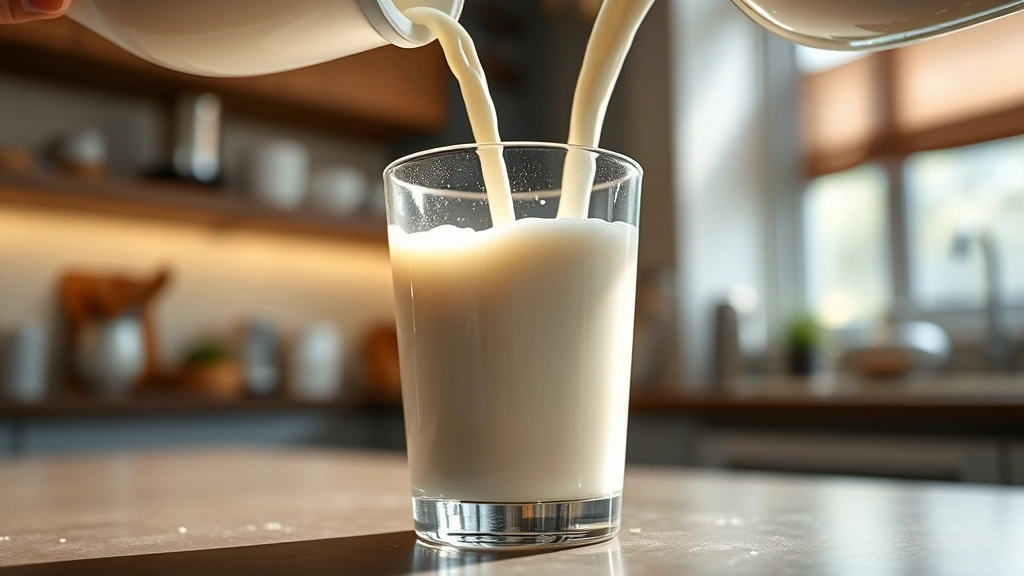
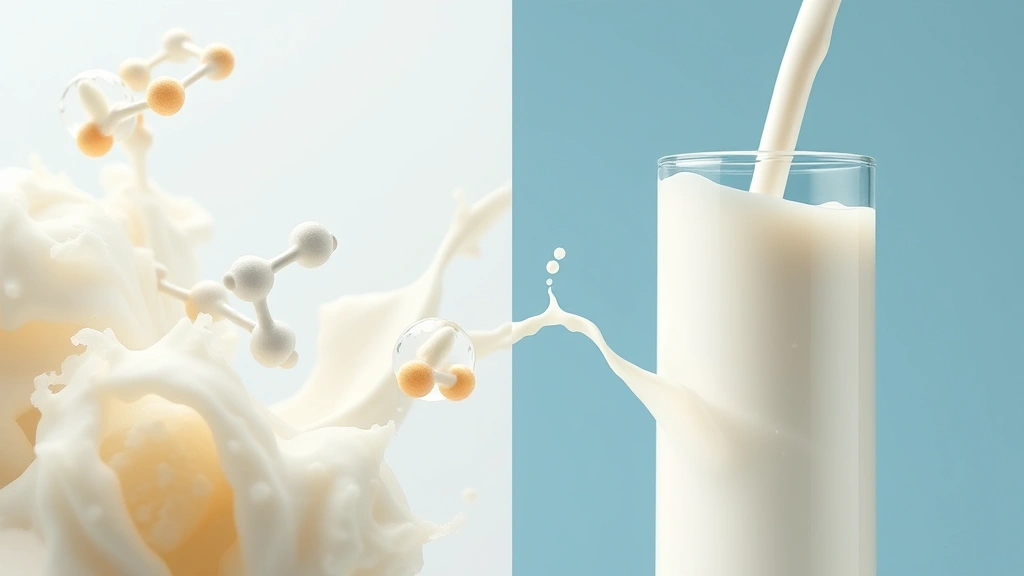
Fairlife milk represents an innovation in dairy processing through ultra-filtration technology. Unlike conventional milk, which is simply pasteurized, fairlife undergoes a specialized filtration process that separates milk components by molecular size. This technique allows manufacturers to concentrate certain nutrients while removing others, creating a product with fundamentally different nutritional characteristics than standard dairy milk.
The ultra-filtration process works by pushing milk through microscopic filters that trap larger molecules like proteins and lactose while allowing smaller molecules like water and some minerals to pass through. Manufacturers then recombine these components in specific ratios to achieve their target nutritional profile. This explains why fairlife can claim higher protein content and lower lactose compared to regular milk from the same dairy sources.
Fairlife sources milk from dairy farms that meet specific animal welfare standards, though the company has faced scrutiny regarding these claims in the past. The brand operates under Coca-Cola ownership and produces multiple product lines including reduced fat, whole milk, and specialized formulations for different dietary needs. Understanding this manufacturing process is essential when evaluating whether fairlife’s nutritional claims translate to meaningful health benefits for consumers.
Complete Nutritional Breakdown of Fairlife Milk
A standard 240ml (8 fl oz) serving of fairlife 2% reduced fat milk contains approximately 140 calories, with the following macronutrient profile:
- Protein: 13 grams (compared to 8 grams in regular 2% milk)
- Fat: 5 grams total fat, 3 grams saturated fat
- Carbohydrates: 12 grams, including 0 grams added sugar
- Lactose: Less than 0.5 grams (regular milk contains approximately 12 grams)
The micronutrient content is equally impressive. Each serving provides approximately 45% of the daily value for calcium, 25% for vitamin D, and 35% for phosphorus. Fairlife also contains vitamin A, potassium, and riboflavin in meaningful quantities. The brand fortifies its products with additional nutrients beyond what naturally occurs in milk, making it a nutrient-dense beverage option.
When examining fairlife milk nutrition facts more closely, the protein elevation stands out as the primary differentiator. The 13 grams of protein per serving represents a 62.5% increase over conventional milk, making fairlife particularly attractive for individuals following nutrition for weight gain protocols or those engaged in strength training. This higher protein content contributes to improved satiety and may support muscle recovery more effectively than standard milk options.
The elimination of added sugars is another significant distinction. While regular milk naturally contains lactose (a milk sugar), fairlife contains virtually none, meaning the carbohydrates present come from other sources or are naturally occurring. This makes fairlife a superior choice for individuals monitoring sugar intake or managing blood glucose levels.
Key Benefits According to Dietitians
Registered dietitian nutritionists recognize several legitimate advantages to incorporating fairlife milk into a balanced diet. The elevated protein content supports multiple physiological functions beyond muscle building, including enzyme production, hormone synthesis, and immune function. For individuals struggling to meet daily protein requirements, fairlife serves as a convenient, complete protein source containing all nine essential amino acids.
The dramatically reduced lactose content benefits individuals with lactose intolerance or lactose sensitivity. While lactose intolerance affects approximately 65% of the global adult population, fairlife’s ultra-filtration process makes dairy consumption feasible for many previously unable to tolerate milk. This is particularly valuable because it allows lactose-intolerant individuals to access milk’s calcium, vitamin D, and other micronutrients without experiencing digestive discomfort.
Dietitians also appreciate fairlife’s calcium bioavailability. The milk’s composition and lack of excess lactose may actually improve calcium absorption compared to standard milk in certain populations. For individuals implementing a healthy nutrition plan, fairlife provides exceptional nutrient density relative to caloric content, particularly in the reduced-fat versions.
The vitamin D fortification deserves particular attention. Vitamin D deficiency affects an estimated 1 billion people worldwide, making fortified dairy products essential for many populations. Fairlife’s guaranteed vitamin D content provides reliability for individuals unable to obtain sufficient sunlight exposure or who follow dietary patterns that exclude natural vitamin D sources.
For athletes and physically active individuals, fairlife’s protein-to-calorie ratio makes it an efficient post-workout beverage. The combination of protein for muscle recovery, carbohydrates for glycogen replenishment, and electrolytes creates an effective recovery drink without requiring expensive commercial supplements.
Lactose Content and Digestibility
Understanding fairlife’s lactose reduction mechanism clarifies why this product proves beneficial for specific populations. The ultra-filtration process removes approximately 99.5% of lactose from the milk, reducing it from roughly 12 grams per 240ml serving to less than 0.5 grams. This dramatic reduction makes fairlife suitable for individuals with lactose intolerance while maintaining the nutritional profile of whole milk.
However, dietitians emphasize that fairlife is not lactose-free in the technical sense. Individuals with severe lactose intolerance or those following strict lactose-free protocols should verify product specifications, as trace amounts may trigger symptoms in highly sensitive individuals. The product works excellently for the majority of lactose-intolerant people but shouldn’t replace true lactose-free options for those with clinical lactose malabsorption.
The digestibility advantage extends beyond lactose reduction. The ultra-filtration process concentrates casein and whey proteins, potentially making them easier for some individuals to digest. The protein structure in fairlife differs slightly from conventional milk, though research on this specific aspect remains limited. Anecdotally, many consumers report improved digestive tolerance compared to regular milk, though individual responses vary significantly.
It’s worth noting that fairlife’s lactose reduction doesn’t eliminate milk’s natural sugars entirely. The carbohydrate content remains relatively consistent with regular milk because fairlife retains the naturally occurring milk sugars present after lactose removal. This distinction matters for individuals monitoring total carbohydrate intake or managing specific metabolic conditions.
Fairlife vs. Regular Milk Comparison
Comparing fairlife directly to conventional milk reveals both advantages and trade-offs. Regular whole milk contains approximately 8 grams of protein per 240ml serving, while fairlife’s 2% version provides 13 grams. This 62.5% protein increase represents fairlife’s most significant nutritional advantage. For individuals prioritizing protein intake, this difference accumulates meaningfully over time.
Caloric content differs minimally between products when comparing equivalent fat percentages. Fairlife 2% contains 140 calories per serving compared to 120-130 calories in regular 2% milk. The slight increase reflects the protein concentration rather than added fats or sugars. In context of a typical 2000-calorie diet, this marginal difference proves inconsequential for most individuals.
Cost represents a substantial practical difference. Fairlife typically costs 30-50% more than conventional milk at retail, creating a significant expense differential for budget-conscious consumers. For families consuming multiple gallons weekly, this price premium can substantially impact grocery budgets. Whether the nutritional benefits justify this premium depends on individual health goals and financial circumstances.
Sustainability profiles differ between products, though both present valid considerations. Regular milk from grass-fed or pasture-raised sources may offer environmental advantages, while fairlife’s efficiency in nutrient concentration theoretically reduces per-nutrient environmental impact. Neither product qualifies as definitively more sustainable without examining specific sourcing practices.
The shelf life of fairlife exceeds regular milk, typically lasting 30-45 days compared to 7-10 days for conventional milk. This extended stability results from the ultra-pasteurization process accompanying ultra-filtration. For individuals buying in bulk or those with inconsistent milk consumption patterns, this advantage adds practical value beyond pure nutrition.
Sustainability and Ethical Considerations
Fairlife markets itself as an ethically sourced dairy product, emphasizing animal welfare standards and responsible farming practices. The company implements a “Fairlife Promise” that includes specific requirements for animal treatment, environmental stewardship, and farm management. However, transparency regarding these standards and enforcement mechanisms has generated ongoing debate among sustainability advocates.
Environmental impact assessment of fairlife versus conventional milk requires nuanced analysis. The ultra-filtration and ultra-pasteurization processes consume additional energy compared to standard milk production. However, the concentration of nutrients potentially reduces the total environmental footprint per unit of protein or calcium delivered. Life cycle analyses on this topic remain limited and contested among researchers.
Water usage in fairlife production exceeds conventional milk processing due to the ultra-filtration technology. The process requires significant water input for both filtering and equipment maintenance. For consumers prioritizing water conservation, this represents a legitimate environmental concern, particularly in water-scarce regions.
The dairy industry generally faces scrutiny regarding animal welfare, environmental impact, and labor practices. Fairlife’s commitments to higher standards than conventional producers represent incremental improvement but don’t address systemic concerns about industrial dairy production. Individuals seeking maximum sustainability should evaluate fairlife alongside plant-based alternatives and locally-sourced dairy options.
Potential Drawbacks and Concerns
Despite nutritional advantages, fairlife presents several legitimate concerns worth considering. The price premium excludes many consumers from regular consumption, raising equity questions about access to superior nutrition. Individuals with limited budgets may find conventional milk or plant-based alternatives more practical despite inferior nutritional profiles.
Some consumers report digestive issues with fairlife despite its reduced lactose content. The altered protein structure and concentration may trigger sensitivity in certain individuals. Additionally, the ultra-pasteurization process eliminates all bacteria, including beneficial probiotics some argue enhance digestive health. This trade-off between safety and potentially beneficial microorganisms remains scientifically unresolved.
The marketing surrounding fairlife sometimes overstates nutritional benefits or environmental advantages. Consumers should critically evaluate claims, recognizing that higher protein and lower lactose don’t automatically make fairlife superior for all individuals. Personalized nutritional needs vary significantly, making blanket recommendations inappropriate.
Fairlife’s ownership by Coca-Cola raises concerns for consumers prioritizing corporate ethics and independence. The company’s past animal welfare violations, documented in 2019 investigations, damaged trust among conscientious consumers. While management changes and policy reforms have followed, some individuals continue boycotting the brand based on historical practices.
The product’s reliance on fortification rather than natural nutrient density troubles some nutrition professionals. While fortified nutrients provide bioavailable nutrition, whole-food sources with naturally occurring nutrients may offer additional phytonutrients and compounds not yet identified as essential but potentially beneficial. This philosophical distinction influences some dietitians’ recommendations.
Who Should Consider Fairlife Milk?
Fairlife milk represents an optimal choice for specific populations with defined nutritional needs. Individuals with lactose intolerance seeking dairy-based nutrition benefit substantially from fairlife’s ultra-filtered composition. The dramatic lactose reduction enables comfortable consumption without sacrificing nutritional benefits associated with milk.
Athletes and physically active individuals prioritizing protein intake find fairlife’s elevated protein content particularly valuable. The complete amino acid profile supports muscle recovery and adaptation more efficiently than lower-protein alternatives. For post-workout nutrition, fairlife provides carbohydrates and protein in proportions supporting optimal recovery.
People implementing nutrition and mental health strategies benefit from fairlife’s nutrient density. The calcium, vitamin D, and B vitamins support neurological function and mood regulation. The protein content stabilizes blood glucose, preventing energy crashes that negatively impact cognitive performance and emotional stability.
Older adults with increased protein requirements for maintaining muscle mass find fairlife particularly beneficial. Age-related muscle loss (sarcopenia) affects 10-16% of older adults, making protein-rich foods increasingly important. Fairlife’s convenient, palatable protein source helps seniors meet elevated requirements without requiring substantial dietary modifications.
Individuals following high-protein dietary patterns, including keto, paleo, or strength-training nutrition plans, integrate fairlife efficiently into meal plans. The minimal carbohydrate content and zero added sugars align with macronutrient targets for these dietary approaches. As a convenient, shelf-stable protein source, fairlife supports dietary adherence.
However, fairlife isn’t universally optimal. Individuals with milk allergies (distinct from lactose intolerance) cannot safely consume fairlife. Those prioritizing budget-conscious nutrition should evaluate fairlife’s premium pricing against alternative sources. People following plant-based diets obviously require non-dairy alternatives. Budget-conscious families may find fairlife’s cost premium unjustifiable despite nutritional advantages.
Individuals with specific medical conditions should consult healthcare providers before incorporating fairlife. Those with kidney disease, for example, may need to limit phosphorus intake, which fairlife contains in substantial amounts. Similarly, individuals on specific medication regimens might experience interactions worth discussing with pharmacists or physicians.
FAQ
Is fairlife milk actually healthier than regular milk?
Fairlife offers specific nutritional advantages over conventional milk, particularly higher protein content and dramatically reduced lactose. However, “healthier” depends on individual needs. For lactose-intolerant individuals and those prioritizing protein intake, fairlife provides measurable benefits. For others with adequate protein consumption and no lactose sensitivity, the advantages may not justify the premium price. Consult registered dietitians for personalized recommendations aligned with your specific health goals and circumstances.
Does fairlife milk contain hormones or antibiotics?
Fairlife sources milk from conventional dairy farms, which may use industry-standard practices including hormones and antibiotics. The ultra-filtration process doesn’t remove these substances. Individuals specifically avoiding hormones should seek organic or hormone-free certified milk from conventional or fairlife sources. Fairlife doesn’t explicitly market hormone-free status, distinguishing it from some premium conventional milk brands emphasizing this feature.
Can fairlife milk help with weight management?
Fairlife’s elevated protein content and reduced sugar support weight management goals for many individuals. Protein increases satiety and supports metabolic function, potentially reducing overall caloric intake. However, fairlife alone doesn’t produce weight loss without broader dietary and lifestyle modifications. The nutrition facts about avocados and other whole foods should complement any weight management strategy. Incorporating fairlife as part of a comprehensive, calorie-appropriate diet may facilitate weight management through improved satiety and nutrient density.
Is fairlife milk suitable for children?
Fairlife milk can be appropriate for children over 12 months old, following standard milk introduction guidelines. The elevated protein content suits growing children’s increased nutritional needs. However, whole milk or 2% milk may provide superior fat content for children under 5 years, supporting brain development. Consult pediatricians regarding age-appropriate fairlife introduction and whether individual children would benefit from this product.
How does fairlife compare to plant-based milk alternatives?
Fairlife provides complete protein containing all nine essential amino acids, while many plant-based milks require fortification or combining multiple sources for complete protein. Fairlife contains naturally occurring calcium and vitamin D, whereas plant-based alternatives require fortification. However, plant-based options provide additional phytonutrients, fiber (in some cases), and environmental benefits. Neither category is universally superior; individual preferences, dietary restrictions, and health goals should guide selection.
Does fairlife milk expire faster than regular milk?
Contrary to expectations, fairlife’s ultra-pasteurization extends shelf life compared to regular milk. Unopened fairlife typically lasts 30-45 days, while conventional milk lasts 7-10 days. Once opened, both products should be consumed within 5-7 days. This extended stability provides practical advantages for bulk purchasing and reduces food waste, offsetting somewhat the premium price.
Can fairlife milk be used in cooking and baking?
Yes, fairlife milk functions effectively in cooking and baking applications. The elevated protein content may slightly affect certain recipes’ texture or moisture balance, but most applications work successfully. The reduced lactose doesn’t significantly impact cooking performance. Fairlife’s extended shelf life makes it particularly practical for individuals who bake infrequently, as milk waste decreases substantially.