
Ferrero Rocher: A Dietitian’s Nutrition Breakdown
Ferrero Rocher represents one of the world’s most recognizable premium chocolate confections, beloved for its distinctive golden wrapper and luxurious taste experience. However, understanding the nutritional profile of this indulgent treat requires a detailed examination of its ingredients, macronutrient composition, and how it fits within a balanced healthy nutrition plan. As a registered dietitian analyzing this product, I’ve found that knowledge about what we consume empowers better dietary decisions.
This comprehensive breakdown examines Ferrero Rocher’s nutritional components from a professional nutrition standpoint. Rather than demonizing a treat that millions enjoy, this analysis provides transparent information about caloric content, sugar levels, fat composition, and practical strategies for incorporating such foods into a sustainable eating pattern. Whether you’re a confectionery enthusiast or simply curious about chocolate nutrition, this guide offers evidence-based insights into one of the world’s most iconic treats.
Ferrero Rocher Nutritional Facts Overview
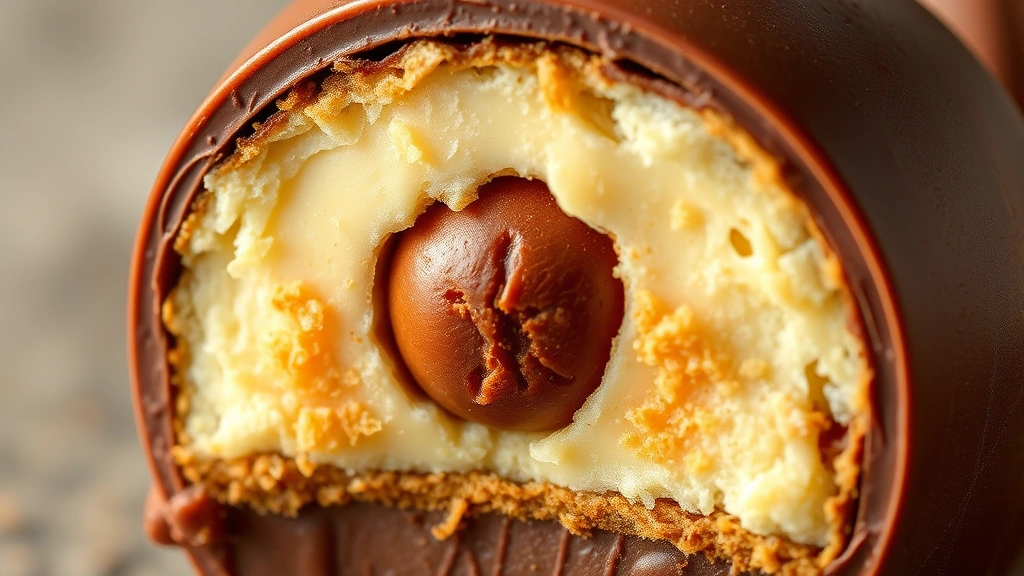
A standard single Ferrero Rocher chocolate (12.5 grams) contains approximately 65 calories, making it a relatively modest portion-controlled indulgence compared to larger chocolate bars. The product consists of a crispy wafer center, hazelnut filling, milk chocolate coating, and a whole hazelnut at its core—a composition that significantly influences its overall nutritional profile. Understanding nutrition care process principles helps us evaluate how such treats affect overall dietary patterns.
The iconic golden-wrapped sphere has maintained consistent nutritional specifications across decades, with Ferrero maintaining rigorous quality standards in their manufacturing process. Per 100 grams of product, Ferrero Rocher contains approximately 520 calories, demonstrating the energy density characteristic of chocolate confections. This concentration of calories in a small volume reflects the high fat and sugar content typical of premium chocolate products.
Ferrero’s ingredient list prioritizes quality components: milk chocolate (containing cocoa butter, cocoa mass, and milk solids), hazelnuts, wheat flour, and minimal additives. The inclusion of whole hazelnuts provides some nutritional benefits beyond empty calories, distinguishing this product from confections composed entirely of chocolate and sugar. This structural composition affects both taste experience and nutritional value in measurable ways.
Calorie Content and Energy Density
The caloric contribution of Ferrero Rocher warrants careful consideration within daily energy intake goals. A single piece provides 65 calories, while a standard box of 8 pieces totals approximately 520 calories—equivalent to a light meal for many individuals. Understanding energy density helps contextualize portion sizes within broader evolution of nutrition science and modern dietary recommendations.
For individuals following a 2,000-calorie daily diet, a single Ferrero Rocher represents roughly 3.25% of daily energy intake. However, the product’s pleasurable nature and convenient packaging often lead to consuming multiple pieces, which can quickly escalate caloric intake. Research from the Pew Research Center on consumer eating patterns demonstrates that portion awareness significantly impacts overall dietary quality and weight management outcomes.
The energy density of approximately 5.2 calories per gram places Ferrero Rocher in the high-density category, meaning small portions provide substantial caloric content. This characteristic, while concerning for weight management, also means that small, mindful portions can satisfy sweet cravings without excessive caloric expenditure. The psychological satisfaction derived from consuming a premium chocolate product may actually support adherence to dietary goals compared to lower-quality alternatives consumed in larger quantities.
Macronutrient Breakdown: Fats, Carbohydrates, Proteins
Ferrero Rocher’s macronutrient composition reflects its chocolate and hazelnut foundation. Per 100-gram serving, the product contains approximately 30 grams of fat, 60 grams of carbohydrates, and 9 grams of protein. This ratio emphasizes the fat and carbohydrate content while providing modest protein contribution, primarily from hazelnuts and milk solids.
Fat Content Analysis: The 30 grams of fat per 100 grams consists primarily of cocoa butter (a saturated fat) and hazelnut oil (containing monounsaturated and polyunsaturated fats). While saturated fat comprises approximately 12-15 grams per 100-gram serving, the inclusion of hazelnut oil provides beneficial unsaturated fats. A single piece contains roughly 3.75 grams of total fat, with approximately 1.5 grams from saturated sources. Current dietary guidelines from the American Heart Association recommend limiting saturated fat to 5-6% of daily calories, making single-piece consumption compatible with these recommendations.
Carbohydrate Composition: The 60 grams of carbohydrates per 100 grams includes both simple sugars and complex carbohydrates from wheat flour in the wafer layer. The carbohydrate profile heavily emphasizes sugars, with approximately 43-47 grams being added sugars per 100-gram serving. A single piece contains roughly 7.5 grams of carbohydrates, with approximately 5.4 grams from sugar sources. This sugar concentration significantly impacts blood glucose response and should factor into decisions for individuals managing diabetes or metabolic conditions.
Protein Content: The 9 grams of protein per 100 grams comes primarily from whole hazelnuts, milk chocolate solids, and wheat flour. While chocolate and confections aren’t typically considered protein sources, Ferrero Rocher’s hazelnut inclusion provides approximately 1.1 grams of protein per piece. This modest protein contribution offers minimal macronutrient balance but does provide some nutritional substance beyond simple sugars and fats.
Sugar Content and Glycemic Impact
Sugar represents the most nutritionally significant component of Ferrero Rocher from a health perspective. A single piece contains approximately 5.4 grams of added sugar, while a 100-gram serving (roughly 8 pieces) provides 43-47 grams of sugar. The American Heart Association recommends maximum daily added sugar intake of 25 grams for women and 36 grams for men, meaning a single box of Ferrero Rocher exceeds daily recommendations for most adults.
The glycemic impact of Ferrero Rocher reflects its simple carbohydrate composition combined with fat content. While fat slightly moderates glucose absorption compared to pure sugar, the product still produces a notable blood glucose spike. The glycemic load—which accounts for portion size—remains moderate for single-piece consumption but becomes substantial with multiple pieces. For individuals with prediabetes or type 2 diabetes, understanding this glycemic response becomes particularly important for blood sugar management.
The rapid carbohydrate absorption from Ferrero Rocher may contribute to energy fluctuations and subsequent hunger signals. Many individuals report increased appetite shortly after consuming chocolate confections, a phenomenon partly attributable to the rapid glucose elevation followed by compensatory insulin response. This metabolic pattern suggests that Ferrero Rocher, while enjoyable, may not provide sustained satiety compared to protein-rich or fiber-rich alternatives.
Micronutrients and Added Ingredients
Beyond macronutrients, examining Ferrero Rocher’s micronutrient profile and ingredient list provides important nutritional context. The product contains modest quantities of several minerals and vitamins, primarily from hazelnuts and milk chocolate components. Per 100-gram serving, the product provides approximately 15% of daily value for calcium (from milk solids), 8% for iron (from cocoa), and 10% for magnesium (from cocoa and hazelnuts).
Hazelnuts contribute meaningful micronutrient density to the product. These nuts provide vitamin E (an antioxidant), magnesium (supporting muscle and nerve function), and manganese (important for bone health and metabolism). A single Ferrero Rocher includes roughly 1.25 grams of whole hazelnut, providing approximately 2% of daily value for vitamin E and 3% for magnesium. While these contributions remain modest in the context of a single piece, they distinguish Ferrero Rocher from chocolate products lacking whole nuts.
The ingredient list reveals minimal artificial additives, with Ferrero maintaining relatively clean formulations. Ingredients include milk chocolate, hazelnuts, wheat flour, sugar, cocoa butter, cocoa mass, skim milk, whey powder, and small quantities of lecithin (an emulsifier) and vanillin (vanilla flavoring). The absence of high-fructose corn syrup, artificial colors, and artificial preservatives aligns with consumer preferences for less-processed confections. However, this cleaner formulation doesn’t substantially alter the sugar and fat content that define the nutritional profile.
Comparison with Similar Chocolate Confections
Contextualizing Ferrero Rocher’s nutrition within the broader chocolate confection market provides valuable perspective. Compared to other premium chocolate products, Ferrero Rocher demonstrates moderate caloric and sugar density. A Lindt Lindor truffle (12 grams) contains approximately 60 calories and 5 grams of sugar, making it nutritionally comparable. However, a standard Cadbury Dairy Milk bar (49 grams) contains 240 calories and 25 grams of sugar, indicating that Ferrero Rocher’s portion-controlled format offers advantages for moderation.
When compared to chocolate bars of similar weight, Ferrero Rocher’s inclusion of hazelnuts and wafer structure provides slightly better macronutrient balance than solid chocolate products. The wafer layer adds textural variety and incorporates wheat flour, contributing complex carbohydrates alongside simple sugars. This composition strategy may contribute to the product’s satisfaction factor, potentially reducing the quantity consumed compared to smoother chocolate alternatives.
Versus mass-market chocolate alternatives like Hershey’s Kisses (4.5 grams, 24 calories, 2.5 grams sugar), Ferrero Rocher represents a more substantial indulgence with greater flavor complexity. The premium positioning justifies the higher price point through superior ingredient quality and manufacturing standards. For individuals seeking occasional confectionery treats, Ferrero Rocher’s quality and portion size offer reasonable alternatives to consuming larger quantities of less-satisfying products.
Practical Portion Control Strategies
The pre-portioned nature of individual Ferrero Rocher pieces facilitates portion control compared to bulk chocolate products. Each wrapped piece creates a natural stopping point, psychologically supporting moderation. Research in behavioral nutrition demonstrates that unit-portioned foods reduce overconsumption compared to larger packages requiring self-imposed portion decisions.
Implementing effective portion control strategies with Ferrero Rocher involves several evidence-based approaches. First, consuming a single piece slowly—savoring the flavor and texture—maximizes psychological satisfaction while minimizing caloric intake. The complex flavor profile and textural variety (crispy wafer, creamy filling, solid chocolate, whole hazelnut) supports extended consumption time, allowing satiety signals to register before additional pieces are consumed.
Second, pairing Ferrero Rocher with protein or fiber-containing foods moderates blood glucose response and improves satiety. Consuming a piece after a balanced meal—rather than as a standalone snack—reduces the glycemic spike and prevents subsequent hunger signals. Pairing with tea or coffee without added sugar or cream extends the eating experience without substantial caloric addition.
Third, establishing clear consumption boundaries prevents mindless eating. Rather than keeping opened boxes accessible, storing Ferrero Rocher in less-visible locations reduces environmental cuing that promotes overconsumption. Designating specific occasions for consumption—such as Sunday afternoon treats or post-dinner rewards—supports structured eating patterns that most individuals find sustainable long-term.
Incorporating Ferrero Rocher Into Balanced Eating
From a dietitian’s perspective, complete food elimination rarely supports long-term dietary adherence and psychological wellbeing. Instead, incorporating enjoyed foods like Ferrero Rocher into balanced eating patterns demonstrates sustainability principles. The key involves understanding caloric and nutritional trade-offs, then making intentional decisions about when and how frequently to include such treats.
For individuals following a 2,000-calorie diet with flexible macronutrient goals, incorporating 1-2 Ferrero Rocher pieces weekly (65-130 calories) represents approximately 0.23-0.46% of weekly caloric intake. This minimal allocation allows enjoyment without substantially compromising nutritional goals. The approach aligns with nutrition care process principles emphasizing personalized, flexible dietary patterns over restrictive approaches.
Individuals engaged in regular physical activity or nutrition for athletes contexts may accommodate additional confectionery consumption through increased caloric expenditure. Athletes requiring post-workout carbohydrate replenishment might strategically consume Ferrero Rocher as part of recovery nutrition, leveraging the sugar content for glycogen restoration while benefiting from the fat content’s satiety-promoting effects.
For individuals managing nutrition and mental health concerns, the psychological satisfaction from occasional indulgences supports overall dietary adherence and emotional wellbeing. The pleasure derived from consuming a premium chocolate product contributes to quality of life, a factor sometimes undervalued in purely quantitative nutritional analysis. Rigid elimination of enjoyed foods often triggers compensatory overconsumption or psychological distress.
Creating a sustainable dietary approach involves viewing Ferrero Rocher as an occasional treat within an overall balanced pattern emphasizing whole foods, adequate protein, substantial vegetables and fruits, and whole grains. The product’s role as an infrequent indulgence—rather than regular staple—maintains nutritional integrity while supporting psychological satisfaction. This balanced perspective reflects evidence-based dietitian practice emphasizing individual preferences, cultural food patterns, and realistic sustainability.
FAQ
How many calories are in one Ferrero Rocher?
A single standard Ferrero Rocher piece (12.5 grams) contains approximately 65 calories. The caloric content varies slightly depending on specific product variants, with some specialty versions containing slightly more or fewer calories. For precise information, consulting the nutrition label on your specific package ensures accuracy.
Is Ferrero Rocher suitable for diabetic individuals?
Ferrero Rocher’s high sugar content (approximately 5.4 grams per piece) makes it unsuitable as a regular food for individuals managing diabetes without professional guidance. However, occasional single-piece consumption within a carefully planned meal structure may be possible for some individuals with well-controlled diabetes. Consulting with a registered dietitian or certified diabetes educator provides personalized recommendations based on individual metabolic status and treatment goals.
Does Ferrero Rocher contain nuts?
Yes, Ferrero Rocher contains hazelnuts as a core ingredient. Each piece includes a whole hazelnut at its center and hazelnut paste in the filling layer. Individuals with tree nut allergies must avoid this product entirely. Those with peanut allergies can typically consume Ferrero Rocher safely, as hazelnuts are tree nuts rather than peanuts, though cross-contamination risks vary by manufacturing facility.
Can Ferrero Rocher be part of a weight loss diet?
Ferrero Rocher can be incorporated into weight loss diets through careful portion control and strategic planning. The pre-portioned format supports moderation, and occasional single-piece consumption (approximately 65 calories) represents a negligible percentage of daily caloric intake. However, regular consumption or multi-piece servings can significantly impede weight loss progress. Working with a registered dietitian helps develop personalized strategies for occasional treat inclusion within weight management goals.
What are the main ingredients in Ferrero Rocher?
Ferrero Rocher’s primary ingredients include milk chocolate (cocoa butter, cocoa mass, milk solids), hazelnuts, wheat flour, sugar, and minimal additives including lecithin (emulsifier) and vanillin (flavoring). The product avoids artificial colors and preservatives, maintaining relatively clean ingredient formulations compared to some chocolate confections. The hazelnut inclusion distinguishes this product from purely chocolate-based treats.
How does Ferrero Rocher compare nutritionally to other chocolates?
Ferrero Rocher offers moderate caloric and sugar density compared to chocolate bars but slightly higher values than smaller confections like Lindor truffles. The hazelnut inclusion provides better macronutrient balance than solid chocolate products. Per unit weight, Ferrero Rocher compares favorably to many mass-market chocolate bars, offering superior ingredient quality and flavor complexity while maintaining reasonable caloric and sugar content for portion-controlled indulgence.


