Are Flour Tortillas Healthy? Dietitian Insight
Flour tortillas are a staple in many households and cuisines, but their nutritional profile often raises questions among health-conscious consumers. As a registered dietitian nutritionist, I’ve addressed this question countless times in clinical practice. The answer isn’t simply yes or no—it depends on portion size, frequency of consumption, ingredient quality, and how they fit into your overall healthy nutrition plan.
Flour tortillas occupy an interesting space in the nutritional landscape. They’re versatile, affordable, and culturally significant across many communities. However, they’re also frequently misunderstood when it comes to their actual health impact. This comprehensive guide examines the science behind flour tortilla nutrition, helping you make informed decisions about whether they belong in your diet and how to choose the best options available.
Flour Tortilla Nutrition Facts Explained
Understanding the nutrition facts label is your first step in evaluating whether flour tortillas align with your dietary goals. A standard 8-inch flour tortilla typically contains approximately 150-170 calories, with the exact amount varying by brand and preparation method. This baseline information becomes more meaningful when examined against your total daily caloric intake and nutritional needs.
The typical flour tortilla composition includes refined wheat flour, water, salt, and fat (usually vegetable shortening or oil). Some manufacturers add preservatives, dough conditioners, and additional ingredients to extend shelf life and improve texture. The ingredients list matters significantly because it reveals whether you’re consuming a simple product or something laden with additives. Looking at ingredient transparency helps you assess the true nutritional value beyond basic macronutrient numbers.
Research from nutrition databases shows considerable variation among brands. Store brands may differ substantially from name-brand options, and artisanal varieties often have different nutritional profiles entirely. This variation makes it impossible to provide a single definitive answer without examining the specific product you’re consuming. The nutrition care process emphasizes individualized assessment rather than blanket recommendations.
Calories and Macronutrient Breakdown
Examining macronutrients provides crucial insight into how flour tortillas function within a balanced diet. A standard flour tortilla contains approximately 3-4 grams of protein, 28-30 grams of carbohydrates, and 4-5 grams of fat. These numbers reveal that flour tortillas are primarily a carbohydrate source with modest protein content and relatively moderate fat.
The carbohydrate composition deserves closer attention. Most of these carbohydrates come from refined wheat flour rather than whole grains, meaning they lack the fiber and micronutrient density found in whole grain alternatives. This refinement process removes the bran and germ, where most nutritional value resides. Consequently, regular flour tortillas provide quick-digesting carbohydrates that may cause more rapid blood sugar fluctuations compared to whole grain options.
Protein content in flour tortillas is relatively modest—typically 3-4 grams per tortilla. This amount contributes minimally to daily protein requirements, especially for individuals with higher protein needs. If you’re using tortillas as a primary component of a meal, pairing them with protein-rich fillings becomes essential for nutritional balance. This is where flour tortillas can actually support healthy eating when combined with nutrient-dense toppings.
Fat content varies based on production methods. Traditional flour tortillas made with shortening contain saturated fat, while those made with vegetable oil contain more unsaturated fats. Understanding this distinction helps you make choices aligned with your cardiovascular health goals. Some brands now offer reduced-fat versions, though these may contain additional additives to maintain texture and palatability.
Sodium Content and Health Concerns
One significant concern with commercial flour tortillas involves sodium content. A single 8-inch tortilla typically contains 300-400 milligrams of sodium, representing 13-17% of the recommended daily intake. This becomes problematic when you consider that many people consume multiple tortillas per meal, potentially consuming 600-1200 milligrams of sodium from tortillas alone.
Excess sodium consumption correlates with elevated blood pressure, increased cardiovascular disease risk, and other health complications. The American Heart Association recommends limiting daily sodium to 2,300 milligrams, with an ideal limit of 1,500 milligrams for optimal heart health. Regular flour tortilla consumption can significantly contribute to exceeding these recommendations, especially when combined with other sodium-containing foods.
This concern is particularly relevant for individuals with hypertension, heart disease, or kidney conditions. If you fall into these categories, choosing low-sodium flour tortilla options becomes important. Some manufacturers now produce tortillas with 50% reduced sodium, offering a better option for sodium-conscious consumers. Reading labels carefully allows you to identify lower-sodium choices without sacrificing convenience.
The sodium issue also raises questions about food processing and preservation. Commercial tortillas require preservatives to maintain shelf stability during distribution and storage. This necessity, while practical for consumers, contributes to elevated sodium levels compared to homemade tortillas. Making tortillas from scratch eliminates this concern entirely, though this option isn’t feasible for everyone.
Fiber and Refined Grain Issues
The fiber content in regular flour tortillas is disappointingly low—typically only 1-2 grams per tortilla. This minimal fiber content reflects the use of refined flour, which removes the fiber-rich bran layer. Dietary fiber serves multiple crucial functions: promoting digestive health, supporting healthy cholesterol levels, regulating blood sugar, and enhancing satiety.
The refining process that creates white flour removes approximately 75% of the nutrients and virtually all the naturally occurring fiber. While some manufacturers add fiber back to their products, this fortification doesn’t fully replicate the benefits of whole grain fiber. Whole grain fibers come packaged with other beneficial compounds including antioxidants, phytochemicals, and minerals that refined flour lacks.
This fiber deficiency contributes to the blood sugar impact of flour tortillas. Without adequate fiber to slow carbohydrate digestion, regular flour tortillas cause relatively rapid blood glucose elevation. This characteristic makes them less ideal for individuals managing diabetes or prediabetes, though portion control and pairing strategies can mitigate this concern. Understanding your personal glucose response through blood sugar monitoring helps you determine how flour tortillas affect your individual metabolism.
Refined grain consumption has been associated with increased inflammation markers in multiple research studies. While a single flour tortilla won’t significantly impact your inflammatory status, regular consumption as part of a refined carbohydrate-heavy diet may contribute to chronic low-grade inflammation. This concern makes it particularly important to evaluate your overall grain consumption patterns rather than focusing solely on tortillas.
Healthier Alternatives and Substitutions
Fortunately, numerous alternatives exist for those seeking better nutritional profiles. Whole wheat flour tortillas represent the most straightforward upgrade, providing 3-4 times more fiber than refined versions while maintaining familiar taste and texture. These tortillas still contain approximately 150-160 calories but deliver superior nutritional value through their fiber and micronutrient content.
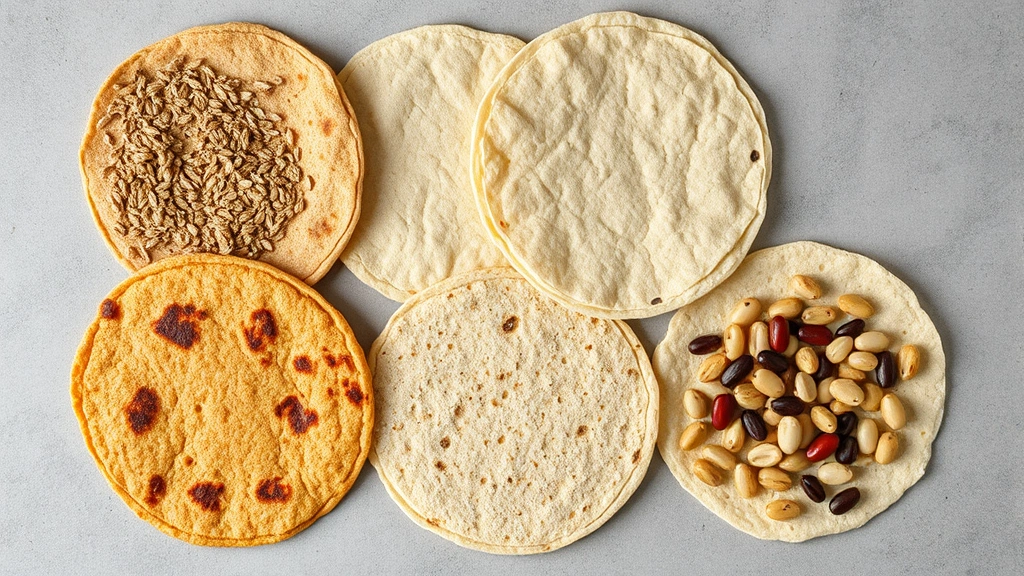
Sprouted grain tortillas offer another excellent option. The sprouting process increases nutrient bioavailability and reduces anti-nutrients that can inhibit mineral absorption. Many people report better digestive tolerance with sprouted grain products compared to conventional whole grain versions. These tortillas often contain visible seeds and grains, providing textural interest and additional nutritional benefits.
Low-carb and keto-friendly tortillas have gained popularity in recent years. These products typically use alternative flours like almond flour, coconut flour, or psyllium husk to achieve significantly lower carbohydrate content—often 2-5 grams per tortilla compared to 28-30 in regular versions. These alternatives work well for specific dietary approaches but may have different taste profiles and cooking properties than traditional tortillas.
Vegetable-based tortillas represent an innovative option gaining traction in grocery stores. These products incorporate spinach, beet, or other vegetable purees, adding micronutrients and potentially beneficial compounds. While vegetable tortillas don’t dramatically change macronutrient profiles, they provide additional nutritional complexity and visual appeal to meals.
Legume-based tortillas made from chickpea flour, lentil flour, or bean flour offer substantially higher protein content—often 8-10 grams per tortilla—compared to regular flour versions. These options appeal particularly to plant-based eaters seeking to increase protein intake. The higher fiber content also supports digestive health and blood sugar management.
How to Choose Better Flour Tortillas
When selecting flour tortillas at the grocery store, implement a systematic evaluation process. First, examine the ingredient list. Quality tortillas contain only flour, water, salt, and fat—preferably in that order. Ingredients listed after these basics, such as dough conditioners, preservatives, and added sugars, indicate more processed options.
Check the sodium content immediately. Look for options containing 200 milligrams or less per tortilla. Many brands now offer reduced-sodium versions explicitly marketed as such. Comparing sodium across brands reveals significant variation, making this label-reading habit worthwhile for your long-term health.
Evaluate the fiber content next. Even regular flour tortillas sometimes contain added fiber, pushing the content from 1-2 grams to 3-4 grams. While this fortification doesn’t match whole grain tortillas, it represents an improvement over conventional options. Prioritize whole grain or sprouted grain versions when available and budget-permitting.
Consider the fat type. Tortillas made with vegetable oil or containing unsaturated fats are preferable to those made with hydrogenated oils or excessive saturated fat. Some manufacturers now highlight their use of specific oils like canola or sunflower oil, indicating transparency about their fat sources.
Look for brands emphasizing local or artisanal production. These tortillas often contain fewer additives and may use higher-quality ingredients. While typically more expensive, they sometimes offer superior nutritional profiles and taste. Farmer’s markets and specialty stores often carry these options.
Don’t overlook store brands in this evaluation. Many supermarket chains now produce private-label whole grain or lower-sodium tortillas that rival name-brand alternatives at lower prices. Store brands deserve consideration alongside established manufacturers.
Portion Control Strategies
Even healthy foods can become problematic when consumed in excessive quantities. Implementing portion control strategies helps you enjoy flour tortillas while maintaining nutritional balance. The standard recommendation is one to two tortillas per meal, depending on your overall caloric intake and meal composition.
Using smaller tortillas represents one straightforward strategy. Many stores carry 6-inch tortillas containing approximately 100 calories compared to 150-170 in standard 8-inch versions. These smaller options work well for tacos or wraps while reducing total carbohydrate and calorie consumption per meal.
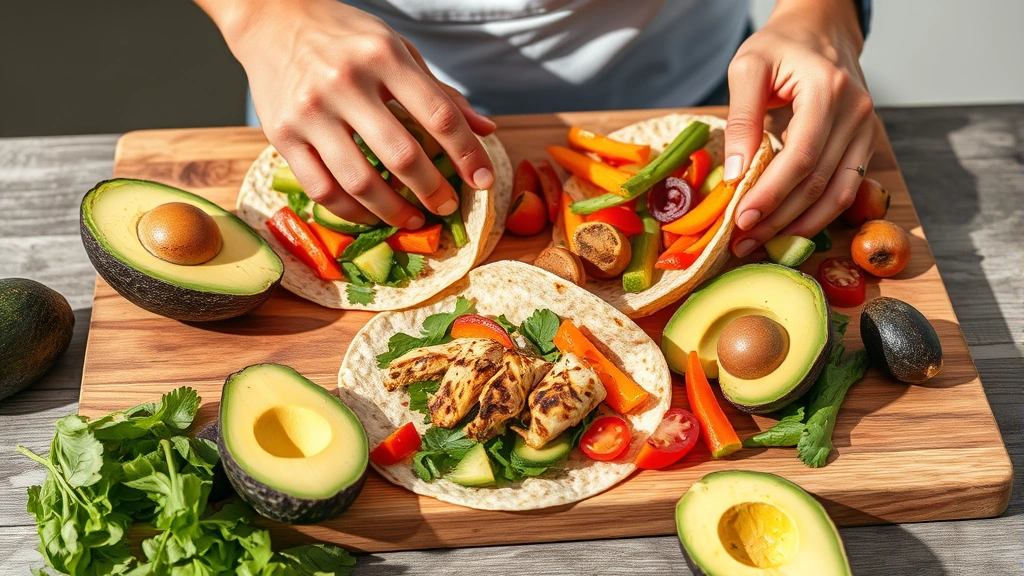
Building balanced meals around tortillas supports healthier overall eating patterns. Combine your tortilla with substantial protein sources (beans, legumes, poultry, fish), plenty of vegetables, and healthy fats from avocado or nuts. This approach ensures your meal provides adequate nutrition beyond the carbohydrates from tortillas.
Pre-portioning tortillas when you arrive home helps prevent overconsumption. Separating the number you’ll use this week and refrigerating the remainder removes the temptation to grab extra tortillas throughout the week. This simple strategy leverages environmental design to support your nutritional goals.
Alternating tortilla types throughout the week provides variety while improving overall nutrition. Use regular tortillas occasionally while emphasizing whole grain, sprouted grain, or legume-based options most days. This rotation approach prevents monotony while gradually shifting your grain consumption toward higher-quality sources.
Mindful eating practices enhance your relationship with tortillas and other foods. Eating slowly, without distractions, and stopping when satisfied helps you recognize satiety cues that often get overridden during rushed meals. This awareness often naturally regulates portion sizes without requiring strict limitation.
” alt=”Person preparing a balanced meal with whole grain tortillas, fresh vegetables, grilled chicken, and avocado slices on a wooden cutting board in bright natural lighting”/>
Tracking your tortilla consumption for a week provides valuable data about your current intake patterns. Many people underestimate how many tortillas they consume daily. This awareness, without judgment, often naturally encourages moderation through increased consciousness about eating habits.
Flour Tortillas in Different Dietary Approaches
The role of flour tortillas varies significantly depending on your dietary philosophy or health goals. Within a standard balanced diet following nutrition research, moderate flour tortilla consumption poses no inherent problem. One to two tortillas per meal, combined with nutrient-dense foods, fits comfortably within most healthy eating patterns.
For individuals managing diabetes or prediabetes, regular flour tortillas warrant caution due to their rapid blood sugar impact. Whole grain alternatives provide better glycemic control through their higher fiber content. Pairing tortillas with protein and fat also slows carbohydrate absorption, improving blood sugar response. Working with a registered dietitian helps you determine appropriate portions and frequency for your individual situation.
Athletes and active individuals may benefit from the carbohydrates in flour tortillas as part of their nutrition for athletic performance. The readily available carbohydrates support energy needs during training and recovery. Combining tortillas with protein creates an effective post-workout meal for muscle recovery.
Those following low-carb or ketogenic diets should avoid regular flour tortillas entirely, as they contain too many carbohydrates for ketosis maintenance. Low-carb tortilla alternatives specifically designed for these approaches work better. Understanding your dietary framework helps you make appropriate choices rather than assuming one-size-fits-all recommendations.
Plant-based eaters can maximize the nutritional benefit of tortillas by choosing legume-based varieties that provide complete or complementary proteins when paired with appropriate fillings. This approach ensures tortillas contribute meaningfully to protein intake within plant-forward eating patterns.
Individuals concerned about nutrition and mental health should consider that refined carbohydrates, including regular flour tortillas, may impact mood and cognitive function. Whole grain alternatives provide more stable energy and better support for neurotransmitter production through their micronutrient content.
” alt=”Overhead view of colorful vegetable ingredients including bell peppers, tomatoes, leafy greens, and whole grain bread arranged on a bright white surface”/>
Making Tortillas at Home
Creating flour tortillas at home eliminates many concerns about additives, sodium, and ingredient quality. Basic homemade tortillas require only four ingredients: flour, water, salt, and fat (typically lard, vegetable shortening, or oil). The preparation process takes approximately 30 minutes from start to finish.
Homemade tortillas offer superior freshness and taste compared to commercial versions. The absence of preservatives means they’re best consumed within a few days, but this limitation encourages fresher eating patterns. Many people find homemade tortillas freeze exceptionally well, maintaining quality for several months when properly wrapped.
You can easily customize homemade tortillas by using whole wheat flour, sprouted grain flour, or adding nutritious additions like flaxseed or chia seeds. This customization allows you to create tortillas perfectly aligned with your nutritional preferences and dietary needs. The cost per tortilla is typically lower than premium store-bought options.
Learning to make tortillas also connects you more deeply to your food and supports mindful eating. The hands-on process creates awareness about ingredients and portions that’s often lost with convenience foods. Many people report increased appreciation for food prepared from scratch.
Reading Between the Label Lines
Marketing claims on tortilla packaging often obscure nutritional reality. Terms like “made with whole grains” don’t guarantee substantial whole grain content—regulations allow this claim with as little as 50% whole grain flour. Reading ingredient lists reveals actual composition better than marketing language.
“Natural” claims mean virtually nothing from a regulatory perspective and shouldn’t influence your purchasing decisions. “No artificial preservatives” is meaningless if the product contains other concerning additives. Focus on specific, measurable nutritional metrics rather than vague marketing terms.
Color doesn’t reliably indicate nutritional quality. Whole wheat tortillas are brown, but brown tortillas can be made from refined flour with caramel coloring added. Ingredient lists prevent deception better than visual assessment. Similarly, seeing seeds on tortillas suggests nutrition but doesn’t guarantee it—decorative seeds provide minimal nutritional contribution if they’re merely surface additions.
FAQ
Are flour tortillas bad for weight loss?
Flour tortillas aren’t inherently problematic for weight loss, but their calorie density and low satiety value require careful portion control. A single 8-inch tortilla contains 150-170 calories with minimal fiber or protein to promote fullness. Using whole grain tortillas, limiting portions to one per meal, and pairing with protein-rich fillings helps weight management. The key is fitting them into your overall caloric intake rather than avoiding them entirely.
How many calories are in a flour tortilla?
A standard 8-inch flour tortilla contains approximately 150-170 calories, though variation exists among brands. Smaller 6-inch tortillas contain roughly 100-120 calories. Low-carb alternatives contain 80-120 calories, while larger 10-inch tortillas may exceed 200 calories. Checking the specific product’s nutrition label provides the most accurate information.
What’s the difference between flour and corn tortillas nutritionally?
Corn tortillas typically contain 50-60 calories per tortilla compared to 150-170 in flour versions. Corn tortillas often have slightly more fiber and slightly less fat, though both are relatively low in fiber overall. Corn tortillas are naturally gluten-free, making them suitable for celiac disease or gluten sensitivity. Taste and texture preferences vary individually, making both options viable depending on your needs.
Can diabetics eat flour tortillas?
Individuals with diabetes should approach regular flour tortillas cautiously due to their high glycemic index and rapid blood sugar impact. Whole grain tortillas with higher fiber content provide better blood sugar control. Portion control, pairing with protein and fat, and monitoring individual glucose response are essential. Working with a dietitian helps determine appropriate tortilla consumption for your specific diabetes management plan.
Are whole wheat flour tortillas significantly healthier?
Whole wheat tortillas offer meaningful nutritional advantages over refined flour versions. They contain 3-4 times more fiber, providing better digestive health, satiety, and blood sugar control. Whole wheat tortillas also retain more micronutrients including B vitamins and minerals. While still higher in calories and sodium than some alternatives, whole wheat tortillas represent a substantial nutritional upgrade worth prioritizing when possible.
How should I store flour tortillas?
Unopened tortilla packages remain fresh in the pantry according to the printed expiration date. Once opened, refrigerate tortillas in an airtight container or resealable bag for up to two weeks. Freezing extends storage to several months—separate tortillas with parchment paper before freezing to prevent sticking. Thaw frozen tortillas at room temperature or warm directly on a skillet.
Are there gluten-free flour tortillas?
Yes, numerous gluten-free tortilla options exist using alternative flours like rice flour, corn flour, or chickpea flour. Quality varies significantly among brands, so sampling different options helps you find ones with acceptable texture and taste. Gluten-free tortillas often cost more than conventional versions but provide essential options for celiac disease or gluten sensitivity.


