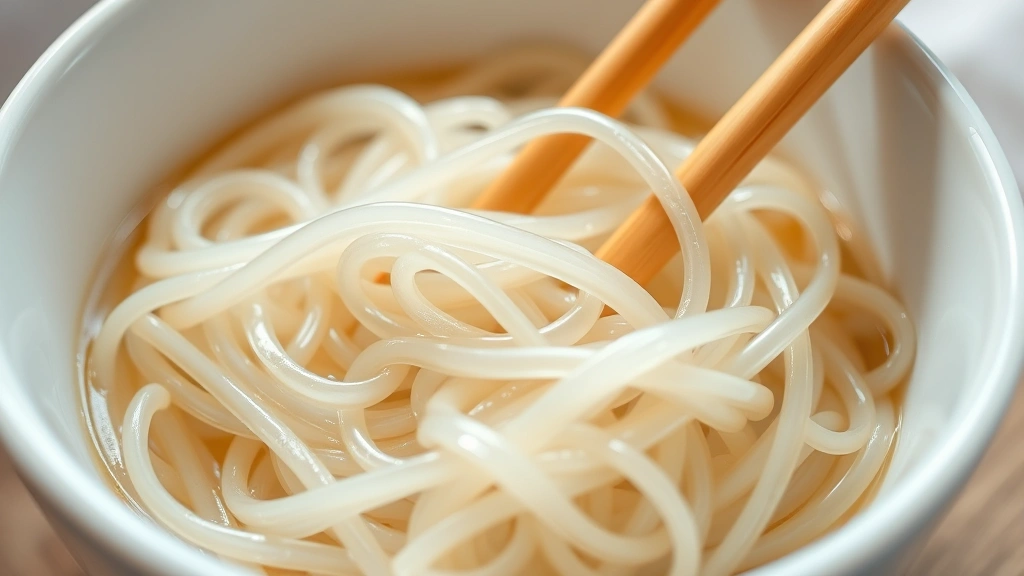
Glass Noodles Nutrition: Dietitian’s Insight
Glass noodles, also known as cellophane noodles or bean thread noodles, have become increasingly popular in modern diets, particularly among those seeking lighter alternatives to traditional wheat-based pasta. These translucent noodles, made primarily from mung bean starch and water, offer a unique nutritional profile that deserves closer examination. As a dietitian-backed resource, this comprehensive guide explores the nutritional composition, health benefits, and practical considerations for incorporating glass noodles into a balanced eating plan.
The rising interest in glass noodles reflects broader dietary trends toward plant-based foods and Asian cuisine exploration. However, many consumers remain uncertain about their actual nutritional value and how they compare to other noodle varieties. Understanding the science behind glass noodles nutrition helps you make informed decisions aligned with your health goals and dietary preferences.
Nutritional Composition of Glass Noodles
Glass noodles derive their distinctive appearance and texture from their primary ingredient: mung bean starch. A typical serving of cooked glass noodles (approximately 190 grams) contains roughly 190 calories, making them relatively modest in energy density compared to wheat pasta. The nutritional profile is notably lean, with minimal fat content—typically less than 1 gram per serving.
The macronutrient breakdown reveals why glass noodles appeal to calorie-conscious consumers. They contain approximately 44 grams of carbohydrates per cooked serving, though the exact amount varies based on preparation method and specific brand formulation. The protein content ranges from 0.5 to 2 grams per serving, depending on whether the noodles are pure mung bean starch or contain additional legume proteins. This relatively low protein content distinguishes glass noodles from other legume-based pasta alternatives.
Understanding the nutrition label generator tools can help you decode specific brand variations and their unique nutritional contributions. Different manufacturers may add enrichment or fortification, slightly altering the baseline nutritional profile.
Caloric Content and Macronutrients
The caloric density of glass noodles positions them favorably within weight management strategies. At approximately 190 calories per cooked serving, they’re significantly lower than wheat pasta (220 calories) and comparable to whole wheat alternatives. However, the distinction lies in macronutrient distribution—glass noodles offer predominantly carbohydrate calories with minimal protein, whereas whole grains provide more balanced ratios.
The carbohydrate composition deserves particular attention. Glass noodles contain refined carbohydrates, as the mung bean starch is processed to remove fiber and other components. This processing results in approximately 1-2 grams of fiber per serving, substantially lower than whole grain pasta options. The carbohydrate quality matters significantly for blood sugar management and sustained energy levels throughout the day.
Fat content remains negligible, typically under 1 gram per serving. This minimal fat content makes glass noodles suitable for low-fat diet protocols, though it also means they lack fat-soluble vitamins and healthy fats that support nutrient absorption and satiety. When preparing glass noodles, incorporating healthy fats through oils, nuts, or protein sources becomes nutritionally strategic.
Sodium content varies considerably between brands and preparation methods. Dry glass noodles contain minimal sodium naturally, but packaged varieties may include added salt for preservation. Reviewing nutrition labels remains essential for those monitoring sodium intake due to hypertension or cardiovascular considerations.
Micronutrients and Mineral Content
Glass noodles provide modest micronutrient contributions, primarily because mung bean starch lacks the nutrient density of whole legumes. The processing that creates the translucent noodles removes much of the original mung bean’s nutritional richness. However, some micronutrients persist in the final product.
Iron content in glass noodles varies based on processing and fortification. Some brands contain approximately 0.4-0.8 mg of iron per serving, contributing modestly to daily requirements. The iron present is non-heme iron from plant sources, which has lower bioavailability than heme iron from animal products. Consuming glass noodles with vitamin C sources enhances iron absorption—a practical application of nutritional science in meal planning.
Calcium content remains minimal in unfertified glass noodles, typically under 20 mg per serving. Some manufacturers fortify their products with calcium and other micronutrients, making brand comparison essential for those relying on noodles as significant nutrient sources.
B vitamins, particularly thiamine and niacin, may be present in small quantities, especially in fortified varieties. These vitamins support energy metabolism and nervous system function. The nutrition care process emphasizes evaluating whether individual foods significantly contribute to micronutrient needs or whether dietary variety provides adequate intake.
Manganese, naturally present in mung beans, persists in glass noodles at approximately 0.2-0.3 mg per serving. This mineral supports bone health, metabolism, and antioxidant function, though the quantity represents a modest contribution to daily needs.
Health Benefits Analysis
Glass noodles offer several legitimate health advantages when incorporated strategically within balanced diets. Their primary benefit lies in caloric moderation and digestibility, making them suitable for individuals with specific dietary restrictions or health conditions.
The gluten-free nature of glass noodles represents a significant advantage for those with celiac disease or gluten sensitivity. Unlike wheat-based pasta, glass noodles pose no risk of gluten contamination when sourced from reputable manufacturers. This accessibility expands food options for individuals managing autoimmune conditions or non-celiac gluten sensitivity.
The low-fat profile supports dietary approaches emphasizing reduced fat intake, though modern nutrition science increasingly recognizes that healthy fats support satiety and nutrient absorption. When consumed as part of a healthy nutrition plan, glass noodles can provide satisfying bulk without excessive calories.
Easy digestibility makes glass noodles appropriate for individuals recovering from gastrointestinal illness or those with sensitive digestion. The refined carbohydrate structure breaks down readily, reducing digestive burden. However, this same characteristic that aids digestibility also contributes to rapid blood sugar elevation in some individuals.
The mung bean origin provides some bioactive compounds, including polyphenols and resistant starch in minimal quantities. Research from the National Center for Biotechnology Information has documented mung beans’ antioxidant properties, though processing into glass noodles reduces these beneficial compounds substantially.
Glycemic Impact and Blood Sugar Response
Understanding glass noodles’ glycemic impact proves essential for individuals managing diabetes or pursuing stable energy levels. The refined carbohydrate composition creates a high glycemic index—typically ranging from 56 to 65 depending on preparation method. This classification indicates that glass noodles raise blood glucose relatively rapidly compared to whole grain alternatives.
The glycemic load, which accounts for portion size, remains moderate at approximately 22-25 per standard serving. This distinction matters: while the glycemic index indicates rapid absorption, realistic portion sizes may produce manageable blood sugar responses, particularly when combined with protein and fiber sources.
Consuming glass noodles with protein-rich accompaniments—such as tofu, tempeh, fish, or legumes—significantly moderates the blood sugar response. The protein slows carbohydrate digestion and absorption, preventing sharp glucose spikes. Adding fiber through vegetables provides additional glycemic moderation.
For individuals with prediabetes or type 2 diabetes, glass noodles require mindful consumption strategies rather than avoidance. Pairing them with substantial protein and non-starchy vegetables, controlling portion sizes, and consuming them as part of mixed meals rather than standalone dishes supports better glycemic control.
Recent research from the American Diabetes Association emphasizes meal composition’s importance over individual ingredient characteristics. Glass noodles fit within diabetic meal planning when approached strategically.
Digestibility and Gut Health Considerations
The refined nature of glass noodles creates excellent digestibility, which represents both an advantage and potential limitation. The minimal fiber content—typically 1-2 grams per serving—means glass noodles don’t significantly contribute to daily fiber recommendations. Adults require 25-35 grams of fiber daily for optimal digestive health and disease prevention.
This low fiber content makes glass noodles less supportive of beneficial gut bacteria colonization. The prebiotic compounds that feed beneficial microorganisms are largely absent in refined glass noodles. Those prioritizing gut microbiome health through dietary choices should view glass noodles as occasional components rather than dietary staples.
However, the easy digestibility benefits individuals with inflammatory bowel conditions, irritable bowel syndrome, or those recovering from gastrointestinal procedures. The gentle carbohydrate source doesn’t trigger inflammation or digestive distress common with whole grains in sensitive individuals.
Combining glass noodles with high-fiber vegetables, legumes, and whole food sources creates balanced meals supporting both digestibility and gut health. This approach aligns with functional diagnostic nutrition principles that emphasize individual assessment and personalized dietary strategies.
Comparison to Other Noodle Varieties
Evaluating glass noodles within the broader noodle landscape reveals their distinctive position. Compared to wheat pasta, glass noodles offer fewer calories (190 vs. 220) and less protein (0.5-2g vs. 8g). Wheat pasta provides superior micronutrient density, particularly when whole grain varieties are selected, containing more fiber, B vitamins, and minerals.
Against rice noodles, glass noodles compare similarly in caloric content but differ in nutritional composition. Rice noodles contain marginally more protein and B vitamins, while glass noodles offer slightly lower glycemic response in some studies. Both represent refined carbohydrate sources lacking substantial fiber.
Buckwheat noodles (soba) provide significantly superior nutritional profiles with 8-10 grams of protein per serving and substantially more fiber. However, traditional soba contains wheat flour, making it unsuitable for gluten-free diets. Pure buckwheat varieties offer excellent nutrition for those without gluten concerns.
Legume-based pasta alternatives—made from lentils, chickpeas, or peas—substantially outperform glass noodles nutritionally. These alternatives contain 10-15 grams of protein per serving and 5-8 grams of fiber, supporting satiety and sustained energy. They represent superior choices for those prioritizing nutrient density, though they cost more and may not suit all palates.
Shirataki noodles, derived from konjac plant, offer extremely low calorie content (20-30 calories per serving) and minimal digestible carbohydrates. They appeal to those following ketogenic or very low-carbohydrate diets, though their gelatinous texture differs substantially from glass noodles.
Preparation Methods That Matter
How glass noodles are prepared dramatically influences their nutritional impact and health properties. Boiling remains the most common preparation method, requiring 4-7 minutes of cooking until noodles achieve desired tenderness. This straightforward method adds negligible calories or nutrients.
Soaking glass noodles in hot water rather than boiling represents an alternative approach that reduces cooking time to 2-3 minutes. This method produces identical nutritional results while offering convenience. Both methods result in approximately 190 calories per serving.
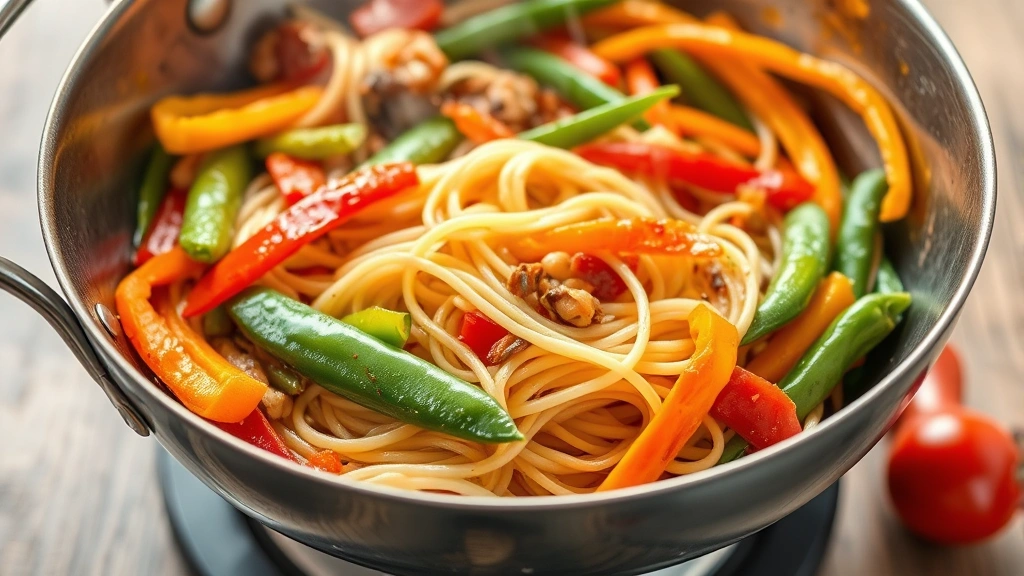
Stir-frying glass noodles with oil significantly increases caloric content—adding 100-150 calories depending on oil quantity. While this preparation method enhances palatability and satiety through fat addition, it transforms glass noodles from a low-calorie base into a more calorie-dense dish. Being intentional about oil quantities supports dietary goals.
Cold noodle salads combine glass noodles with vegetables, proteins, and dressings, creating nutritionally complete meals. This preparation style naturally incorporates fiber, vitamins, and minerals from vegetable components while maintaining the noodles’ structural role. The dressing contributes calories and flavor without relying solely on the noodles’ inherent taste.
Incorporating glass noodles into soups provides excellent nutritional synergy. The broth contributes flavor and potentially beneficial compounds from bones or vegetable stocks, while vegetables and proteins round out nutritional profiles. Soup preparation naturally moderates portion sizes through the broth component.
Avoiding high-calorie sauces and focusing on vegetable-forward preparations aligns glass noodles with health-conscious eating patterns. The noodles’ neutral flavor supports diverse culinary applications without requiring heavy seasoning or sauce components.
FAQ
Are glass noodles healthier than regular pasta?
Glass noodles and regular pasta occupy different nutritional spaces. Glass noodles offer fewer calories and more gluten-free accessibility, making them suitable for specific dietary needs. However, regular whole wheat pasta provides superior protein, fiber, and micronutrient density. The healthier choice depends on individual health goals, dietary restrictions, and how each noodle type is prepared and consumed within complete meals.
Do glass noodles have protein?
Glass noodles contain minimal protein—typically 0.5 to 2 grams per cooked serving. This protein content is substantially lower than wheat pasta (8g) or legume-based alternatives (10-15g). Individuals relying on glass noodles as protein sources should pair them with protein-rich foods like tofu, tempeh, fish, poultry, or legumes to meet daily protein requirements.
Can people with diabetes eat glass noodles?
Individuals with diabetes can consume glass noodles when incorporated strategically. Their moderate glycemic load becomes manageable when paired with protein and fiber sources that slow carbohydrate absorption. Portion control and meal composition matter more than complete avoidance. Consulting nutrition professionals with formal education helps personalize glass noodles’ role in individual diabetes management plans.
What makes glass noodles gluten-free?
Glass noodles are naturally gluten-free because they’re made from mung bean starch rather than wheat or barley. This composition makes them safe for individuals with celiac disease or gluten sensitivity, provided they’re processed in facilities without cross-contamination. Always verify labels for gluten-free certification when purchasing for those with celiac disease.
How do I make glass noodles more nutritious?
Enhance glass noodles’ nutritional value by incorporating substantial vegetables, plant-based or animal proteins, healthy fats, and herbs. Create vegetable-forward dishes where noodles provide structure rather than the primary component. Add legumes, nuts, seeds, and protein sources to boost micronutrient density and satiety. Visit the Nutrients Pathway Blog for additional recipe inspiration and nutritional guidance.
What’s the shelf life of glass noodles?
Properly stored dry glass noodles maintain quality for 2-3 years when kept in cool, dry conditions away from moisture and pests. Cooked glass noodles should be refrigerated and consumed within 3-4 days. The extended shelf life of dry noodles makes them convenient pantry staples for meal planning and emergency food supplies.
Do glass noodles contain any allergens?
Pure glass noodles made exclusively from mung bean starch are naturally free from common allergens including gluten, nuts, and seeds. However, some brands may include additional ingredients or process noodles in facilities handling allergens. Always read ingredient lists and allergen statements carefully, particularly for those with multiple food sensitivities.


