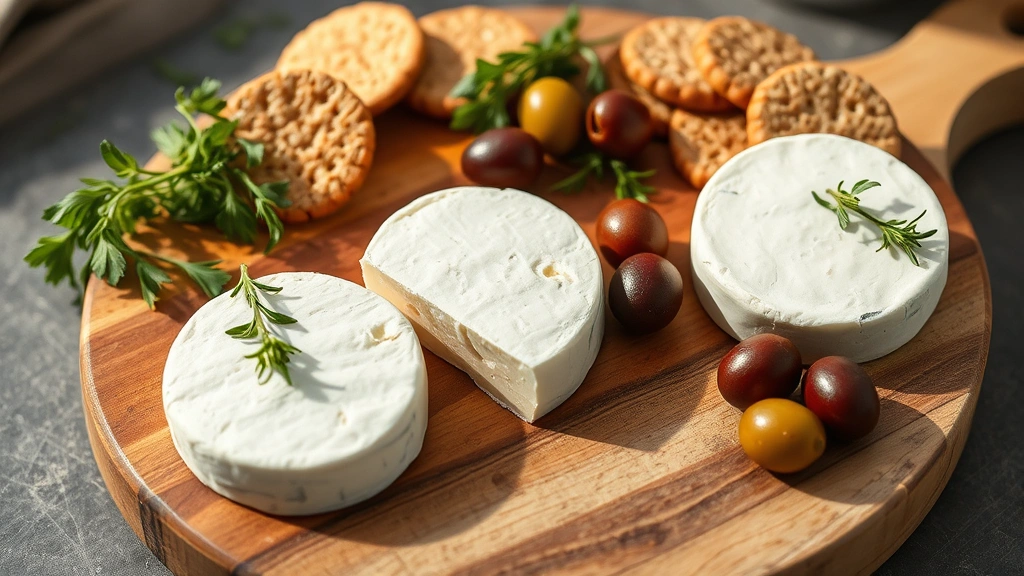
Is Goat Cheese Healthy? Dietitian Explains
Goat cheese has become increasingly popular in modern cuisine, appearing on restaurant menus and grocery store shelves with remarkable frequency. But beyond its distinctive tangy flavor and creamy texture, many people wonder whether this cheese genuinely fits into a healthy diet. As a registered dietitian, I’m frequently asked about goat cheese’s nutritional profile, and the answer is more nuanced than a simple yes or no.
The truth about goat cheese health benefits lies in understanding its unique composition compared to cow’s milk cheeses, recognizing portion sizes, and considering how it fits into your individual dietary goals. This comprehensive guide explores the science behind goat cheese nutrition, examining everything from its protein content to its digestibility, potential benefits, and important considerations for different populations.
Goat Cheese Nutrition Facts Breakdown
Understanding goat cheese’s nutritional profile requires examining a standard serving size, typically one ounce (28 grams). A one-ounce serving of goat cheese contains approximately 75 calories, 6 grams of fat, 5 grams of protein, and minimal carbohydrates—usually less than one gram. This macronutrient distribution makes goat cheese relatively calorie-dense, which is important for portion control.
The nutritional composition varies depending on the type of goat cheese you’re consuming. Fresh goat cheese, often called chèvre, tends to be softer and creamier, with slightly different ratios than aged varieties. Hard aged goat cheeses contain more concentrated nutrients due to moisture loss during the aging process. When comparing goat cheese to cow’s milk alternatives, the differences become more apparent and nutritionally significant.
One of the most distinctive features of goat cheese is its lower lactose content compared to cow’s milk cheeses. While cow’s milk contains approximately 4.8% lactose, goat cheese typically contains only 0.3% lactose or less, making it more tolerable for lactose-sensitive individuals. This difference stems from the unique bacterial cultures and production methods used in goat cheese manufacturing.
For those following a healthy nutrition plan, understanding these baseline numbers provides essential context for dietary decisions. The caloric density means that while goat cheese offers nutritional benefits, mindful portions remain important for weight management.
Digestibility and Lactose Content
The digestibility advantage of goat cheese represents one of its most compelling health arguments. Goat milk’s protein structure differs fundamentally from cow’s milk, with smaller fat globules and different casein proteins. These structural differences make goat cheese easier for many people to digest, even those with mild lactose sensitivity or dairy digestive concerns.
Research from the International Dairy Federation indicates that goat cheese’s reduced lactose content, combined with its unique protein composition, creates a product that many individuals with dairy sensitivity can tolerate better than cow’s milk cheeses. This doesn’t mean goat cheese is suitable for those with true dairy allergies, but it may be appropriate for people with lactose intolerance or milk sensitivity.
The aging process also influences digestibility. Aged goat cheeses undergo fermentation, during which beneficial bacteria further reduce lactose content and break down proteins into more easily digestible components. This means aged goat cheese varieties may be even more digestible than fresh chèvre, though the taste becomes progressively stronger and more complex.
Additionally, goat cheese contains naturally occurring probiotics when produced using traditional methods. These beneficial bacteria support gut health and may enhance overall digestive function. This connects directly to our understanding of how nutrition and mental health interconnect through the gut-brain axis, where digestive health influences neurological function.
Protein and Amino Acids
Goat cheese provides a complete protein source, containing all nine essential amino acids necessary for human health. Per ounce, it delivers approximately 5 grams of protein, making it a meaningful contributor to daily protein requirements. For context, this equals roughly 10% of the daily recommended protein intake for a 2,000-calorie diet.
The amino acid profile of goat cheese makes it particularly valuable for muscle maintenance and tissue repair. The presence of leucine, one of the branched-chain amino acids, supports muscle protein synthesis—a critical process for maintaining lean muscle mass as we age. This becomes especially relevant when considering nutrition for athletes and active individuals seeking to optimize recovery through strategic dietary choices.
What distinguishes goat cheese from plant-based protein sources is its completeness and bioavailability. The protein in goat cheese is highly bioavailable, meaning your body efficiently absorbs and utilizes it. This makes goat cheese an excellent protein source for older adults, athletes, and individuals recovering from illness who need efficient protein delivery.
For individuals implementing a nutrition care process, goat cheese can serve as a versatile protein component that works across various dietary approaches, from Mediterranean to low-carb frameworks.
Fat Profile and Heart Health
Goat cheese contains approximately 6 grams of fat per ounce, but the composition matters significantly for health considerations. Roughly 60% of goat cheese fat consists of medium-chain fatty acids (MCFAs), compared to only 20% in cow’s milk cheese. Medium-chain triglycerides are metabolized differently than long-chain fats, with some evidence suggesting they may have favorable effects on satiety and metabolism.
The saturated fat content in goat cheese warrants honest discussion. One ounce contains about 3.5 grams of saturated fat, representing roughly 18% of the daily recommended intake based on a 2,000-calorie diet. Current dietary guidelines suggest limiting saturated fat to 10% of daily calories, so goat cheese can fit within healthy eating patterns when portions remain moderate.
Research published in nutritional epidemiology journals indicates that the relationship between dairy fat and cardiovascular health is more complex than previously believed. Full-fat dairy products like goat cheese contain conjugated linoleic acid (CLA) and butyric acid, compounds with potential anti-inflammatory properties. Some studies suggest that full-fat dairy consumption may not increase cardiovascular disease risk when consumed in appropriate portions.
The fat-soluble vitamins in goat cheese—particularly vitamins A and K2—support bone health and cardiovascular function. These nutrients are only bioavailable in full-fat versions, making the fat content nutritionally valuable rather than purely problematic. Choosing full-fat goat cheese over reduced-fat versions may provide superior nutritional benefits despite slightly higher calorie content.
Micronutrients and Mineral Content
Beyond macronutrients, goat cheese delivers impressive micronutrient density. One ounce provides approximately 20% of the daily recommended value for selenium, a powerful antioxidant mineral that supports thyroid function and immune health. It also contains meaningful amounts of phosphorus, which works synergistically with calcium for bone health.
Calcium content in goat cheese reaches approximately 130 milligrams per ounce, representing about 13% of daily recommendations. This calcium is highly bioavailable, particularly in aged varieties where the aging process concentrates minerals. For individuals concerned about bone health, goat cheese offers a palatable dairy source of this critical mineral.
Goat cheese also provides vitamin B12, an essential nutrient that plant-based foods don’t naturally contain. This makes goat cheese particularly valuable for vegetarians and those seeking diverse B12 sources beyond animal meat. One ounce delivers approximately 0.2 micrograms of B12, contributing meaningfully to daily requirements.
The zinc content in goat cheese supports immune function, wound healing, and protein synthesis. Combined with its selenium content, goat cheese provides a synergistic mineral profile that supports multiple physiological systems. These micronutrients make goat cheese more than just a fat and protein source—it’s a nutrient-dense food when evaluated comprehensively.

Benefits for Specific Diets
Goat cheese aligns exceptionally well with several contemporary dietary approaches. For individuals following functional diagnostic nutrition principles, goat cheese offers digestible protein and bioavailable minerals without the inflammatory potential some associate with cow’s milk products.
In Mediterranean diet frameworks, goat cheese plays a traditional and central role. The dietary pattern emphasizing olive oil, vegetables, whole grains, and moderate dairy consumption has demonstrated cardiovascular benefits in extensive research. Goat cheese fits naturally into this pattern, providing protein and nutrients while supporting satiety on moderate calorie intakes.
For ketogenic diet followers, goat cheese offers an excellent macronutrient ratio with minimal carbohydrates and substantial fat content. Its lower carbohydrate content compared to many other cheeses makes it particularly suitable for strict carbohydrate restriction.
Paleo-aligned eating approaches often incorporate goat cheese, particularly aged varieties, as they more closely resemble foods consumed historically. The digestibility advantages align with paleo principles emphasizing easily absorbed nutrients and minimal inflammatory potential.
Those managing blood sugar concerns find goat cheese valuable due to its minimal carbohydrate content and protein-fat combination, which minimizes glycemic impact. The satiety-promoting properties of its fat and protein content support stable energy levels and reduced cravings.
Potential Drawbacks and Considerations
Despite numerous benefits, goat cheese isn’t universally appropriate or beneficial for everyone. Individuals with true dairy allergies must avoid it, as the proteins triggering allergic reactions exist in goat milk, albeit sometimes in different concentrations than cow’s milk. Allergy testing should precede consumption for those with suspected dairy allergies.
The sodium content in goat cheese—approximately 150 milligrams per ounce—represents a consideration for sodium-restricted diets. For individuals managing hypertension or heart failure, cumulative sodium intake from all sources requires monitoring, and goat cheese can contribute meaningfully to daily totals depending on consumption frequency.
Weight management requires honest portion acknowledgment. Goat cheese’s caloric density means that casual, unmeasured consumption can quickly exceed intended intake. Those tracking calories for weight loss must treat goat cheese as a measured component rather than a free food.
The cost of quality goat cheese may limit accessibility for some individuals. Artisanal varieties, in particular, command premium prices, potentially making regular consumption less feasible within limited food budgets. However, mass-produced varieties offer more affordable options with comparable nutritional profiles.
Interactions with certain medications warrant consideration. Vitamin K2 in goat cheese can interact with blood-thinning medications like warfarin, requiring consistent consumption patterns rather than sporadic intake. Individuals on such medications should discuss goat cheese consumption with their healthcare provider.
Practical Serving Recommendations
For most healthy adults, one to two ounces of goat cheese daily represents a reasonable intake that provides nutritional benefits without excessive calorie or sodium consumption. This quantity works well as a flavor-adding component to salads, vegetable dishes, or whole grain preparations rather than as a primary food.
Those managing weight should measure portions using a scale or visual reference, as goat cheese’s concentrated nutrients and calories make eyeballing portions unreliable. One ounce approximates the size of a standard matchbox—a useful visual reference for portion awareness.
Pairing goat cheese with fiber-rich foods like vegetables, legumes, and whole grains enhances the nutritional profile and creates more balanced meals. The fiber supports digestive health and moderates blood sugar response, while the goat cheese provides protein and satiety support.
Frequency of consumption depends on individual health goals and dietary patterns. Someone following a Mediterranean diet might incorporate goat cheese several times weekly, while someone managing weight loss might reserve it for weekly special occasions. Individualization based on personal health status and goals remains essential.
Those new to goat cheese should start with fresh varieties like chèvre, which have milder flavors and may be better tolerated than aged varieties. As comfort and tolerance increase, exploring aged goat cheeses offers different flavor profiles and potentially enhanced digestibility.
FAQ
Is goat cheese better than cow’s milk cheese nutritionally?
Goat cheese offers distinct advantages including lower lactose content, easier digestibility, and a favorable fat profile with more medium-chain fatty acids. However, “better” depends on individual tolerance and dietary needs. Those who tolerate cow’s milk cheese well may not experience significant differences. Those with lactose sensitivity or digestive concerns often find goat cheese superior.
Can people with lactose intolerance eat goat cheese?
Many people with lactose intolerance can tolerate goat cheese due to its minimal lactose content. However, true dairy allergies require avoidance. Individual tolerance varies significantly—some lactose-intolerant individuals consume goat cheese without issues, while others experience discomfort. Small trial portions help determine personal tolerance.
How much goat cheese should I eat daily?
One to two ounces daily represents a reasonable amount for most healthy adults, equivalent to roughly 75-150 calories. This quantity provides nutritional benefits while maintaining reasonable calorie and sodium intake. Those managing weight or specific health conditions should adjust based on individual goals and healthcare provider recommendations.
Does goat cheese support weight loss?
Goat cheese’s protein and fat content promotes satiety, potentially supporting weight management when consumed in measured portions. However, its caloric density means unmeasured consumption can hinder weight loss efforts. Incorporating it strategically into balanced meals rather than eating it freely supports weight management goals.
Is aged or fresh goat cheese healthier?
Aged and fresh goat cheese offer different advantages. Aged varieties contain more concentrated nutrients and potentially beneficial probiotics from extended fermentation. Fresh varieties provide creamier texture and milder flavor. From a health perspective, aged varieties may offer slight digestibility advantages, but both are nutritious options.
Can athletes use goat cheese for recovery?
Yes, goat cheese’s complete protein profile with all essential amino acids supports muscle recovery. Its bioavailable protein makes it efficient for post-exercise nutrition. Pairing it with carbohydrate sources creates optimal recovery nutrition, aligning with nutrition for athletes principles for performance optimization.


