
What’s in Jack in the Box Meals? A Comprehensive Dietitian Analysis of Nutrition Facts
Jack in the Box has served quick-service dining for decades, offering convenience-focused meals that appeal to busy consumers seeking affordable fast food options. However, understanding what you’re actually consuming—from caloric density to sodium levels to ingredient sourcing—requires a detailed nutritional breakdown. This analysis examines the chain’s most popular menu items through a dietitian’s lens, helping you make informed choices aligned with your health goals.
Whether you’re a regular customer or an occasional visitor, knowing the nutritional profile of Jack in the Box meals matters. The chain offers diverse options ranging from burgers and chicken sandwiches to salads and breakfast items, each with distinct nutritional signatures. Our examination focuses on transparency, ingredient quality, and how these meals fit within broader dietary patterns.
Signature Burgers and Caloric Content
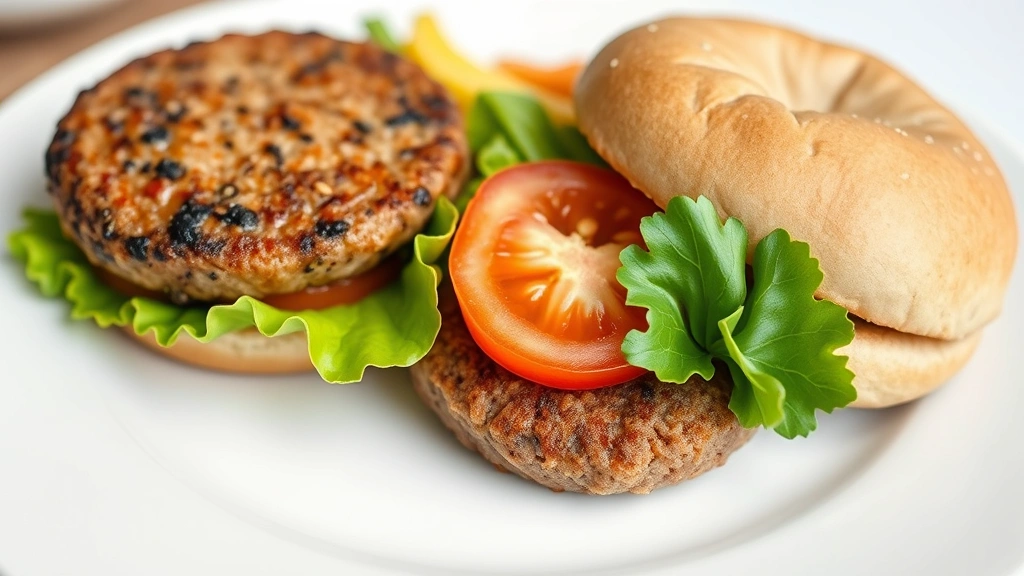
Jack in the Box’s burger lineup represents the foundation of their menu, with options spanning from the Hamburger to the Double Jack and specialty items. The classic Hamburger contains approximately 220 calories, 10 grams of fat, and 12 grams of protein—relatively modest for a burger. However, moving up the chain reveals significant caloric increases. The Jumbo Jack, for instance, delivers around 600 calories with 34 grams of fat, representing a substantial portion of a typical 2,000-calorie daily intake.
The Ultra Jack and Double Jack variants push caloric content even higher, with the Double Jack reaching approximately 450 calories from a single sandwich. These numbers matter because developing a healthy nutrition plan requires understanding portion-controlled options and their caloric implications. When combined with fries and beverages—the typical fast-food meal combination—a single visit can easily exceed 1,000 calories.
Dietitians note that burger quality depends on several factors beyond calories: beef sourcing, cooking methods, and condiment additions. Jack in the Box uses flame-grilled beef, which offers some advantages over steamed or fried preparations in terms of fat content management. However, the addition of mayonnaise-based sauces significantly increases fat calories. A burger with standard toppings may contain 15-20 grams of fat, with saturated fat comprising 6-9 grams—approaching or exceeding daily recommendations for some individuals.

Chicken Sandwiches and Protein Analysis
The chicken sandwich category offers alternatives for those seeking protein-focused nutrition for performance optimization. Jack in the Box’s Crispy Chicken Sandwich contains approximately 400 calories with 15 grams of protein, while the Grilled Chicken Sandwich provides a leaner option at around 300 calories with similar protein content. The distinction between crispy and grilled preparation significantly impacts fat content: crispy versions contain 17-20 grams of fat versus 9-12 grams in grilled preparations.
Protein quality matters beyond grams consumed. Chicken provides complete amino acid profiles necessary for muscle maintenance and recovery. However, the breading process in crispy versions adds refined carbohydrates and often includes partially hydrogenated oils or trans fats—ingredients increasingly scrutinized by nutritional scientists. The grilled chicken sandwich represents a better choice for those prioritizing nutrient density, though sodium levels remain elevated across both options, typically ranging from 700-900 milligrams per sandwich.
When evaluating chicken options, consider pairing selections with dietary fiber sources that support digestive health rather than standard fries. Many locations now offer side salads or apple slices as alternatives, though these typically involve additional charges.
Breakfast Items and Morning Nutrition
Jack in the Box breakfast offerings present unique nutritional challenges. The Breakfast Jack, their signature morning sandwich, contains approximately 290 calories with 17 grams of protein, making it relatively balanced for a breakfast item. However, most breakfast sandwiches incorporate processed meats—sausage or bacon—which carry higher sodium and saturated fat loads. A typical breakfast sandwich may contain 700-900 milligrams of sodium before consuming any accompanying beverage or side.
The Breakfast Burrito options range from 300-400 calories depending on protein selection, with some variants exceeding 1,000 milligrams of sodium. Scrambled eggs provide quality protein and choline—important for cognitive function—but the overall sodium profile makes these items problematic for daily consumption, particularly for individuals managing hypertension or following general nutritional guidance from our comprehensive blog resources.
Hash browns and other fried breakfast sides contribute significant calories and fat with minimal nutritional benefit. A serving of hash browns contains approximately 150 calories and 9 grams of fat, largely from cooking oils. When combined with a breakfast sandwich and beverage, total meal calories easily reach 600-800 before mid-morning, potentially consuming one-third to two-fifths of daily caloric allowance.
Sodium and Processed Ingredients
Perhaps the most significant nutritional concern across Jack in the Box’s menu involves sodium content. The American Heart Association recommends 2,300 milligrams of sodium daily, with an ideal limit of 1,500 milligrams for optimal cardiovascular health. A single Jack in the Box meal frequently contains 1,200-1,800 milligrams of sodium, leaving minimal allowance for other meals without exceeding daily recommendations.
This sodium concentration stems from multiple sources: preserved meats, cheese products, condiments, and cooking processes. Processed cheese contains sodium phosphate and other preservatives; condiments like ketchup and mayo contribute hidden sodium; even flame-grilled preparation involves salt-based seasoning. Research from Pew Research Center and nutritional epidemiology studies consistently link high fast-food sodium consumption to elevated blood pressure, particularly in susceptible populations.
Beyond sodium, processed ingredients include various additives: preservatives like sodium benzoate, flavor enhancers like monosodium glutamate (MSG), and artificial colors in some items. While these additives undergo FDA approval, cumulative exposure from frequent fast-food consumption warrants consideration. Some individuals report sensitivity to MSG or artificial additives, experiencing headaches or digestive discomfort.
Healthier Menu Alternatives
Despite the challenges outlined, Jack in the Box offers several relatively better choices. The Grilled Chicken Salad with dressing contains approximately 350 calories with balanced macronutrients, though sodium remains elevated at 800-900 milligrams. Requesting dressing on the side allows portion control, potentially reducing sodium by 200 milligrams.
The Asian Chicken Salad provides another option with approximately 400 calories, though the crispy noodles and creamy dressing increase fat content. Substituting the crispy noodles for grilled chicken or requesting half dressing can improve nutritional profile considerably. These salad options incorporate vegetables—lettuce, tomatoes, cucumbers—providing fiber and micronutrients absent from burger-focused meals.
Breakfast options improving nutritional value include ordering egg-based items without the meat component, or requesting substitute sides like fruit when available. Some locations accommodate special requests like grilling rather than frying, or omitting mayo-based spreads. Speaking with managers about modifications often yields positive results, particularly during slower service periods.
Understanding how individual items fit within broader dietary patterns matters more than perfect individual choices. An occasional Jack in the Box meal within an otherwise balanced diet presents minimal concern; weekly or more frequent visits create cumulative nutritional stress, particularly regarding sodium and saturated fat intake.
Dietary Fiber and Micronutrients
One of the most significant nutritional deficiencies in fast-food meals involves dietary fiber. Most Jack in the Box items contain less than 3 grams of fiber—well below the recommended 25-38 grams daily for adults. Burgers provide minimal fiber; even salads with processed dressings and crispy toppings often contain only 2-4 grams per serving.
This fiber deficit creates metabolic consequences. Insufficient fiber impairs digestive function, blood sugar regulation, and satiety signaling—meaning you feel less full despite consuming calorie-dense meals. Research consistently demonstrates that dietary fiber importance extends beyond digestive health to metabolic regulation and disease prevention.
Micronutrient profiles also reveal gaps. While Jack in the Box meals provide iron, zinc, and B vitamins from meat components, they often lack sufficient calcium, magnesium, and antioxidants. Vegetables included in sandwiches or salads undergo processing that reduces nutrient density compared to fresh produce. The absence of whole grains—most buns contain refined white flour—eliminates beneficial phytonutrients and minerals concentrated in grain bran layers.
Trans Fats and Oil Considerations
Modern Jack in the Box operations have largely eliminated artificial trans fats, replacing partially hydrogenated oils with alternatives. However, small amounts of naturally occurring trans fats remain in beef and dairy components. More importantly, the shift to other frying oils—often soybean or canola oil—introduces high omega-6 polyunsaturated fats.
Contemporary nutritional science increasingly focuses on omega-6 to omega-3 ratios. Most American diets contain excessive omega-6 relative to omega-3, promoting inflammatory states. Fast-food consumption exacerbates this imbalance through repeated exposure to seed oils used in commercial frying operations. While not immediately harmful, regular consumption contributes to chronic inflammation associated with cardiovascular disease, metabolic dysfunction, and cognitive decline.
Saturated fat content in Jack in the Box meals also warrants attention. Beef, cheese, and fried preparation methods concentrate saturated fat. A single burger with cheese and mayo may contain 10-15 grams of saturated fat—approaching or exceeding daily recommendations for some individuals. Current dietary guidelines suggest limiting saturated fat to 5-6% of total calories, or approximately 10-13 grams daily for a 2,000-calorie diet.
The cumulative effect of regular fast-food consumption—high omega-6, elevated saturated fat, minimal fiber, excessive sodium—creates a dietary pattern associated with metabolic syndrome, hypertension, dyslipidemia, and type 2 diabetes risk. Occasional consumption presents minimal concern; habitual reliance on fast food accelerates disease processes, particularly in genetically predisposed individuals.
FAQ
What Jack in the Box meal has the lowest calories?
The Hamburger contains approximately 220 calories, making it the lowest-calorie burger option. Breakfast Jack at 290 calories offers another relatively modest choice. However, pairing any entree with water instead of soda, and selecting apple slices or side salad instead of fries, significantly reduces total meal calories.
Is Jack in the Box chicken healthier than burgers?
Grilled chicken sandwiches offer lower saturated fat compared to beef burgers, though sodium levels remain similarly elevated. The nutritional advantage depends on preparation method—grilled chicken significantly outperforms crispy fried variants. Protein content differs minimally between options, typically ranging from 12-20 grams.
How much sodium is in a typical Jack in the Box meal?
Most complete meals—sandwich, fries, and beverage—contain 1,400-2,000 milligrams of sodium. A single sandwich typically contains 700-1,000 milligrams, while fries add 300-400 milligrams. This single meal often exceeds recommended daily sodium intake for optimal cardiovascular health.
Can I eat Jack in the Box while following a specific diet?
Modifications enable compatibility with various dietary approaches. Keto diets can accommodate burgers without buns and without fries. Vegetarian diets face limitations given meat-centric menu design, though salads offer options. Low-sodium diets require significant menu avoidance. Always request nutritional information and ingredient lists when available.
What’s the best side to order with Jack in the Box meals?
Apple slices or side salads without dressing provide fiber and micronutrients absent from fries. These options add minimal calories—typically 40-60 calories for fruit—while improving overall meal nutritional value. Some locations offer other produce options; inquiring about availability often yields positive surprises.
Does Jack in the Box use fresh ingredients?
Jack in the Box utilizes both fresh and processed components. Beef undergoes flame-grilling, which occurs on-site; however, beef patties arrive pre-formed from suppliers. Vegetables in salads are typically fresh; bread, sauces, and other components involve processing. The chain emphasizes food safety protocols and supply chain management, though ingredient sourcing differs from farm-to-table establishments.
How does Jack in the Box nutrition compare to competitors?
American Heart Association nutritional analyses show Jack in the Box comparably positioned with McDonald’s and Burger King regarding caloric content, saturated fat, and sodium. Wendy’s offers slightly fresher vegetable options in salads. Chick-fil-A provides lower-sodium grilled chicken alternatives. Individual menu items vary considerably; direct comparison requires examining specific selections rather than chain-level generalizations.


