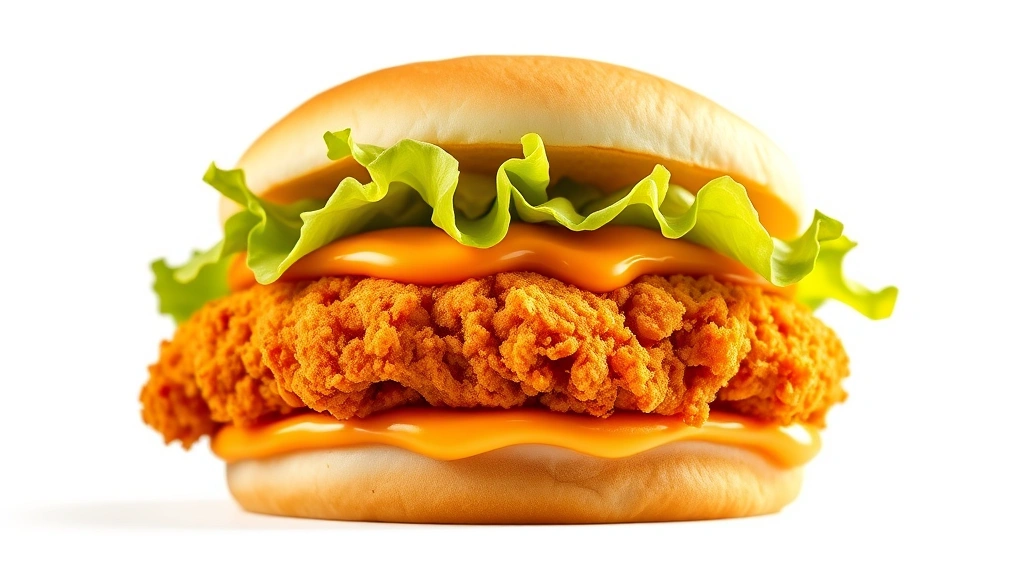
McChicken Nutrition Facts: Dietitian Analysis
The McDonald’s McChicken sandwich has been a fast-food staple since its introduction in 1988, offering consumers an affordable poultry-based option in an increasingly competitive quick-service restaurant landscape. Understanding the complete nutritional profile of this menu item is essential for anyone making informed dietary choices, whether you’re incorporating occasional fast food into a healthy nutrition plan or simply curious about what you’re consuming. This dietitian analysis examines the McChicken’s macronutrient composition, micronutrient content, and practical implications for different dietary goals.
As a registered dietitian nutritionist, analyzing fast-food items requires moving beyond surface-level calorie counts to understand how specific nutrients impact overall health, satiety, and metabolic function. The McChicken presents an interesting case study in portion control, protein delivery, and sodium management—three critical factors in modern nutrition science. By examining this sandwich through an evidence-based lens, we can better understand both its potential benefits and limitations within a balanced diet.
Complete McChicken Nutrition Facts Breakdown
The standard McDonald’s McChicken sandwich contains 400 calories per serving, derived from a breaded and fried chicken patty, mayonnaise-based sauce, lettuce, and a three-part bun structure. This caloric content represents approximately 20% of a 2,000-calorie daily diet, positioning it as a moderate-energy food item suitable for lunch or dinner incorporation. However, calories represent only one dimension of nutritional analysis; the source and distribution of these calories across macronutrients tells a more complete story about metabolic impact and satiety potential.
Total fat content reaches 16 grams per sandwich, with 3.5 grams coming from saturated fat—the type most strongly associated with elevated LDL cholesterol levels according to American Heart Association guidelines. Trans fat content is negligible at less than 0.5 grams, indicating improved formulation compared to earlier decades of fast-food preparation. The remaining fat comprises primarily unsaturated varieties, though the exact breakdown depends on the specific oil used in the frying process and sauce composition.
Carbohydrate content totals 39 grams per sandwich, with approximately 2 grams derived from dietary fiber and roughly 3-4 grams from added sugars. This macronutrient distribution suggests a moderate glycemic load, though the refined carbohydrate source (white bread bun) means rapid glucose absorption compared to whole-grain alternatives. The nutrition care process emphasizes understanding how specific food components affect individual metabolic responses, making this carbohydrate profile particularly relevant for individuals managing blood sugar regulation.
Protein content stands at 16 grams per sandwich, representing the most notable macronutrient strength of this menu item. This protein quantity, derived primarily from the chicken patty, provides substantial satiety signaling and supports muscle maintenance across various life stages. The protein-to-calorie ratio of 16% aligns favorably with nutrition science recommendations for satiety-promoting meals, though the overall meal composition requires evaluation within the context of accompanying items and daily protein targets.

Macronutrient Analysis and Composition
Understanding macronutrient ratios provides valuable insight into how the McChicken functions within different dietary frameworks. The sandwich delivers approximately 36% of calories from fat, 39% from carbohydrates, and 16% from protein. This distribution skews slightly toward fat and carbohydrate energy sources, which may be suboptimal for individuals prioritizing protein intake for body composition goals or seeking sustained energy without rapid glucose fluctuations.
The fat composition warrants particular attention from a cardiovascular health perspective. While 16 grams of total fat represents a moderate amount, the context matters considerably. The 3.5 grams of saturated fat occupies approximately 18% of the daily recommended saturated fat limit (20 grams for a 2,000-calorie diet), making the McChicken a reasonable choice for individuals monitoring saturated fat intake—provided other meals maintain lower saturated fat levels. The mayonnaise-based sauce contributes significantly to both total and saturated fat content, representing a modification opportunity for custom ordering.
Carbohydrate quality represents a significant nutritional consideration. The 39-gram carbohydrate content derives almost entirely from refined sources—primarily the enriched wheat flour bun with minimal whole grain contribution. This macronutrient composition results in a rapid glycemic response, potentially triggering blood sugar elevation within 15-30 minutes of consumption. For individuals managing diabetes, prediabetes, or seeking stable energy levels throughout the day, this rapid carbohydrate absorption presents a limitation. However, when paired with protein and fat (both present in adequate quantities within the McChicken itself), the overall glycemic impact moderates somewhat compared to carbohydrate-only meals.
The protein quality of the McChicken merits detailed analysis. The 16 grams of protein contains all nine essential amino acids in quantities sufficient to support various physiological functions, though the exact amino acid profile varies based on processing methods and ingredient sourcing. From a nutrition for athletes perspective, the protein quantity alone proves insufficient for post-workout recovery optimization, yet serves adequately as a protein contribution within a complete daily diet. The protein bioavailability—the percentage of consumed protein your body can actually utilize—remains high for chicken-derived protein, approaching 95% absorption efficiency.
Sodium Content and Cardiovascular Health
Sodium content emerges as the McChicken’s most significant nutritional concern, containing 840 milligrams per sandwich. This quantity represents 36% of the daily recommended sodium limit (2,300 mg according to CDC recommendations), with the majority derived from the sauce, bun, and processing agents used in chicken patty preparation. For individuals with hypertension, sodium sensitivity, or family history of cardiovascular disease, this single menu item consumes more than one-third of their daily sodium allowance in a single meal.
The sodium content distribution across McChicken components reveals important modification opportunities. Approximately 300 milligrams derives from the bun through salt addition during formulation, roughly 250 milligrams comes from the chicken patty seasoning and processing, and the remaining 290 milligrams originates from the sauce and additional condiments. This distribution suggests that requesting the sandwich without sauce could reduce sodium by approximately 34%, though this modification would also reduce palatability and fat-soluble vitamin content from the sauce base.
Long-term sodium consumption patterns influence cardiovascular health through multiple mechanisms, including blood pressure elevation, arterial stiffness development, and increased left ventricular hypertrophy risk. Research published in Hypertension journal demonstrates that reducing dietary sodium by 1,000 milligrams daily produces measurable blood pressure reductions of approximately 5-6 mmHg systolic and 2-3 mmHg diastolic in sodium-sensitive individuals. For individuals consuming the McChicken as part of a regular dietary pattern, this sodium contribution accumulates substantially across weekly and monthly timeframes.
Balancing the sodium concern requires contextual consideration of overall dietary patterns. If the McChicken represents an occasional menu choice (fewer than two times monthly) within an otherwise sodium-controlled diet emphasizing whole foods, the cardiovascular impact remains minimal. Conversely, if fast-food consumption occurs multiple times weekly, the cumulative sodium load becomes problematic regardless of other positive nutritional attributes. The nutrition facts label generator tools help visualize how single food items fit within daily sodium targets, providing valuable perspective for meal planning.
Protein Quality and Satiety Factors
The McChicken’s 16-gram protein content deserves recognition as its primary nutritional strength, particularly for a fast-food item positioned at an accessible price point. Chicken protein delivers high-quality amino acids including substantial leucine content—the branched-chain amino acid most critical for triggering muscle protein synthesis pathways. At approximately 1.2 grams of leucine per sandwich, the McChicken provides roughly 30% of the leucine threshold (approximately 2-3 grams) needed to maximally stimulate muscle protein synthesis in adults.
Satiety—the sensation of fullness and satisfaction following food consumption—depends significantly on protein intake, meal composition, and eating rate. The McChicken’s protein-to-calorie ratio of 1.6 grams per 25 calories compares favorably with many processed foods, though it falls below optimal satiety thresholds (typically 2+ grams protein per 25 calories). This moderate satiety potential explains why many consumers report moderate hunger return within 2-3 hours of McChicken consumption, particularly if consumed without additional fiber or protein sources.
The cooking method—deep frying—affects protein structure through heat denaturation, which paradoxically increases protein digestibility despite the associated fat content increase. The breading coating both insulates the chicken patty during frying and creates a textural contrast that enhances mastication (chewing) duration, which independently contributes to satiety signaling through increased oral processing time. This mechanical aspect of eating often receives overlooked attention in nutritional analysis, yet influences post-meal satisfaction considerably.
Amino acid timing—the consumption of complete protein sources throughout the day—contributes to sustained muscle maintenance and metabolic function. The McChicken’s complete amino acid profile means it functions effectively as a protein source for this purpose, though optimal outcomes require distribution across multiple meals rather than concentration in single eating occasions. For individuals pursuing muscle gain or maintenance, incorporating the McChicken protein into a day containing total protein intake of 1.6-2.2 grams per kilogram of body weight supports these goals adequately.
Micronutrients and Dietary Gaps
Beyond macronutrient composition, the McChicken delivers modest quantities of several micronutrients essential for physiological function. The sandwich provides approximately 8% of daily recommended iron intake (2.6 mg), sourced primarily from the chicken patty and enriched flour bun. This iron represents heme iron from the chicken source—the more bioavailable form compared to non-heme iron from plant sources—suggesting approximately 15-35% absorption efficiency depending on individual iron status and concurrent nutrient intake.
Niacin (vitamin B3) content reaches approximately 5 mg per sandwich, representing 31% of daily recommendations for adult men and 35% for adult women. This B-vitamin plays critical roles in energy metabolism, DNA repair, and cellular signaling. The enriched bun contributes substantially to niacin content, as flour enrichment protocols mandate niacin addition to replace losses during grain processing. Phosphorus content provides approximately 200 mg, supporting bone health and energy metabolism, though the typical American diet rarely demonstrates phosphorus deficiency concerns.
Notably absent or present in minimal quantities are several micronutrients critical for optimal health. Vitamin C content is negligible (less than 2% daily value), reflecting the absence of fresh produce components. Calcium content remains low at approximately 100 mg (8% daily value), limiting the McChicken’s contribution to bone health and neuromuscular function. Dietary fiber totals only 2 grams, falling substantially below recommendations for adequate digestive function and glycemic control support.
The micronutrient gaps in the McChicken become apparent when evaluating it as a complete meal rather than a component within a larger dietary pattern. To achieve nutritional completeness, pairing the McChicken with side items providing vegetables, additional fiber, and micronutrient density becomes essential. Adding a side salad with vinaigrette dressing would contribute vitamin C, additional fiber, and micronutrient diversity, though this modification substantially increases meal cost and caloric content.
Comparison with Competitor Chicken Sandwiches
Positioning the McChicken within the competitive fast-food landscape reveals important comparative advantages and disadvantages. Chick-fil-A’s Chicken Sandwich contains 440 calories, 19 grams protein, and 1,490 mg sodium—higher in calories and sodium but superior in protein content. Popeyes’ Classic Chicken Sandwich delivers 440 calories, 24 grams protein, and 1,300 mg sodium, demonstrating that larger chicken patties and more generous portioning increase nutritional density while moderating sodium-per-calorie ratios. Wendy’s Crispy Chicken Sandwich provides 350 calories, 15 grams protein, and 680 mg sodium, offering a lower-calorie alternative with reduced sodium content.
The McChicken’s strategic positioning emerges as a lower-calorie, lower-sodium option compared to most direct competitors, though sacrificing protein content and satiety potential in the process. For consumers prioritizing caloric restriction or sodium management, the McChicken represents a defensible choice. For those seeking maximum satiety and muscle-supporting protein content, competitor products may prove more nutritionally efficient despite higher absolute sodium content.
Price-per-calorie and price-per-gram-protein analysis further contextualizes the McChicken’s value proposition. At typical pricing of $1.50-$2.50, the McChicken delivers approximately 160-270 calories per dollar and 6.4-10.7 grams protein per dollar—among the most economical fast-food protein sources available. This affordability factor proves particularly relevant for food-insecure populations and individuals with limited discretionary food budgets, where the McChicken’s nutritional contributions substantially exceed alternatives available at comparable price points.
Practical Integration into Dietary Patterns
Determining appropriate McChicken consumption frequency requires considering individual health status, dietary goals, and overall dietary pattern characteristics. For individuals with well-controlled blood pressure and no cardiovascular disease risk factors, consuming the McChicken 1-2 times monthly presents minimal health concerns when incorporated into an otherwise nutrient-dense dietary pattern. The key consideration involves contextual integration—pairing the McChicken with nutrient-dense sides, limiting additional sodium sources in other meals, and ensuring adequate vegetable and fiber intake throughout the day.
For individuals managing hypertension or cardiovascular disease, the 840 mg sodium content warrants more conservative consumption patterns. Incorporating the McChicken once monthly or less frequently, while requesting sauce removal or substitution with lower-sodium alternatives, represents a practical accommodation approach. Simultaneously consuming potassium-rich foods (bananas, sweet potatoes, leafy greens) and limiting other processed foods throughout the day helps counterbalance the sodium load and supports blood pressure management.
Athletes and individuals in active muscle-building phases can leverage the McChicken’s protein contribution as part of a complete post-workout meal, though pairing it with additional protein sources and carbohydrate-rich sides optimizes muscle protein synthesis stimulation. The 16 grams protein alone proves insufficient for maximal recovery stimulus, but combining the McChicken with a carbohydrate side (french fries, apple slices) and potentially a protein shake creates a more complete recovery meal supporting glycogen replenishment and protein synthesis simultaneously.
For weight management and satiety optimization, several practical modifications enhance the McChicken’s nutritional profile. Requesting the sandwich without sauce removes approximately 100 calories and 290 mg sodium while reducing fat content substantially. Adding a side salad or apple slices increases meal volume, fiber content, and micronutrient density without significantly increasing caloric content. Consuming the McChicken more slowly, with mindful attention to chewing and satiety cues, extends meal duration and enhances satisfaction signaling through extended oral processing time.
The Nutrients Pathway Blog offers additional resources for contextualizing fast-food choices within comprehensive dietary patterns, providing evidence-based guidance for balancing convenience, affordability, and nutritional quality. Understanding how individual food items contribute to overall dietary patterns—rather than evaluating foods in isolation—represents the most pragmatic approach to sustainable nutrition decision-making.
FAQ
Is the McChicken a healthy choice?
The McChicken presents a mixed nutritional profile—moderate in calories and protein, but elevated in sodium and refined carbohydrates. Whether it constitutes a “healthy” choice depends entirely on individual health status, dietary goals, and consumption frequency. For occasional consumption within an otherwise nutrient-dense dietary pattern, the McChicken poses minimal health concerns. For frequent consumption or in individuals managing sodium-sensitive conditions, more nutritious alternatives warrant prioritization.
How does the McChicken compare nutritionally to a grilled chicken sandwich?
Grilled chicken sandwiches typically contain 50-100 fewer calories, 2-4 grams less fat, and comparable protein content compared to the fried McChicken. The grilling method preserves protein quality while reducing fat absorption, making grilled options nutritionally superior for most health goals. However, sodium content often remains similarly elevated across fast-food chicken sandwiches regardless of preparation method, as salt addition during seasoning and sauce preparation dominates the sodium contribution.
Can I eat McChicken on a weight loss diet?
The McChicken’s 400 calories and 16 grams protein can fit appropriately within weight loss diets, particularly when paired with lower-calorie sides and adequate protein from other sources. The moderate satiety potential suggests pairing with additional fiber or protein sources to enhance fullness signaling. The key consideration involves overall daily caloric intake and sodium management—if daily sodium exceeds 2,300 mg due to multiple McChicken consumptions or other high-sodium foods, water retention may mask fat loss progress temporarily.
What modifications reduce McChicken sodium content?
Requesting the sandwich without sauce removes approximately 290 mg sodium (34% reduction). Requesting light mayo reduces fat and sodium simultaneously. Substituting the bun with a lettuce wrap (where available) removes approximately 300 mg sodium from the bun alone, though this modification significantly alters the sandwich structure and eating experience. These modifications collectively can reduce sodium content to approximately 250 mg—roughly 11% of daily recommendations.
Does the McChicken provide adequate protein for muscle building?
The 16-gram protein content contributes meaningfully to daily protein intake but proves insufficient as a standalone post-workout protein source. For optimal muscle protein synthesis stimulation, combine the McChicken with additional protein sources (protein shake, Greek yogurt, additional meat) to achieve 30-40 grams total protein per meal. The McChicken functions effectively as a protein component within a comprehensive daily diet supporting muscle development, particularly when total daily protein intake reaches 1.6-2.2 grams per kilogram body weight.


