
Nutella Nutrition Facts: Dietitian Insights on Hazelnut Spread Consumption
Nutella has become a global phenomenon since its introduction in the 1960s, gracing breakfast tables, dessert recipes, and snack bowls across millions of households. Yet despite its widespread popularity and nostalgic appeal, many consumers remain uncertain about what they’re actually consuming with each spoonful. As a dietitian resource, understanding Nutella nutrition facts is essential for making informed dietary choices that align with your health goals. This comprehensive analysis examines the nutritional composition of this beloved hazelnut-chocolate spread, exploring both its benefits and potential concerns through an evidence-based lens.
The intersection of indulgence and nutrition presents a complex landscape for modern eaters. While Nutella offers certain nutritional elements worth acknowledging, its high sugar and fat content warrants careful consideration within the context of an overall balanced diet. This guide provides dietitian-backed insights into Nutella’s nutritional profile, helping you understand portion control, ingredient quality, and how to incorporate this spread mindfully into your eating patterns.
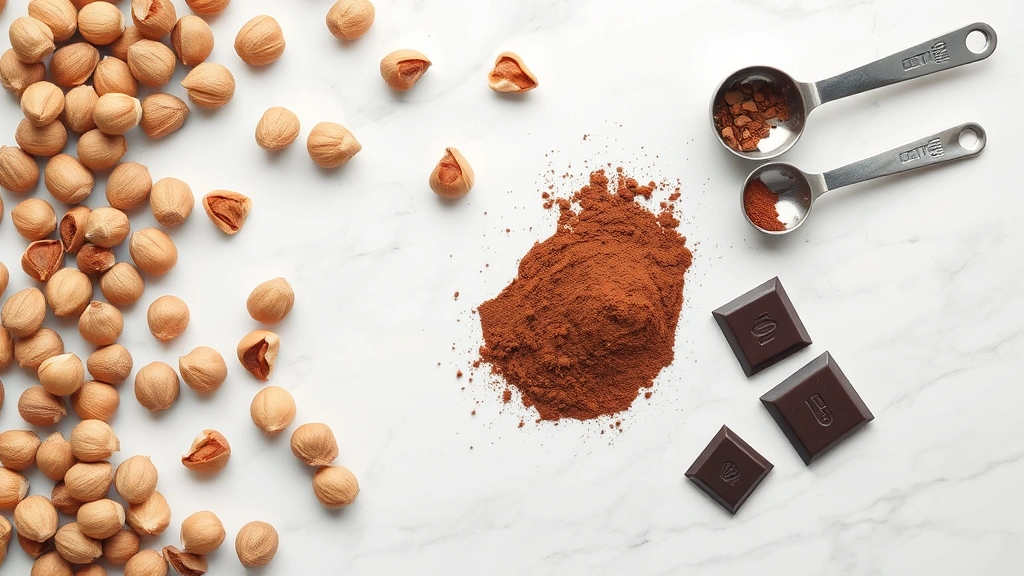
Complete Nutritional Breakdown of Nutella
Per two-tablespoon (37-gram) serving, Nutella contains approximately 200 calories, making it a calorie-dense condiment that requires mindful portioning. The standard serving size represents the amount typically spread on a slice of bread or used in baking applications. According to FDA nutrition labeling guidelines, manufacturers must provide complete transparency regarding macronutrient and micronutrient content.
The ingredient list reveals that Nutella consists primarily of sugar, palm oil, hazelnuts, cocoa, skimmed milk powder, whey, lecithin, and vanillin. This formulation has remained relatively consistent across markets, though some regional variations exist. Understanding the order of ingredients—which indicates relative proportion by weight—helps consumers recognize that sugar actually comprises the largest component by weight, followed by palm oil and hazelnuts.
Dietitians frequently reference Nutella when discussing nutrition care manual principles around discretionary foods and added sugars. The spread functions as a concentrated source of energy and pleasure foods rather than a nutrient-dense staple. When incorporated into a healthy nutrition plan, portion awareness becomes paramount.
Caloric Content and Macronutrient Distribution
The caloric density of Nutella—approximately 5.4 calories per gram—positions it alongside other oil-based spreads and chocolate products. For context, peanut butter contains roughly 1.6 calories per gram in its natural form, making Nutella significantly more energy-concentrated. This distinction matters for individuals tracking total caloric intake or managing weight-related health conditions.
Breaking down the macronutrient composition per serving reveals:
- Carbohydrates: 23 grams (including 21 grams of sugar)
- Total Fat: 11 grams (including 3.5 grams of saturated fat and 6.5 grams of unsaturated fats)
- Protein: 4 grams
- Dietary Fiber: 1 gram
The carbohydrate-to-protein ratio of approximately 6:1 indicates that Nutella provides minimal satiety benefit relative to its caloric load. Protein content derives primarily from milk powder and hazelnuts, neither contributing substantially to overall protein density. This macronutrient distribution explains why nutritionists recommend pairing Nutella with protein-rich foods—whole grain bread, Greek yogurt, or nuts—to improve satiety and blood sugar management.
Research from the Academy of Nutrition and Dietetics emphasizes that foods combining high simple carbohydrates with minimal protein or fiber can trigger rapid blood glucose spikes. Nutella exemplifies this concern, particularly for individuals with diabetes, prediabetes, or metabolic syndrome.
Sugar Content and Health Implications
Perhaps the most significant nutritional concern regarding Nutella centers on its refined sugar content. At 21 grams of sugar per serving, a single spread-covered toast slice consumes approximately 84% of the American Heart Association’s recommended daily added sugar limit for women (25 grams) and 53% for men (36 grams). This concentration of added sugars warrants careful consideration within broader dietary patterns.
The World Health Organization recommends limiting free sugars to less than 10% of total daily energy intake, with additional benefits observed at levels below 5%. For a 2,000-calorie diet, this translates to 50 grams maximum (ideally 25 grams) of added sugars daily. Nutella’s sugar profile alone can monopolize this allocation.
Regular consumption patterns deserve examination. A child consuming Nutella on toast daily accumulates 7,665 grams of added sugar annually from this single source—approximately 30 pounds of refined sugar per year. Over time, excessive added sugar consumption correlates with:
- Type 2 diabetes development
- Cardiovascular disease risk elevation
- Dental caries and enamel erosion
- Inflammatory markers increase
- Metabolic dysfunction and obesity
- Cognitive performance decline in children
For individuals working with dietitians on nutrition and mental health optimization, excessive refined sugar intake presents particular concern due to emerging research linking high-glycemic foods to mood disorders and cognitive impairment.
Fat Profile: Understanding the Lipid Composition
Nutella’s fat composition merits nuanced discussion, as the spread contains both beneficial and potentially problematic lipid types. Per serving, the 11 grams of total fat breaks down as follows:
Saturated Fat (3.5g): Primarily from palm oil and cocoa butter, saturated fats in Nutella contribute to the product’s shelf stability and smooth texture. However, excessive saturated fat consumption—particularly when combined with high refined sugar intake—may negatively impact LDL cholesterol levels and cardiovascular risk profiles. The American Heart Association recommends limiting saturated fat to 5-6% of total daily calories, meaning a 2,000-calorie diet should include no more than 13 grams daily.
Unsaturated Fats (6.5g): These primarily derive from hazelnuts and include monounsaturated and polyunsaturated varieties. Hazelnut oil contains oleic acid, a monounsaturated fatty acid with anti-inflammatory properties and potential cardiovascular benefits. This component represents one of Nutella’s few nutritionally positive aspects, though the overall formulation limits its benefit.
The inclusion of palm oil specifically warrants attention. Beyond health considerations, palm oil production involves significant environmental concerns including deforestation and habitat destruction. Many consumers and dietitians increasingly consider environmental sustainability when evaluating food products, extending beyond purely nutritional analysis.
Micronutrients and Mineral Content
While Nutella’s macronutrient profile presents concerns, its micronutrient contribution remains modest. Per serving, the spread provides:
- Calcium: 60 mg (approximately 5% of daily value)
- Iron: 0.7 mg (approximately 4% of daily value)
- Phosphorus: Approximately 60 mg
- Magnesium: Minimal amounts
- Potassium: Negligible contribution
The calcium and iron contributions derive from milk powder addition, though bioavailability may be reduced due to the presence of phytic acid in hazelnuts and cocoa. The mineral profile does not justify Nutella consumption from a micronutrient density perspective. Individuals seeking calcium and iron would benefit substantially more from whole food sources including leafy greens, legumes, fortified grains, or lean proteins.
Notably absent are meaningful quantities of vitamins A, C, D, E, and B-complex vitamins. While hazelnuts naturally contain vitamin E and B vitamins, the quantities in Nutella remain inconsequential relative to daily requirements.
Ingredient Analysis and Food Safety
Examining Nutella’s ingredient list reveals a highly processed formulation with multiple additives designed to enhance texture, stability, and palatability. The primary ingredients include:
Sugar (first ingredient): Refined white sugar providing sweetness and energy without nutritional complexity. Some formulations include glucose syrup, adding another simple carbohydrate.
Palm Oil (second ingredient): Provides the characteristic creamy texture and extends shelf life. Partially hydrogenated palm oil in some older formulations has been phased out due to trans fat concerns, though current Nutella uses non-hydrogenated palm oil. Nevertheless, the environmental impact of palm cultivation remains significant.
Hazelnuts (third ingredient): The primary nut component, contributing protein, healthy fats, vitamin E, and polyphenols. Hazelnuts offer genuine nutritional value, though their contribution is diluted by other ingredients.
Cocoa (fourth ingredient): Provides chocolate flavor, polyphenols, and theobromine. Cocoa itself contains beneficial compounds including flavonoids with antioxidant properties, though the processing and sugar concentration limit these benefits.
Skimmed Milk Powder and Whey: Contribute calcium and milk proteins, though the quantities remain modest.
Lecithin: An emulsifier derived from soy (or sunflower in some formulations) that maintains product consistency and prevents separation.
Vanillin: Synthetic vanilla flavoring that enhances palatability.
Food safety considerations regarding Nutella have historically been minimal, with the product meeting regulatory standards across major markets. However, the 2013 palm oil controversy—when Nutella temporarily changed formulation citing safety concerns—raised questions about transparency and ingredient sourcing practices.
Portion Control Strategies
For individuals who enjoy Nutella and wish to include it within a balanced diet, strategic portion management becomes essential. Rather than elimination, which often proves unsustainable psychologically, dietitians recommend integration with awareness.
Standard Portion Guidelines: Limit Nutella to one serving (two tablespoons) maximum per day, preferably less frequently. This approach allows enjoyment while containing sugar and caloric impact.
Pairing Strategies: Always combine Nutella with nutrient-dense foods that improve the overall nutritional profile:
- Whole grain bread (adds fiber and sustained energy)
- Greek yogurt (adds protein and probiotics)
- Fresh berries (adds vitamins, minerals, and fiber)
- Almonds or hazelnuts (adds additional protein and healthy fats)
- Apple slices (adds fiber and micronutrients)
Measurement Tools: Use measuring spoons rather than spreading directly from the jar, as this prevents unconscious overconsumption. Pre-portioned servings in small containers can help with portion awareness.
Frequency Modulation: Rather than daily consumption, consider limiting Nutella to 2-3 times weekly or reserving it for special occasions. This approach reduces cumulative sugar and caloric intake while preserving the pleasure and novelty factor.
When developing tips for meal planning, dietitians recommend calculating how discretionary foods like Nutella fit within total daily macronutrient and micronutrient targets, ensuring they don’t compromise nutritional adequacy elsewhere.
Incorporating Nutella Into Healthy Nutrition Plans
Contrary to restrictive dietary approaches, modern nutrition science emphasizes flexible moderation and food enjoyment. For individuals following evidence-based nutrition care manual principles, Nutella can fit within healthy patterns when approached strategically.
For Weight Management: Individuals in caloric deficit should be particularly cautious with Nutella due to its caloric density and minimal satiety contribution. A single two-tablespoon serving represents 200 calories—approximately 10% of a typical 2,000-calorie daily target. If weight loss is the goal, these calories might be better allocated to whole foods providing greater satiety and nutritional return.
For Athletic Performance: Athletes pursuing nutrition for athletes and performance optimization might occasionally incorporate small Nutella portions as part of pre-exercise carbohydrate loading. However, the sugar concentration without fiber makes it suboptimal compared to alternatives like dates, bananas, or sports-specific products.
For Metabolic Health: Individuals with diabetes, prediabetes, or insulin resistance should minimize or eliminate Nutella consumption due to its high glycemic load and rapid blood sugar impact.
For Children: Pediatric nutrition considerations suggest limiting Nutella exposure, particularly given the obesity and type 2 diabetes epidemics affecting younger populations. When children do consume Nutella, pairing it with protein sources and teaching portion awareness establishes healthier relationships with sweet foods.
Healthier Alternatives and Comparisons
Numerous alternatives exist for consumers seeking chocolate-hazelnut enjoyment with improved nutritional profiles:
Natural Hazelnut Butter: Pure hazelnut butter without added sugars provides the hazelnut-derived nutrients without refined sugar concentration. Typically containing 2-3 grams of sugar per serving (from natural plant sugars) versus Nutella’s 21 grams, the difference is substantial. The trade-off involves less chocolatey flavor and slightly grittier texture.
Dark Chocolate and Hazelnuts: Combining 70% cocoa dark chocolate (2-3 squares) with a handful of hazelnuts provides similar satisfaction with better nutritional density. Dark chocolate offers greater polyphenol concentration, while whole hazelnuts provide fiber and sustained satiety.
Almond Butter with Cocoa Powder: Mixing natural almond butter with unsweetened cocoa powder and a small amount of honey creates a chocolate-flavored spread with significantly higher protein content and lower added sugar.
Store-Brand Alternatives: Many retailers offer reduced-sugar hazelnut spreads with 8-10 grams of sugar per serving, representing meaningful reductions without eliminating the product category entirely.
Comparative analysis reveals that most commercially available chocolate-hazelnut spreads mirror Nutella’s nutritional profile closely, as they follow similar formulations using sugar and palm oil as primary ingredients. The market has not substantially innovated toward healthier versions, suggesting that consumer demand for traditional Nutella remains strong despite nutritional concerns.
FAQ
Is Nutella safe for daily consumption?
While Nutella is food-safe and regulated, daily consumption poses nutritional concerns due to excessive added sugar. Most health organizations recommend limiting added sugars, making daily Nutella consumption inconsistent with dietary guidelines. Occasional consumption—2-3 times weekly maximum—aligns better with evidence-based recommendations.
Does Nutella contain any health benefits?
Nutella’s primary nutritional value derives from hazelnuts, which provide healthy monounsaturated fats, vitamin E, and polyphenols. However, these benefits are substantially diminished by the high sugar and palm oil content. The overall product offers minimal nutritional advantage compared to whole nuts or dark chocolate consumed separately.
How much Nutella can children safely consume?
Children have lower daily added sugar recommendations than adults—the American Academy of Pediatrics recommends less than 6 teaspoons (25 grams) daily for children ages 2-18. One serving of Nutella exceeds this limit, suggesting that children should consume it rarely and in small portions paired with nutritious foods.
Is Nutella suitable for diabetic diets?
No. Nutella’s high glycemic load and refined sugar concentration make it inappropriate for individuals with diabetes or prediabetes. The rapid blood sugar spike it causes can destabilize glucose control and complicate management of these conditions.
How does Nutella compare nutritionally to peanut butter?
Natural peanut butter contains significantly less sugar (1-2 grams per serving versus 21 in Nutella), higher protein content (8 grams versus 4), and greater satiety value. Peanut butter represents a substantially more nutritious choice, though both should be consumed in measured portions due to caloric density.
Can Nutella be part of a healthy diet?
Yes, in strictly limited quantities and with strategic pairing. Occasional small portions (1-2 teaspoons) combined with whole grains, proteins, and fruits can fit within balanced eating patterns. The key involves treating Nutella as an occasional indulgence rather than a dietary staple.
What makes Nutella so appealing if it’s nutritionally problematic?
Nutella combines multiple pleasure-inducing components: sugar activates reward pathways in the brain, fat provides sensory satisfaction, and the chocolate-hazelnut flavor profile appeals broadly across cultures. Additionally, marketing and childhood associations create emotional connections that transcend nutritional analysis. Understanding this psychology helps individuals make conscious choices rather than defaulting to habit-based consumption.


