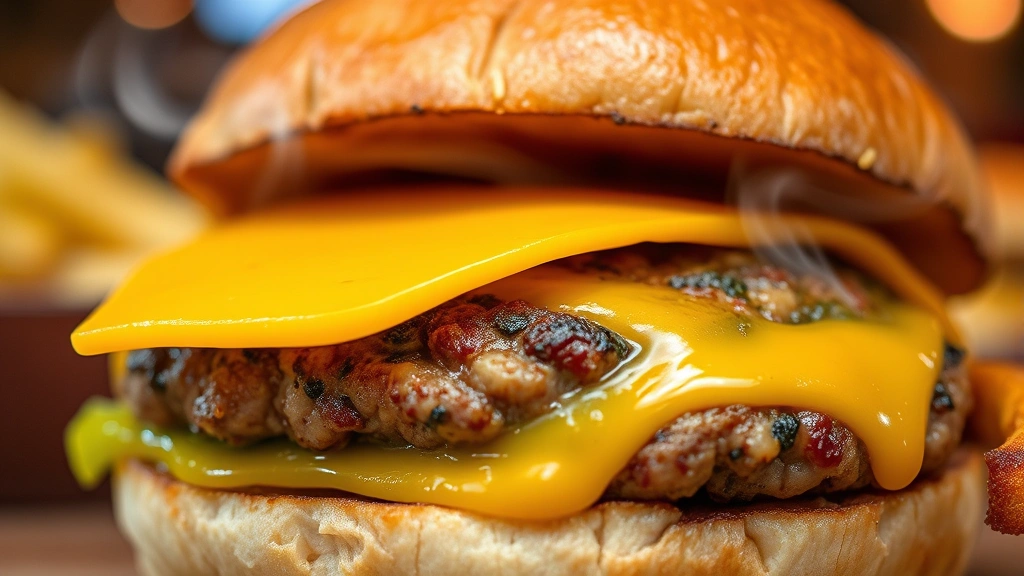
American Cheese Slice: Nutritional Breakdown Guide
American cheese slices have become a dietary staple in countless households across the United States, appearing on burgers, sandwiches, and in countless recipes. Despite their ubiquity, many consumers remain unaware of the precise nutritional composition of this processed cheese product. Understanding the nutrition facts of American cheese slices is essential for making informed dietary choices, whether you’re tracking macronutrients, managing sodium intake, or simply seeking to understand what you’re consuming.
This comprehensive guide examines every aspect of American cheese nutrition, from caloric content to micronutrient profiles, processing methods, and how this ingredient fits into various dietary frameworks. Whether you’re a health-conscious consumer, a parent monitoring children’s nutrition, or someone managing specific health conditions, this breakdown provides the detailed information you need to make confident decisions about American cheese consumption.
What Is American Cheese
American cheese represents a unique category within the cheese world—it’s technically classified as a processed cheese product rather than a true cheese. The FDA distinguishes between cheese and cheese food based on specific composition requirements. American cheese typically contains a blend of real cheese (often cheddar and colby), along with emulsifiers, stabilizers, and other additives that create its distinctive melting properties and shelf stability.
The invention of American cheese dates back to the early 1900s when James L. Kraft patented a process for creating a longer-lasting cheese product. This innovation revolutionized cheese preservation and distribution, making cheese more accessible to American consumers. The manufacturing process involves melting real cheese and combining it with emulsifying salts, which allow the product to maintain a smooth texture when heated—a characteristic that made it invaluable for commercial food applications.
Modern American cheese slices, typically individually wrapped in plastic, represent the most convenient form of this product. Each slice is precisely portioned, making it easy for consumers to control intake and use in recipes. However, this convenience comes with specific nutritional implications related to processing methods and additive inclusion.
Standard Nutrition Facts Per Slice
A standard American cheese slice (approximately 19-21 grams) contains the following baseline nutritional profile: 60 calories, 4.5 grams of fat, 3.5 grams of protein, and minimal carbohydrates (typically under 1 gram). These figures can vary slightly between brands, with some premium versions containing slightly different compositions. The caloric density of American cheese is moderate compared to other cheese varieties, making it a relatively energy-dense food.
Fat content deserves particular attention, as American cheese contains both saturated and unsaturated fats. Of the 4.5 grams of total fat per slice, approximately 2.7 grams are saturated fat. This saturated fat content represents about 13-14% of the daily recommended value based on a 2,000-calorie diet. The remaining fat consists primarily of monounsaturated and polyunsaturated fats, which are considered healthier fat options.
Protein content at 3.5 grams per slice makes American cheese a modest source of this essential macronutrient. While not as protein-rich as some other cheese varieties, the protein in American cheese contributes to satiety and muscle maintenance. The protein is complete, containing all nine essential amino acids necessary for human health.
Carbohydrate content is negligible in most American cheese products, typically containing less than 1 gram per slice. This makes American cheese suitable for low-carbohydrate and ketogenic dietary approaches. Some specialty formulations may contain slightly higher carbohydrate levels if additional ingredients or fillers are included.
Macronutrient Analysis
Understanding the macronutrient breakdown of American cheese requires examining how each nutrient contributes to overall caloric content and nutritional value. The macronutrient distribution of a standard slice breaks down as follows: approximately 68% of calories derive from fat, 23% from protein, and 9% from carbohydrates (though the actual carbohydrate percentage is minimal in most products).
Fat represents the dominant macronutrient in American cheese, which is consistent with cheese products generally. The fat content provides flavor, texture, and contributes to the product’s distinctive melting properties. However, the saturated fat content warrants consideration for individuals monitoring cardiovascular health. According to the American Heart Association, limiting saturated fat intake to less than 5-6% of daily calories is recommended for heart health.
Protein in American cheese, while not abundant, provides essential amino acids that support muscle maintenance, immune function, and various metabolic processes. A single slice contributes modestly to daily protein requirements—approximately 7% of the recommended daily intake for an average adult. Combining American cheese with other protein sources creates more balanced nutritional profiles.
The minimal carbohydrate content makes American cheese compatible with various dietary approaches. For individuals following healthy nutrition plans, American cheese can be incorporated without significantly impacting carbohydrate totals. This characteristic explains its popularity in low-carb and ketogenic communities.
Caloric density considerations matter when incorporating American cheese into meal planning strategies. A single slice contributes 60 calories, meaning two slices equal 120 calories—a significant portion of snack allowances or caloric budgets for individuals in caloric deficits. Understanding portion control becomes essential for weight management goals.
Micronutrients and Minerals
American cheese provides several important micronutrients and minerals essential for bodily functions, though the quantities vary compared to whole food sources. Calcium represents the most significant mineral contribution, with a single slice providing approximately 150-200 milligrams, representing roughly 15-20% of the daily recommended intake. This calcium content supports bone health, dental integrity, and proper muscle function.
Phosphorus content in American cheese typically ranges from 100-130 milligrams per slice, contributing to bone mineralization and energy metabolism. The calcium-to-phosphorus ratio in American cheese is favorable for calcium absorption and utilization, making it an effective dietary source for this essential mineral pairing.
Vitamin A appears in American cheese in the form of retinol, with approximately 240 International Units (IU) per slice. While this represents only about 5% of the daily recommended value, it contributes to vision health, immune function, and skin integrity. Some American cheese products contain added vitamin A for nutritional fortification.
Vitamin B12 content in American cheese supports neurological function and red blood cell formation, with approximately 0.2 micrograms per slice. This contributes meaningfully to daily B12 requirements, particularly important for vegetarians and vegans who may have limited dietary sources of this nutrient.
Zinc content, typically 0.5-0.7 milligrams per slice, supports immune function and wound healing. Selenium, present in trace amounts, functions as an antioxidant protecting cells from damage. These micronutrients, while present in modest quantities, contribute to the overall nutritional profile and should be considered within the context of total dietary intake.
Sodium Content Concerns
Sodium represents the most significant nutritional concern associated with American cheese consumption. A standard slice contains approximately 350-450 milligrams of sodium, representing 15-20% of the daily recommended intake of 2,300 milligrams established by health authorities. This high sodium concentration results from both the natural cheese content and added salt used during processing.
The sodium in American cheese serves multiple functions: it enhances flavor, acts as a preservative, and contributes to the emulsification process necessary for the product’s texture and melting characteristics. However, excessive sodium intake correlates with increased blood pressure, cardiovascular disease risk, and other health complications according to the CDC’s nutrition guidelines.
For individuals managing hypertension or sodium-sensitive conditions, American cheese consumption requires careful consideration. A single sandwich containing two slices of American cheese contributes 700-900 milligrams of sodium—nearly 30-40% of the daily recommended intake—before accounting for sodium from bread, condiments, or other ingredients.
Comparing sodium content across brands reveals significant variation. Some brands advertise reduced-sodium options containing 200-250 milligrams per slice, roughly 50% less than standard formulations. These alternatives may benefit individuals with sodium restrictions while maintaining similar nutritional profiles for other nutrients.
The cumulative sodium effect from processed foods deserves consideration. American cheese often appears alongside other sodium-rich ingredients in typical consumption patterns (burgers with bread, processed meats, condiments), creating compound sodium loads that significantly exceed recommended daily intakes. Awareness of this cumulative effect supports more conscious dietary choices.
Processing and Additives
American cheese’s processing methods distinguish it fundamentally from traditional cheeses and warrant examination for nutritional and health implications. The manufacturing process involves several key steps: melting real cheese, adding emulsifying salts (typically sodium citrate or sodium phosphate), incorporating stabilizers and thickening agents, and sometimes adding colorants or preservatives.
Emulsifying salts represent the primary chemical addition differentiating American cheese from whole cheese. These compounds allow the product to maintain smooth, consistent texture during heating and storage. While generally recognized as safe by the FDA, the sodium contribution from these salts substantially increases the product’s total sodium content compared to non-processed cheese.
Stabilizers and thickening agents, including ingredients like guar gum, carrageenan, or xanthan gum, improve texture and prevent separation during storage. These additives are derived from natural sources but undergo processing. For individuals with sensitivities or preferences for minimally processed foods, these additions warrant consideration.
Colorants, primarily annatto or paprika extract, provide American cheese’s characteristic yellow or orange hue. These natural colorants replace the need for artificial dyes while maintaining visual appeal. Some specialty American cheese products use alternative colorants or none at all, resulting in white or pale yellow appearances.
Preservatives may include sodium benzoate or potassium sorbate in some formulations, extending shelf life and preventing microbial growth. The necessity for these preservatives reflects the product’s extended storage requirements compared to fresh cheese. Understanding these additives helps consumers make informed choices aligned with their dietary preferences and health goals.
The nutrition care process often involves evaluating processed food components, and American cheese exemplifies how processing affects nutritional profiles. While processing enables convenience and shelf stability, it also introduces additives that some individuals prefer to minimize or avoid entirely.
Comparison with Other Cheeses
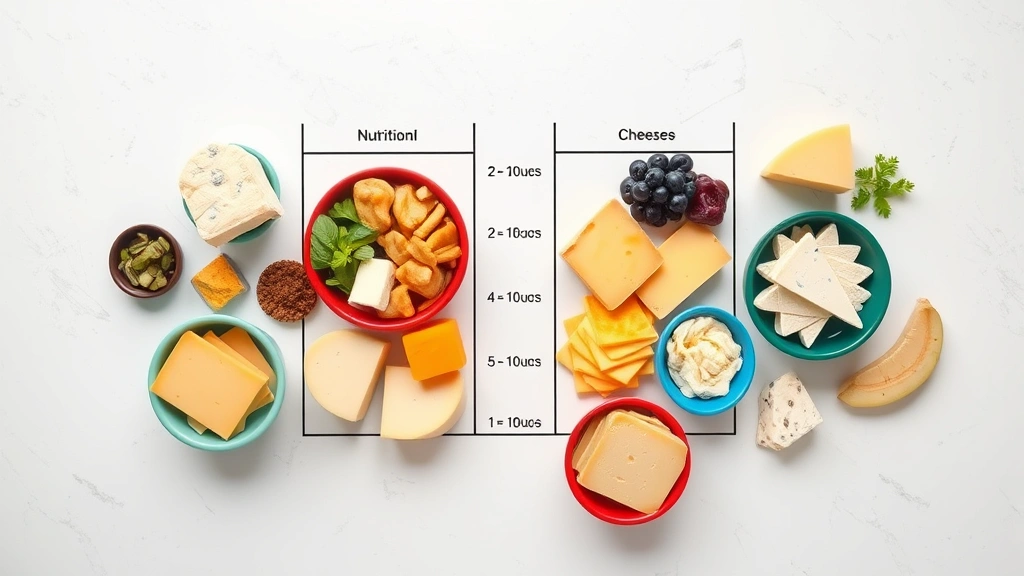
Examining American cheese nutritionally alongside other cheese varieties provides valuable context for dietary decision-making. Cheddar cheese, a traditional cheese often used as a base in American cheese, contains approximately 115 calories per ounce (compared to 60 calories per American cheese slice of roughly 0.75 ounce), 9.5 grams of fat, and 7 grams of protein. Cheddar offers more concentrated nutrition per unit weight but requires different portion management.
Swiss cheese provides 107 calories per ounce with 8 grams of fat and 8 grams of protein, featuring lower sodium content (approximately 54 milligrams per ounce) compared to American cheese. Swiss cheese’s lower sodium makes it advantageous for sodium-restricted diets, though its higher caloric density requires portion awareness.
Mozzarella cheese, particularly fresh varieties, contains approximately 80 calories per ounce with 6 grams of fat and 6.3 grams of protein. Fresh mozzarella offers minimal sodium (190 milligrams per ounce) compared to American cheese, making it suitable for individuals monitoring sodium intake. However, mozzarella’s lower melting point and different texture characteristics limit direct substitution in some applications.
Cream cheese provides 99 calories per ounce with 10 grams of fat but only 2 grams of protein and 111 milligrams of sodium. While lower in sodium, cream cheese offers minimal protein contribution and higher fat content, making it less nutritionally balanced than American cheese for some applications.
Cottage cheese represents a dramatically different cheese profile, offering 29 calories per ounce, 1.4 grams of fat, and 3.5 grams of protein with 389 milligrams of sodium. Cottage cheese provides superior protein density and lower caloric content, though its texture and melting characteristics differ substantially from American cheese.
The comparison reveals that American cheese occupies a middle ground nutritionally—not the most protein-rich, not the lowest in sodium, but offering convenient portion control and reliable melting properties that other cheese varieties cannot match. The choice between American cheese and alternatives depends on specific nutritional priorities and intended applications.
Health Implications
Understanding American cheese’s health implications requires examining both potential benefits and concerns within the context of overall dietary patterns. The calcium and protein content provides genuine nutritional benefits supporting bone health and muscle maintenance. For individuals with adequate caloric intake and no sodium restrictions, moderate American cheese consumption fits comfortably within balanced nutrition frameworks.
The saturated fat content warrants consideration for cardiovascular health. Research published in NIH health resources indicates that excessive saturated fat intake correlates with elevated cholesterol levels and increased cardiovascular disease risk. However, emerging research suggests the relationship between dietary saturated fat and heart disease is more nuanced than previously understood, with individual factors like overall diet quality and lifestyle playing significant roles.
Sodium intake from American cheese can contribute to hypertension, particularly in sodium-sensitive individuals. The American Heart Association emphasizes sodium reduction as a primary strategy for blood pressure management. Individuals with diagnosed hypertension or family history of cardiovascular disease should carefully monitor American cheese consumption and consider reduced-sodium alternatives.
For individuals following nutrition approaches supporting mental and cognitive health, American cheese’s vitamin B12 and calcium content offers relevant benefits. B12 supports neurological function, while calcium plays roles in neurotransmitter function and mood regulation.
Weight management considerations depend on portion control and overall caloric context. American cheese’s 60 calories per slice makes it relatively calorie-dense compared to many foods, but moderate consumption fits within most caloric allowances. The satiety provided by fat and protein content can support appetite regulation when used mindfully.
Digestive considerations matter for individuals with lactose intolerance. American cheese contains less lactose than fresh dairy products due to processing, making it potentially more tolerable for lactose-sensitive individuals, though sensitivities vary. The emulsifying salts and additives may affect digestion in some individuals, though adverse reactions remain uncommon.
Incorporating Into Balanced Diet
Strategic incorporation of American cheese into balanced nutrition requires understanding portion sizes, pairing strategies, and dietary context. A single slice (60 calories) represents a reasonable portion for most dietary approaches, while two slices (120 calories) approaches the upper limit for typical snack allowances. Exceeding two slices per consumption occasion significantly increases sodium and saturated fat intake.
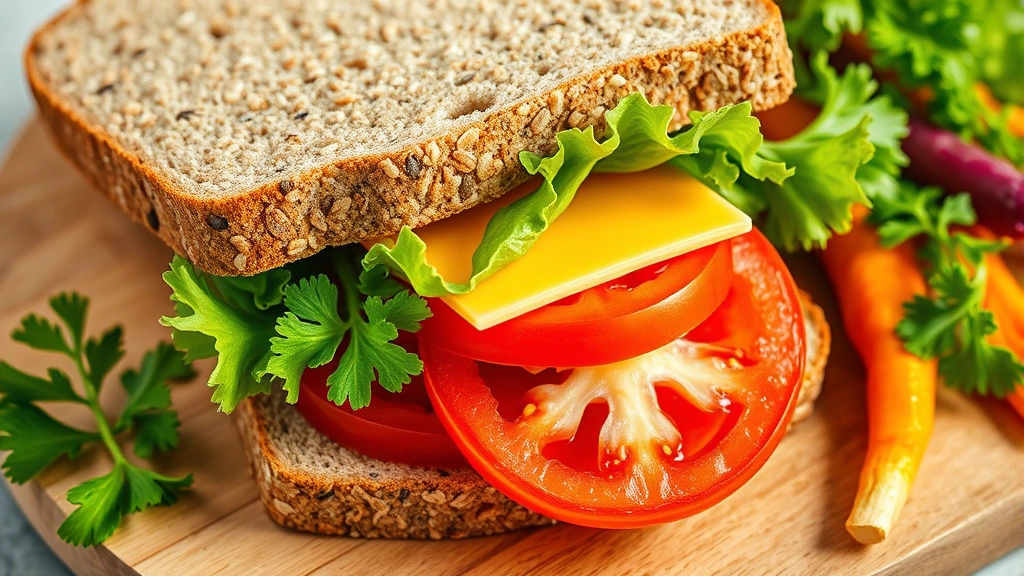
Pairing American cheese with whole grains, vegetables, and lean proteins creates more nutritionally balanced meals. A burger featuring American cheese on whole wheat bread with lettuce, tomato, and lean ground beef provides a more complete nutritional profile than the same cheese on refined white bread with processed meat. The fiber from whole grains and vegetables supports satiety and digestive health.
For individuals developing meal planning strategies, American cheese works well as a flavor enhancer and calcium source rather than a primary nutritional component. Using a single slice to add richness to sandwiches, burgers, or vegetables allows flavor benefits while minimizing nutritional downsides associated with excessive consumption.
Reduced-sodium American cheese alternatives deserve consideration for individuals with sodium concerns. These products typically contain 50% less sodium than standard formulations while maintaining similar protein, calcium, and overall nutritional profiles. The taste difference remains minimal for most consumers, making reduced-sodium options a practical substitution.
Consideration of nutrient absorption principles suggests pairing American cheese with vitamin C sources to enhance iron absorption from cheese and accompanying foods. Adding tomato, bell peppers, or citrus-based condiments creates synergistic nutritional benefits beyond individual ingredients.
Limiting American cheese consumption to occasional rather than daily use represents a practical approach for most individuals. Using it strategically for flavor and texture enhancement rather than as a dietary staple aligns with evidence-based nutrition recommendations while allowing enjoyment of this popular food.
For children, American cheese offers convenient calcium and protein in an appealing format. However, portion control remains important to prevent excessive sodium intake during developmental years. Pairing cheese with whole grain bread and vegetables creates balanced meals supporting healthy growth and development.
FAQ
How many calories are in an American cheese slice?
A standard American cheese slice contains approximately 60 calories. This represents a moderate caloric contribution suitable for most dietary approaches when consumed in reasonable portions. Two slices total 120 calories, which approaches typical snack allowances.
Is American cheese healthy?
American cheese provides legitimate nutritional benefits including calcium for bone health and protein for muscle maintenance. However, high sodium content and saturated fat warrant moderation, particularly for individuals with hypertension or cardiovascular concerns. Occasional consumption as part of balanced meals remains compatible with healthy dietary patterns.
How much sodium is in American cheese?
A standard slice contains 350-450 milligrams of sodium, representing 15-20% of the recommended daily intake. This high sodium content reflects both natural cheese composition and processing additions. Reduced-sodium varieties contain approximately 200-250 milligrams per slice.
What are the main ingredients in American cheese?
American cheese typically contains real cheese (cheddar, colby, or blends), milk, milk fat, milk protein concentrate, emulsifying salts (sodium citrate or phosphate), stabilizers (guar gum or carrageenan), salt, and sometimes colorants (annatto) or preservatives. The specific ingredient list varies by brand and formulation.
Can I eat American cheese on a low-carb diet?
Yes, American cheese is suitable for low-carb and ketogenic diets, containing less than 1 gram of carbohydrate per slice. The fat and protein content supports ketogenic macronutrient ratios, though sodium intake should be monitored as part of overall electrolyte management in ketogenic approaches.
Is American cheese better than other cheeses nutritionally?
American cheese offers advantages in terms of convenient portion control and consistent melting properties, but nutritionally it ranks similarly to other cheeses. Traditional cheeses often provide more concentrated nutrition per unit weight, while American cheese’s advantage lies in convenience and sodium-forward flavor profile.
Does American cheese contain lactose?
American cheese contains minimal lactose compared to fresh dairy products, typically less than 0.1 grams per slice. The processing and aging reduce lactose content, making American cheese potentially more tolerable for individuals with lactose intolerance, though individual sensitivities vary.
What is the best way to store American cheese slices?
Individual wrapped American cheese slices should be stored in cool, dry conditions. While the plastic wrapping provides protection, storing in the refrigerator extends shelf life beyond room temperature storage. Once opened, packages should be consumed within reasonable timeframes, typically 2-3 weeks, following package guidelines.


