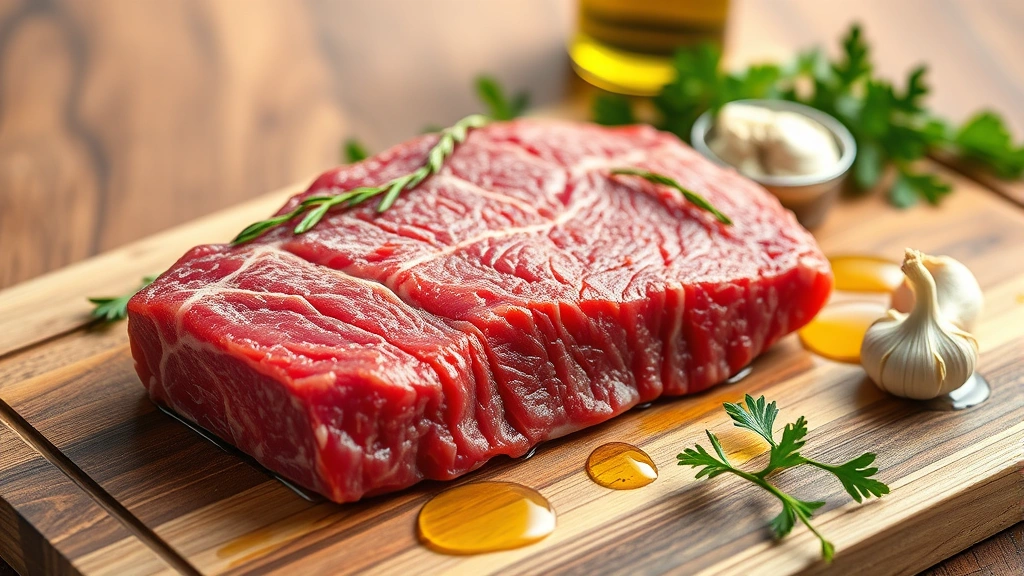
Flank Steak Nutrition? Dietitian’s Breakdown
Flank steak has emerged as a favorite among fitness enthusiasts, meal preppers, and health-conscious home cooks seeking lean protein without sacrificing flavor. This cut of beef, derived from the abdominal muscles of the cow, delivers impressive nutritional density while remaining relatively affordable compared to premium cuts. Understanding the complete nutritional profile of flank steak helps consumers make informed dietary decisions aligned with their fitness goals, health objectives, and culinary preferences.
As a registered dietitian analyzing beef consumption trends, I’ve observed growing interest in understanding exactly what nutrients flank steak provides and how it fits within modern nutrition frameworks. This comprehensive breakdown examines protein content, micronutrient composition, caloric density, and practical applications within balanced nutrition strategies. Whether you’re building muscle, managing weight, or simply optimizing your diet quality, flank steak presents a scientifically-supported protein source worth understanding in detail.
Complete Nutritional Profile Per Serving
A standard three-ounce serving of cooked flank steak (approximately 85 grams) provides approximately 158 calories, making it a relatively calorie-conscious protein source. This serving size delivers roughly 24 grams of complete protein, containing all nine essential amino acids required for human physiological function. The macronutrient distribution emphasizes protein while maintaining moderate fat content, positioning flank steak favorably within most nutrition frameworks.
The complete breakdown per three-ounce cooked serving includes: 158 calories, 24g protein, 7g total fat (2.6g saturated fat), 0g carbohydrates, and 0g dietary fiber. This composition reflects flank steak’s classification as a lean meat, particularly when compared against fattier cuts like ribeye or prime rib. The absence of carbohydrates makes flank steak compatible with ketogenic, carnivore, and low-carbohydrate dietary approaches while remaining suitable for any balanced nutrition plan.
Sodium content in plain cooked flank steak averages approximately 76mg per three-ounce serving, representing only 3% of the daily recommended value. This relatively low sodium content makes flank steak appropriate for individuals managing blood pressure or following sodium-restricted diets. When incorporated into meals, total sodium depends heavily on preparation methods, marinades, and accompanying ingredients rather than the meat itself.
Protein Content and Muscle Building Benefits
Flank steak’s protein density represents its most significant nutritional asset, delivering approximately 8 grams of protein per ounce of cooked meat. This concentration exceeds many plant-based protein sources and matches or surpasses poultry options, making flank steak an efficient protein vehicle for muscle development and maintenance. The nutrition care process recognizes complete proteins as foundational to tissue repair, enzyme synthesis, and immune function.
Research from the National Center for Biotechnology Information demonstrates that beef proteins contain optimal ratios of branched-chain amino acids (BCAAs), particularly leucine, which directly stimulates muscle protein synthesis. Leucine concentration in flank steak triggers mTOR pathway activation, a critical mechanism for hypertrophy and strength gains. Athletes consuming adequate flank steak protein alongside resistance training demonstrate superior muscle adaptation compared to lower-protein alternatives.
For individuals pursuing healthy nutrition plans, flank steak provides approximately 26-30% of daily protein requirements in a single three-ounce serving. This efficiency reduces meal planning complexity while ensuring adequate amino acid intake. The bioavailability of beef protein exceeds plant proteins, meaning the body absorbs and utilizes a higher percentage of consumed protein compared to legumes or grains.
Fat Composition and Heart Health
Flank steak contains approximately 7 grams of total fat per three-ounce serving, with saturated fat comprising roughly 2.6 grams. This fat profile represents one of the leanest options within the beef category, containing significantly less saturated fat than ribeye, porterhouse, or brisket cuts. The remaining 4.4 grams consist primarily of monounsaturated and polyunsaturated fats, including beneficial omega-3 fatty acids.
Contemporary cardiovascular research, including studies published in the American Journal of Clinical Nutrition, indicates that lean beef consumption does not adversely affect cholesterol profiles when consumed as part of balanced nutrition. The saturated fat in flank steak represents only 13% of daily value per serving, falling well within acceptable ranges for most individuals. Concerns about beef and heart health typically relate to consumption patterns and overall dietary composition rather than beef itself.
Flank steak contains conjugated linoleic acid (CLA), a polyunsaturated fat with emerging research supporting metabolic benefits. Studies suggest CLA may support body composition management and inflammatory response regulation. The fat-soluble vitamins present in flank steak’s fat content enhance micronutrient absorption, particularly vitamin D and vitamin A analogs critical for bone health and vision.
For individuals following nutrition and mental health optimization strategies, the fat composition in flank steak supports neurological function and hormone synthesis. Adequate dietary fat enables proper neurotransmitter production and cellular membrane integrity essential for cognitive performance.
Essential Vitamins and Minerals
Flank steak delivers impressive micronutrient density despite its relatively low caloric content. A three-ounce serving provides approximately 1.6 micrograms of vitamin B12, representing roughly 27% of the daily recommended value. Vitamin B12 supports neurological function, red blood cell formation, and DNA synthesis, making flank steak particularly valuable for vegetarians considering meat reintroduction or individuals concerned about B12 status.
The iron content in flank steak averages 1.8 milligrams per three-ounce serving, providing approximately 10% of daily iron requirements for adult males and 20% for adult females. Beef iron exists primarily in heme form, demonstrating superior bioavailability compared to non-heme iron from plant sources. This enhanced absorption makes flank steak particularly beneficial for individuals managing anemia or iron-deficient conditions.
Zinc concentration in flank steak reaches approximately 5.5 milligrams per three-ounce serving, representing roughly 50% of the daily recommended value. Zinc supports immune function, wound healing, protein synthesis, and gene expression. The bioavailability of beef zinc exceeds plant-based sources, making flank steak an efficient zinc vehicle for meeting daily requirements.
Additional micronutrients present in meaningful concentrations include selenium (27% daily value per serving), phosphorus (18% daily value), and niacin (vitamin B3) at approximately 5 milligrams per serving. These nutrients collectively support energy metabolism, bone mineralization, and antioxidant defense systems. Flank steak essentially functions as a concentrated micronutrient supplement, particularly for individuals following restrictive diets or managing specific nutritional deficiencies.
Caloric Density and Weight Management
The caloric density of flank steak positions it favorably within weight management frameworks. At approximately 158 calories per three-ounce serving, flank steak delivers substantial protein while maintaining caloric efficiency. This means consumers achieve satiety and protein targets without excessive caloric intake, supporting negative energy balance necessary for fat loss.
The protein-to-calorie ratio in flank steak reaches approximately 0.15 grams of protein per calorie, indicating exceptional nutrient density. Comparative analysis reveals flank steak outperforms many processed foods and refined carbohydrate sources on this metric. The satiating effect of protein combined with flank steak’s micronutrient density makes it particularly effective for appetite management during caloric restriction.
Individuals pursuing weight loss benefit from flank steak’s combination of high protein, low carbohydrate, and moderate fat composition. The thermic effect of protein (approximately 20-30% of consumed calories burned during digestion) means flank steak consumption increases total daily energy expenditure compared to carbohydrate or fat sources. Over extended periods, this metabolic advantage accumulates meaningfully.
Research demonstrates that protein-rich foods like flank steak reduce subsequent caloric intake at following meals, effectively lowering total daily consumption without conscious restriction. This appetite-suppressing effect makes flank steak particularly valuable for sustainable weight management compared to low-protein, high-carbohydrate alternatives.
Comparison With Other Beef Cuts
Flank steak occupies a unique position within beef classification systems. Compared to premium cuts like ribeye (290 calories, 25g protein, 21g fat per three ounces), flank steak delivers nearly identical protein while reducing fat by two-thirds. Against sirloin tip (180 calories, 24g protein, 8g fat), flank steak provides superior micronutrient concentration with comparable macronutrient composition.
Ground beef (80/20 blend) contains approximately 180 calories and 20g protein per three ounces but delivers 10g fat compared to flank steak’s 7g. Flank steak’s lower fat content makes it superior for individuals prioritizing leanness, while ground beef offers convenience benefits. Processed beef products like deli meats contain significantly higher sodium and additives, making flank steak preferable from a whole-foods nutrition perspective.
Comparing flank steak to poultry reveals interesting distinctions. Chicken breast (165 calories, 31g protein, 3.6g fat per three ounces) delivers marginally higher protein with less fat, but flank steak provides superior iron, zinc, and B12 bioavailability. The choice between flank steak and poultry depends on individual micronutrient status, taste preferences, and meal variety objectives rather than clear nutritional superiority.
Fish comparisons reveal different nutritional emphases. Salmon (206 calories, 22g protein, 12g fat per three ounces) delivers omega-3 fatty acids that flank steak lacks, while flank steak provides superior iron and zinc. Optimal nutrition strategies incorporate diverse protein sources including flank steak, poultry, fish, and plant-based options to maximize micronutrient variety.
Preparation Methods Impact Nutrition
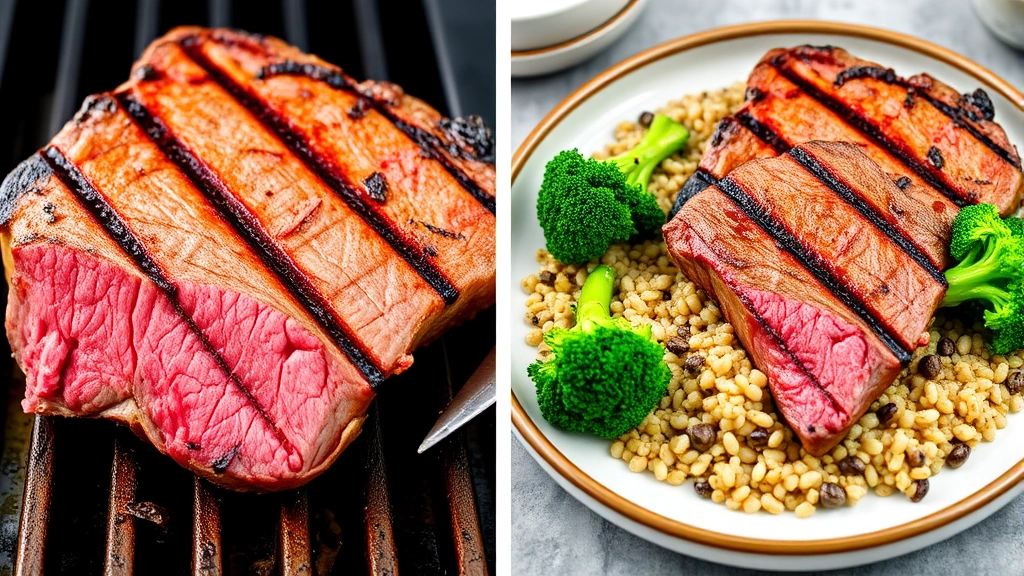
Cooking method significantly influences flank steak’s final nutritional profile. Grilling and broiling allow fat to drain away, potentially reducing total fat content below 7 grams per serving. Pan-searing in minimal oil preserves nutrients while maintaining fat content, whereas deep-frying would dramatically increase caloric density and fat concentration. Slow-cooking methods enhance collagen breakdown into gelatin, improving digestibility and bioavailability of minerals.
Marinades and seasonings add minimal calories or fat to plain flank steak but can substantially increase sodium content. A typical marinade containing soy sauce and salt might add 300-500 milligrams of sodium per serving. For individuals managing hypertension or following sodium-restricted diets, using herb-based marinades or limiting salt additions preserves flank steak’s nutritional advantages.
Temperature during cooking influences nutrient preservation and potential compound formation. Moderate heat (350-375°F) preserves B vitamins better than extremely high temperatures exceeding 450°F. Avoiding charring minimizes formation of heterocyclic amines (HCAs) and polycyclic aromatic hydrocarbons (PAHs), compounds formed during high-heat cooking that some research suggests warrant moderation.
The Nutrients Pathway Blog discusses how preparation choices influence bioavailability of minerals like iron and zinc. Consuming flank steak with vitamin C sources (citrus, bell peppers, tomatoes) enhances non-heme iron absorption, while pairing with calcium sources may inhibit mineral absorption. Strategic meal composition amplifies flank steak’s nutritional benefits.
Integration Into Dietary Approaches
Flank steak integrates seamlessly into diverse dietary frameworks. Within ketogenic nutrition (targeting 70-75% fat, 20-25% protein, 5-10% carbohydrates), flank steak provides essential protein while remaining carbohydrate-free. The moderate fat content requires supplementation with additional fat sources like oils or avocado to achieve ketogenic macronutrient ratios, but flank steak serves as the protein foundation excellently.
For Mediterranean diet practitioners emphasizing plant foods with moderate animal protein, flank steak provides concentrated protein allowing reduced portion sizes compared to less dense sources. The lean composition aligns with Mediterranean emphasis on limiting saturated fat while maintaining nutrient density. Pairing flank steak with olive oil-based preparations and abundant vegetables creates authentic Mediterranean meals.
Individuals following evidence-based nutrition education recognize flank steak’s value in high-protein, moderate-carbohydrate approaches supporting body composition goals. The protein concentration enables higher satiety at lower total calories, facilitating adherence to caloric restriction without excessive hunger.
Paleo and whole-foods nutrition frameworks embrace flank steak as an unprocessed, nutrient-dense protein source. The absence of additives, preservatives, and processing aligns perfectly with whole-foods philosophy. Athletes and active individuals benefit from flank steak’s micronutrient concentration supporting recovery and adaptation.
Plant-based individuals occasionally incorporating animal products find flank steak valuable for addressing potential deficiencies in vitamin B12, heme iron, and zinc. Even modest flank steak consumption (one to two servings weekly) substantially improves micronutrient status compared to exclusively plant-based approaches.
For individuals managing specific health conditions, flank steak’s nutritional profile supports various therapeutic nutrition objectives. Those with elevated cholesterol benefit from choosing flank steak over fattier cuts while maintaining complete protein intake. Individuals managing diabetes appreciate the zero-carbohydrate composition supporting blood glucose stability. Cancer patients undergoing treatment benefit from flank steak’s nutrient density supporting recovery and immune function.
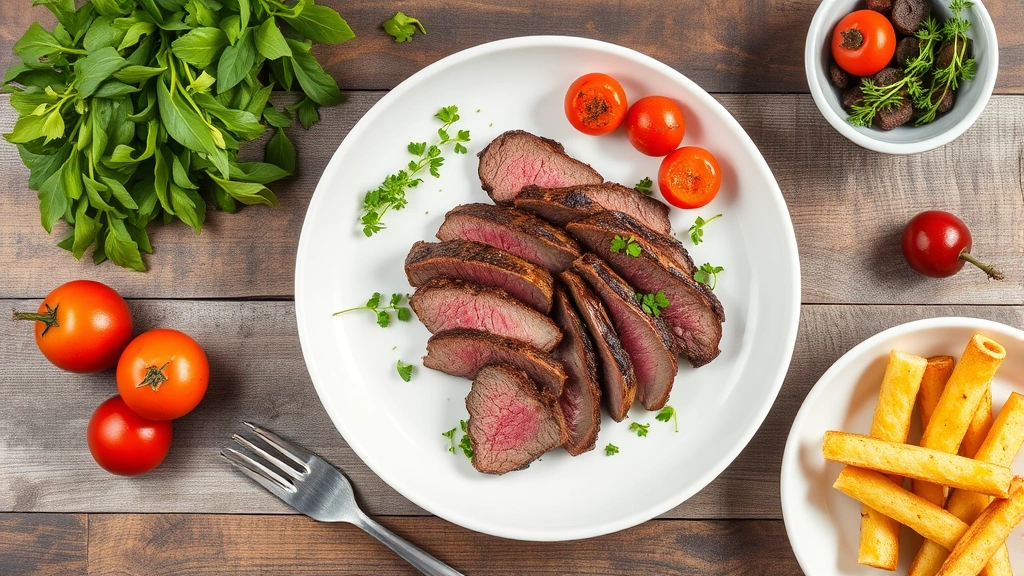
The versatility of flank steak extends beyond simple grilled preparations. Stir-fry applications with abundant vegetables maximize nutrient intake while maintaining portion control. Slow-cooker preparations enhance collagen conversion to gelatin, improving digestibility and potentially supporting joint health through increased glycine intake. Asian-inspired preparations using ginger, garlic, and low-sodium sauces deliver exceptional flavor without nutritional compromise.
Meal prep efficiency makes flank steak particularly valuable for busy professionals and athletes. A single flank steak cooks quickly (12-15 minutes for medium-rare), slices easily for portion control, and maintains quality during refrigeration for three to four days. This convenience supports consistent protein intake and dietary adherence compared to more time-intensive preparation approaches.
Pairing flank steak strategically with complementary foods amplifies nutritional benefits. Consuming with vitamin C sources enhances iron absorption. Adding probiotic-rich fermented foods supports digestive health. Including fiber-rich vegetables ensures complete micronutrient diversity. These combinations create synergistic nutritional profiles exceeding the sum of individual components.
Sustainability and Sourcing Considerations
Beyond nutritional analysis, sourcing decisions influence both health outcomes and environmental impact. Grass-fed flank steak contains elevated omega-3 fatty acids and conjugated linoleic acid compared to grain-fed counterparts, potentially amplifying health benefits. Grass-fed production systems typically employ more sustainable land management practices, though data remains mixed on net environmental impact.
Regenerative agriculture practices used by some beef producers improve soil health, carbon sequestration, and biodiversity while producing nutrient-dense flank steak. Consumers prioritizing environmental sustainability can investigate producer practices and certifications indicating commitment to regenerative methods. The nutritional premium of grass-fed beef, while modest, combines with environmental benefits supporting informed purchasing decisions.
Local sourcing reduces transportation emissions while supporting regional food systems. Many areas feature farmers markets or direct-from-farm beef purchasing options providing flank steak with known provenance and production practices. The nutritional quality remains consistent whether grass-fed or grain-fed, but sourcing transparency appeals to health-conscious consumers.
FAQ
How much protein does a 6-ounce flank steak contain?
A six-ounce cooked flank steak contains approximately 48 grams of complete protein, representing roughly 95% of daily protein requirements for a 150-pound individual. This substantial protein concentration makes six-ounce portions appropriate for post-workout recovery or main meal protein components without requiring additional protein sources.
Is flank steak good for weight loss?
Yes, flank steak supports weight loss through multiple mechanisms. The high protein content promotes satiety and thermogenesis, reducing overall caloric intake. At 158 calories per three-ounce serving, flank steak provides exceptional nutrient density without excessive calories. The zero-carbohydrate composition maintains stable blood glucose, reducing cravings and energy crashes that compromise dietary adherence.
Does flank steak contain cholesterol?
Like all animal products, flank steak contains dietary cholesterol, approximately 60 milligrams per three-ounce serving. Contemporary nutrition science indicates dietary cholesterol has minimal impact on blood cholesterol for most individuals compared to saturated fat and overall caloric balance. The lean composition of flank steak makes it appropriate for cholesterol-conscious consumers compared to fattier cuts.
Can flank steak be part of a heart-healthy diet?
Absolutely. The American Heart Association recognizes lean beef as compatible with heart-healthy nutrition when consumed in appropriate portions. Flank steak’s saturated fat content (2.6g per three ounces) represents only 13% of daily recommended value. Combined with abundant vegetables, whole grains, and healthy fats, flank steak fits perfectly within cardiovascular health frameworks.
What’s the difference between flank steak and skirt steak nutritionally?
Flank steak and skirt steak contain nearly identical macronutrient profiles, both delivering approximately 24 grams of protein and 7 grams of fat per three-ounce serving. Skirt steak may contain marginally higher fat due to differing muscle composition, but the nutritional difference proves negligible. Culinary differences in texture and marbling exceed nutritional distinctions.
How does cooking temperature affect flank steak nutrition?
Cooking temperature minimally affects macronutrient composition but influences micronutrient preservation. Moderate temperatures (350-375°F) preserve B vitamins better than extreme heat. Avoiding charring minimizes potentially problematic compound formation. Cooking to medium-rare (145°F) balances food safety with nutrient preservation and palatability.
Is grass-fed flank steak nutritionally superior?
Grass-fed flank steak contains marginally elevated omega-3 fatty acids and conjugated linoleic acid compared to grain-fed counterparts. These differences prove modest (approximately 10-20% higher concentration) and both options provide excellent nutrition. Preference depends on environmental values, taste preferences, and budget constraints rather than dramatic nutritional differences.
What’s the best way to prepare flank steak to maximize nutrition?
Grilling or broiling at moderate temperatures preserves nutrients while allowing fat drainage. Marinating with herbs and spices rather than high-sodium sauces maximizes flavor without excessive sodium. Slicing thin against the grain improves digestibility and micronutrient absorption. Pairing with vitamin C-rich vegetables enhances iron bioavailability.
How much sodium does flank steak contain?
Plain cooked flank steak contains approximately 76 milligrams of sodium per three-ounce serving, representing only 3% of daily recommended value. Sodium content increases substantially with marinades, salt additions, and preparation methods. For sodium-conscious consumers, using salt-free seasonings preserves flank steak’s low-sodium profile.
Is flank steak appropriate for athletes?
Flank steak represents an excellent protein source for athletes due to high protein concentration, complete amino acid profile, superior micronutrient density, and enhanced bioavailability of iron and zinc supporting recovery and adaptation. Post-workout flank steak consumption stimulates muscle protein synthesis effectively compared to plant-based alternatives, making it particularly valuable for strength athletes and endurance performers.


