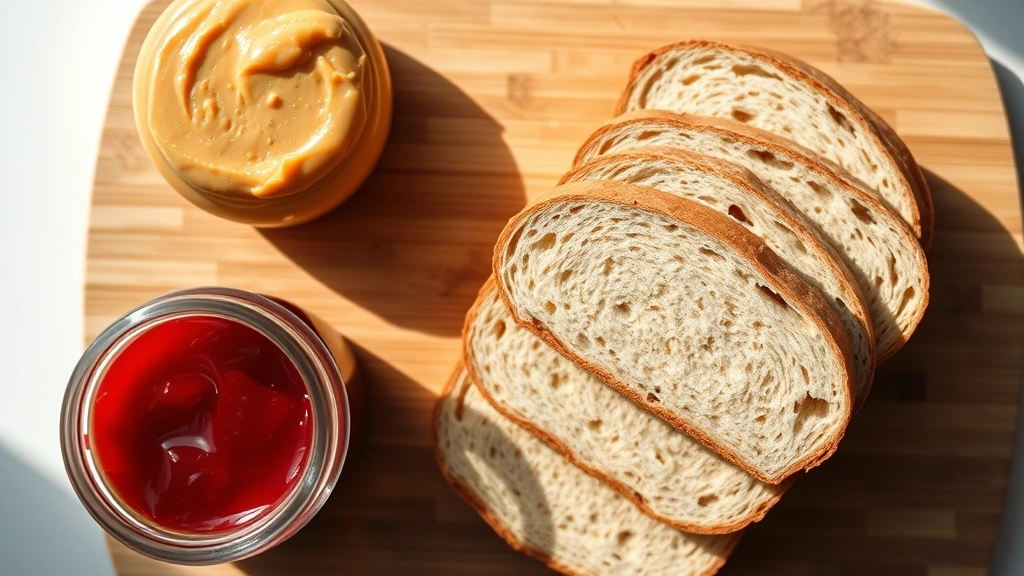
PB & J Sandwich Facts: Dietitian Insights on Nutrition and Health
The peanut butter and jelly sandwich stands as an American icon—beloved by children and adults alike for its simplicity, affordability, and nostalgic appeal. Yet beneath this humble combination lies a surprisingly complex nutritional profile that warrants closer examination. As dietitians increasingly scrutinize popular foods, the PB&J sandwich emerges as a fascinating case study in balancing convenience with nutritional awareness. Understanding the nutrition facts for PB and J sandwich helps consumers make informed decisions about portion sizes, ingredient quality, and frequency of consumption.
This comprehensive guide explores the dietitian-backed insights into PB&J sandwiches, breaking down macronutrients, micronutrients, and practical considerations for incorporating this classic into a balanced diet. Whether you’re a parent packing school lunches, a busy professional seeking quick meals, or simply curious about what you’re eating, this analysis provides evidence-based information to enhance your nutritional literacy.

Nutritional Breakdown of a Standard PB&J Sandwich
A typical PB&J sandwich made with two slices of white bread, two tablespoons of peanut butter, and two tablespoons of jelly contains approximately 390-420 calories. This baseline varies depending on bread type, spread quantities, and specific product brands. The macronutrient distribution reveals why dietitians often recommend mindful consumption: approximately 35-40% of calories derive from fat, 45-50% from carbohydrates, and 10-15% from protein.
The standard serving breakdown includes roughly 15-17 grams of total fat, 40-45 grams of carbohydrates, and 9-11 grams of protein. These figures represent a moderately calorie-dense meal that provides sustained energy, particularly when whole grain bread replaces white varieties. The nutritional profile shifts significantly based on ingredient choices—a sandwich assembled with natural peanut butter and whole wheat bread presents different health implications than one made with conventional spreads on refined white bread.
Dietitians emphasize that understanding these baseline figures enables better decision-making throughout your dietary journey. As part of a comprehensive healthy nutrition plan, the PB&J sandwich can fit strategically into daily meal structures when portion awareness and ingredient quality receive appropriate attention.
Protein Content and Amino Acid Profile
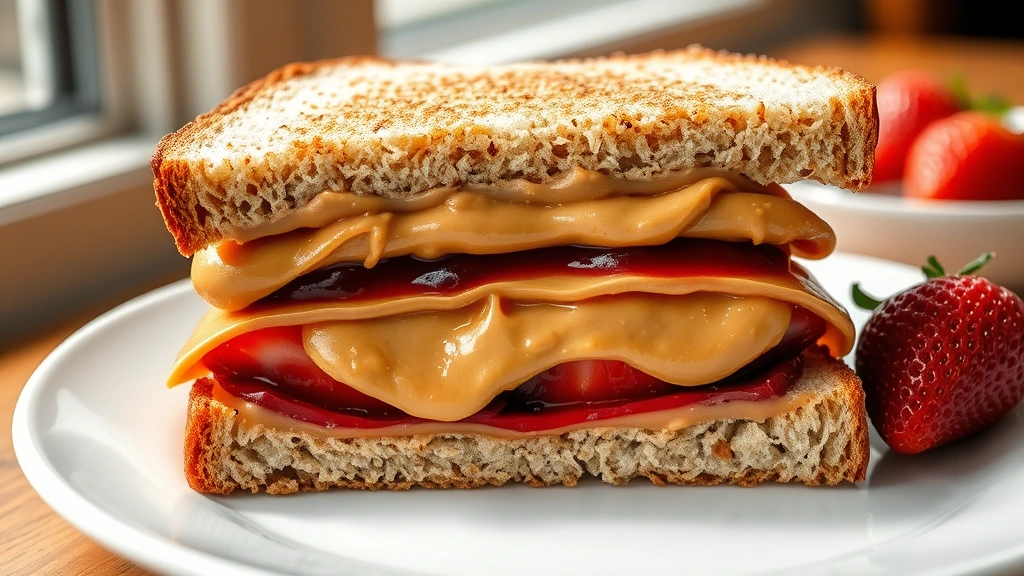
Peanut butter serves as the primary protein contributor in a PB&J sandwich, delivering approximately 8-10 grams per two-tablespoon serving. This plant-based protein contains all nine essential amino acids, making it a complete protein source—a distinction many people overlook. The amino acid profile includes leucine, isoleucine, valine (branched-chain amino acids critical for muscle maintenance), as well as phenylalanine and other compounds supporting neurotransmitter synthesis.
The bread component contributes an additional 4-6 grams of protein, depending on grain type and commercial formulation. Whole wheat varieties typically offer slightly higher protein concentrations alongside increased fiber content. Jelly contributes negligible protein, functioning primarily as a carbohydrate and flavor vehicle. The combined protein reaches approximately 12-16 grams per sandwich—a respectable amount for a light meal or snack, though insufficient as a standalone lunch for most adults.
From a nutrition care process perspective, dietitians recognize that protein quality matters alongside quantity. Plant-based proteins like peanut butter pair effectively with whole grains, creating complementary amino acid profiles that enhance overall protein utilization. This synergy explains why traditional PB&J combinations have endured nutritionally across generations.
Fat Composition: Understanding the Lipid Profile
Peanut butter’s fat content often triggers concern among health-conscious consumers, yet dietitians increasingly recognize the nuance surrounding dietary fats. A two-tablespoon serving contains approximately 16 grams of fat, distributed across monounsaturated (7g), polyunsaturated (5g), and saturated (3g) categories. This distribution aligns favorably with cardiovascular health recommendations, emphasizing unsaturated fat predominance.
The monounsaturated and polyunsaturated fats in peanuts offer documented health benefits, including improved cholesterol profiles and reduced inflammation markers. Research published by the American Heart Association supports moderate peanut consumption as part of heart-healthy dietary patterns. The saturated fat content, while present, remains moderate and contributes to satiety and nutrient absorption rather than posing significant cardiovascular risk at typical consumption levels.
Bread contributes minimal fat—typically 1-3 grams depending on formulation. Jelly contains virtually no fat. The sandwich’s total fat profile, therefore, reflects primarily peanut butter’s composition. Natural peanut butters without hydrogenated oils present the most favorable lipid profile, avoiding trans fats while maintaining the beneficial monounsaturated fat advantages. This distinction matters considerably when evaluating ingredient quality and health implications.
Carbohydrates, Fiber, and Sugar Considerations
Carbohydrate content in a standard PB&J sandwich ranges from 40-50 grams, with composition varying dramatically based on bread selection. White bread contributes primarily simple, refined carbohydrates with minimal fiber—typically 1-2 grams per sandwich. Whole wheat alternatives deliver 4-6 grams of fiber alongside complex carbohydrates, fundamentally altering the glycemic response and satiety profile.
Jelly represents a concentrated carbohydrate source, contributing 25-30 grams of carbohydrates per two-tablespoon serving, predominantly as simple sugars. Conventional jellies contain 12-15 grams of added sugar, presenting a significant glycemic load consideration. This sugar concentration explains why dietitians frequently recommend reducing jelly quantities or substituting with fruit spreads containing lower added sugar content.
Fiber content critically influences digestive health and blood sugar stability. A sandwich assembled with whole grain bread and reduced jelly delivers approximately 5-7 grams of dietary fiber, supporting healthy digestion and sustained energy. The fiber-to-carbohydrate ratio improves substantially with whole grain selections, making this simple modification one of the most impactful nutritional upgrades. For individuals managing blood sugar or seeking sustained energy, prioritizing whole grains and reducing sugar represents essential strategy optimization.
Micronutrients: Vitamins and Minerals
Beyond macronutrients, PB&J sandwiches deliver meaningful micronutrient contributions when ingredient quality receives attention. Peanut butter provides significant vitamin E (an antioxidant supporting cellular health), magnesium (essential for muscle and nerve function), phosphorus, and potassium. A two-tablespoon serving delivers approximately 2.7 mg of vitamin E, representing roughly 18% of the daily adequate intake.
The mineral profile includes manganese, copper, and zinc—micronutrients supporting immune function, bone health, and metabolic processes. Enriched white bread contributes thiamine, riboflavin, niacin, and iron through fortification, though bioavailability remains lower than whole grain sources. Whole wheat bread naturally contains higher concentrations of B vitamins, magnesium, and other minerals due to bran and germ retention.
Jelly contributes minimal micronutrients in most formulations, though fruit-based varieties provide trace amounts of vitamin C and antioxidants from their fruit sources. The micronutrient density of a PB&J sandwich improves substantially with whole grain bread selection and fruit-based jelly choices, transforming this simple combination into a more nutrient-dense option supporting overall health objectives.
Caloric Impact and Portion Control
At approximately 390-420 calories per standard sandwich, PB&J occupies a moderate position in the daily caloric landscape. For most adults, this represents 15-20% of a 2000-calorie diet, making it viable as a complete light meal or substantial snack. However, portion awareness remains critical—many homemade versions exceed standard serving sizes, particularly when peanut butter quantities increase beyond recommended two-tablespoon measures.
Caloric density varies with ingredient selection. A sandwich using natural peanut butter and whole wheat bread with reduced jelly might total 340-370 calories, while premium peanut butters with added oils or honey-sweetened jelly versions could reach 450+ calories. These variations matter significantly for individuals monitoring intake for weight management or specific health goals.
Dietitians recommend contextualizing PB&J within daily meal structure. As a standalone lunch, it requires supplementation with vegetables, fruit, or dairy for nutritional completeness. As a breakfast component paired with fruit, it provides sustained morning energy. As a post-workout snack, it delivers carbohydrates and protein supporting recovery. Strategic positioning within meal planning maximizes nutritional utility while respecting caloric budgets.
Ingredient Quality Matters: Making Better Choices
The distinction between ingredient qualities fundamentally alters PB&J’s nutritional profile and health implications. Natural peanut butter—containing solely peanuts and salt—provides superior fat composition compared to conventional brands incorporating hydrogenated oils and added sugars. Reading ingredient labels becomes essential for informed selection, as marketing claims often obscure actual formulation.
Bread selection represents the second critical choice point. Whole grain varieties containing at least 51% whole grain flour deliver superior fiber, micronutrient density, and glycemic characteristics compared to refined white bread. Look for “whole wheat” or “whole grain” as the first ingredient, indicating primary flour source. Sprouted grain breads offer additional enzyme activity and nutrient bioavailability advantages.
Jelly alternatives merit equal consideration. Traditional jellies, containing primarily sugar and pectin, represent the least nutritious option. Fruit preserves with higher fruit content and lower added sugar provide better nutritional profiles. All-fruit spreads, containing no added sugar, deliver sweetness through concentrated fruit sugars while including fiber and antioxidants from fruit sources. Some dietitians recommend fresh fruit slices (banana, strawberry) replacing jelly entirely, eliminating added sugars while increasing fiber and micronutrient content.
Exploring options from reputable sources like the Academy of Nutrition and Dietetics provides evidence-based guidance for ingredient selection. Understanding these distinctions empowers consumers to transform a simple sandwich into a genuinely nutritious meal component.
PB&J as Part of a Healthy Nutrition Plan
Integrating PB&J sandwiches into comprehensive dietary strategies requires understanding their role within broader nutritional goals. A healthy nutrition plan emphasizing whole foods, balanced macronutrients, and micronutrient density can certainly accommodate PB&J when assembled thoughtfully. The sandwich’s affordability, shelf stability, and preparation simplicity make it particularly valuable for individuals with limited time or resources.
For weight management goals, PB&J fits within caloric budgets when portion-controlled and paired with lower-calorie vegetables or fruits. The protein and fat content provides satiety, reducing overall daily calorie consumption compared to highly processed alternatives. Whole grain bread selection enhances satiety further through increased fiber, supporting appetite regulation.
Athletes and active individuals benefit from PB&J’s carbohydrate-protein combination supporting post-exercise recovery. The quick-digesting carbohydrates from bread and jelly replenish depleted glycogen stores, while peanut butter’s protein supports muscle repair. This combination explains PB&J’s enduring popularity among recreational and competitive athletes.
For individuals focused on nutrition and mental health, PB&J provides valuable nutrients supporting brain function. Magnesium aids stress response, vitamin E protects neural cells from oxidative stress, and the protein-carbohydrate combination supports neurotransmitter synthesis. Strategic meal timing of PB&J can support cognitive performance throughout the day.
Variations and Healthier Alternatives
Creative variations on the traditional PB&J formula allow customization to specific nutritional goals and taste preferences. Substituting almond or cashew butter for peanut butter offers different micronutrient profiles—almond butter provides higher vitamin E and calcium, while cashew butter delivers more iron and zinc. These alternatives maintain the protein-fat balance while diversifying nutrient intake across varied consumption patterns.
Seed butters (sunflower, tahini, pumpkin) represent additional protein sources offering unique micronutrient advantages. Sunflower seed butter provides selenium and phytosterols supporting cholesterol health. Tahini delivers calcium and lignans with potential anti-inflammatory properties. Rotating through various nut and seed butters prevents nutrient monotony while maintaining the sandwich’s fundamental appeal.
Bread alternatives expand possibilities beyond traditional wheat varieties. Sprouted grain breads enhance nutrient bioavailability through enzymatic activity during sprouting. Sourdough fermentation reduces phytic acid, improving mineral absorption. Multigrain formulations combining various seeds and grains increase micronutrient density. Whole grain options like rye, spelt, or kamut provide distinct nutritional profiles and flavor experiences.
The fruit component deserves particular attention. Fresh fruit slices (banana, strawberry, apple) replace jelly while adding fiber, vitamins, and antioxidants. Mashed berries provide natural sweetness without refined sugar. Thin honey drizzles offer alternative sweetness with trace micronutrients. Nut butter and fruit combinations create diverse flavor profiles while optimizing nutritional value—peanut butter with apple slices, almond butter with banana, or cashew butter with berries each offer distinct taste and nutrition combinations.
Common Misconceptions Debunked
Several persistent myths surrounding PB&J sandwiches warrant clarification based on current nutritional science. The first misconception suggests that peanut butter’s fat content makes it inherently unhealthy. Modern research, including studies published in peer-reviewed journals, demonstrates that monounsaturated and polyunsaturated fats in peanuts support cardiovascular health rather than compromise it. Fat density provides satiety and supports nutrient absorption—not a nutritional liability.
A second misconception frames PB&J as exclusively children’s food unsuitable for adult diets. In reality, adults across fitness levels and dietary philosophies incorporate PB&J into balanced meal plans. The sandwich’s nutrient profile supports diverse goals—from weight management to athletic performance to cognitive function. Nutritional sophistication doesn’t require abandoning simple, accessible foods.
The third misconception suggests that all peanut butters are nutritionally equivalent. Significant differences exist between natural, conventional, and specialty varieties. Conventional peanut butters with added oils, sugars, and additives present different health profiles than minimally processed alternatives. Reading ingredient labels and understanding product formulations enables informed selection rather than assuming equivalence.
A fourth misconception portrays jelly as nutritionally worthless. While conventional jelly concentrates sugars, fruit-based alternatives and all-fruit spreads deliver meaningful antioxidants and fiber. Substituting fresh fruit or reduced-sugar options transforms this component from nutritional liability to beneficial addition. The sandwich’s overall quality depends on cumulative ingredient choices rather than any single component’s inherent merit.
Finally, some believe that PB&J cannot support specialized diets (vegetarian, vegan, gluten-free). Plant-based proteins make PB&J naturally vegetarian and vegan-friendly. Gluten-free bread options enable celiac-safe versions. Nut allergies necessitate seed butter alternatives. The fundamental sandwich structure adapts readily to diverse dietary requirements and restrictions, making it broadly accessible across varied nutritional approaches.
FAQ
How many calories are in a typical PB&J sandwich?
A standard PB&J sandwich made with two slices of bread, two tablespoons of peanut butter, and two tablespoons of jelly contains approximately 390-420 calories. This varies based on specific ingredients—whole grain bread with natural peanut butter and reduced jelly might total 340-370 calories, while premium versions could exceed 450 calories.
Is peanut butter healthy despite its fat content?
Yes. Peanut butter’s fat composition—predominantly monounsaturated and polyunsaturated fats—supports cardiovascular health according to current nutritional research. The saturated fat content remains moderate. Natural peanut butter without hydrogenated oils offers the most favorable fat profile. Fat provides satiety and supports nutrient absorption, making it nutritionally beneficial rather than problematic at typical serving sizes.
Can PB&J fit into a weight loss diet?
Absolutely. When portion-controlled and paired with lower-calorie foods (vegetables, fruit), PB&J fits within caloric budgets. The protein and fat content provides satiety, reducing overall daily consumption. Whole grain bread selection enhances satiety through increased fiber. Strategic meal planning makes PB&J compatible with weight management goals.
What’s the best bread choice for a healthy PB&J?
Whole grain or whole wheat bread offers superior nutrition compared to white bread. Look for varieties containing at least 51% whole grain flour as the primary ingredient. Sprouted grain breads provide additional enzyme activity and nutrient bioavailability. These options deliver increased fiber, micronutrients, and improved glycemic characteristics.
Are there healthier jelly alternatives?
Yes. All-fruit spreads containing no added sugar provide sweetness through fruit sugars while including fiber and antioxidants. Fruit preserves with higher fruit content and lower added sugar offer better nutrition than traditional jellies. Fresh fruit slices (banana, strawberry, apple) eliminate added sugars entirely while increasing fiber and micronutrient content.
Can athletes eat PB&J sandwiches?
Yes, frequently. The carbohydrate-protein combination supports post-exercise recovery effectively. Quick-digesting carbohydrates replenish glycogen stores, while protein supports muscle repair. Many athletes strategically time PB&J consumption around workouts for optimal recovery support.
What micronutrients does PB&J provide?
Peanut butter delivers vitamin E, magnesium, phosphorus, potassium, manganese, copper, and zinc. Whole grain bread contributes B vitamins, additional magnesium, and minerals. Fruit-based jelly provides trace vitamins and antioxidants. The micronutrient density improves substantially with whole grain bread and fruit-based jelly selections.
How does PB&J compare nutritionally to other sandwich options?
PB&J offers favorable macronutrient balance compared to many alternatives. It delivers complete plant-based protein, beneficial fats, and carbohydrates. When assembled with quality ingredients, it provides superior micronutrient density to processed deli meat sandwiches. Its affordability and shelf stability offer advantages over many fresher alternatives requiring refrigeration.
Can people with nut allergies eat PB&J?
Traditional PB&J isn’t suitable for peanut-allergic individuals. However, seed butters (sunflower, tahini, pumpkin) provide similar nutritional profiles and satisfy the sandwich formula. These alternatives maintain protein content, beneficial fats, and micronutrients while accommodating allergic restrictions.
Is PB&J suitable for children’s diets?
Yes, with considerations. The complete protein profile supports childhood growth and development. However, monitor added sugar from jelly, particularly for young children. Natural peanut butter without added sugars presents fewer concerns than conventional varieties. Ensure appropriate portions—a half sandwich often suffices for younger children. Check for allergy considerations and supervise younger children during consumption to prevent choking.


