
Is Chicken Breast Healthy? Dietitian Insight on Skinless Boneless Nutrition
Chicken breast has become a staple in modern diets, celebrated as a lean protein powerhouse by fitness enthusiasts, health-conscious eaters, and medical professionals alike. Yet amid the widespread praise, many people wonder whether this popular poultry choice truly deserves its health halo. As a registered dietitian nutritionist, I’ve fielded countless questions about chicken breast nutrition, preparation methods, and whether it fits into balanced eating patterns. The answer is nuanced: skinless, boneless chicken breast can absolutely be part of a healthy diet when prepared thoughtfully and consumed in appropriate portions.
The nutritional profile of chicken breast has shifted significantly over the past few decades due to changes in farming practices, feed formulations, and breeding for larger muscle mass. Understanding these changes, alongside the science of how chicken breast affects your body, enables you to make informed dietary choices. This comprehensive guide explores the evidence-based benefits, potential concerns, and practical strategies for incorporating chicken breast into your nutrition plan.
Nutritional Composition of Skinless Boneless Chicken Breast
A 100-gram serving of cooked, skinless, boneless chicken breast contains approximately 165 calories, making it remarkably efficient for those tracking energy intake. The macronutrient breakdown reveals why nutritionists frequently recommend this cut: roughly 31 grams of protein, 3.6 grams of total fat, and zero carbohydrates. This composition makes chicken breast exceptionally valuable for individuals pursuing nutrition for building muscle mass or maintaining lean body composition.
The protein-to-calorie ratio in chicken breast is exceptional compared to other animal proteins. When you examine the amino acid profile, chicken breast provides all nine essential amino acids in optimal proportions, making it a complete protein source. This matters significantly because your body cannot synthesize these amino acids independently—they must come from dietary sources. The leucine content, specifically, plays a crucial role in triggering muscle protein synthesis, the biological process underlying muscle growth and repair.
Beyond macronutrients, the micronutrient density varies depending on how the chicken was raised and processed. Conventionally raised chicken differs from pasture-raised varieties in terms of omega-3 fatty acids and certain vitamin concentrations. Understanding these nuances helps you select chicken breast that aligns with your specific nutritional goals and values.

Protein Content and Muscle Development
The standout feature of chicken breast is undoubtedly its protein concentration. At approximately 31 grams of protein per 100-gram serving, chicken breast ranks among the highest-protein foods available. For context, this exceeds the protein content found in many fish varieties and matches or surpasses many lean beef cuts while containing substantially less fat.
Research published in the Journal of the International Society of Sports Nutrition demonstrates that adequate protein intake—particularly from complete sources like chicken breast—supports muscle protein synthesis when combined with resistance training. The recommended dietary allowance for protein is 0.8 grams per kilogram of body weight for sedentary adults, but athletes and individuals engaged in strength training benefit from 1.2 to 2.0 grams per kilogram daily. Chicken breast facilitates meeting these elevated requirements without excessive caloric intake.
The bioavailability of chicken breast protein is exceptionally high, meaning your digestive system efficiently breaks down and absorbs the amino acids. This contrasts with plant-based proteins, which often require food combining strategies to achieve complete amino acid profiles. For individuals focused on optimizing their nutrition plan for building muscle mass, chicken breast provides straightforward, efficient protein delivery.
Satiety is another protein-related benefit worth highlighting. Protein triggers greater thermogenesis—the energy required to digest food—compared to carbohydrates or fats. This means your body burns more calories processing chicken breast protein, contributing to modest metabolic advantages during weight loss phases.
Fat Profile and Heart Health Considerations
The fat content in skinless chicken breast warrants careful examination, particularly for individuals with cardiovascular concerns. At 3.6 grams of total fat per 100 grams, chicken breast is genuinely lean. Approximately 1.3 grams consists of saturated fat, while the remainder comprises monounsaturated and polyunsaturated fats—the varieties associated with cardiovascular protection.
When comparing chicken breast to other protein sources, the fat advantage becomes apparent. A 100-gram serving of 85% lean ground beef contains roughly 15 grams of fat, including 6 grams of saturated fat. The skin-on chicken breast, conversely, contains approximately 10 grams of fat per 100 grams, with half being saturated. This is why dietitian recommendations consistently specify skinless chicken breast for those monitoring saturated fat intake due to heart disease risk or cholesterol management.
The omega-3 to omega-6 fatty acid ratio in conventional chicken breast is less favorable than in fatty fish varieties like salmon. However, pasture-raised or omega-3-enriched chicken demonstrates improved ratios. If you’re prioritizing omega-3 intake for anti-inflammatory benefits, consider alternating chicken breast with fatty fish weekly or supplementing your diet with flaxseeds and walnuts.
Cholesterol content in chicken breast is moderate at approximately 85 milligrams per 100 grams. For most individuals, dietary cholesterol has minimal impact on blood cholesterol levels compared to saturated fat intake, according to current American Heart Association guidelines. This further supports chicken breast as a heart-healthy protein choice for the majority of people.
Micronutrients and Essential Vitamins
Beyond protein and fat, chicken breast delivers notable micronutrient benefits. B vitamins are particularly abundant, with chicken breast providing significant quantities of niacin, pantothenic acid, and vitamin B6. These vitamins play essential roles in energy metabolism, nervous system function, and red blood cell formation. A single 100-gram serving provides approximately 10 milligrams of niacin, roughly 60% of the daily recommended intake.
Selenium, a powerful antioxidant mineral, appears in substantial quantities in chicken breast. A 100-gram serving delivers approximately 27 micrograms of selenium, exceeding 35% of the daily recommended value. Selenium supports thyroid function, immune response, and protects cells from oxidative damage caused by free radicals.
Phosphorus content in chicken breast contributes to bone health and energy metabolism. The mineral works synergistically with calcium to maintain skeletal integrity and support ATP production—the energy currency in your cells. Additionally, chicken breast provides meaningful quantities of potassium, important for blood pressure regulation and cardiovascular function.
Interestingly, chicken liver nutrition facts reveal even greater micronutrient density, particularly for iron and vitamin A. If you’re seeking maximum micronutrient density, alternating between breast and liver represents an excellent strategy, though liver contains more fat and cholesterol.
Preparation Methods That Matter
The healthfulness of chicken breast depends substantially on preparation technique. Cooking method influences fat content, nutrient retention, and the formation of potentially harmful compounds. Grilling, baking, poaching, and steaming preserve nutritional integrity while maintaining low additional fat. These methods contrast sharply with deep frying, which adds 10-15 grams of fat per serving through oil absorption.
Baking chicken breast at 375°F for 20-25 minutes preserves B vitamins and minerals while keeping fat content minimal. Poaching in low-sodium broth adds flavor without additional fat or sodium. Grilling imparts desirable flavor compounds while allowing excess fat to drip away from the meat.
Seasoning strategies significantly impact the overall healthfulness of your chicken breast preparation. Using herbs, spices, lemon juice, and garlic adds flavor complexity and phytonutrients without sodium, sugar, or fat. Conversely, commercial marinades and sauces often contain excessive sodium and added sugars, potentially negating chicken breast’s nutritional advantages.
Storage and food safety matter equally. Proper refrigeration at 40°F or below prevents bacterial proliferation. When freezing chicken breast, use freezer bags or airtight containers to prevent freezer burn and oxidation, which degrades fat-soluble vitamins. Thawing in the refrigerator rather than at room temperature maintains safety and texture quality.
Potential Health Concerns
While chicken breast is generally healthy, several concerns merit discussion. Sodium content in commercially processed chicken breast can be surprisingly high, particularly in pre-marinated or injected varieties. Some brands add sodium-based solutions to increase moisture retention, potentially doubling the natural sodium content. Reading labels carefully and selecting unseasoned, uninjected chicken breast gives you complete control over sodium intake.
Antibiotic residues in conventionally raised chicken represent another consideration. While regulatory agencies monitor for unsafe residue levels, some consumers prefer pasture-raised or antibiotic-free chicken to minimize potential exposure. Research on this topic remains evolving, with CDC antibiotic stewardship programs addressing broader public health implications.
Arsenic contamination in poultry feed has been documented in some studies, though current FDA regulations limit inorganic arsenic in animal feed. This concern applies to all poultry equally rather than specifically to chicken breast. Diversifying your protein sources reduces exposure to any single potential contaminant.
For individuals with gout or uric acid management concerns, chicken breast’s purine content warrants attention. While lower than organ meats, chicken breast contains moderate purines that may trigger flares in susceptible individuals. Those with gout should monitor portion sizes and frequency.
Comparison with Other Protein Sources
Positioning chicken breast within the broader protein landscape provides valuable perspective. When compared to beef, chicken breast contains roughly half the fat and cholesterol while delivering comparable protein. Ground turkey breast offers similar benefits with marginally lower fat content. Fish, particularly fatty varieties, provides superior omega-3 content but higher overall fat.
Plant-based proteins like legumes and tofu offer advantages including fiber content, micronutrients, and environmental sustainability, but individually lack complete amino acid profiles. Eggs provide complete protein with exceptional micronutrient density, including choline for brain health, but contain more cholesterol than chicken breast. Greek yogurt combines protein with probiotics for gut health, though lactose content may concern some individuals.
From a cost perspective, chicken breast typically offers excellent value, particularly when purchased in bulk or on sale. Its versatility in cuisines ranging from Asian stir-fries to Mediterranean preparations makes it culinarily accessible across diverse dietary preferences.
For individuals pursuing a healthy nutrition plan, incorporating varied protein sources—including but not limited to chicken breast—optimizes nutrient diversity while preventing dietary monotony. Rotation strategies ensure you benefit from the unique nutritional profiles each protein source offers.
Practical Integration Strategies
Incorporating chicken breast into your diet effectively requires planning and creativity. Meal preparation—cooking several chicken breasts simultaneously and portioning for the week—streamlines healthy eating while preventing reliance on less nutritious convenience foods. Pair chicken breast with foods rich in dietary fiber like vegetables and whole grains to create balanced, satiating meals.
Portion control remains important despite chicken breast’s nutritional advantages. A 3-4 ounce serving (approximately 100 grams) represents a standard protein serving, though individual needs vary based on activity level, body composition goals, and overall caloric requirements. Athletes may require larger portions, while sedentary individuals benefit from smaller servings.
Flavor variation prevents dietary fatigue. Marinating chicken breast in olive oil, vinegar, and herbs creates Mediterranean preparations. Asian-inspired marinades with ginger, soy sauce, and sesame oil offer distinct flavor profiles. Dry rubs with paprika, cumin, and garlic deliver Southwestern characteristics. This diversity ensures chicken breast remains appealing long-term rather than becoming monotonous.
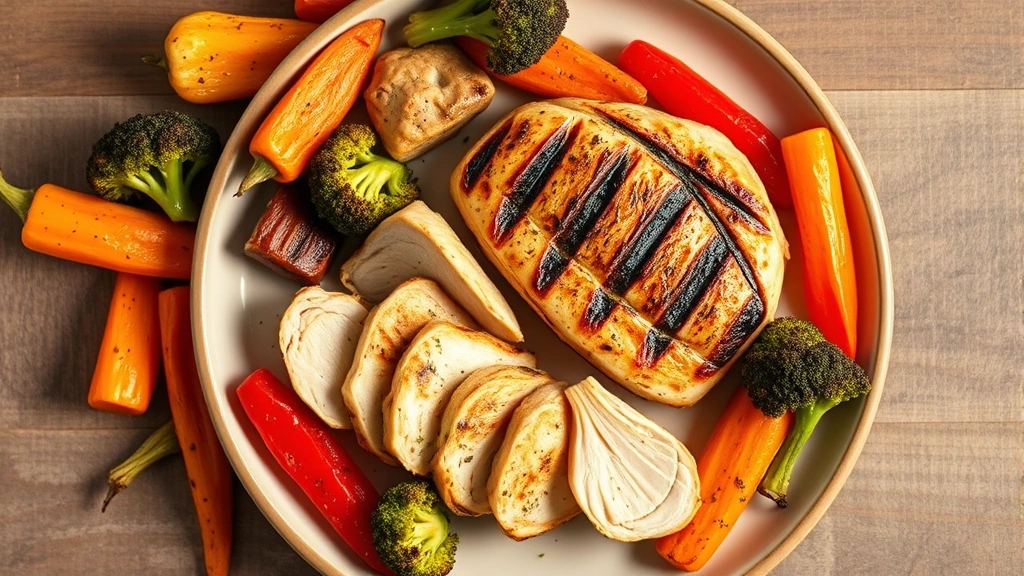
Combining chicken breast with nutrient-dense vegetables amplifies micronutrient intake. Roasting chicken breast alongside colorful vegetables—bell peppers, broccoli, carrots, and zucchini—creates visually appealing, nutritionally comprehensive meals. The fat-soluble vitamins in chicken support absorption of fat-soluble vitamins from vegetables, creating synergistic nutritional benefits.
FAQ
Is skinless chicken breast healthier than skin-on chicken breast?
Skinless chicken breast contains approximately 2.5 grams less fat per 100-gram serving compared to skin-on varieties, making it preferable for those minimizing saturated fat intake or managing caloric consumption. However, skin-on chicken breast provides superior flavor and slightly higher fat-soluble vitamin content. For most health-conscious consumers, skinless remains the optimal choice, though occasional skin-on consumption fits within balanced diets.
How much chicken breast should I eat daily?
Individual requirements depend on body weight, activity level, and overall dietary composition. Generally, consuming 3-4 ounces of chicken breast per meal provides adequate protein without excessive intake. Athletes pursuing muscle gain may consume 5-6 ounces per serving. Consult with a registered dietitian for personalized recommendations based on your specific health goals and metabolic needs.
Does cooking method affect chicken breast nutrition?
Absolutely. Baking, grilling, poaching, and steaming preserve nutritional content while keeping additional fat minimal. Frying dramatically increases fat and caloric content while potentially forming harmful compounds through high-temperature cooking. Choose moist-heat methods like poaching or dry-heat methods like grilling for optimal nutritional outcomes.
Can chicken breast help with weight loss?
Yes. Chicken breast’s high protein content supports satiety—the feeling of fullness—while its low caloric density facilitates caloric deficit creation necessary for weight loss. The thermic effect of protein means your body burns additional calories processing chicken breast compared to carbohydrates or fats. However, weight loss ultimately requires overall caloric deficit, and chicken breast alone cannot overcome excessive caloric intake from other sources.
Is chicken breast suitable for individuals with high cholesterol?
Generally yes. Skinless chicken breast contains minimal saturated fat and moderate cholesterol, making it suitable for most cholesterol management plans. The American Heart Association emphasizes that dietary saturated fat intake affects blood cholesterol more significantly than dietary cholesterol. However, individuals with familial hypercholesterolemia or severe cholesterol elevation should consult healthcare providers regarding specific dietary recommendations.
How does chicken breast compare nutritionally to fish?
Fish, particularly fatty varieties like salmon, provides superior omega-3 fatty acids and vitamin D content compared to chicken breast. However, chicken breast offers comparable or slightly superior protein density with lower total fat. Optimal nutrition involves alternating between these protein sources to benefit from each variety’s unique nutritional profile rather than exclusively consuming either source.


