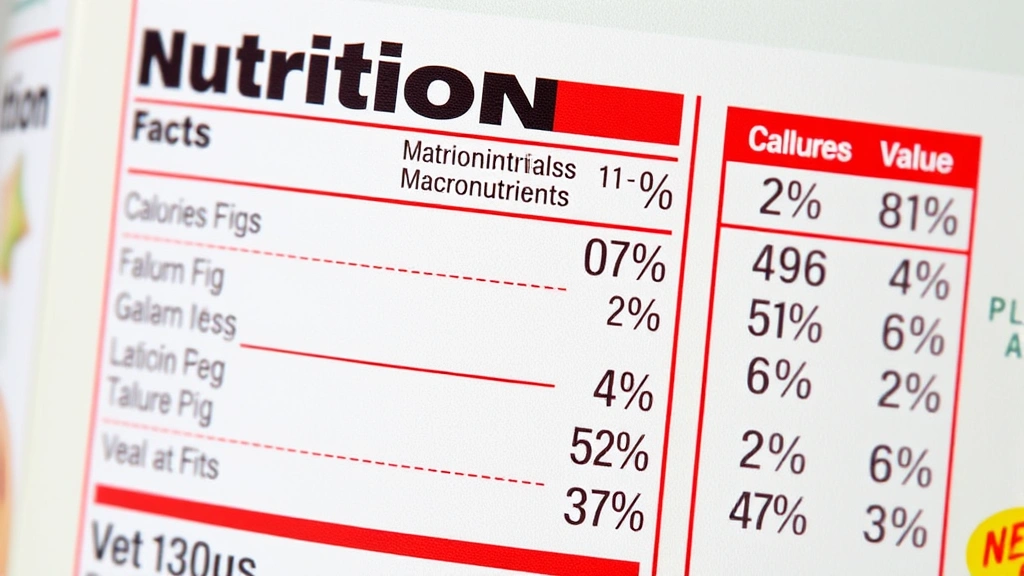
How to Read Nutrition Labels: Expert Tips for Making Informed Food Choices
Nutrition labels are essential tools for understanding what you’re putting into your body, yet many consumers find them confusing or simply ignore them altogether. Whether you’re managing a specific health condition, tracking calories, or simply trying to make healthier choices, learning to read nutrition labels effectively can transform your relationship with food. The FDA-mandated label format provides standardized information that, when properly interpreted, empowers you to compare products, identify hidden sugars and sodium, and align your purchases with your dietary goals.
In today’s food landscape, where marketing claims often obscure nutritional reality, the ability to decode a nutrition label is a critical health literacy skill. This comprehensive guide walks you through every section of the label, explains what each component means, and provides practical strategies for using this information to make decisions that support your wellness objectives. Whether you’re following a specific healthy nutrition plan or simply seeking to optimize your diet, mastering nutrition labels is foundational.

Understanding Serving Size and Servings Per Container
The first and most critical element on any nutrition label is the serving size, yet it’s frequently overlooked. This foundational piece of information determines all the nutritional values listed below it. The serving size is not a recommendation of how much you should eat; rather, it’s the standardized amount used to calculate the label’s nutritional data. If you consume double the serving size, you must double all the nutritional values accordingly.
Serving sizes are defined by the FDA and vary by product category. A serving of cereal might be one cup, while a serving of peanut butter is two tablespoons. Understanding this distinction prevents a common mistake: consuming an entire package while believing you’ve only consumed one serving’s worth of calories and nutrients. The “servings per container” field tells you how many servings are in the entire package, allowing you to calculate total nutritional content if you plan to consume the whole product.
Pay particular attention to serving sizes when comparing similar products. Two seemingly comparable snacks might have different serving sizes, making direct nutritional comparison impossible without adjusting the numbers. This is where awareness becomes crucial—manufacturers sometimes manipulate serving sizes to make products appear healthier than they actually are. A snack package might list a serving size that no reasonable person would actually consume, artificially lowering the per-serving calorie count. Always check whether the serving size matches reality.

Decoding Calories and Daily Value Percentages
Calories represent the energy content of food, measured in kilocalories. The “calories per serving” figure tells you how much energy one serving provides. While calories aren’t the only factor in healthy eating—quality matters significantly—they remain important for weight management and understanding energy balance. The label displays calories prominently, and this number forms the basis for many dietary decisions.
The Daily Value (DV) percentage is perhaps the most misunderstood element on nutrition labels. This percentage indicates how much a nutrient in one serving contributes to a 2,000-calorie daily diet. The FDA uses 2,000 calories as a reference standard, though individual needs vary based on age, sex, activity level, and health status. A nutrient showing 20% Daily Value means one serving provides 20% of the recommended daily intake for that nutrient.
The Daily Value percentages help you quickly assess whether a food is high or low in specific nutrients. Generally, 5% DV or less is considered low, while 20% DV or more is considered high. This rule of thumb simplifies decision-making: if you’re trying to increase fiber intake, you’d look for foods with 20% or higher fiber DV. Conversely, if you’re managing sodium intake, you’d seek products with lower DV percentages for sodium. Understanding this system transforms the label from a collection of numbers into a practical decision-making tool.
Reading Macronutrient Information
Macronutrients—carbohydrates, protein, and fat—form the bulk of food and provide the energy your body needs. The nutrition label breaks down total carbohydrates into dietary fiber and sugars, offers a total fat figure that includes saturated and trans fats, and displays protein content. Each macronutrient serves distinct functions in your body, and understanding their roles helps you make informed choices aligned with your nutrition care process.
Carbohydrates are your body’s primary energy source. The label distinguishes between total carbohydrates, dietary fiber, and sugars. Dietary fiber supports digestive health and satiety, while added sugars contribute empty calories without nutritional benefit. The new FDA label format separates added sugars from naturally occurring sugars, making it easier to identify products with excessive sweetening. Most health experts recommend limiting added sugars to less than 10% of daily calories.
Protein supports muscle building, immune function, and countless enzymatic processes. The label shows total protein content, though it doesn’t distinguish between protein quality or amino acid profiles. Generally, aim for adequate protein at each meal—the recommended dietary allowance is 0.8 grams per kilogram of body weight for sedentary adults, though athletes benefit from higher protein intake.
Fat provides concentrated energy and supports hormone production and nutrient absorption. The label breaks down total fat into saturated fat, trans fat, and (sometimes) unsaturated fat. Saturated fat and trans fat should be limited, as they negatively impact cardiovascular health. The American Heart Association recommends limiting saturated fat to less than 5-6% of daily calories and avoiding trans fats entirely. Unsaturated fats from sources like olive oil, nuts, and fatty fish are generally beneficial.
Identifying Hidden Sugars and Sodium
Sugar hides throughout the food supply under numerous names: sucrose, high-fructose corn syrup, honey, agave, cane juice, and dozens of others. The updated nutrition label separates “added sugars” from naturally occurring sugars, a crucial distinction. Added sugars contribute calories without nutritional benefits and have been linked to obesity, type 2 diabetes, and dental problems. The American Heart Association recommends limiting added sugars to no more than 25 grams daily for women and 36 grams for men.
Surprisingly, many foods marketed as healthy contain substantial added sugars. Flavored yogurts, granola, whole wheat bread, and plant-based meat alternatives often contain more sugar than desserts. By checking the “added sugars” line, you can identify these hidden sources. A yogurt listing 17 grams of added sugars in a single serving, for example, exceeds the entire daily recommendation for women in one product. This awareness prevents unintentional sugar overconsumption that can undermine health goals.
Sodium, or salt, appears on every nutrition label and warrants careful attention. Most Americans consume far too much sodium, increasing blood pressure and cardiovascular disease risk. The FDA recommends limiting sodium to 2,300 milligrams daily, yet the average American consumes over 3,400 milligrams. Most dietary sodium comes from processed foods rather than salt added at home. Checking the sodium content of staples—bread, cheese, canned vegetables, condiments—reveals where excessive sodium accumulates. Choose products with lower sodium DV percentages, particularly if you have hypertension or family history of cardiovascular disease.
A useful strategy: compare similar products and choose the one with lower sodium. A single bread slice might contain 200-400 milligrams of sodium depending on the brand. Over a year, choosing the lower-sodium option could reduce intake by thousands of milligrams. These small choices compound into significant health impacts.
Micronutrients and Vitamins Explained
Beyond macronutrients, the label includes micronutrients—vitamins and minerals essential for health but needed in smaller quantities. The updated label format includes Vitamin D, calcium, iron, and potassium, nutrients many Americans consume inadequately. The label shows these as Daily Value percentages, helping you identify foods that contribute meaningfully to meeting requirements.
Vitamin D supports bone health and immune function. Many Americans, particularly those in northern climates or with limited sun exposure, have insufficient levels. Fortified foods like milk and certain cereals provide significant amounts. If the label shows 25% or higher DV for Vitamin D, that food contributes meaningfully to daily needs.
Calcium is crucial for bone health, particularly important for women and older adults. Dairy products, fortified plant-based milks, leafy greens, and certain fish provide calcium. The label helps identify calcium-rich foods, especially valuable for those avoiding dairy.
Iron supports oxygen transport and energy production. Two forms exist: heme iron from animal sources (better absorbed) and non-heme iron from plant sources (less readily absorbed). The label shows total iron content without distinguishing between these forms, so understanding food sources helps optimize absorption.
Potassium regulates blood pressure and heart function. Most Americans consume insufficient potassium. Foods high in potassium include bananas, sweet potatoes, beans, and leafy greens. The label’s potassium content helps identify foods supporting heart health and balanced electrolytes.
Using a Nutrition Label Generator for Custom Analysis
For those creating recipes, meal plans, or formulating products, a nutrition label generator offers tremendous value. These tools allow you to input ingredients and quantities, automatically calculating comprehensive nutritional information matching FDA-required label formats. Whether you’re developing a commercial product or analyzing a homemade recipe’s nutritional profile, these generators save time and ensure accuracy.
A nutrition label generator works by accessing databases of ingredient nutritional values and performing calculations based on your inputs. You specify each ingredient and its amount, and the generator combines this information to produce complete nutritional analysis. This proves invaluable for several purposes: entrepreneurs can create compliant labels for new food products, nutritionists can analyze client recipes, fitness enthusiasts can track homemade meal nutrition, and food bloggers can provide accurate nutritional information for their readers.
When using a nutrition label generator, accuracy in ingredient quantities is paramount. Measuring ingredients by weight rather than volume ensures precision. Some generators allow you to specify whether ingredients are raw or cooked, accounting for water loss and density changes during preparation. The output typically includes all required label elements: serving size, calories, macronutrients, micronutrients, and Daily Value percentages.
These tools democratize nutritional analysis. Previously, accessing detailed nutritional information required professional laboratory testing or expensive nutritionist consultations. Now, anyone can generate comprehensive labels for pennies. This accessibility supports informed decision-making and product development. The Nutrients Pathway Blog frequently discusses practical applications of nutrition analysis tools in modern dietary planning.
Comparing Products Like a Pro
Armed with label-reading skills, comparing products becomes straightforward. Rather than relying on marketing claims or packaging colors, you can make objective comparisons based on actual nutritional content. This skill proves particularly valuable when shopping for staples like bread, cheese, yogurt, or cereal, where options vary dramatically in nutritional quality.
Establish comparison criteria based on your priorities. If reducing sodium intake is your goal, compare sodium content across brands of the same product. If maximizing protein is important, look for high-protein options. If managing blood sugar is crucial, compare added sugars and fiber content. By focusing on specific nutrients relevant to your goals, you cut through marketing noise and identify genuinely superior options.
Use the Daily Value percentages to simplify comparisons. A bread with 8% sodium DV is lower than one with 15% sodium DV, regardless of absolute milligram amounts. This standardized approach makes quick decisions possible while shopping. Keep in mind that sometimes a slightly higher value in one nutrient is acceptable if the product excels in others. A cereal with slightly more sugar might be acceptable if it offers significantly more fiber and less sodium than alternatives.
Consider cost per nutrient when comparing products. A more expensive item with superior nutritional quality might be better value than a cheaper alternative with inferior nutrition. Calculate price per serving, not price per package, since serving sizes differ. A premium whole grain bread at $5 per loaf might be better value than budget bread at $2 per loaf if serving sizes and nutritional quality differ significantly.
Common Label Claims and What They Actually Mean
Food packaging displays numerous health claims—”natural,” “healthy,” “multigrain,” “light,” “organic”—that sound beneficial but often lack strict definitions. Understanding what these terms actually mean prevents misleading purchases. The FDA regulates some claims strictly while others have minimal oversight, creating confusion in the marketplace.
“Natural” has no official FDA definition for most foods, meaning manufacturers can apply it liberally. A product containing natural ingredients might still include added sugars, sodium, and processed components. Always check the actual nutrition label rather than relying on “natural” claims.
“Healthy” does have FDA criteria, but they’re outdated and don’t reflect current nutritional science. A food labeled “healthy” must meet specific fat and sodium limits, but this doesn’t guarantee nutritional excellence. Check the label to confirm it aligns with your dietary goals.
“Multigrain” means the product contains multiple grain types but doesn’t specify whether they’re whole grains. A multigrain product might consist entirely of refined grains. Look for “whole grain” as the first ingredient for genuine whole grain products.
“Light” or “lite” means the product contains 25-50% less of a specific nutrient (usually fat or sodium) compared to the full-fat or full-sodium version. This doesn’t mean “low”—a light salad dressing might still contain substantial sodium or sugar.
“Organic” indicates production without synthetic pesticides or fertilizers, but doesn’t guarantee nutritional superiority. An organic cookie is still a cookie with added sugars. Organic certification addresses production methods, not nutritional quality.
“Low-fat” or “fat-free” products often compensate for removed fat with added sugars to maintain palatability. These products aren’t automatically healthier; always compare complete nutritional profiles. Some full-fat versions contain less total sugar despite higher fat content.
The key principle: marketing claims are advertisements, not nutritional analysis. The nutrition label provides objective, standardized information. Make decisions based on labels, not claims. This approach prevents falling for sophisticated marketing while identifying genuinely nutritious options that may lack flashy packaging.
For those developing expertise in nutrition analysis, professional nutrition jobs increasingly value these practical label-reading and analysis skills, as they form the foundation of evidence-based dietary guidance and product development.
FAQ
What is the most important part of a nutrition label to check first?
The serving size is the most critical element because all other nutritional values are calculated based on it. If you don’t understand the serving size, all subsequent numbers will mislead you. Check whether the serving size matches the amount you actually plan to consume.
How do I know if a food is high in a particular nutrient?
Use the Daily Value percentage as your guide. Generally, 5% DV or less is low, and 20% DV or more is high. This rule applies to nutrients you want to limit (sodium, saturated fat, added sugars) and those you want to increase (fiber, protein, vitamins).
Are calories the only thing that matters for weight management?
While calories are important for weight management, food quality matters significantly. A 200-calorie serving of nuts provides satiety and nutritional benefits, while 200 calories of added sugars provides empty calories that don’t satisfy hunger. Both macronutrient composition and food quality influence weight management success.
What’s the difference between total carbs and net carbs?
The nutrition label shows total carbohydrates, which includes dietary fiber. Net carbs—calculated by subtracting fiber from total carbs—represent carbohydrates that affect blood sugar. The label doesn’t calculate net carbs, but you can. Some people following low-carb diets focus on net carbs, though research increasingly supports total carbohydrate and fiber intake as more relevant metrics.
How can I use nutrition labels to support specific health goals?
Identify which nutrients are relevant to your goals. For heart health, focus on saturated fat, sodium, and fiber. For blood sugar management, emphasize added sugars and fiber. For muscle building, prioritize protein. For bone health, focus on calcium and vitamin D. Let your specific goals guide which label elements deserve closest attention.
What should I do if a product doesn’t have a nutrition label?
Most packaged foods require labels, but some foods—fresh produce, bulk items, certain small-batch products—may lack them. In these cases, use nutrition databases and resources to research nutritional content, or consult a registered dietitian for guidance on foods relevant to your dietary needs.
Are all Daily Values appropriate for everyone?
The Daily Values use a 2,000-calorie reference diet, which doesn’t match everyone’s needs. Children, very active individuals, and people with specific health conditions may have different requirements. Use Daily Values as a general guide, but consult healthcare providers for personalized recommendations.
How do I identify added sugars on labels with multiple ingredients?
Check the “added sugars” line on the updated nutrition label—this is the most reliable method. You can also review the ingredient list for sugar-containing items like sucrose, honey, maple syrup, and corn syrup, though the added sugars line provides the complete picture including concentrated fruit juices and other sweetening sources.


