Chicken Wings: Calories & Health Facts Explained
Chicken wings have become a cultural staple in American cuisine, from sports bar appetizers to game day gatherings. Yet despite their popularity, many people remain uncertain about the actual nutritional content lurking beneath that crispy coating or savory sauce. Understanding the nutritional info chicken wings provide is essential for anyone tracking their diet, managing their weight, or simply making informed food choices.
The reality is more nuanced than many assume. While chicken wings do contain protein and certain nutrients, their preparation method dramatically influences their caloric density and health profile. Whether you’re baking, frying, or grilling them—and what sauce you choose—can mean the difference between a reasonably balanced meal and a calorie bomb that derails your daily goals.
This comprehensive guide breaks down everything you need to know about chicken wing nutrition, from raw calorie counts to macronutrient breakdowns, and provides practical strategies for enjoying them as part of a balanced diet.
Chicken Wings Calorie Count by Preparation Method
The caloric content of chicken wings varies significantly based on how they’re prepared. A single medium-sized chicken wing (approximately 32 grams) contains roughly 80-100 calories when raw. However, the cooking method transforms this number dramatically.
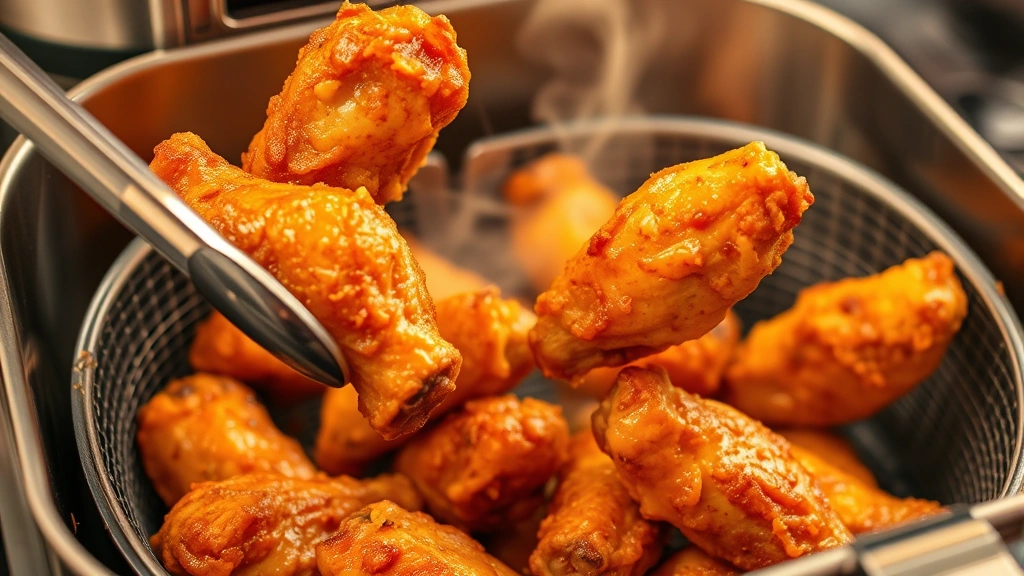
Fried chicken wings represent the highest-calorie preparation, with a single wing weighing about 32 grams containing 110-150 calories depending on the oil used and coating thickness. A typical serving of 10 fried wings can easily exceed 1,200-1,500 calories before any sauce is applied. This is because deep-frying absorbs significant amounts of oil, which adds 9 calories per gram of fat.
Baked chicken wings offer a more moderate option, containing approximately 90-110 calories per wing. The absence of oil absorption makes a substantial difference—a serving of 10 baked wings typically ranges from 900-1,100 calories, representing a 15-25% calorie reduction compared to fried versions.
Grilled or air-fried wings fall between these extremes, providing roughly 85-105 calories per wing. Air frying, in particular, has gained popularity as a method that mimics the crispy texture of deep-frying while using minimal oil, resulting in calorie counts closer to baked wings.
It’s crucial to note that these figures represent the wing itself. When restaurants or food manufacturers prepare wings, they often add breading, oils, and other ingredients that can increase the caloric density by 20-40%.
Macronutrient Breakdown and Nutritional Profile
Beyond calories, understanding the macronutrient composition of chicken wings is essential for evaluating their role in your diet. A raw, skinless chicken wing contains approximately 6-8 grams of protein per wing, making it a decent protein source. However, most people consume chicken wings with skin, which adds fat content.
A typical raw chicken wing with skin contains:
- Protein: 6-7 grams per wing (varies by size)
- Fat: 5-7 grams per wing, primarily saturated fat
- Carbohydrates: 0 grams (in plain, unbreaded wings)
- Sodium: 20-30 mg per raw wing
When breaded and fried, the macronutrient profile shifts dramatically. A single fried wing can contain 8-12 grams of fat (due to oil absorption) and up to 8-10 grams of carbohydrates from the breading, while protein content remains relatively stable at 6-8 grams.
The skin of the chicken wing contains most of the fat, with approximately 70% of the fat content being saturated fat. While saturated fat has received scrutiny in nutritional science, recent research suggests the relationship between saturated fat and heart health is more complex than previously believed. According to Pew Research Center studies on dietary trends, consumer understanding of fat consumption continues to evolve.
Chicken wings also provide several micronutrients, including B vitamins (particularly niacin and B6), selenium, and phosphorus. These nutrients support energy metabolism, immune function, and bone health respectively.
Impact of Sauces and Seasonings
The sauce or seasoning applied to chicken wings can dramatically alter their nutritional profile. This is where many people underestimate the true caloric and sodium content of their meal.
Buffalo sauce, one of the most popular wing preparations, typically adds 10-30 calories per wing along with 200-400 mg of sodium. While relatively moderate in calories, the sodium content is significant—a 10-wing serving can contribute 2,000-4,000 mg of sodium, approaching or exceeding the daily recommended intake of 2,300 mg.
BBQ sauce tends to be higher in calories, adding 15-40 calories per wing due to added sugars. A tablespoon of BBQ sauce contains 4-6 grams of sugar, and wings are typically coated generously. A 10-wing serving with BBQ sauce can add 150-400 additional calories and 40-60 grams of sugar.
Honey-based sauces represent the highest-calorie option, adding 25-50 calories per wing along with 5-8 grams of sugar per wing. These sauces are particularly problematic for those monitoring sugar intake.
Dry rubs and spice-only seasonings are the most nutritionally conservative option, adding minimal calories (typically under 5 per wing) while providing flavor through herbs and spices. Options like garlic powder, paprika, cayenne, and black pepper add virtually no calories while delivering antioxidants and anti-inflammatory compounds.
For those looking to use our nutrition label generator, inputting different sauce combinations can help visualize how dramatically preparation affects the final nutritional content.
Health Considerations and Dietary Concerns
While chicken wings provide protein and certain nutrients, several health considerations warrant attention, particularly for those with specific dietary goals or health conditions.
Sodium content presents the most significant health concern. A single serving of restaurant chicken wings can exceed 2,000-3,000 mg of sodium, primarily from sauces, seasonings, and frying oils. The American Heart Association recommends limiting sodium to 2,300 mg daily, with an ideal limit of 1,500 mg for those with hypertension. Regular consumption of high-sodium wing preparations can contribute to elevated blood pressure and increased cardiovascular risk.
Saturated fat consumption remains a consideration, particularly for those with elevated cholesterol levels or family histories of heart disease. A 10-wing serving can contain 15-25 grams of saturated fat, representing 75-125% of the recommended daily intake based on a 2,000-calorie diet.
Caloric density makes wings problematic for weight management. Despite their relatively modest size, wings pack significant calories—approximately 100-150 per wing depending on preparation. This means it’s easy to consume 1,000+ calories without feeling particularly full, as the protein-to-calorie ratio is less favorable than leaner protein sources.
Research from JAMA Network publications on dietary patterns indicates that high-calorie, high-sodium foods like fried chicken wings contribute significantly to obesity and hypertension prevalence in Western diets.
However, it’s important to contextualize these concerns. Occasional consumption of chicken wings as part of an otherwise balanced diet poses minimal health risk for most people. The issue arises with frequent consumption or using wings as a primary protein source.
Healthier Ways to Prepare Chicken Wings
If you’re committed to enjoying chicken wings while minimizing nutritional downsides, several preparation strategies can help. Following a healthy nutrition plan doesn’t mean eliminating foods you enjoy—it means making informed choices.
Air frying has revolutionized home wing preparation. Air fryers circulate hot air at high temperatures, creating crispy exteriors with minimal oil. A 10-wing serving prepared in an air fryer contains approximately 900-1,000 calories compared to 1,300-1,500 for deep-fried versions, while maintaining satisfying texture.
Baking at high temperature (425-450°F) provides another excellent option. Pat wings dry thoroughly, toss lightly with minimal oil, and bake for 35-45 minutes until crispy. This method produces wings with texture approaching fried versions while reducing calories by 20-30%.
Grilling allows fat to drip away while imparting delicious smoky flavor. Marinate wings in acid-based mixtures (lemon juice, vinegar) to tenderize them and reduce cooking time. Grill over medium-high heat for 12-15 minutes, turning frequently.
Sauce selection matters tremendously. Instead of heavy BBQ or honey sauces, consider:
- Dry rubs with cayenne, garlic powder, and paprika
- Hot sauce mixed with a small amount of butter (provides flavor with less sauce volume)
- Lemon pepper seasoning
- Asian-inspired combinations using low-sodium soy sauce, ginger, and garlic
- Vinegar-based sauces that add flavor with minimal calories
Portion awareness is equally important. Instead of consuming 15-20 wings at a sitting, limit servings to 6-8 wings paired with substantial vegetable sides and whole grains. This approach satisfies cravings while maintaining nutritional balance.
Comparing Wings to Other Protein Sources
To properly contextualize chicken wings within a balanced diet, comparing them to alternative protein sources proves instructive. When evaluating nutrition for athletes and active individuals, protein quality and efficiency matter considerably.
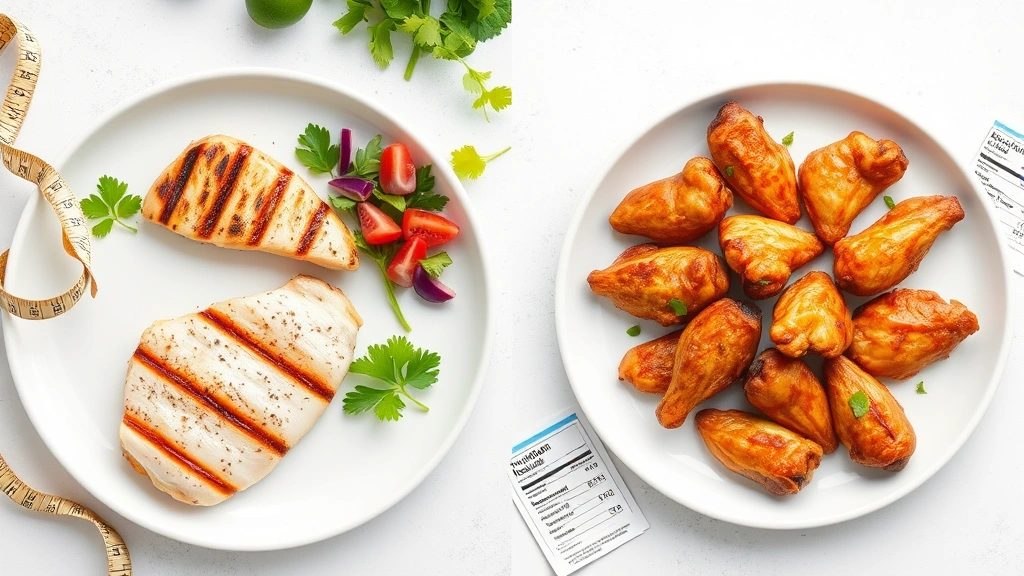
Chicken breast offers superior nutritional profile: a 3-ounce serving contains 26 grams of protein with only 3 grams of fat and 128 calories. Compared to wings, breast meat provides roughly 4x the protein per calorie, making it far more efficient for those prioritizing muscle development or weight loss.
Turkey breast provides similar benefits to chicken breast with marginally less fat, containing 24 grams of protein and 2 grams of fat per 3-ounce serving.
Fish and seafood offer excellent protein with beneficial omega-3 fatty acids. Salmon contains 22 grams of protein per 3-ounce serving along with 2,000+ mg of omega-3s, supporting cardiovascular and cognitive health.
Legumes (beans, lentils, chickpeas) provide complete protein when combined with grains, along with fiber and micronutrients. A cup of cooked lentils contains 18 grams of protein, 15 grams of fiber, and only 230 calories.
The comparison reveals that while chicken wings contain protein, they’re not the most efficient protein source. Their appeal lies in flavor, texture, and cultural significance rather than nutritional optimization.
Portion Control and Serving Recommendations
For those who enjoy chicken wings, establishing appropriate portion sizes and consumption frequency is crucial. Using our nutrition facts label generator can help you understand exactly how different portion sizes affect your daily nutritional totals.
Recommended portion size for chicken wings as part of a balanced diet is 6-8 wings per serving, containing approximately 540-800 calories depending on preparation method. This portion should be accompanied by:
- A substantial vegetable side (leafy greens, roasted vegetables, or raw vegetables with hummus)
- A whole grain or legume-based side (brown rice, quinoa, or bean-based dish)
- A beverage like water or unsweetened tea rather than sugary sodas
Consumption frequency should be limited. For those maintaining overall health, consuming chicken wings 1-2 times monthly poses minimal concern. Those with hypertension, elevated cholesterol, or weight management goals should limit consumption to once monthly or less, or prepare them using healthier methods exclusively.
Restaurant versus home preparation makes a significant difference. Restaurant wings typically contain 30-50% more calories and 3-5x more sodium than home-prepared versions due to commercial cooking oils, salt in sauces, and generous coating applications. When dining out, request wings be prepared with minimal sauce on the side, or choose alternative menu options.
Pairing strategies can improve the overall nutritional balance of a wing-containing meal. Consuming wings with substantial protein from other sources (like Greek yogurt as a dip base) and plenty of fiber-rich vegetables increases satiety and prevents overeating.
The nutrients pathway blog offers additional resources for understanding portion control and balanced meal construction.
FAQ
How many calories are in 10 chicken wings?
Approximately 900-1,500 calories depending on preparation method. Baked wings contain roughly 900-1,100 calories; fried wings contain 1,200-1,500 calories. Sauce additions can add 150-400 additional calories.
Are chicken wings good protein?
Chicken wings contain 6-8 grams of protein per wing, making them a protein source. However, other cuts like chicken breast provide superior protein-to-calorie ratios. Wings are better appreciated for flavor and texture than nutritional efficiency.
What sauce has the fewest calories?
Dry rubs and spice-only seasonings contain virtually no calories (under 5 per wing). Among wet sauces, buffalo sauce is relatively moderate at 10-30 calories per wing, while BBQ and honey sauces contain 15-50 calories per wing.
Can chicken wings fit into a weight loss diet?
Yes, with modifications. Baked or air-fried wings with dry rub seasoning, consumed in 6-8 wing portions paired with vegetables and whole grains, can fit into a calorie-controlled diet. Avoid fried versions and heavy sauces.
How much sodium is in chicken wings?
A single raw wing contains 20-30 mg sodium. Prepared wings with sauce contain 200-400 mg per wing. A 10-wing restaurant serving can contain 2,000-4,000 mg sodium—nearly the entire daily recommended intake.
What’s the difference between drumettes and flats?
Drumettes (the larger piece with one bone) contain slightly more meat and fat, while flats (two smaller bones with meat between) have less meat overall. Nutritionally, they’re quite similar, with drumettes being marginally higher in both protein and fat.


