
Chicken Breast Benefits: Nutritionist Insights on 6 oz Servings
Chicken breast stands as one of the most versatile and nutrient-dense protein sources available to health-conscious consumers today. Whether you’re an athlete optimizing performance, someone following a structured healthy nutrition plan, or simply seeking to understand the nutritional value of 6 oz chicken breast, this lean protein deserves a closer examination. A single 6-ounce serving delivers impressive macronutrient density while remaining relatively low in calories, making it a dietary staple across countless nutrition philosophies.
The popularity of chicken breast extends beyond casual health enthusiasts—nutritionists, registered dietitians, and performance coaches consistently recommend this protein source for its bioavailable amino acid profile and minimal saturated fat content. Understanding what makes chicken breast nutritionally significant requires exploring its complete nutrient composition, preparation methods, and how it fits into comprehensive dietary strategies. This guide synthesizes current nutritional science to provide actionable insights about chicken breast benefits.
Complete Nutritional Breakdown of 6 oz Chicken Breast
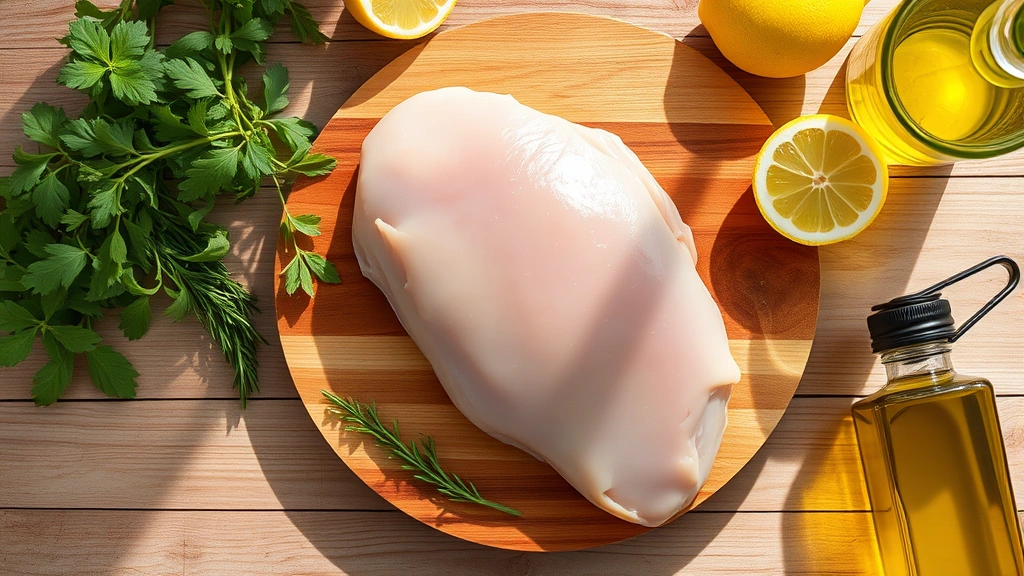
A 6-ounce serving of boneless, skinless chicken breast (approximately 170 grams) contains approximately 280-310 calories, depending on the specific cut and preparation method. This modest caloric density makes chicken breast particularly attractive for individuals managing body composition while maintaining adequate protein intake. The macronutrient distribution reveals why nutritionists consistently recommend this protein source:
- Protein: 50-55 grams per 6 oz serving, providing substantial amino acid content for muscle synthesis and tissue repair
- Fat: 3-5 grams total fat, with minimal saturated fat (less than 1.5 grams), supporting cardiovascular health
- Carbohydrates: 0 grams in plain, unseasoned chicken breast, making it compatible with various dietary approaches
- Sodium: 70-100 mg naturally occurring, though added salt during preparation can significantly increase this value
These macronutrients align with recommendations from the Academy of Nutrition and Dietetics, which emphasizes lean protein sources as foundational to balanced nutrition. The protein-to-calorie ratio of chicken breast exceeds many alternative protein sources, making it exceptionally efficient for those tracking macronutrient targets.
Understanding the nutrition label generator tools can help you customize tracking based on your specific preparation methods. Grilling, baking, and poaching maintain nutritional integrity better than frying, which introduces additional fat and calories.
Protein Quality and Amino Acid Profile
Beyond raw protein quantity, the quality of protein in chicken breast determines its true nutritional value. Chicken breast contains all nine essential amino acids in optimal ratios, classifying it as a complete protein source. This completeness matters significantly for muscle protein synthesis, immune function, and enzyme production.
The amino acid composition includes particularly high concentrations of:
- Leucine (approximately 3.5 grams per 6 oz), the primary branched-chain amino acid triggering mTOR-mediated muscle protein synthesis
- Methionine, essential for creatine synthesis and methylation reactions throughout the body
- Tryptophan, the precursor to serotonin and melatonin, supporting mental health and sleep quality
- Lysine, critical for collagen formation and calcium absorption
Research published in the Journal of the International Society of Sports Nutrition demonstrates that complete proteins like chicken breast produce superior muscle adaptation responses compared to incomplete protein sources when combined with resistance training. The biological value (BV) of chicken protein ranks at approximately 79, indicating excellent amino acid utilization efficiency within human tissues.
For individuals following nutrition for athletes optimizing performance, this amino acid completeness proves particularly valuable during recovery phases when muscle protein synthesis demands peak.
Micronutrient Content and Health Benefits
While chicken breast’s macronutrient profile receives primary attention, its micronutrient density contributes substantially to overall health outcomes. A 6-ounce serving provides significant quantities of essential vitamins and minerals:
B Vitamins and Energy Metabolism: Chicken breast delivers exceptional B vitamin content, including niacin (B3), pantothenic acid (B5), and pyridoxine (B6). A single 6 oz serving supplies approximately 40% of daily niacin requirements and 25% of B6 needs. These vitamins function as coenzymes in energy metabolism, converting dietary macronutrients into usable cellular energy. This explains why athletes and active individuals frequently incorporate chicken breast into pre-workout meals.
Selenium comprises another significant micronutrient in chicken breast, with each 6 oz serving providing roughly 35% of daily selenium requirements. This trace mineral functions as a cofactor for glutathione peroxidase, an antioxidant enzyme protecting cells from oxidative damage. Population studies indicate adequate selenium intake correlates with improved thyroid function, enhanced immune response, and reduced inflammation markers.
Phosphorus, essential for bone mineralization and ATP production, appears in substantial quantities, while iron content (though less bioavailable than heme iron from red meat) supports oxygen transport. The combination of these micronutrients creates synergistic health benefits extending beyond simple protein delivery.
Chicken Breast for Athletic Performance
Athletic populations benefit distinctly from chicken breast’s nutritional profile, particularly during training cycles emphasizing hypertrophy or strength development. The high leucine content triggers mechanistic target of rapamycin (mTOR) signaling, initiating the molecular cascades necessary for muscle fiber adaptation.
Timing considerations matter significantly in sports nutrition contexts. Consuming 6 ounces of chicken breast within 2-3 hours post-workout, combined with carbohydrates to elevate insulin and facilitate amino acid uptake, optimizes muscle protein synthesis windows. The digestibility of chicken breast—reaching approximately 95% amino acid absorption—ensures maximal nutrient availability compared to less refined protein sources.
Endurance athletes benefit from chicken breast’s micronutrient density, particularly the B vitamins supporting aerobic metabolism and the minerals facilitating muscle contraction and nerve signaling. A meta-analysis from the National Center for Biotechnology Information examining protein timing in athletic populations confirms that complete proteins like chicken breast produce superior strength adaptations when distributed across multiple daily meals rather than concentrated in single servings.
Comparison with Other Protein Sources
Evaluating chicken breast against alternative protein sources illuminates its unique nutritional position. Ground turkey offers similar macronutrient profiles but typically contains higher fat percentages. Fish, while providing omega-3 polyunsaturated fats absent in chicken, delivers lower protein concentrations per calorie. Beef provides superior iron bioavailability and creatine content but introduces higher saturated fat and caloric density.
Plant-based proteins like lentils and chickpeas offer fiber and polyphenol benefits but lack complete amino acid profiles and require larger portion sizes to achieve equivalent protein delivery. Whey protein isolate concentrates protein density further but eliminates whole-food micronutrients and food matrix benefits. Greek yogurt provides probiotics and calcium but contains higher carbohydrate and fat content per protein gram.
The comparison reveals chicken breast’s unique position: exceptional protein quality, minimal caloric density, complete amino acid composition, and micronutrient diversity without the digestive complications some experience from plant proteins or the environmental concerns surrounding high-volume beef consumption. This nutritional efficiency explains its ubiquity across diverse dietary philosophies from ketogenic to plant-forward approaches incorporating occasional animal products.
Preparation Methods That Maximize Nutrition
Cooking methodology significantly influences chicken breast’s final nutritional value and bioavailability. Different preparation techniques produce varying effects on protein structure, micronutrient retention, and oxidative stress compound formation:
Optimal Preparation Methods:
- Poaching in water or broth maintains nutritional integrity while preventing oxidative damage. The gentle heat (160-180°F) denatures proteins for digestibility without creating advanced glycation end products (AGEs) or excessive oxidative products. Poaching liquid can be utilized in soups or sauces, capturing leached micronutrients.
- Baking at moderate temperatures (375-400°F) for 20-25 minutes produces reliable protein denaturation with minimal nutrient loss. Covering with foil prevents excessive browning that generates potentially inflammatory compounds.
- Grilling at medium heat creates beneficial Maillard reaction compounds while maintaining micronutrient content. Higher temperatures (above 450°F) generate heterocyclic amines (HCAs), potentially carcinogenic compounds, warranting moderation.
- Sous vide cooking at precisely controlled temperatures (140-145°F for 45-60 minutes) preserves micronutrient content while ensuring food safety, though this method requires specialized equipment.
Preparation methods to minimize include deep frying (which introduces 15-20 additional grams of fat per serving) and charring at extremely high temperatures (which maximizes HCA formation). Marinade selection influences final nutritional value—acidic marinades (lemon, vinegar) may enhance iron bioavailability, while antioxidant-rich marinades (garlic, herbs) provide additional phytonutrients.
Accessing the nutrition label generator allows precise tracking of how preparation methods modify nutritional outcomes, facilitating data-driven optimization of cooking techniques aligned with individual health objectives.
Integration into Meal Planning
Strategic integration of chicken breast into comprehensive meal plans amplifies its nutritional benefits through synergistic nutrient combinations. The absence of carbohydrates in plain chicken breast necessitates thoughtful pairing with complex carbohydrates, healthy fats, and phytonutrient-rich vegetables.
A complete meal structure incorporating 6 oz chicken breast might include:
- Protein component: 6 oz grilled or baked chicken breast (50-55g protein, 280-310 calories)
- Carbohydrate component: 150-200g sweet potato or brown rice (30-40g carbohydrates, supporting glycogen replenishment)
- Fat component: 1 tablespoon olive oil or avocado (9-11g fat, facilitating fat-soluble vitamin absorption)
- Micronutrient component: 2 cups mixed vegetables, emphasizing cruciferous varieties (providing fiber, polyphenols, and additional micronutrients)
This composition delivers approximately 600-700 calories with optimal macronutrient distribution supporting sustained energy, satiety, and micronutrient density. The fiber from complex carbohydrates and vegetables moderates blood glucose responses, while healthy fats enhance the absorption of fat-soluble vitamins (A, D, E, K) present in both the chicken and vegetables.
Frequency considerations depend on individual objectives and dietary diversity. Most nutrition guidelines suggest consuming chicken breast 3-5 times weekly as part of a varied protein rotation including fish, eggs, legumes, and occasionally beef. This rotation ensures comprehensive micronutrient acquisition while preventing potential nutrient imbalances from excessive single-source consumption.
For those developing personalized nutrition strategies, consulting resources on nutrition and mental health impacts reveals additional benefits of consistent, nutrient-dense meal patterns incorporating chicken breast.

The Nutrients Pathway Blog provides ongoing evidence-based nutrition information, while the nutritional supplement landing page explores complementary micronutrient strategies for comprehensive nutritional optimization.
FAQ
How much protein is in a 6 oz chicken breast?
A 6-ounce boneless, skinless chicken breast contains approximately 50-55 grams of complete protein, providing all nine essential amino acids in optimal ratios. This protein content remains relatively consistent across preparation methods when no additional ingredients are added during cooking.
Is chicken breast good for weight loss?
Yes, chicken breast supports weight loss goals through its exceptional protein-to-calorie ratio (approximately 0.18 calories per gram of protein). The high protein content promotes satiety, increases thermic effect of food (energy required for digestion), and supports lean muscle preservation during caloric deficits. Most nutritionists recommend incorporating chicken breast as a primary protein source during weight management phases.
Can I eat chicken breast every day?
While chicken breast can be consumed daily from a nutritional safety perspective, dietary diversity optimizes micronutrient acquisition. Rotating between chicken, fish, eggs, and plant-based proteins ensures comprehensive nutrient coverage and prevents potential nutrient imbalances from excessive single-source consumption. Most guidelines suggest chicken breast 3-5 times weekly as part of varied protein patterns.
What’s the difference between chicken breast and chicken thigh?
Chicken thigh contains approximately 50% more fat than breast (8-10g vs 3-5g per 6 oz serving), resulting in higher caloric density (approximately 380-400 calories vs 280-310). While thigh meat provides more flavor and slightly higher micronutrient density, breast meat delivers superior protein-to-calorie ratios and lower saturated fat content, making it preferable for calorie-conscious individuals.
Does cooking method affect chicken breast nutrition?
Yes, cooking method significantly influences nutritional outcomes. Poaching and baking at moderate temperatures (375-400°F) preserve micronutrients optimally, while frying introduces 15-20 additional grams of fat per serving. High-temperature grilling above 450°F generates heterocyclic amines, potentially inflammatory compounds. Gentle cooking methods maintain superior nutritional integrity.
How does chicken breast compare to plant-based proteins?
Chicken breast provides complete protein with all nine essential amino acids in optimal ratios, while most plant proteins require combining multiple sources for completeness. Per calorie, chicken delivers higher protein concentrations (50-55g vs 15-25g per serving in legumes) and superior bioavailability. However, plant proteins offer fiber and polyphenol benefits absent in chicken, making dietary variety optimal.


