Nutritional Yeast Replacement? Expert Tips Inside
Nutritional yeast has become a staple in plant-based and health-conscious kitchens, prized for its savory umami flavor, cheesy notes, and impressive nutritional profile packed with B vitamins, protein, and minerals. However, whether you’ve run out unexpectedly, developed a sensitivity, or simply want to explore alternatives, finding the right nutritional yeast replacement can be challenging. This comprehensive guide explores science-backed substitutes that deliver comparable nutrition and flavor, helping you maintain your culinary creativity and dietary goals without interruption.
The search for quality nutritional yeast alternatives has grown significantly as more people adopt plant-based diets and explore functional foods. Understanding which substitutes work best for specific applications—from sprinkling on popcorn to incorporating into sauces—ensures you don’t compromise on taste or nutritional benefits. Our expert analysis covers both obvious and creative options that nutritionists and chefs recommend.
Understanding Nutritional Yeast and Its Nutritional Profile
Before exploring replacements, it’s essential to understand what makes nutritional yeast valuable. This deactivated yeast (typically Saccharomyces cerevisiae) is grown on molasses and then harvested and dried. Two tablespoons typically provide 8 grams of protein, 4 grams of fiber, and substantial amounts of B vitamins including B12 in fortified versions. The distinctive cheesy, nutty flavor comes from naturally occurring glutamates, which trigger umami taste receptors.
According to nutritional biochemistry research, nutritional yeast’s unique combination of complete amino acids, bioavailable B vitamins, and flavor compounds makes it particularly valuable for plant-based diets. When selecting replacements, matching these three elements—protein content, micronutrient density, and flavor profile—ensures you maintain nutritional integrity and culinary satisfaction.
As discussed in our article on how to improve nutrient absorption, the bioavailability of nutrients matters as much as their presence. Some nutritional yeast alternatives excel nutritionally but may require preparation adjustments to optimize absorption.

Top Nutritional Yeast Alternatives
Miso Paste stands as one of the most effective replacements, particularly for savory applications. This fermented soybean product delivers intense umami, similar B vitamin content from fermentation, and excellent protein levels. Use approximately one-third the amount of miso compared to nutritional yeast, as it’s considerably more concentrated. White miso offers milder flavor, while red and dark varieties provide deeper, more complex notes.
Parmesan Cheese works excellently for those without dairy restrictions. While not plant-based, it provides comparable umami intensity, similar protein content, and the same cheesy, salty flavor profile. Nutritional yeast enthusiasts often use Parmesan as a direct one-to-one substitute when dairy compatibility isn’t a concern. The micronutrient profile differs, offering calcium and vitamin A instead of B vitamins, but addresses flavor and protein needs effectively.
Brewer’s Yeast represents the closest nutritional match, though with important distinctions. Unlike nutritional yeast, brewer’s yeast retains live cultures and carries a distinctly bitter taste most people find unpalatable. However, some specialty suppliers offer inactivated brewer’s yeast specifically marketed as nutritional yeast alternative, which can work in baking and savory applications. Always verify the product is inactivated and food-grade.
Soy Sauce or Tamari concentrate provides umami intensity and saltiness but lacks the texture and some nutritional elements. These work best as flavor enhancers combined with other substitutes rather than standalone replacements. They’re particularly useful in soups, gravies, and sauces where liquid ingredients integrate naturally.
For those following a healthy nutrition plan, understanding which alternative aligns with your dietary framework matters significantly. Some replacements work better for specific nutritional goals than others.
Flavor-Based Substitutes for Savory Dishes
Umeboshi Paste (Japanese pickled plum) delivers intense umami and saltiness from fermentation, making it valuable for Asian-inspired dishes and soups. One teaspoon replaces approximately one tablespoon of nutritional yeast. The flavor profile differs noticeably—more acidic and complex—so it works best in dishes where these characteristics enhance rather than dominate.
Kombucha Vinegar and other fermented condiments provide umami undertones and B vitamins from fermentation. While not nutritionally equivalent, they contribute valuable flavor complexity in dressings, marinades, and cooking liquids. Combine with other protein sources for more complete nutritional coverage.
Mushroom Powder (especially from dried porcini, shiitake, or maitake) delivers natural umami through glutamates and nucleotides. This option works particularly well in soups, stews, and grain dishes. One tablespoon of mushroom powder replaces approximately two tablespoons of nutritional yeast in terms of flavor intensity, though nutritional profiles differ substantially.
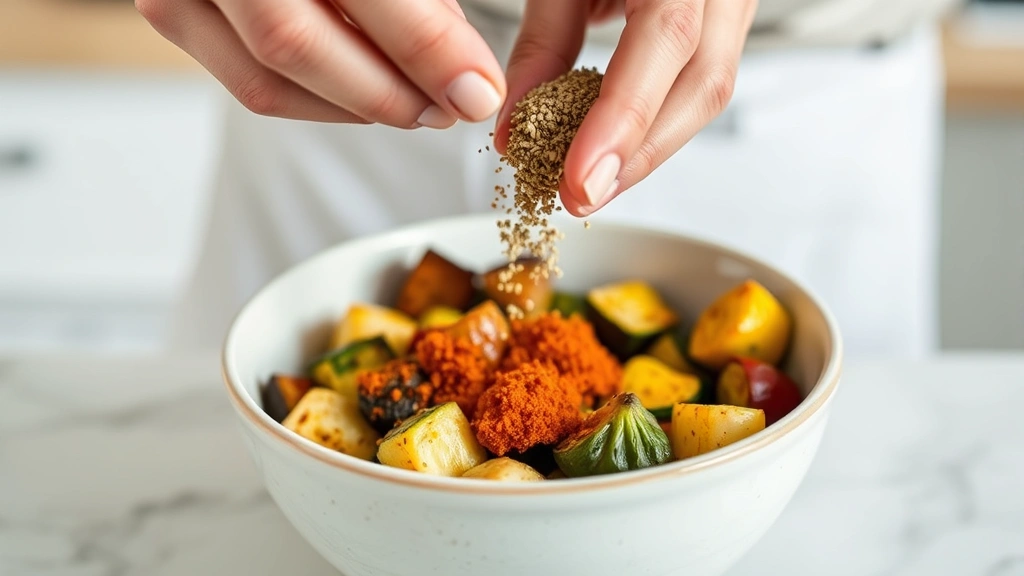
Smoked Paprika and Nutritional Boosters combine flavor with function. While paprika alone doesn’t replace nutritional yeast nutritionally, mixing it with hemp seeds, ground flaxseed, or other protein sources creates a customized blend matching your specific needs. This approach allows personalization based on your dietary priorities.
Research from food science institutes demonstrates that fermented foods consistently rank highest for umami intensity, explaining why miso, soy sauce, and similar products work so effectively as replacements.
Protein-Rich Alternatives
Hemp Seeds provide complete protein (all nine essential amino acids), healthy fats, minerals, and a slightly nutty flavor. Two tablespoons contain approximately 6.3 grams of protein and significant magnesium, zinc, and iron. While lacking B vitamins unless fortified, hemp seeds complement other ingredients effectively. Grind them slightly for better texture distribution in dishes.
Ground Flaxseed offers 2.3 grams of protein per tablespoon plus lignans, omega-3 fatty acids, and fiber. The mild, slightly earthy flavor works well in baked goods and smoothies but doesn’t replicate nutritional yeast’s savory notes. Combine with umami-providing ingredients for more balanced substitution.
Pumpkin Seed Powder delivers 9 grams of protein per three tablespoons, along with magnesium, zinc, and copper. The mild, slightly sweet flavor makes it suitable for both sweet and savory applications. This works particularly well in Mexican-inspired dishes and baked goods.
Spirulina and Chlorella provide exceptional protein content (60-70% by weight), complete amino acid profiles, and extensive micronutrient arrays. However, their strong, algae-forward flavor requires careful integration. Use in small quantities—typically one-quarter to one-half teaspoon—combined with other ingredients. These work best in smoothies, soups, and Asian-inspired dishes.
Athletes and active individuals should consider our guide to nutrition for athletes, which addresses protein adequacy and timing for those using alternative ingredients.
Best Replacements for Specific Recipes
For Popcorn and Snacks: Parmesan cheese provides the most direct replacement, offering identical texture and similar flavor. For plant-based options, combine finely ground hemp seeds with smoked paprika and sea salt. The mixture won’t adhere as effectively as nutritional yeast flakes, so toss popcorn immediately after adding fat to help ingredients stick.
For Pasta Dishes: Miso paste mixed with olive oil and garlic creates an excellent sauce base. Use one tablespoon of miso per quarter cup oil. For a more traditional approach, nutritional yeast’s closest match is finely grated Parmesan or Pecorino Romano. Alternatively, combine tahini with miso and lemon juice for a creamy, umami-rich sauce.
For Soups and Broths: Miso paste dissolves beautifully and adds depth. Add it at the end of cooking to preserve beneficial enzymes and B vitamins. One tablespoon of miso per quart of broth provides substantial flavor enhancement. Soy sauce or tamari work similarly, offering saltiness and umami without the texture of other alternatives.
For Baked Goods: Nutritional yeast’s B vitamins and subtle flavor matter less in baking than in savory applications. Ground flaxseed or hemp seeds work effectively when combined with a small amount of smoked paprika or nutritional boosters. These additions provide nutrition without significantly altering traditional baking chemistry.
For Cream Sauces and Dips: Miso paste or tahini combined with nutritional elements creates rich, umami-forward results. One tablespoon of miso per cup of cream or plant-based milk creates a savory sauce. Add fresh lemon juice and garlic to brighten flavors and enhance nutrient absorption.
Understanding nutrition facts about specific ingredients helps in creating balanced substitutions that maintain both flavor and nutritional integrity.
Combining Substitutes for Optimal Results
Rather than viewing these alternatives as individual replacements, combining them strategically often yields superior results. A synergistic approach addresses nutritional yeast’s multiple functions simultaneously.
The Umami-Protein Blend: Mix one tablespoon of miso paste with two tablespoons of ground hemp seeds and one teaspoon of smoked paprika. This combination delivers umami (from miso), complete protein (from hemp), B vitamins (from both components through fermentation and seeds), and enhanced flavor complexity. Use this blend in soups, on vegetables, or as a condiment.
The Savory Powder Mix: Combine three tablespoons of nutritional yeast (if using in small amounts), two tablespoons of hemp seed powder, one tablespoon of mushroom powder, and one teaspoon of sea salt. Grind together and store in an airtight container. This mixture approximates nutritional yeast’s profile while expanding the nutrient spectrum and flavor depth.
The Fermented Base: Mix equal parts miso paste and tahini, then dilute with water or vegetable broth to desired consistency. Add fresh lemon juice, garlic, and herbs. This creates a versatile sauce matching nutritional yeast’s umami and protein contributions while adding calcium from tahini and probiotics from miso fermentation.
According to nutritional synergy research, combining foods strategically enhances nutrient bioavailability and creates more complex flavor profiles than individual ingredients alone.
Those focused on nutrition and mental health should note that fermented ingredients in these combinations provide additional benefits through gut microbiota support.
Storage and Shelf Life Considerations
Proper storage ensures your chosen alternatives maintain nutritional value and flavor integrity. Miso paste lasts indefinitely when refrigerated, though its flavor may intensify over time. The salty environment prevents bacterial growth, making it exceptionally shelf-stable.
Nutritional yeast replacements vary significantly in storage requirements:
- Seed powders and ground flaxseed: Store in airtight containers in cool, dark places. Refrigerate or freeze once opened to prevent oxidation of oils. Properly stored, they last 6-12 months.
- Mushroom powders: Keep in airtight containers away from moisture. These last 1-2 years when properly stored, as the drying process removes water that promotes spoilage.
- Fermented products (miso, soy sauce): Require cool storage but don’t need refrigeration until opened. After opening, refrigerate and they’ll maintain quality for months to years.
- Fresh herbs and spice blends: Store in airtight containers away from heat and light. Check potency every 6 months, as volatile oils fade.
When creating custom blends, consider component shelf lives and store in glass containers with tight seals, away from direct sunlight and heat sources. Label containers with creation dates to track freshness.
FAQ
Can I use regular yeast as a nutritional yeast replacement?
No. Active dry yeast or baker’s yeast contains live cultures that will ferment in food, creating unpleasant flavors and textures. Some specialized inactivated brewer’s yeast products exist, but traditional baker’s yeast won’t work. Nutritional yeast is specifically inactivated to provide nutrition without fermentation.
Which replacement tastes most similar to nutritional yeast?
Miso paste delivers the closest umami and savory flavor profile. Use approximately one-third the quantity you’d use for nutritional yeast. For pure cheese flavor, Parmesan or Pecorino Romano provide nearly identical sensory experiences, though they’re not plant-based.
Are nutritional yeast replacements adequate for B12 supplementation?
Most alternatives don’t provide reliable B12 unless specifically fortified. If you’re depending on nutritional yeast for B12, discuss alternative sources with a healthcare provider. Fermented products like miso provide some B vitamins from fermentation but not necessarily B12 in bioavailable forms. Plant-based eaters should pursue dedicated B12 supplementation regardless of nutritional yeast use.
What’s the best replacement for nutritional yeast in vegan cheese recipes?
Miso paste combined with cashew cream and tapioca starch creates excellent vegan cheese sauces. Mix one tablespoon of miso with one cup of soaked cashews, two tablespoons of tapioca starch, one cup of vegetable broth, and seasonings. Blend until smooth and cook gently until thickened. The result closely mimics traditional cheese sauce while remaining completely plant-based.
Can I make my own nutritional yeast replacement blend?
Yes. Combine ground hemp seeds, miso powder (dried and ground), smoked paprika, and nutritional boosters like ground flaxseed. Mix thoroughly and store in airtight containers. The exact ratios depend on your flavor preferences and nutritional priorities. Start with two parts hemp seed to one part each of other ingredients, then adjust.
How do I know which replacement will work best for my specific recipe?
Consider the recipe’s primary function: Is nutritional yeast providing flavor, nutrition, texture, or all three? For flavor-dominant roles (like on popcorn), prioritize umami-rich alternatives. For nutritional roles (smoothies, soups), emphasize protein and micronutrient content. For texture applications (baked goods), select finely ground options that distribute evenly.
Are there any health concerns with using these replacements long-term?
Most alternatives are safe long-term when used appropriately. However, some considerations apply: miso contains salt (monitor intake if sodium-sensitive), soy products may trigger allergies, seed powders contain omega-6 fats (balance with omega-3 sources), and algae products can accumulate iodine (avoid excessive consumption if iodine-sensitive). Discuss any concerns with healthcare providers, particularly if managing specific health conditions.